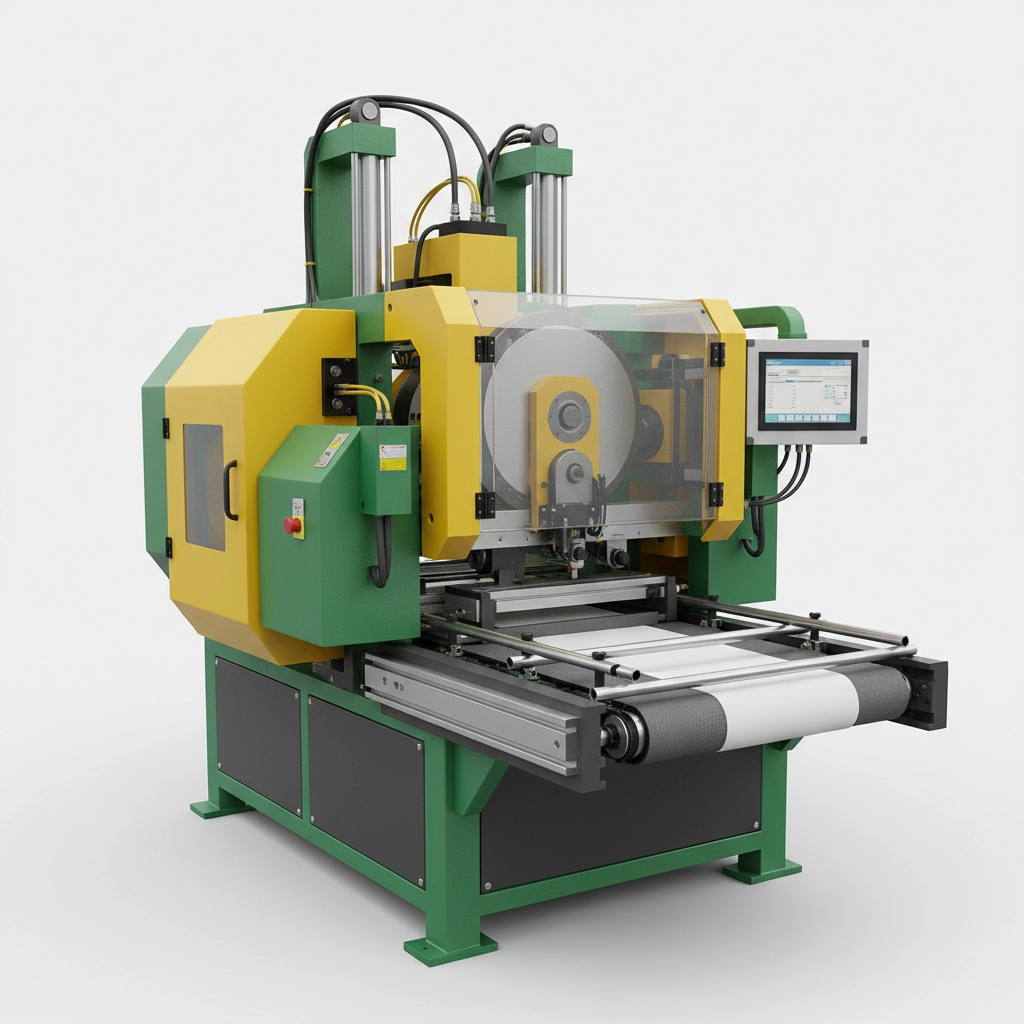
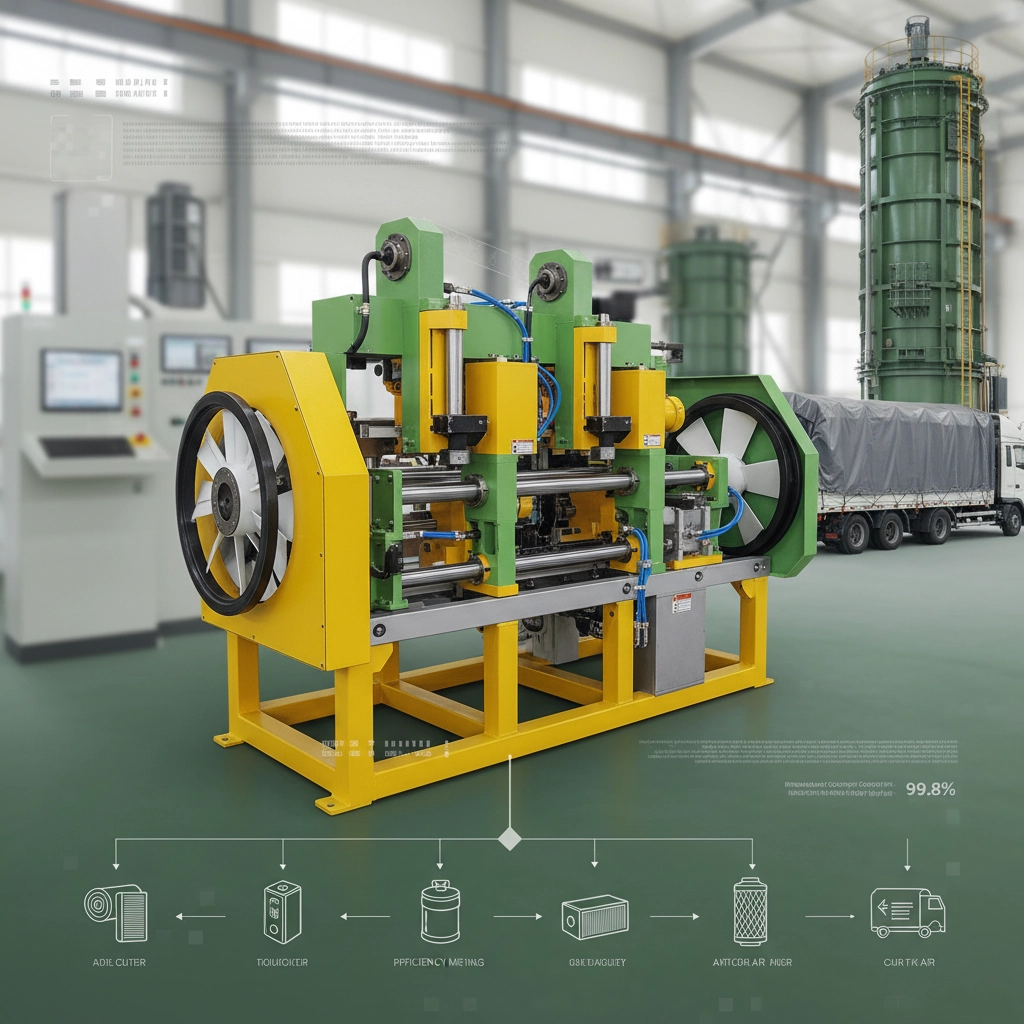
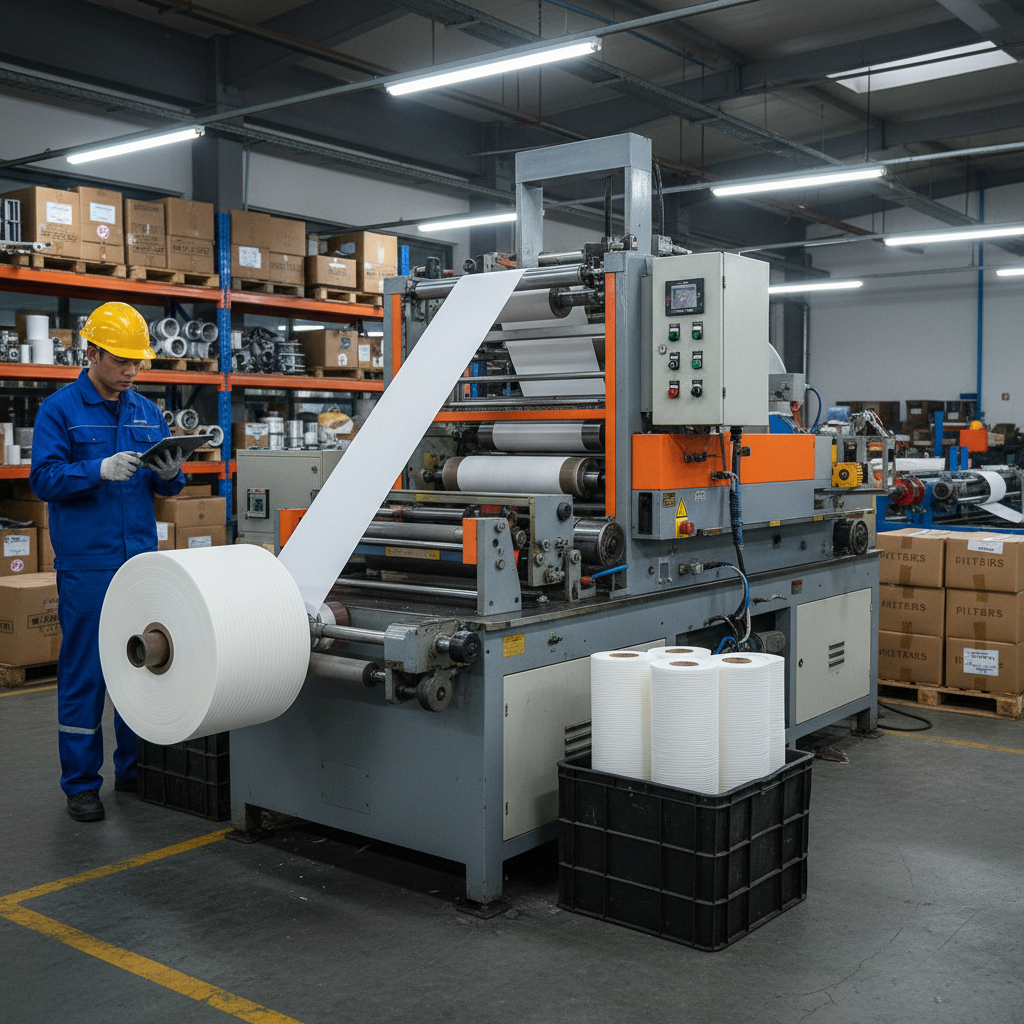
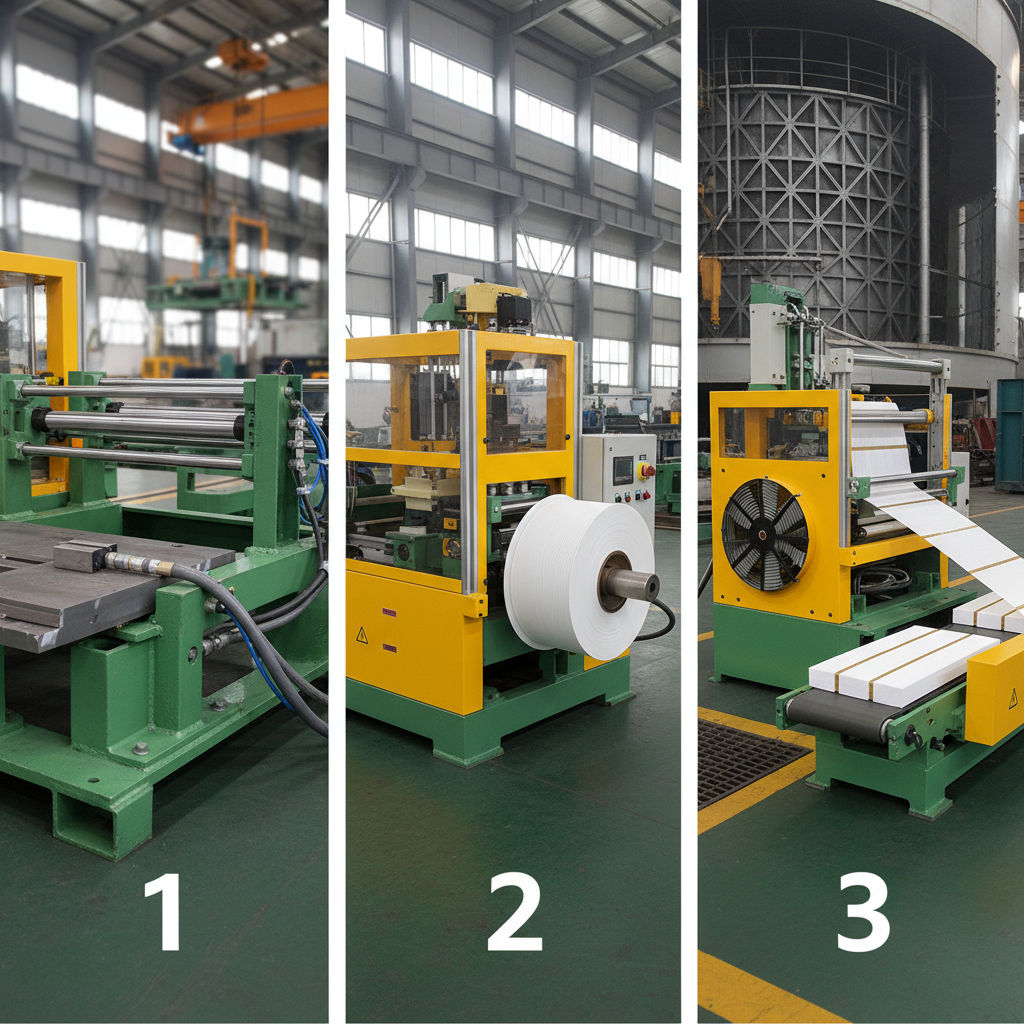
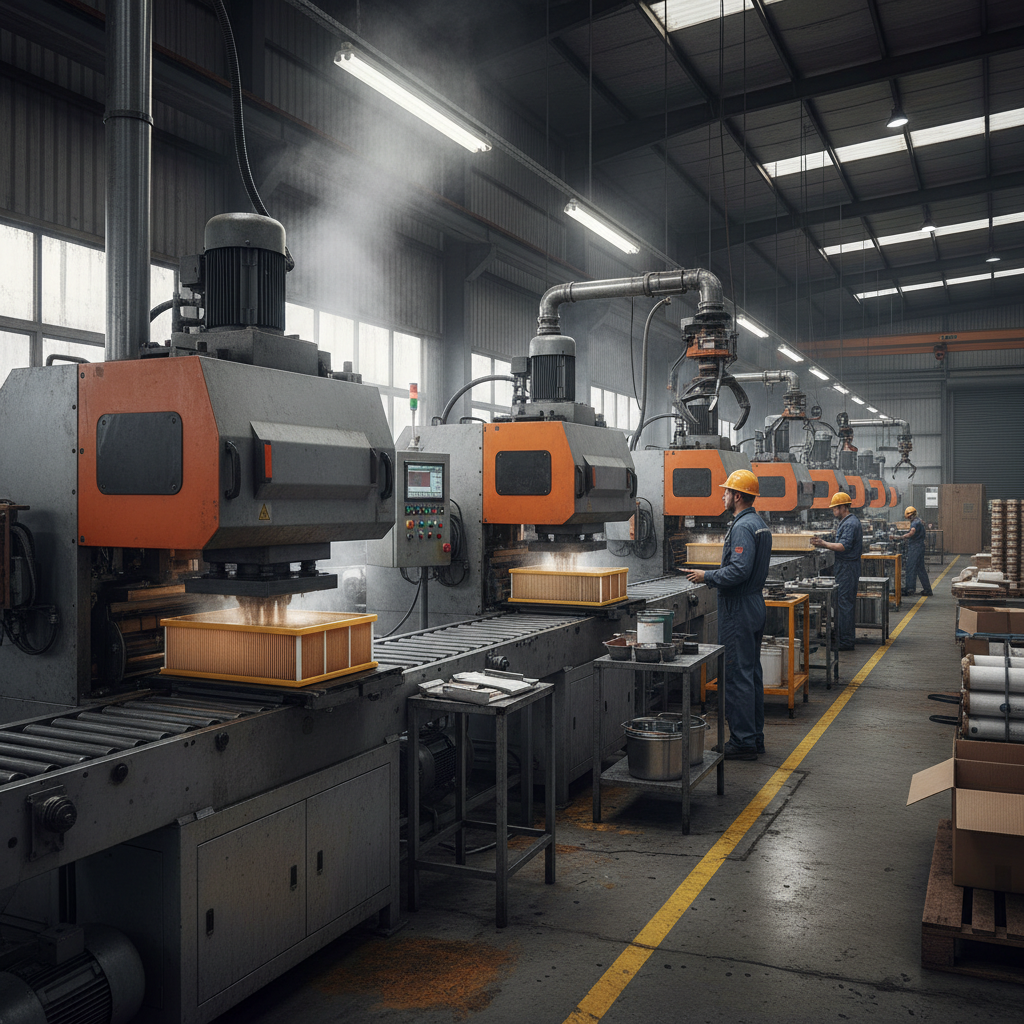
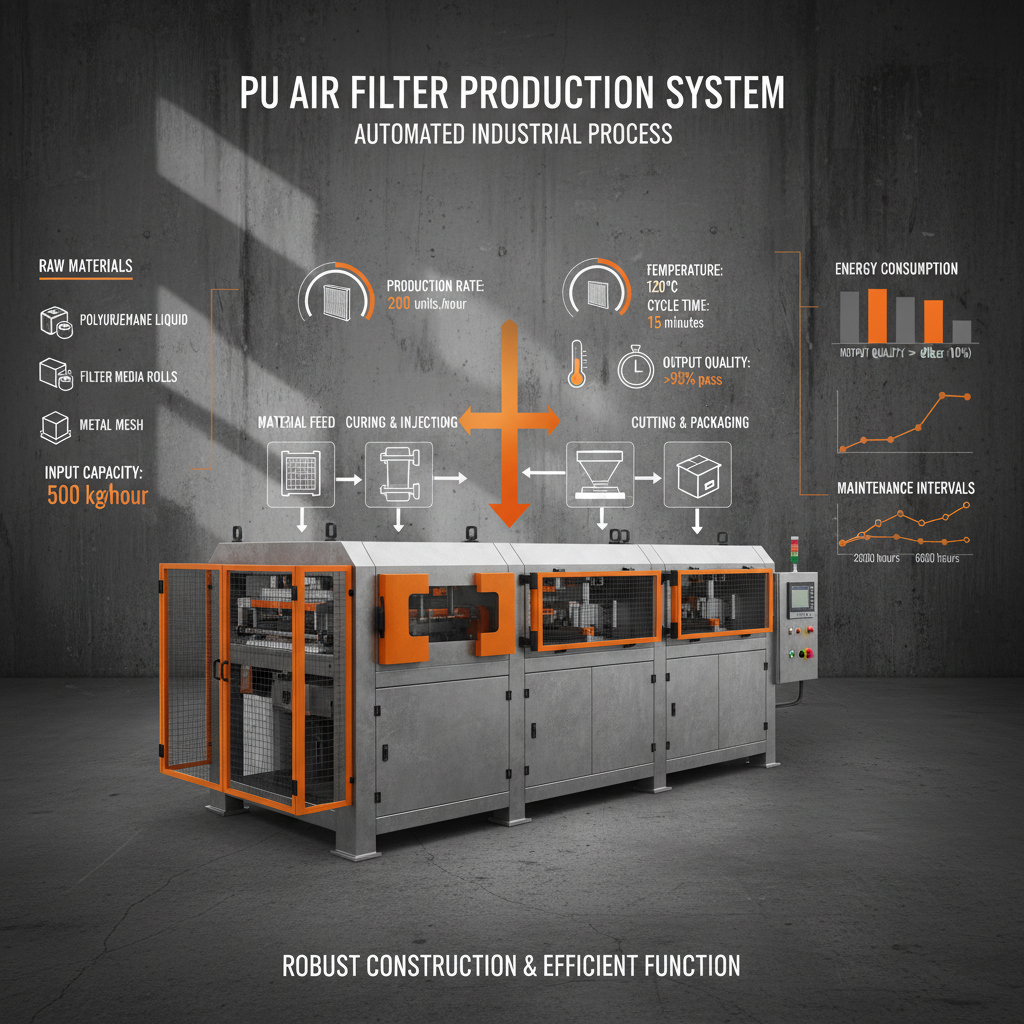
In the precision-driven world of automotive filtration, the final finish of a product often determines its overall quality and performance. A high-performance trimming machine serves as the critical final step in the production line, ensuring that edges are clean, dimensions are exact, and there are no stray fibers or polyurethane residues that could compromise the seal of an air filter.
Beyond simple cutting, the integration of an advanced trimming machine into a production facility represents a commitment to operational excellence. By eliminating manual trimming—which is prone to human error and inconsistency—manufacturers can achieve a level of uniformity that is essential for meeting strict OEM specifications and international quality standards.
Understanding the nuances of trimming technology is vital for any business operating in the Automotive Air Filter or Cabin Air Filter sectors. From reducing material waste to enhancing the aesthetic appeal of the finished product, the right trimming solution transforms a raw industrial component into a professional-grade automotive part ready for global distribution.
Global Relevance of Trimming Technology
On a global scale, the demand for high-efficiency air filtration has surged, driven by tightening emission standards and increasing urban pollution. According to ISO standards for quality management, the dimensional accuracy of a filter is paramount; a gap of even a fraction of a millimeter can lead to "unfiltered air bypass," rendering the entire filter ineffective. This is where the trimming machine becomes indispensable, ensuring that every unit produced meets rigorous global tolerances.
In emerging markets across Southeast Asia and Latin America, the transition from manual labor to automated trimming systems is accelerating. The primary challenge these manufacturers face is the volatility of material behavior—where PU foam or PP plastics react differently to temperature and humidity. A sophisticated trimming system mitigates these risks, providing a stabilized output that allows regional players to compete in the high-end export market.
Defining the Modern Trimming Machine
At its core, a trimming machine is a specialized piece of industrial equipment designed to remove excess material (flash) from the edges of a molded or assembled part. In the context of filter production, it typically refers to a device that cleans up the polyurethane (PU) or thermoplastic edges after the filter media has been bonded to the end caps. This process is essential for ensuring a flush fit within the vehicle's filter housing.
Unlike generic cutting tools, a professional-grade trimming machine integrates precision guiding systems and high-speed rotating blades or laser cutters to ensure that the cut is perpendicular and smooth. This prevents the fraying of filter media and ensures that the sealant remains intact, which is critical for the structural integrity of Automotive Air Filter and Truck Air Filter solutions.
From a broader industrial perspective, this equipment represents the intersection of mechanical engineering and quality control. It transforms a "rough" part into a "finished" part, bridging the gap between the molding phase and the final packaging phase. In an era of Lean Manufacturing, the efficiency of this machine directly impacts the total cycle time and the overall waste reduction goals of the factory.
Core Components for Precision Trimming
The efficiency of a trimming machine depends heavily on its blade geometry and material. High-carbon steel or tungsten carbide blades are often utilized to maintain a sharp edge over thousands of cycles, reducing the frequency of downtime for tool replacement and ensuring that the cut remains clean without compressing the filter material.
Precision clamping and positioning systems are the "brain" of the operation. By utilizing pneumatic or servo-driven jigs, the trimming machine can lock the filter in a precise orientation, eliminating human error and ensuring that the trimming depth is consistent across different batches, regardless of slight variations in the molding process.
Finally, the integration of dust extraction and waste management systems ensures a clean working environment. Because trimming generates small particles of PU or PP plastic, an integrated vacuum system prevents these contaminants from re-entering the production line, thereby maintaining the purity of the air filters being produced.
Industrial Applications and Use Cases
In the automotive sector, the application of a trimming machine varies depending on the filter type. For example, in Cabin Air Filter production, where aesthetics and precise fit are critical for interior luxury vehicles, trimming machines are used to create perfectly rectangular edges. In contrast, for Spin-On Oil Filter production, the trimming focuses on the metal-to-rubber interface to ensure a leak-proof seal.
Real-world applications extend to heavy-duty industrial zones where Truck Air Filter production is scaled for logistics fleets. In these high-volume environments, multi-head trimming machines are employed to process dozens of units per minute, significantly lowering the cost per unit while maintaining the high pressure-drop specifications required for heavy engines.
Efficiency Comparison of Trimming Methods
Long-Term Value and Sustainability
Investing in a high-quality trimming machine provides tangible economic benefits through the reduction of scrap rates. When trimming is inconsistent, a significant percentage of filters are rejected during final QC; automation brings this rejection rate down to nearly zero, directly increasing the profit margin per production run.
Beyond the balance sheet, there is a strong sustainability angle. Modern trimming systems are designed to collect scrap material in a way that allows for easier recycling of PU and PP waste. By optimizing the cut path and reducing over-trimming, manufacturers can minimize the raw material footprint, aligning their operations with global "Green Manufacturing" initiatives.
Future Trends in Automated Trimming
The future of trimming technology is moving toward "Smart Trimming" integrated with AI-driven vision systems. These systems can scan the molded part in real-time and adjust the trimming path of the machine to account for any shrinkage or deformation in the material, ensuring a perfect cut every time regardless of the raw material batch quality.
We are also seeing a shift toward laser trimming for high-precision applications. Laser technology eliminates the need for physical blades, removing the issue of tool wear and tear entirely. This results in a sterile, burnished edge that is particularly beneficial for high-efficiency air filters used in medical or laboratory environments.
Furthermore, the trend of modularity allows manufacturers to switch between different filter sizes (from small cabin filters to large truck air filters) by simply changing a digital program and a quick-change jig, rather than replacing the entire machine. This flexibility is crucial in a market where automotive designs change rapidly.
Overcoming Common Trimming Challenges
One of the most common challenges in the industry is "material dragging," where the trimming blade pulls the soft PU foam instead of cutting it cleanly. To solve this, expert engineers suggest the use of high-frequency vibration blades or cryogenic cooling, which hardens the material momentarily to allow for a surgical cut.
Another hurdle is the accumulation of resin on the cutting edge, which leads to jagged cuts. The solution lies in the application of specialized non-stick coatings (like Teflon or DLC) on the blades of the trimming machine, combined with a scheduled automated cleaning cycle.
Finally, maintaining consistency across multiple shifts of operators can be difficult. The implementation of PLC-controlled interfaces ensures that the settings are locked, preventing unauthorized adjustments and ensuring that the quality of the trim remains identical from the first unit of the morning to the last unit of the night.
Analysis of Trimming Machine Performance by Filter Type
| Filter Category |
Required Precision |
Trimming Complexity |
Recommended Method |
| Cabin Air Filter |
Ultra-High (±0.2mm) |
Medium |
CNC Rotary Trim |
| Truck Air Filter |
High (±0.5mm) |
High |
Hydraulic Press Trim |
| Oil Filter (Spin-On) |
High (Seal Focus) |
Low |
Circular Blade Trim |
| Eco Oil Filter |
Medium (±1.0mm) |
Low |
Semi-Auto Trim |
| Primary Air Filter |
High (±0.5mm) |
Medium |
CNC Rotary Trim |
| Specialized HEPA |
Extreme (±0.1mm) |
Ultra-High |
Laser Trimming |
FAQS
A trimming machine ensures a perfectly flush seal between the filter and the housing. If the edges are unevenly trimmed, air can leak through the gaps (bypass), allowing unfiltered dust to enter the engine. By creating a precise, clean edge, the machine ensures 100% of the air passes through the filter media, protecting the engine and extending the filter's effective life.
Manual trimming relies on human dexterity, leading to high variance in dimensions and a higher rate of material waste. An automated trimming machine provides repeatable precision, significantly faster cycle times, and a safer working environment. It eliminates the risk of "over-cutting," which can compromise the filter's structural integrity.
Yes, provided the machine is equipped with adjustable blade speeds and interchangeable tooling. PU is softer and requires different cutting angles than the more rigid PP. Most professional systems allow for quick-change settings or different blade sets to accommodate various polymers without sacrificing cut quality.
This depends on the volume of production and the abrasiveness of the materials. Generally, carbide-tipped blades can last for several thousand cycles. We recommend monitoring the edge quality; if you notice any "burring" or fraying on the filter edges, it is time for a blade change or sharpening to maintain OEM standards.
Laser trimming has a higher initial investment but lower operational costs over time because there are no blades to wear out. It is most cost-effective for high-precision, high-value filters (like HEPA or high-end automotive cabin filters) where the cost of a single rejected part is high.
Integration typically happens after the PU pouring/molding stage and before final assembly or packaging. The best approach is to use a conveyor-linked system where the molded filters are automatically fed into the trimming machine, ensuring a seamless flow and reducing manual handling.
Conclusion
In summary, the trimming machine is far more than a simple cutting tool; it is a cornerstone of quality assurance in the automotive filtration industry. By ensuring dimensional accuracy, reducing material waste, and eliminating human error, it allows manufacturers to deliver products that meet the stringent demands of modern engines and cabin environments. From the choice of blade material to the integration of AI-vision systems, every detail of the trimming process contributes to the final performance and reliability of the filter.
As the industry moves toward greater automation and stricter environmental standards, investing in advanced trimming solutions is no longer optional—it is a competitive necessity. We encourage manufacturers to evaluate their current scrap rates and precision levels to determine the ideal trimming technology for their needs. For world-class production solutions that elevate your product quality, visit our website: www.mfiltersolution.com.