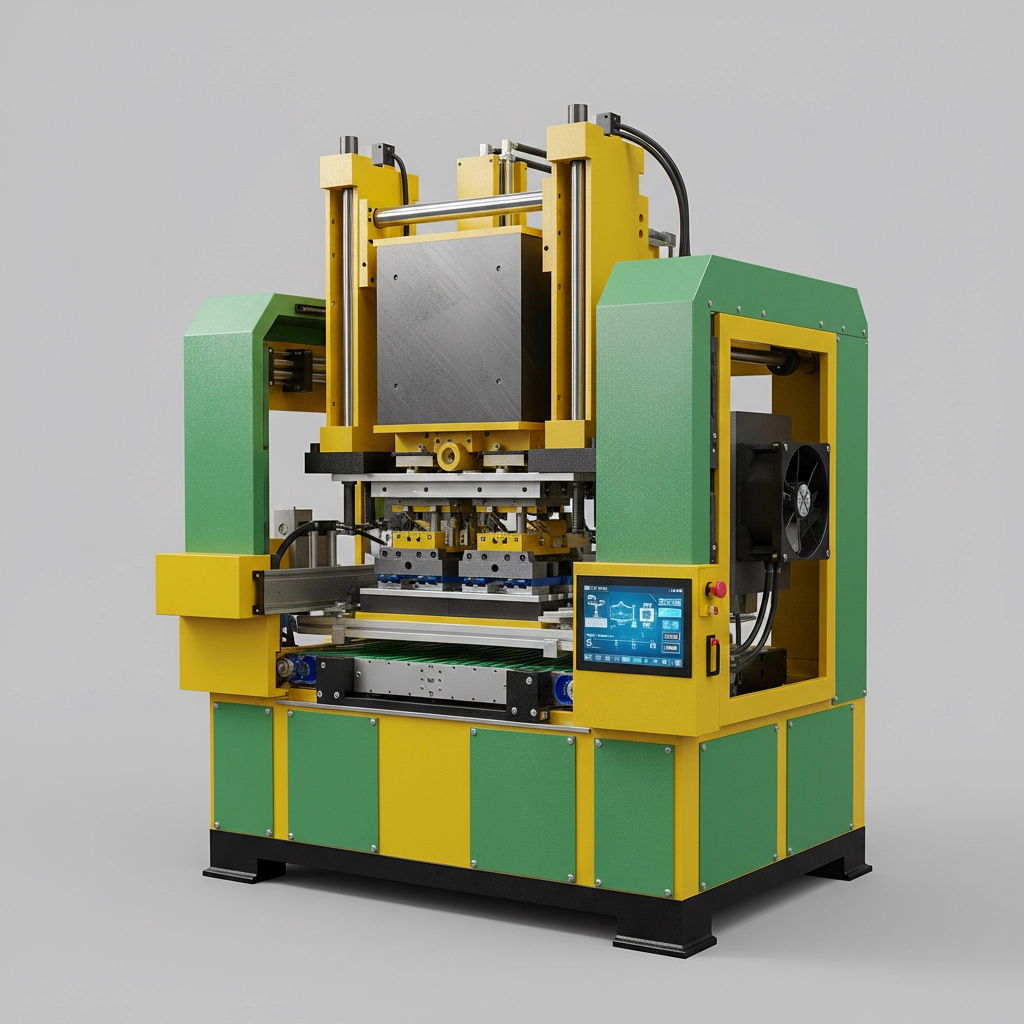
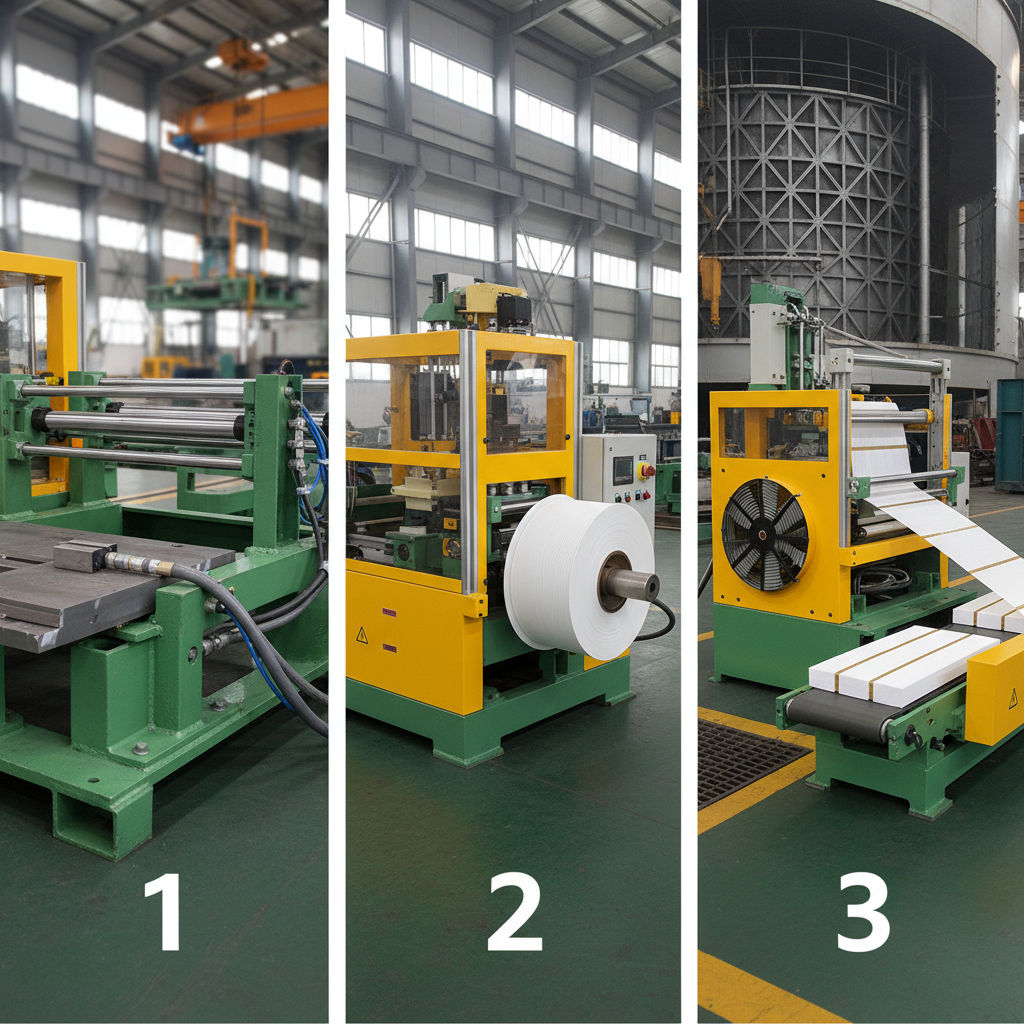
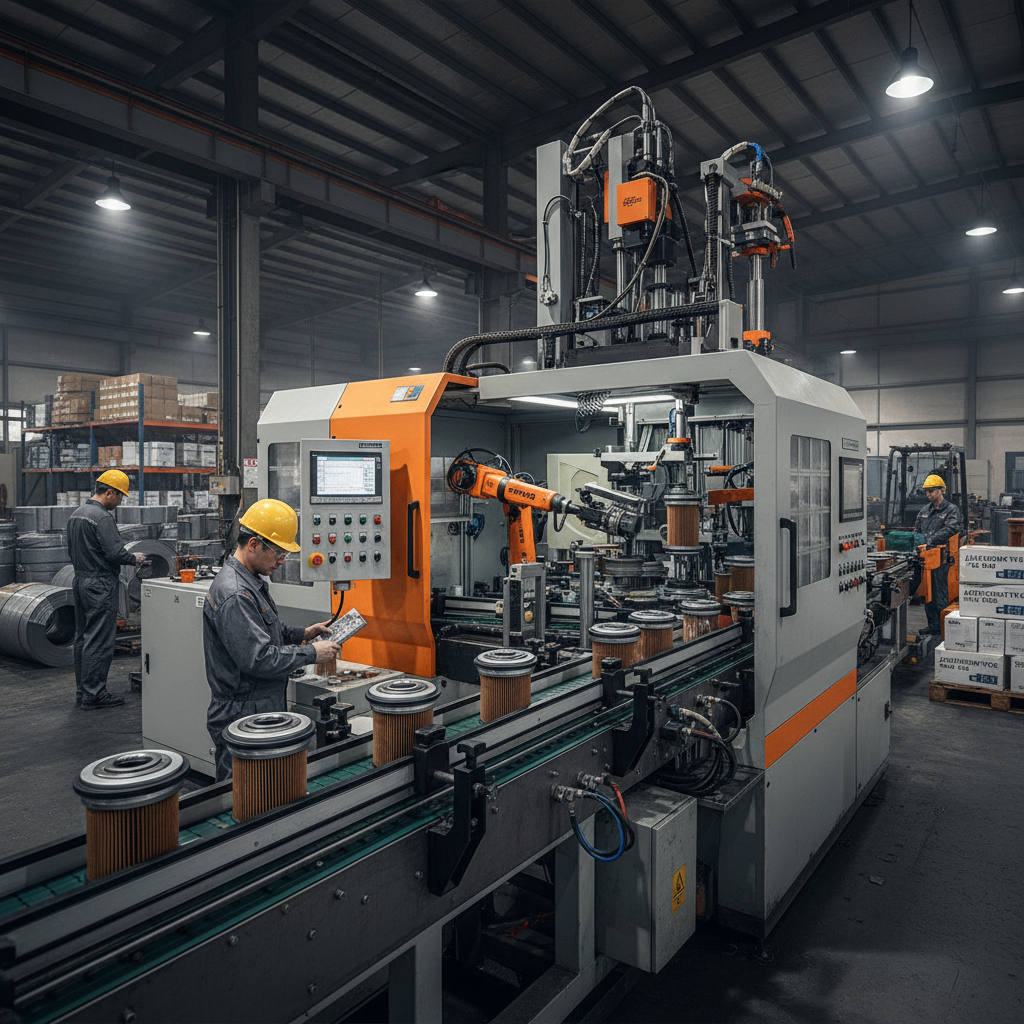
The precision of filtration systems in the automotive and industrial sectors depends heavily on the integrity of the seams and joints of the filter media. A high-performance heat jointing machine serves as the critical link in this production chain, ensuring that air, oil, or fuel filters maintain a leak-proof seal under extreme pressure. By utilizing controlled thermal energy to fuse synthetic materials, these machines eliminate the need for messy adhesives and reduce the risk of contamination within the filter element.
Globally, the demand for advanced air filtration is skyrocketing due to tightening emission standards and the rise of urban pollution. Manufacturers are increasingly turning to automated thermal bonding solutions to scale their production of cabin and automotive air filters. The integration of a sophisticated heat jointing machine allows for consistent joint strength and geometric precision, which are non-negotiable factors when preventing particulate bypass in high-efficiency filtration systems.
Understanding the nuances of heat jointing—from temperature calibration to dwell time—is essential for any facility aiming to optimize its throughput. Whether you are producing Primary Medium High Efficiency Air Filters or specialized Spin-On Oil Filters, the right equipment ensures that the physical bond is as strong as the material itself. This guide explores the technical depths, applications, and future innovations of thermal jointing technology in the specialized equipment manufacturing sector.
Global Industry Context of Heat Jointing Technology
The global manufacturing landscape for automotive components is currently undergoing a massive transition toward sustainable and high-efficiency materials. According to ISO standards for air filtration, the integrity of the filter's end-caps and side-seams determines the overall efficiency rating. This is where the heat jointing machine becomes indispensable; without precise thermal fusing, filter media would succumb to pressure drops or leak contaminants into the engine or cabin.
In emerging markets across Asia and Europe, the push for "Green Manufacturing" has led to a decrease in the use of chemical solvents and glues. The industry is shifting toward thermoplastic materials that can be fused using heat. This transition not only aligns with global environmental goals but also enhances the durability of the final product, as thermal welds are often more resistant to oil and heat than traditional adhesive bonds.
Defining the Heat Jointing Machine in Modern Filtration
In simple terms, a heat jointing machine is a specialized piece of industrial equipment designed to join two or more thermoplastic components by applying a combination of heat and pressure. Unlike traditional welding, heat jointing in the filter industry often involves "hot air" or "heating plate" methods that melt the surface layers of the synthetic filter media, fusing them into a single, homogenous structure that is airtight and waterproof.
This technology is fundamentally connected to the humanitarian need for cleaner air. As respiratory health becomes a primary concern in densely populated cities, the production of high-quality Cabin Air Filters relies on the consistency of these machines. A failure in the jointing process leads to "leakage," rendering the expensive filter media useless and exposing users to harmful pollutants and allergens.
Beyond the technical definition, this equipment represents a shift toward "lean manufacturing." By integrating heat jointing into the production line, manufacturers can reduce the curing time typically required for adhesives, thereby speeding up the entire production cycle from raw material to finished automotive air filter.
Core Components for Maximum Thermal Efficiency
The performance of a heat jointing machine is governed by its ability to maintain thermal stability. The heating element—often made of high-grade ceramic or nichrome alloys—must provide an even heat distribution across the entire jointing surface to prevent "cold spots" that could lead to structural failure under pressure.
Precision pressure controls are equally vital. A high-quality heat jointing machine utilizes pneumatic or servo-driven actuators to ensure that the bonding force is applied uniformly. If the pressure is too low, the bond will be porous; if it is too high, the filter media may be crushed or deformed, compromising the airflow capacity.
Finally, the control system (PLC) acts as the brain of the operation. Modern machines utilize PID (Proportional-Integral-Derivative) controllers to manage temperature fluctuations within ±1°C. This level of accuracy is crucial when working with various PP (Polypropylene) or PU (Polyurethane) materials used in Car Air Filter production solutions, where a few degrees can be the difference between a perfect weld and a burnt edge.
Global Applications and Real-World Use Cases
The versatility of the heat jointing machine allows it to be deployed across a wide array of industrial contexts. In the automotive sector, it is the backbone of Cabin Air Filter and Truck Air Filter production, where large-scale media pleats must be securely jointed to reinforced frames. In regions like Germany and Japan, these machines are integrated into fully robotic cells to ensure zero-defect manufacturing for luxury vehicle brands.
Beyond the automotive world, thermal jointing is utilized in remote industrial zones for the fabrication of heavy-duty air intake systems for mining equipment. In these environments, filters are exposed to extreme dust and vibration; the thermal bonds produced by a heat jointing machine provide the mechanical strength necessary to prevent the filter element from collapsing under harsh operating conditions.
Comparative Performance of Jointing Methods for Filter Production
Long-Term Value and Operational Advantages
The investment in a professional heat jointing machine yields tangible economic benefits over time. First, the reduction in material waste is significant; unlike adhesives that require frequent replacement and produce chemical waste, thermal jointing uses the material's own properties to create a bond. This leads to a lower cost-per-unit and a more sustainable production footprint.
From a logical and emotional standpoint, thermal jointing provides "peace of mind" through reliability. For an automotive manufacturer, a single failed filter seal can lead to engine damage or customer dissatisfaction. By utilizing a heat jointing machine, the company ensures a standardized, repeatable process that minimizes human error, thereby building brand trust and ensuring the safety and dignity of the end-user.
Future Trends in Thermal Bonding Automation
The future of the heat jointing machine lies in the integration of Industry 4.0. We are seeing a move toward "Smart Thermal Bonding," where AI-driven sensors monitor the bond quality in real-time. If the machine detects a slight deviation in temperature or pressure, it can automatically adjust its parameters mid-cycle, ensuring that every single joint meets the required specification without the need for manual inspection.
Digital transformation is also bringing "Predictive Maintenance" to the factory floor. Future machines will use vibration and thermal analysis to predict when a heating element is about to fail, allowing technicians to replace parts before a breakdown occurs. This minimizes downtime and maximizes the ROI of the production line, especially for high-volume Eco Oil Filter production solutions.
Furthermore, the exploration of new bio-based thermoplastics is pushing the evolution of thermal equipment. As manufacturers move away from petroleum-based plastics, the heat jointing machine must be adaptable to different melting points and thermal conductivities, leading to the development of modular heating systems that can be swapped based on the material being processed.
Overcoming Technical Challenges in Heat Jointing
One of the most common challenges in using a heat jointing machine is the phenomenon of "thermal degradation." If the heat is applied for too long or at too high a temperature, the polymer chains in the filter media can break down, creating a brittle joint that cracks under vibration. Expert operators solve this by implementing precise "dwell time" settings, ensuring the material reaches its melting point without crossing into the degradation zone.
Another limitation is the difficulty in jointing materials with different melting points. When combining a PP frame with a specialized synthetic media, a standard heat setting may melt one while leaving the other untouched. The solution lies in "Differential Heating," where the machine applies different temperatures to each side of the joint, a feature found in high-end professional heat jointing machine models.
Lastly, maintaining a clean jointing surface is a constant struggle. Even microscopic dust particles can create "pinholes" in the thermal weld. Leading manufacturers are now integrating ionized air blowers and vacuum systems into their jointing stations to ensure the mating surfaces are pristine before the thermal cycle begins, thereby guaranteeing a 100% leak-proof result.
Technical Comparison of Heat Jointing Parameters across Different Filter Types
| Filter Category |
Ideal Temp Range (°C) |
Pressure Level (MPa) |
Bond Strength Score (1-10) |
| Cabin Air Filter |
160 - 180 |
0.4 - 0.6 |
9 |
| Truck Heavy Duty |
180 - 210 |
0.8 - 1.2 |
10 |
| Eco Oil Filter |
150 - 170 |
0.3 - 0.5 |
8 |
| PU Production Filter |
140 - 160 |
0.2 - 0.4 |
7 |
| PP Production Filter |
170 - 190 |
0.5 - 0.7 |
9 |
| High Efficiency Air |
165 - 185 |
0.6 - 0.9 |
10 |
FAQS
While both create thermal bonds, a heat jointing machine typically uses external heat sources (like heating plates or hot air) to melt the material surface. Ultrasonic welding uses high-frequency vibrations to create localized internal friction heat. Heat jointing is often preferred for larger surface areas and thicker filter media where a consistent, broad seal is required across the entire perimeter of the filter.
Preventing thermal degradation requires a combination of precise temperature control (PID controllers) and optimized dwell time. It is recommended to perform "ramp-up" tests on sample materials to find the lowest possible temperature that still achieves a full weld. Additionally, using non-stick coatings on the heating plates can prevent material buildup and uneven heat distribution.
Yes, but it requires a machine with adjustable temperature and pressure settings. PP (Polypropylene) generally requires higher temperatures than PU (Polyurethane). A professional-grade heat jointing machine allows you to save different "recipes" or presets for each material, ensuring a quick transition between different product lines like Car Air Filter PU and PP solutions.
Replacement cycles vary based on usage, but typically, heating elements should be inspected every 6-12 months. Signs of wear include inconsistent joint strength or longer heat-up times. We recommend using a thermal imaging camera periodically to check for "cold spots" on the heating plate, which indicates the element is nearing the end of its lifespan.
Absolutely. Heat jointing eliminates the need for volatile organic compounds (VOCs) and chemical adhesives, which can be harmful to workers and the environment. It also simplifies the recycling process of the final filter, as the product is composed of fused thermoplastics rather than a mixture of plastic and chemical glue, making it much easier to process in recycling plants.
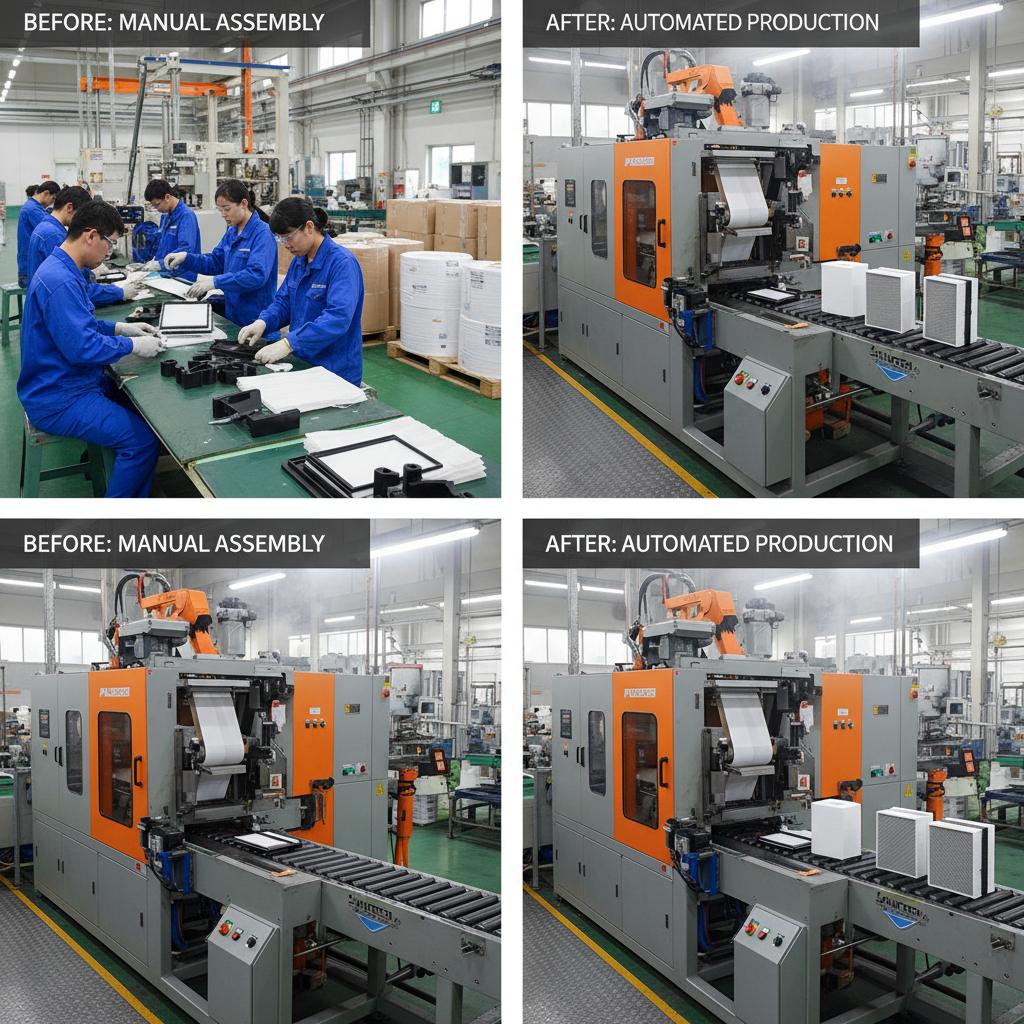
Manufacturers typically see a throughput increase of 300% to 500% when moving from manual gluing to an automated heat jointing machine. The primary gain comes from the elimination of "curing time"—thermal bonds are set almost instantly upon cooling, allowing the filter to move immediately to the next stage of assembly and packaging.
Conclusion
The heat jointing machine is far more than just a piece of assembly equipment; it is the guarantor of quality in the air and oil filtration industry. By fusing materials at a molecular level, it provides the structural integrity and leak-proof reliability that modern automotive and industrial standards demand. From the precision of PID temperature controls to the sustainability of adhesive-free production, thermal jointing technology optimizes every aspect of the manufacturing lifecycle, ensuring that high-efficiency filters perform as promised in the most challenging environments.
As we look toward a future of smarter, greener manufacturing, the integration of AI and modular thermal systems will further refine the capabilities of heat jointing. For businesses looking to scale their production of cabin air filters or specialized industrial filters, investing in high-precision thermal bonding is no longer optional—it is a competitive necessity. We encourage manufacturers to audit their current sealing processes and transition toward automated thermal solutions to ensure long-term viability and product excellence. Visit our website for more professional solutions: www.mfiltersolution.com