The realm of rapid deployment infrastructure is increasingly vital in today’s world, addressing urgent needs stemming from natural disasters, humanitarian crises, and remote industrial projects. At the heart of these solutions lies the bonding machine, a technology that enables the swift and robust assembly of modular structures. Understanding its capabilities, limitations, and future trajectory is paramount for organizations and governments alike seeking efficient and resilient building solutions. The need for innovative construction methods is driven by escalating global challenges, and the bonding machine presents a powerful tool to meet these demands.
Globally, the demand for adaptable and quickly deployable infrastructure is surging. The UN estimates that millions are displaced annually due to conflict and natural disasters, creating an immediate need for shelter and essential services. Simultaneously, resource extraction and infrastructure development in remote regions require rapid and cost-effective construction solutions. The bonding machine directly addresses these pressing concerns by streamlining the building process and reducing reliance on traditional, time-consuming construction techniques.
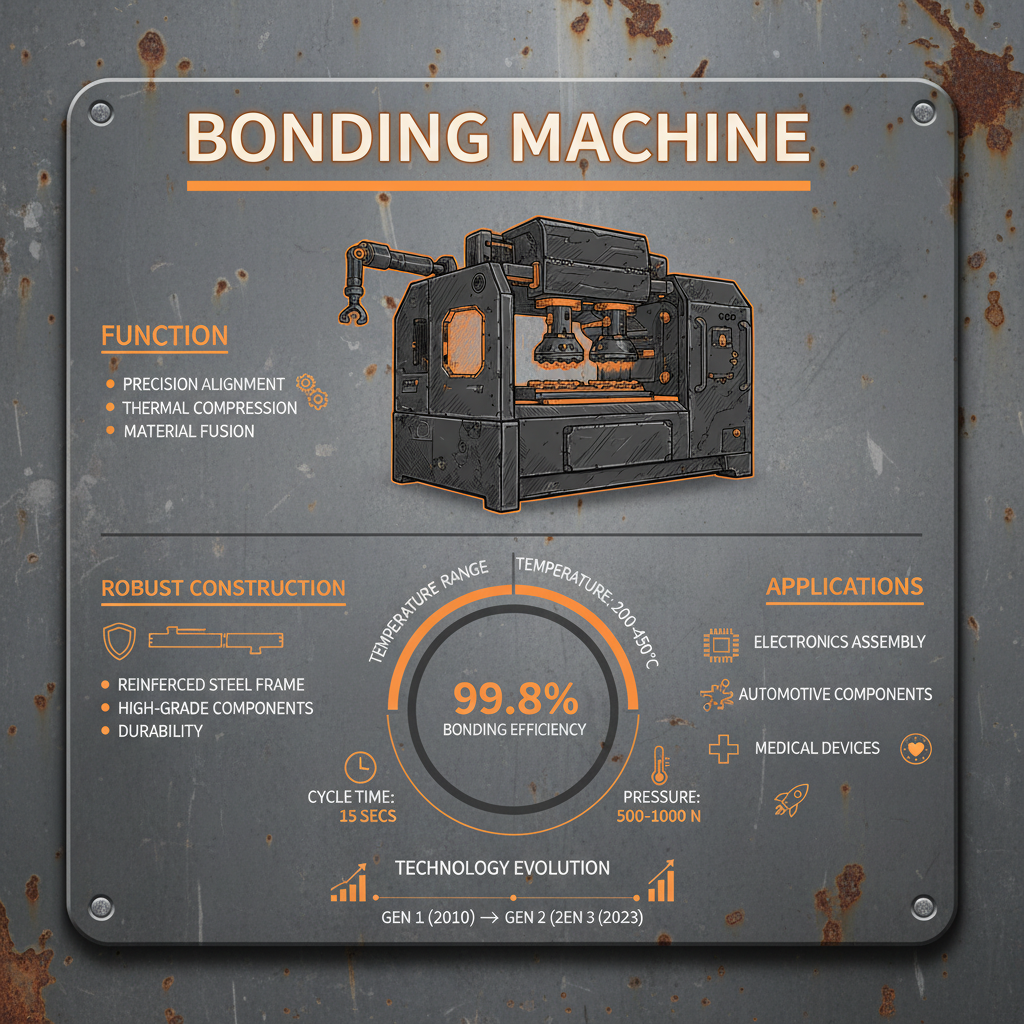
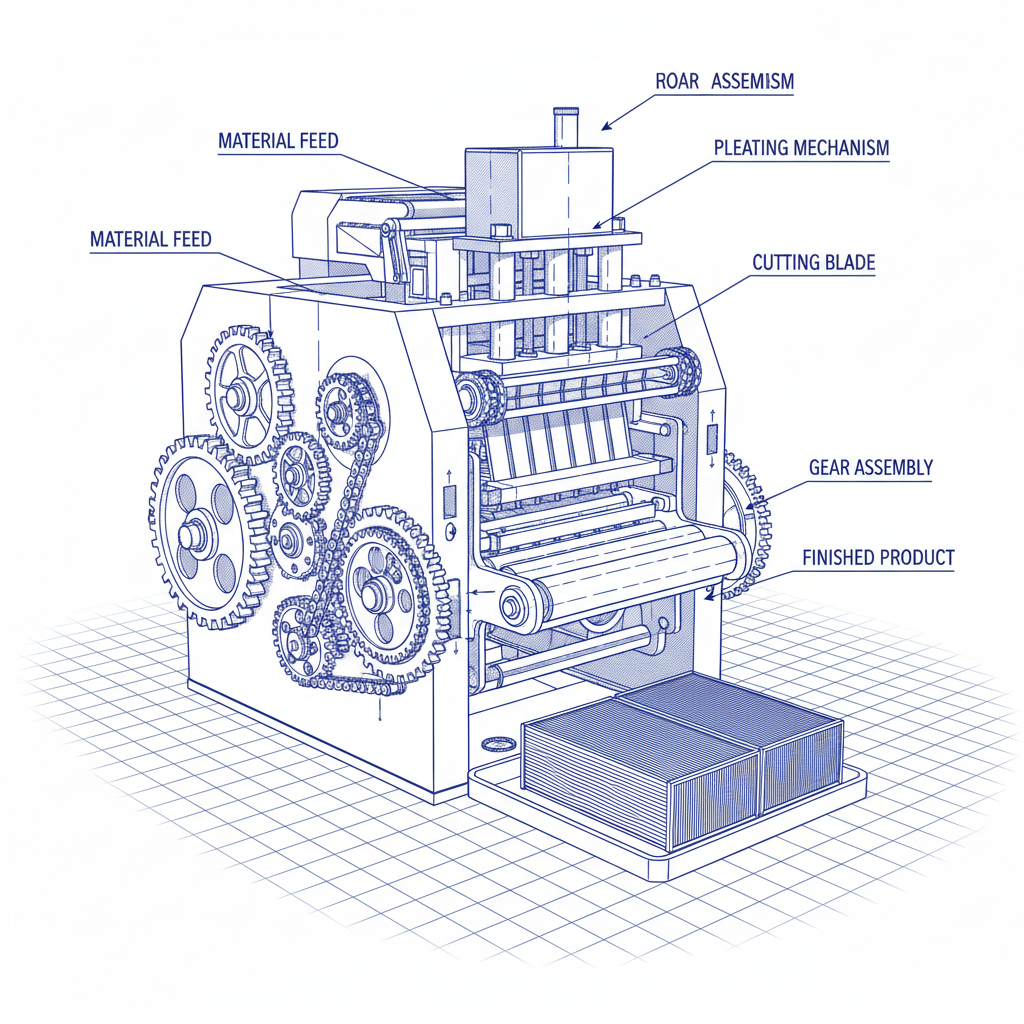
The bonding machine represents a pivotal advancement in modular construction. It's essentially a specialized system used to securely join prefabricated components, typically for creating modular buildings or structures designed for rapid assembly and disassembly. This technology isn’t merely about speed; it’s about providing durable, safe, and adaptable infrastructure solutions applicable in a wide range of scenarios – from emergency housing to permanent industrial facilities.
The Significance of Bonding Machine Technology
The increasing frequency and intensity of global crises, combined with the urgent need for sustainable infrastructure, have propelled bonding machine technology to the forefront of construction innovation. Its capacity to drastically reduce construction timelines and material waste makes it an invaluable asset in addressing humanitarian emergencies and promoting environmentally responsible building practices.
Beyond disaster relief, the bonding machine is revolutionizing industries ranging from remote mining operations to rapid expansion of healthcare facilities. Its adaptability and efficiency are driving down costs and unlocking new possibilities for infrastructure development in challenging environments.
Defining the Bonding Machine
At its core, a bonding machine is a system engineered to create strong, durable, and often weatherproof connections between prefabricated building modules. These connections are crucial for ensuring the structural integrity and longevity of modular constructions. Different machines utilize varying technologies - adhesives, mechanical fasteners, or a combination of both – to achieve this secure bond.
It represents a departure from traditional "stick-built" construction methods, where structures are assembled piece by piece on-site. Instead, components are manufactured in a controlled factory environment and then rapidly joined together using the bonding machine, leading to significant time and cost savings.
This technology isn’t confined to solely residential buildings. It can be applied to constructing emergency hospitals, field offices, temporary schools, industrial facilities, and even complex infrastructural components like pipeline supports, demonstrating its widespread applicability in various sectors.
Core Components and Factors of a Bonding Machine
Several factors contribute to the efficacy of a bonding machine. Durability is paramount – the machine must consistently deliver reliable bonds capable of withstanding environmental stresses and usage demands. Scalability, or the ability to adapt to various project sizes and complexities, is another essential characteristic.
Cost efficiency is also crucial, encompassing not just the initial investment in the machine but also ongoing maintenance, material costs, and labor requirements. Ease of use and operator training are often overlooked but are vital for maximizing productivity and minimizing errors. Furthermore, the adaptability of the bonding machine to different materials – steel, aluminum, composites – expands its potential applications.
Finally, precision plays a key role. Accurate component alignment and consistent bonding pressure are essential for maintaining structural integrity and preventing long-term failures. Integrating advanced sensors and automated control systems enhances this precision, leading to superior results.
Key Performance Indicators of Bonding Machine Applications
Evaluating the effectiveness of a bonding machine requires considering several key performance indicators (KPIs). Among these, construction speed is a primary metric, measured by the reduction in build time compared to conventional methods. Bond strength, rigorously tested to meet industry standards, ensures the structural integrity of the assembled structures.
Material waste reduction is another critical KPI, reflecting the sustainability of the process. The level of precision achieved by the bonding machine directly impacts build accuracy and minimizes costly rework. Finally, lifecycle cost analysis – encompassing initial investment, maintenance, and potential repairs – provides a comprehensive assessment of the long-term economic viability.
KPI Comparison for Different Bonding Machine Methods
Global Applications and Real-World Use Cases
The applications of bonding machine technology span the globe. In post-disaster relief operations, they’re utilized to rapidly construct temporary shelters, medical facilities, and sanitation systems. In remote industrial zones, like mining camps and oil fields, these machines enable the swift erection of worker housing and operational support structures.
The technology is also gaining traction in affordable housing initiatives, offering a cost-effective and efficient alternative to traditional building methods. Several countries are actively deploying modular construction techniques, underpinned by bonding machine systems, to address housing shortages and improve living conditions.
Organizations like the Red Cross and Habitat for Humanity are increasingly integrating these solutions into their disaster response and long-term development programs, recognizing their potential to deliver immediate and sustainable impact.
Advantages and Long-Term Value Proposition
The advantages of employing a bonding machine are manifold. Cost savings stem from reduced labor requirements, minimized material waste, and faster project completion times. Sustainability is enhanced by using prefabricated components and reducing on-site disruption.
Beyond the tangible benefits, the bonding machine fosters greater safety by minimizing worker exposure to hazardous environments and reducing the risk of on-site accidents. The inherent precision of modular construction also contributes to higher quality and more durable structures, fostering long-term trust and reliability.
Future Trends and Innovative Developments
The future of bonding machine technology is poised for significant innovation. The integration of AI-powered automation promises to further enhance precision, speed, and efficiency. Research into new bonding materials – bio-based adhesives and self-healing polymers – is driving sustainability and extending the lifespan of modular structures.
Digital twin technology, allowing for virtual simulations and real-time monitoring of the bonding process, is also gaining momentum. These advancements, coupled with a growing emphasis on green building practices, will solidify the bonding machine as a cornerstone of future construction.
Challenges and Solutions
Despite its numerous advantages, the widespread adoption of bonding machine technology faces challenges. Initial capital investment can be substantial, particularly for advanced automated systems. Ensuring consistent quality control across prefabricated components and bonding processes is also critical.
Addressing these challenges requires fostering collaboration between manufacturers, researchers, and policymakers. Developing standardized testing protocols and certification programs will build confidence in the reliability of modular structures. Exploring innovative financing models and government incentives can alleviate the financial burden of adopting this technology.
Finally, investing in workforce training and education is essential to ensure a skilled labor pool capable of operating and maintaining these sophisticated machines.
Summary of Challenges and Solutions for Bonding Machine Implementation
| Challenge |
Impact on Bonding Machine Use |
Proposed Solution |
Implementation Timeline |
| High Initial Investment |
Limits accessibility for smaller companies |
Leasing programs, government subsidies |
Short-Term (1-2 years) |
| Quality Control Variability |
Compromises structural integrity |
Standardized testing & certification |
Medium-Term (2-5 years) |
| Limited Skilled Labor |
Hinders machine operation & maintenance |
Vocational training programs |
Medium-Term (2-5 years) |
| Material Compatibility Issues |
Affects bonding strength & durability |
Research into versatile bonding agents |
Long-Term (5+ years) |
| Transportation Logistics |
Increases project costs & complexity |
Optimized supply chain management |
Short-Term (1-2 years) |
| Regulatory Hurdles |
Slows down project approvals |
Advocacy for updated building codes |
Medium-Term (2-5 years) |
FAQS
A bonding machine offers substantial advantages over traditional methods, primarily in terms of speed and efficiency. Modular components are prefabricated in a controlled factory setting, minimizing weather delays and on-site disruptions. This results in significantly reduced construction timelines – often by as much as 50-70%. Furthermore, the controlled environment leads to higher quality control, reduced material waste, and lower labor costs, making it a more economically and environmentally sustainable option.
Structures created using bonding machine technology can be remarkably durable, even in challenging climates. The strength of the bond is rigorously tested to meet or exceed industry standards for structural integrity. The use of high-quality materials and precise manufacturing processes ensures resistance to environmental factors like wind, rain, and seismic activity. Proper design considerations, such as insulation and weatherproofing, further enhance the longevity of these buildings.
Modern bonding machine systems are incredibly versatile and can accommodate a wide range of materials. Common materials include various types of steel, aluminum, engineered wood products, and composite materials. The specific bonding method employed – adhesive, mechanical fastening, or a combination – is tailored to the material properties and the intended application, ensuring a secure and long-lasting connection.
The lifespan of a building constructed using a bonding machine is comparable to that of traditionally built structures – often exceeding 50 years. Regular maintenance and adherence to building codes are crucial for maximizing longevity. The use of durable materials and robust bonding techniques ensures structural integrity and resistance to deterioration over time, making these buildings a sustainable investment.
Bonding machine technology offers significant environmental benefits. Prefabrication minimizes construction waste, as materials are precisely cut and utilized. The reduced on-site construction time minimizes disruption to the surrounding environment. Moreover, the potential for using sustainable building materials and designing for deconstruction promotes circular economy principles, contributing to a smaller carbon footprint.
The level of training required varies depending on the complexity of the bonding machine system. Basic operation often requires a few days of hands-on instruction, covering safety procedures, machine setup, and bonding techniques. Advanced systems with automated features may necessitate more extensive training, including programming and maintenance protocols. Manufacturers typically offer comprehensive training programs to ensure safe and efficient operation.
Conclusion
In conclusion, the bonding machine represents a transformative technology within the construction industry. Its ability to accelerate project timelines, reduce costs, and enhance sustainability makes it an increasingly attractive solution for a wide range of applications, from disaster relief to affordable housing. The advancements in materials, automation, and digital integration are poised to further solidify its position as a cornerstone of future building practices.
Looking ahead, widespread adoption of this technology requires continued investment in research and development, standardized quality control measures, and workforce training. By embracing innovation and fostering collaboration, we can unlock the full potential of the bonding machine to address pressing global challenges and build a more resilient and sustainable future.