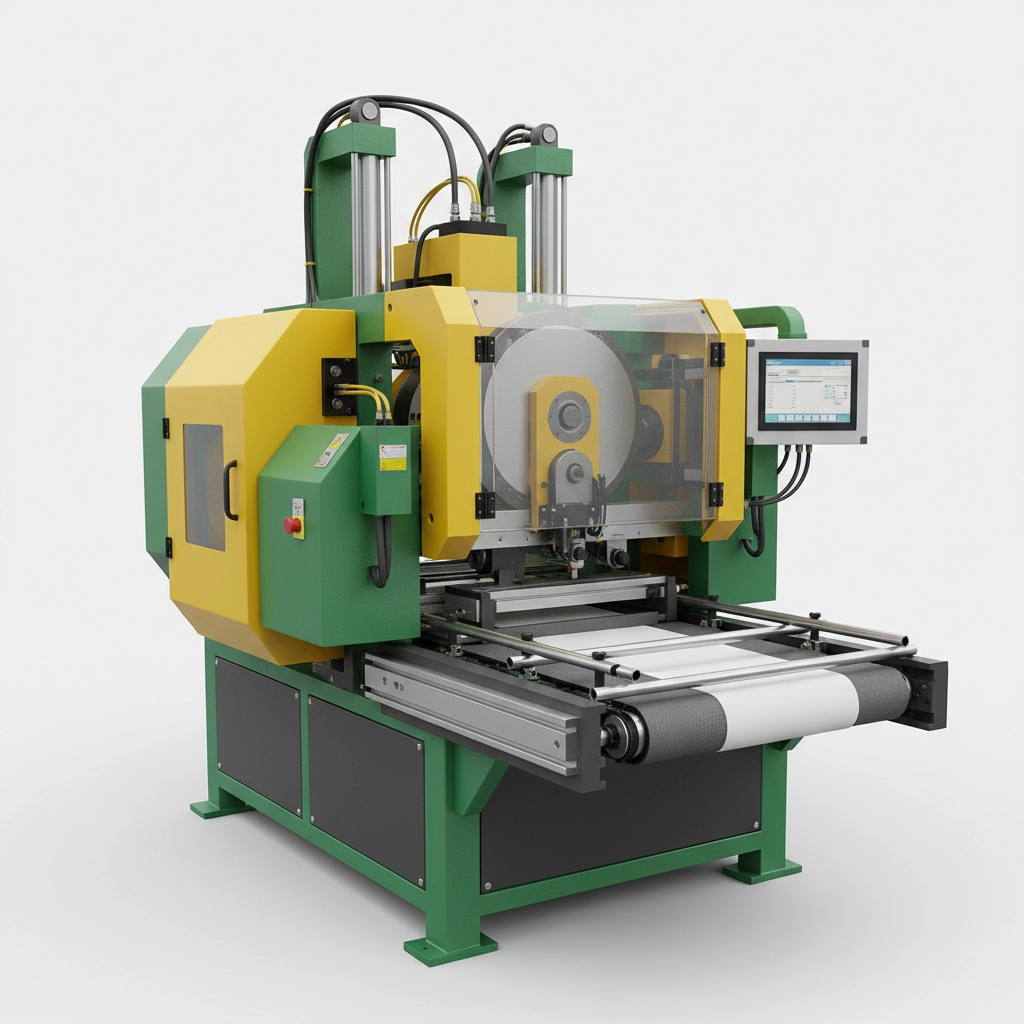
The world faces increasing demands for efficient and versatile manufacturing processes. The paper pleating machine stands as a critical component in meeting these needs across diverse industries. From air and liquid filtration to specialized packaging and even artistic applications, the ability to precisely form pleats in paper—and other materials—is essential. This technology isn’t simply about folding; it’s about maximizing surface area, enhancing structural integrity, and enabling innovative product designs.
Globally, the demand for high-efficiency filters is driven by environmental regulations, increasing healthcare needs, and a growing focus on indoor air quality. The United Nations Sustainable Development Goals (SDGs), particularly those related to clean air and water (SDG 6 & 7), underscore the importance of filtration technologies. The paper pleating machine directly contributes to these goals by enabling the production of cost-effective and reliable filter media. Moreover, the machine’s role extends beyond environmental concerns, impacting sectors such as automotive, aerospace, and pharmaceuticals.
A key challenge in many manufacturing processes is optimizing material usage and production efficiency. The paper pleating machine addresses this by allowing for a compact design that increases the surface area of the material, leading to improved performance. This capability is crucial for industries reliant on filters, separators, and specialized packaging, making it a vital piece of equipment in modern production lines.
Introduction to Paper Pleating Machine
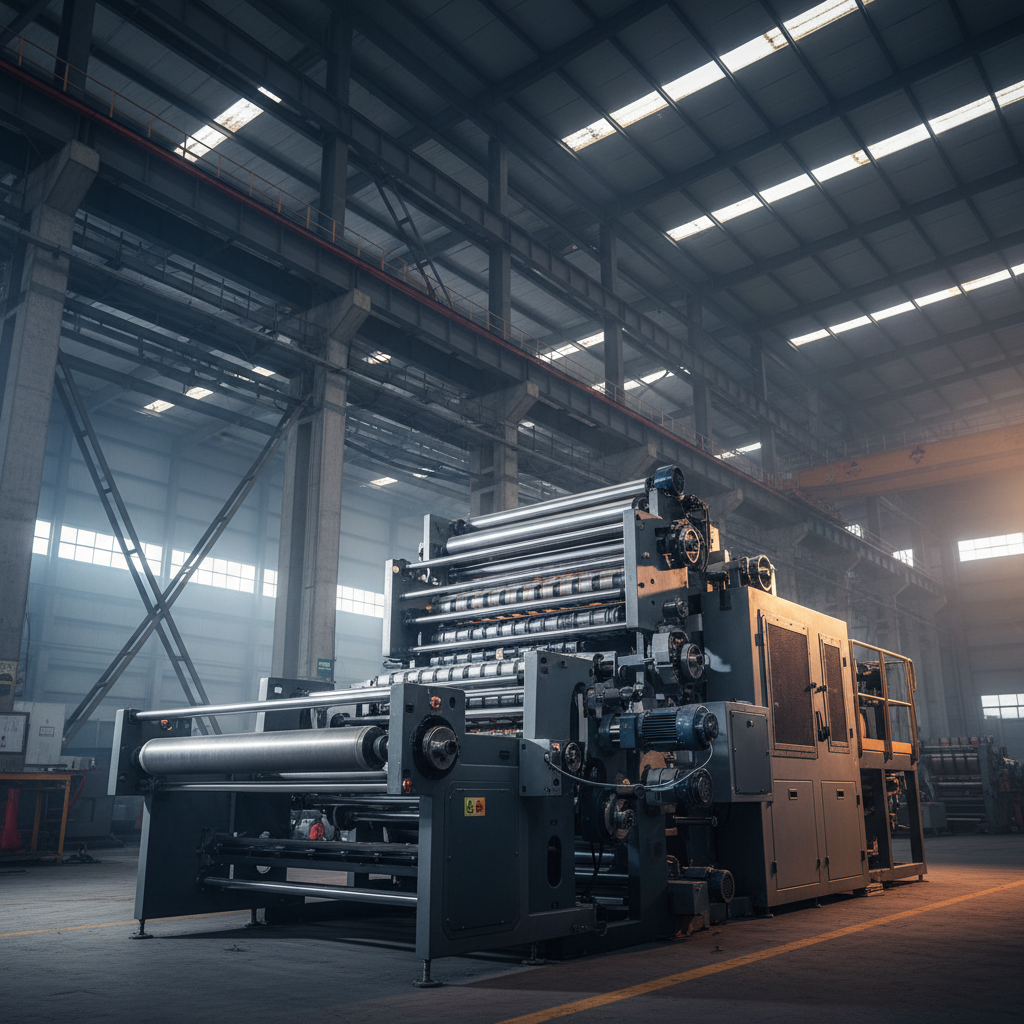
The paper pleating machine is a specialized industrial tool designed to create consistent and precise pleats in various paper types and, increasingly, other materials like non-woven fabrics. These pleats aren’t merely aesthetic; they dramatically increase the surface area within a given volume, making them crucial in applications like air and liquid filtration. The core function is to enhance the effectiveness of these materials without increasing their overall size.
Modern paper pleating machines are increasingly sophisticated, incorporating automation, precise control systems, and advanced sensor technologies. These advancements contribute to improved production speeds, reduced material waste, and enhanced product quality. The evolution of these machines reflects the growing demands for efficient and reliable manufacturing in diverse industrial sectors.
Defining the Paper Pleating Machine
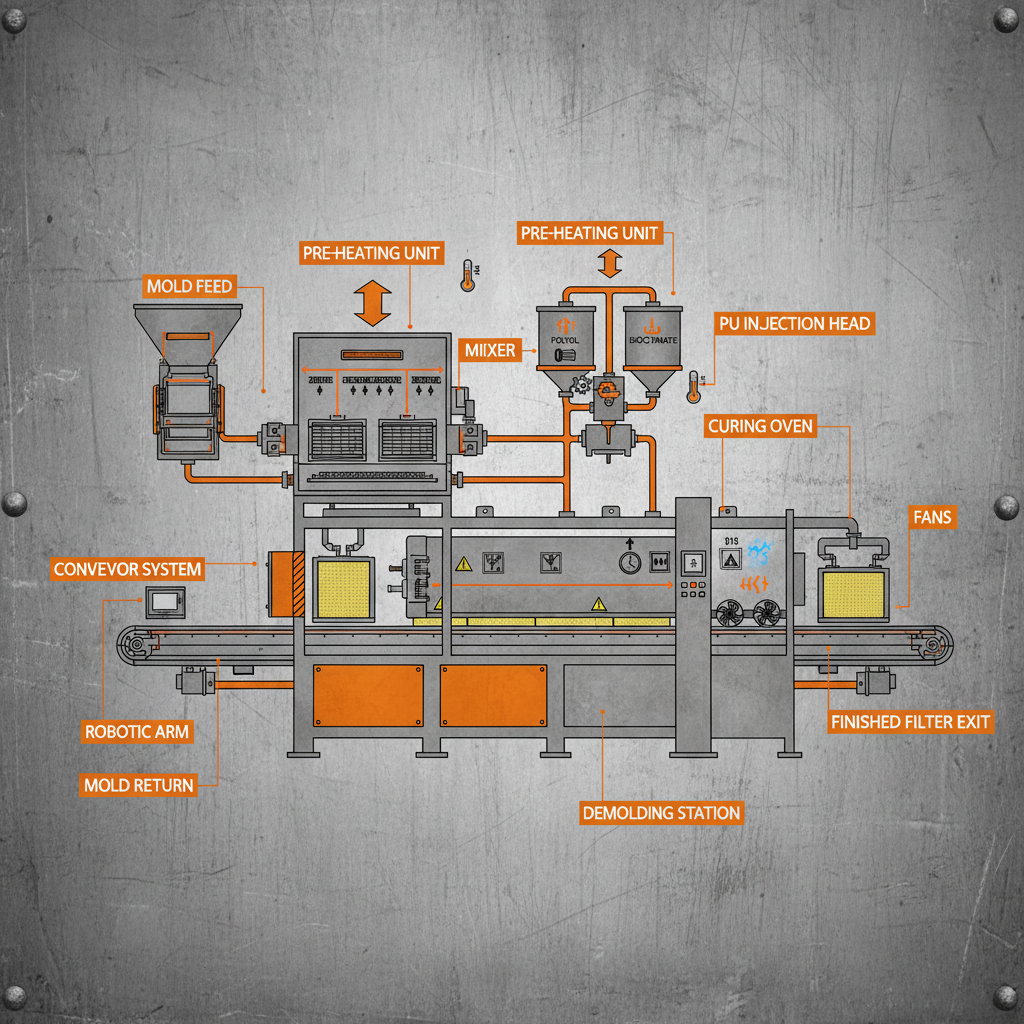
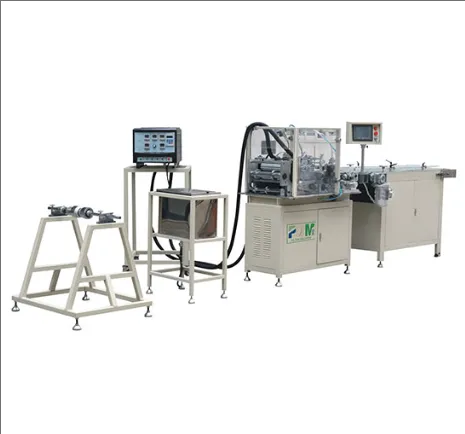
At its simplest, a paper pleating machine is an automated system that folds paper into a series of regularly spaced pleats. However, the modern machine is far more complex. It consists of several key components: a feeding mechanism to deliver the paper, a pleating structure to form the folds, a drive system to power the process, and control systems to manage precision and consistency. The machine can be adapted to work with different paper weights, widths, and pleat depths.
The connection to modern industry is profound. Industries requiring high-performance filtration—such as HVAC, automotive, and medical—rely heavily on pleated filter media. Beyond filtration, the machine is vital for creating separators in battery technology, specialized packaging materials, and even components in certain aerospace applications. It’s a foundational technology for many critical processes.
The humanitarian applications of this technology, while less immediately apparent, are significant. Affordable and effective water filtration systems, utilizing pleated filter media produced by these machines, are crucial in providing access to clean drinking water in developing countries and disaster relief scenarios. The ability to mass-produce these filters efficiently is a key factor in addressing global health challenges.
Core Components and Operational Factors
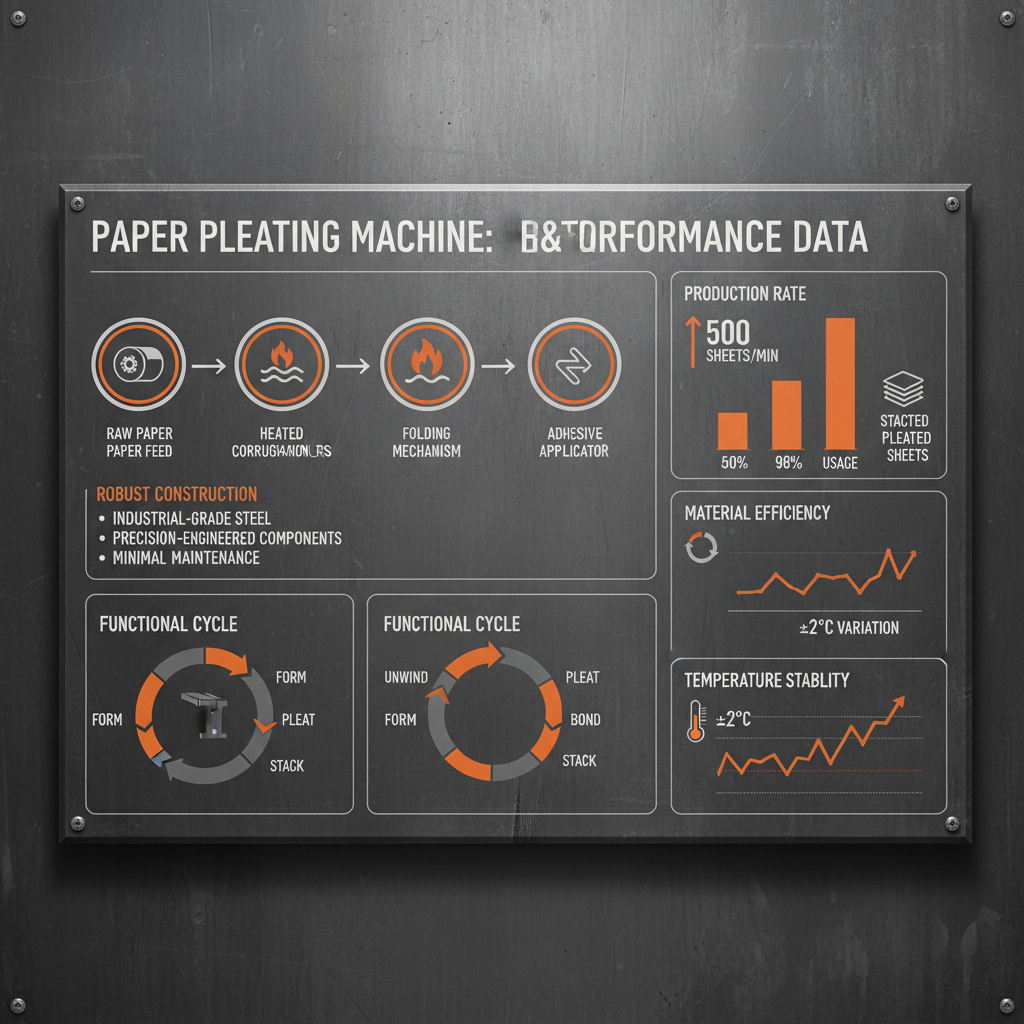
Several factors define the effectiveness of a paper pleating machine. Precision is paramount; consistent pleat depth and spacing are critical for filter performance. Speed is also key, as high-volume production is often essential. Material Compatibility – the machine’s ability to handle a range of paper weights and types – impacts its versatility.
Durability ensures a long operational life and reduced downtime. High-quality materials and robust construction are vital. Automation Level – from manual to fully automated – affects labor costs and production efficiency. Finally, Maintenance Requirements determine the long-term cost of ownership, with easier maintenance reducing operational disruptions and expenses.
These components directly influence practical applications. For instance, high-precision machines are essential for producing medical-grade filters, while high-speed machines are favored for mass production of HVAC filters. The ability to adapt to different materials is crucial for manufacturers producing a diverse range of products, while durable machines are preferred in environments with high production demands.
Key Performance Indicators of Paper Pleating Machine
Evaluating the performance of a paper pleating machine requires considering several key metrics. Pleat accuracy, measured in millimeters or inches, determines the consistency of the folds. Production speed, often expressed in meters per minute, indicates the machine’s throughput. Material waste, quantified as a percentage, reflects the efficiency of the process.
Additionally, the machine’s uptime, a percentage representing the time it’s operational versus downtime for maintenance or repairs, is a critical indicator of reliability. Energy consumption, measured in kilowatt-hours, impacts operational costs and environmental footprint. Finally, the maintenance frequency and cost determine the long-term economic viability of the machine.
Paper Pleating Machine Performance Metrics
Global Applications and Industry Impact
The paper pleating machine impacts a vast range of industries globally. In the automotive sector, it’s crucial for producing cabin air filters and engine air filters, improving vehicle performance and passenger health. In HVAC systems, pleated filters enhance air quality in buildings, reducing allergens and pollutants. The pharmaceutical industry utilizes them for sterile air filtration in manufacturing processes.
Regions with strong manufacturing bases, such as China, Germany, and the United States, are major consumers of these machines. Emerging economies, experiencing rapid industrialization, are also witnessing increased demand. Organizations involved in disaster relief, like the Red Cross and Doctors Without Borders, rely on filtration systems produced with these machines to provide clean water in emergency situations.
Specifically, in post-disaster relief operations in areas affected by natural disasters, portable water filtration systems utilizing pleated filters become essential for preventing waterborne diseases. In remote industrial zones, these machines enable localized filter production, reducing reliance on long supply chains and ensuring a consistent supply of critical filtration components.
Benefits and Long-Term Value Proposition
The tangible benefits of investing in a paper pleating machine are numerous. Cost savings are achieved through efficient material usage and reduced waste. Sustainability is enhanced by minimizing environmental impact and enabling the production of eco-friendly filters. The reliability of these machines ensures consistent production and minimizes downtime, contributing to increased profitability.
Beyond the practical advantages, there are emotional and logical benefits. Producing high-quality filters contributes to public health and safety. The innovation inherent in this technology fosters trust and confidence in manufactured products. Ultimately, a well-maintained and efficient paper pleating machine represents a strategic investment in a company’s future.
Future Trends and Technological Advancements
The future of paper pleating machine technology is likely to be shaped by several trends. Automation will continue to increase, with the integration of robotics and AI for self-optimization and predictive maintenance. The use of sustainable materials, such as bio-based polymers, will become more prevalent. Digitalization and the Industrial Internet of Things (IIoT) will enable real-time monitoring and remote control of machines, improving efficiency and reducing downtime.
The pursuit of energy efficiency and reduced carbon footprint will drive innovation in machine design and operation. Advancements in sensor technology will allow for more precise control of the pleating process, resulting in higher-quality filters. Furthermore, customization and flexible manufacturing will become increasingly important, enabling manufacturers to respond quickly to changing market demands.
These advancements align with broader global trends towards sustainability, digitalization, and automation, positioning the paper pleating machine as a key enabler of future manufacturing processes.
Challenges & Solutions
Despite the advancements, several challenges remain in the operation of paper pleating machines. One common issue is maintaining consistent pleat quality across varying paper types and thicknesses. This can be addressed through advanced control systems and automated adjustment features. Another challenge is the potential for material waste during setup and changeovers. Optimizing the machine’s feeding mechanism and implementing efficient cutting techniques can minimize waste.
Furthermore, the maintenance of complex automated machines can require specialized expertise. Implementing remote diagnostics and providing comprehensive training programs for operators can mitigate this challenge. Ensuring the long-term reliability of critical components through robust design and preventative maintenance schedules is also crucial.
Expert insights suggest that integrating machine learning algorithms can predict potential malfunctions and optimize performance parameters. Developing more versatile pleating heads that can handle a wider range of materials without requiring frequent adjustments will also be a significant step forward.
Frequently Asked Questions About Paper Pleating Machine
| Application |
Production Capacity |
Maintenance |
Cost Analysis |
| What industries commonly utilize a paper pleating machine? |
What is the typical production capacity of a modern paper pleating machine? |
How often does a paper pleating machine require routine maintenance? |
What are the key cost factors associated with owning and operating a paper pleating machine? |
| What types of paper and materials can be effectively pleated? |
Can the machine be adjusted to create different pleat sizes and depths? |
What safety features are typically integrated into a paper pleating machine? |
What is the expected lifespan of a well-maintained paper pleating machine? |
| How does automation impact the efficiency of the pleating process? |
What is the energy consumption of a typical paper pleating machine? |
What training is required for operators to effectively use the machine? |
How does the price of the machine vary based on features and capacity? |
| What are the environmental benefits of using pleated filters produced by this machine? |
How can the machine be integrated into existing production lines? |
What are the common troubleshooting steps for minor machine malfunctions? |
What is the return on investment (ROI) typically associated with this investment? |
| Are there different types of paper pleating machines available for specific applications? |
What are the latest technological advancements in paper pleating machine design? |
What warranty options are available for paper pleating machines? |
What financing options are typically available for purchasing this equipment? |
| How does the machine contribute to improved air or liquid filtration efficiency? |
What quality control measures are implemented during the pleating process? |
What are the common spare parts that require periodic replacement? |
What is the impact of the machine on overall production costs? |
FAQS
A paper pleating machine finds widespread application across various industries including HVAC (heating, ventilation, and air conditioning) for air filters, automotive for cabin and engine air filters, pharmaceutical for sterile filtration, and manufacturing for specialized packaging and separators. The ability to efficiently create pleated media, increasing surface area, makes it indispensable for these sectors.
The production capacity of a modern paper pleating machine varies greatly depending on its automation level, size, and the specific paper type. However, a typical machine can produce anywhere from 500 to several thousand pleated filters per hour. Higher-end, fully automated machines can achieve even greater throughput.
Routine maintenance for a paper pleating machine typically involves daily checks, weekly lubrication, and monthly inspections of key components. More extensive maintenance, such as replacing wear parts or calibrating sensors, is usually recommended every 6-12 months, depending on usage and operating conditions.
Key cost factors include the initial purchase price of the machine, installation costs, ongoing material costs (paper, adhesives), labor costs for operation and maintenance, energy consumption, and the cost of spare parts. Regular maintenance and preventative upkeep can help minimize long-term operating costs.
Yes, there are various types of paper pleating machines designed for different applications. Some machines are specialized for creating specific pleat patterns, while others are designed for handling different paper weights or materials. Some are fully automated, while others are semi-automatic or manual. Choosing the right machine depends on your specific needs.
A paper pleating machine significantly improves filtration efficiency by dramatically increasing the surface area of the filter media within a given volume. This allows for more contaminants to be captured, leading to cleaner air or liquid. The precise and consistent pleats also enhance the flow rate and reduce pressure drop.
Conclusion
In conclusion, the paper pleating machine is a pivotal technology underpinning numerous industries, offering a potent combination of efficiency, sustainability, and performance. Its ability to optimize material usage, enhance filtration capabilities, and adapt to diverse applications makes it a crucial component in modern manufacturing processes. From safeguarding air quality to supporting humanitarian efforts, the impact of this machine is both broad and significant.
Looking ahead, continuous innovation in automation, materials science, and digitalization will further enhance the capabilities of paper pleating machines. Investing in this technology isn’t merely acquiring a piece of equipment; it’s securing a strategic advantage in a rapidly evolving global landscape. For further information and to explore our range of paper pleating machines, visit our website today.