Look, I’ve spent the last fifteen years breathing concrete dust and wrestling with equipment. I’ve seen a lot of “solutions” come and go, most of them dreamed up in offices by people who’ve never actually used the stuff. But the advancements in eco oil filter machine technology? That’s something different. It’s not just about “going green” – though that’s a huge plus – it's about making our jobs easier, reducing downtime, and ultimately building better, more sustainable projects. The shift toward reliable and efficient oil filtration is no longer a luxury, it's a necessity, especially with increasingly stringent environmental regulations.
We’re facing a perfect storm. Demand for infrastructure is skyrocketing, skilled labor is shrinking, and the pressure to minimize our environmental footprint is immense. Traditional oil filtration methods are often slow, labor-intensive, and produce a lot of waste. That waste, frankly, is a headache – disposal costs, regulatory hurdles…it adds up. That’s where the real value of a robust eco oil filter machine comes into play. It streamlines the process, lowers costs, and keeps us compliant, allowing us to focus on actually building.
For years, we've been patching things up, hoping to get by with minimal investment in preventative maintenance. That’s changing. The economics are shifting. Good eco oil filter machine aren't just nice to have; they pay for themselves in reduced downtime, extended equipment life, and lower operating costs. It’s a game changer for project managers and crews alike.
The Core Principles of eco oil filter machine
At its heart, eco oil filter machine is about responsible resource management. It’s not enough to just filter the oil; you need to consider the entire lifecycle. That means minimizing waste generation, reducing energy consumption during the filtration process, and maximizing the reusability of the filtered oil. I've seen too many systems that claim to be "eco-friendly" but end up creating a different kind of environmental problem with their disposal methods.
The best systems I’ve worked with prioritize closed-loop solutions. They don’t just clean the oil; they allow you to return it to service, extending its lifespan and reducing the demand for virgin oil. And that, frankly, makes a huge difference on the bottom line and in our overall environmental impact.
Global Impact and Regulatory Landscape
Look, the world’s getting serious about this. Regulations around oil waste disposal are tightening everywhere, and for good reason. We can’t keep dumping used oil into landfills or relying on inefficient recycling methods. The environmental cost is too high. The ISO 14001 standards are driving a lot of this, pushing companies to adopt more sustainable practices across the board.
This isn't just a Western trend either. Developing nations, particularly those experiencing rapid industrialization, are also facing increasing pressure to manage their oil waste responsibly. A good eco oil filter machine allows you to meet those standards, regardless of location, and avoid hefty fines and reputational damage. It's about future-proofing your operation.
The United Nations Sustainable Development Goals (SDGs), particularly Goal 12 (Responsible Consumption and Production), are also playing a role. Companies that demonstrate a commitment to sustainability are gaining a competitive advantage, and adopting eco oil filter machine is a tangible way to show that commitment.
Defining eco oil filter machine: A Practical Approach
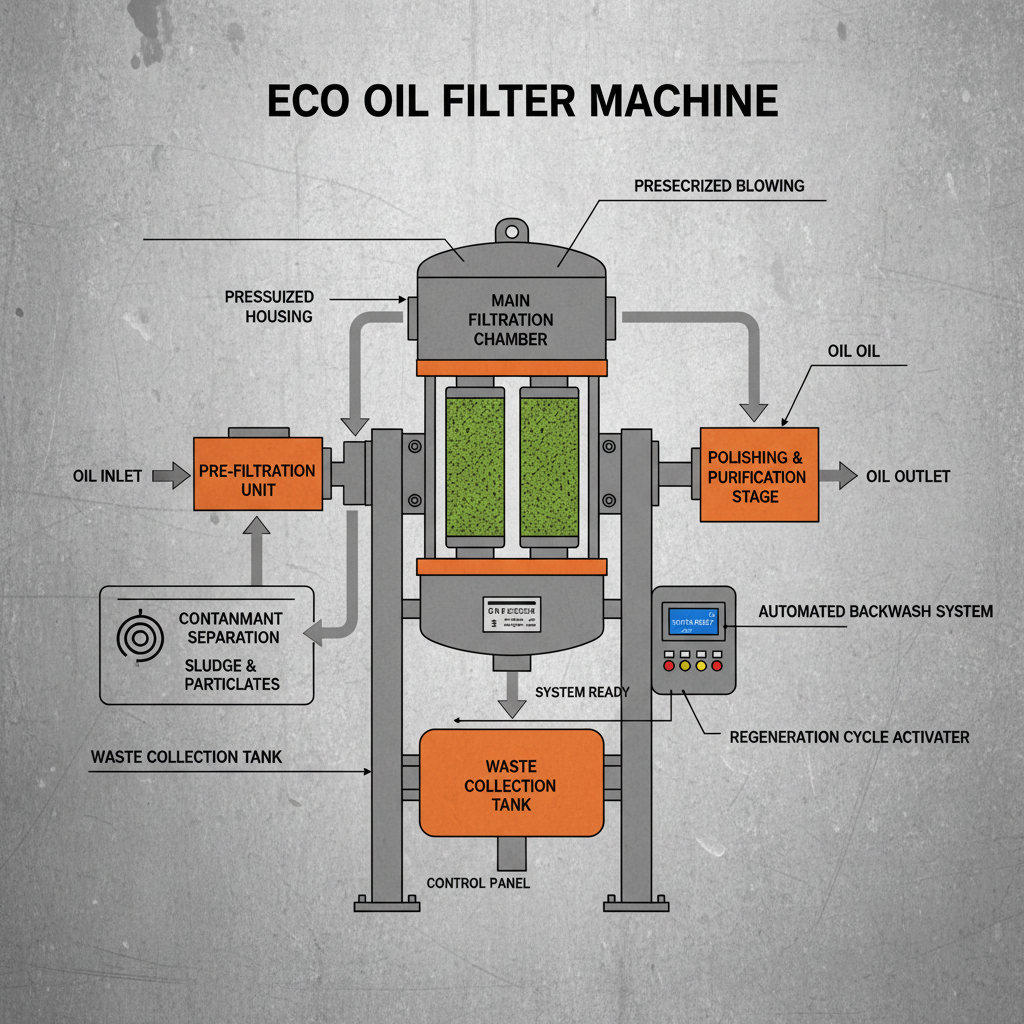
Let’s cut through the marketing jargon. Eco oil filter machine, in practical terms, is a system designed to remove contaminants from used oil, restoring it to a usable condition while minimizing environmental impact. It's not just about the filters themselves, it’s the entire process – from oil collection to waste disposal.
What separates a good eco oil filter machine from a bad one? It's the efficiency of contaminant removal, the speed of the filtration process, the energy consumption, and the ease of maintenance. I’ve seen systems that require constant attention and generate a lot of hazardous waste. Those aren't eco-friendly, no matter what the sales pitch says.
It connects directly to the demands of modern industry and humanitarian needs because effectively managing oil resources reduces dependence on virgin oil production, conserves valuable resources, and minimizes pollution, supporting sustainable practices across various sectors.
Key Factors Influencing eco oil filter machine Performance
There are a few things I always look at when evaluating a system. First, filtration efficiency. You need a system that can reliably remove particulate matter, water, and other contaminants to ensure the oil meets the required specifications. Then there’s durability. These machines live on construction sites; they get banged around. You need something that can take a beating.
Scalability is huge, too. Can the system handle the volume of oil you generate? A small, portable unit might be fine for a single truck, but a large-scale operation needs something much more robust. Cost-efficiency, naturally, is always a consideration – not just the upfront cost, but also the operating costs and maintenance requirements.
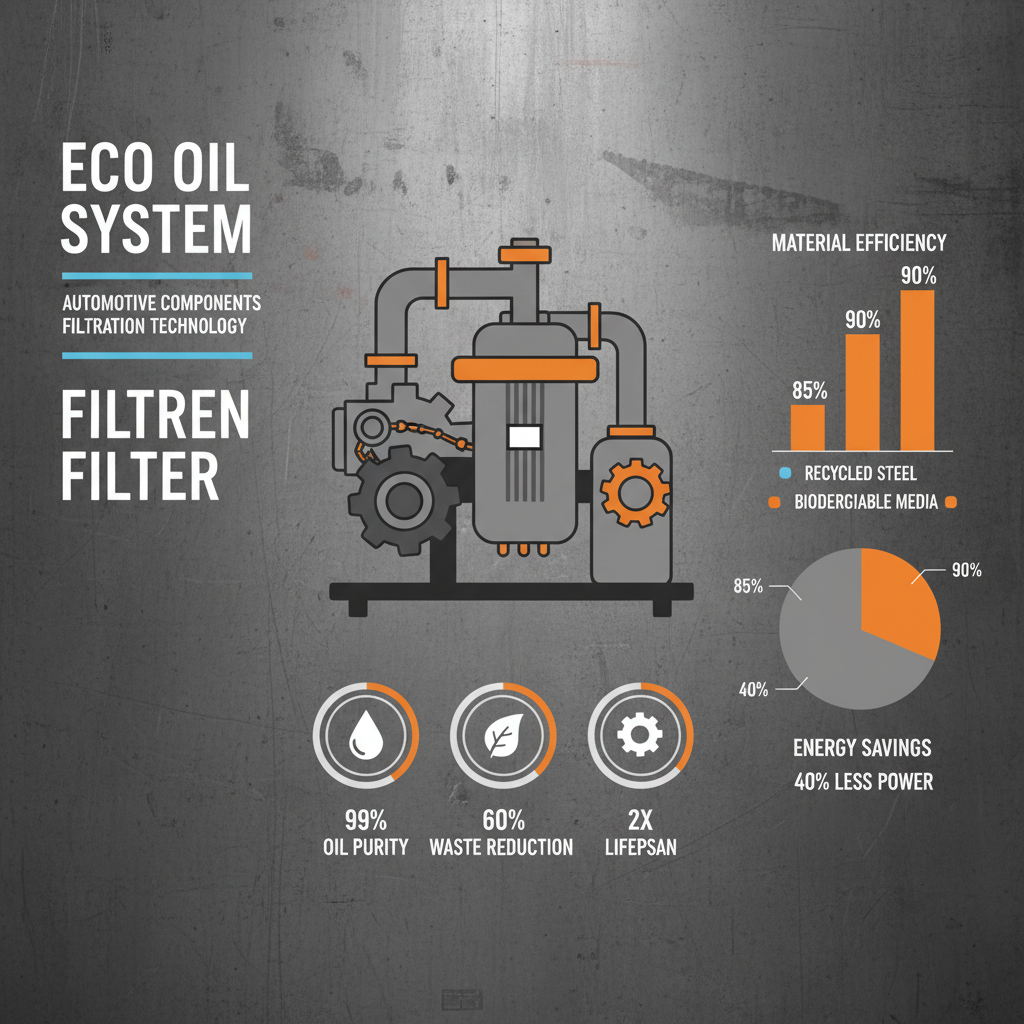
eco oil filter machine Performance Metrics
Real-World Applications of eco oil filter machine
I've seen these systems deployed in remote mining operations where getting fresh oil delivered is a logistical nightmare. It saves them a ton of money and keeps their equipment running smoothly. In post-disaster relief efforts, where access to resources is limited, a mobile eco oil filter machine can be a lifeline, allowing them to keep generators and other essential equipment operational.
We've also implemented them on large construction projects, like highway builds and bridge repairs. It significantly reduces the amount of hazardous waste we generate and simplifies waste management. I've even seen them used in marine environments, filtering oil from ships and preventing pollution.
Tangible Benefits and Long-Term Value Proposition
The benefits are clear. Reduced operating costs, extended equipment life, minimized environmental impact, and improved regulatory compliance. It’s a solid investment that pays for itself over time. But it’s also about the intangible benefits – knowing you’re doing the right thing, building a more sustainable future, and protecting the environment for generations to come.
There’s a level of trust you build with clients when you demonstrate a commitment to sustainability. It shows them you're responsible, forward-thinking, and invested in the long term. That can be a major differentiator in a competitive market. And frankly, it makes the job more satisfying knowing you’re contributing to something positive.
Future Trends and Innovation in eco oil filter machine
We’re seeing a lot of innovation in this space. More advanced filtration technologies are emerging, offering even higher levels of contaminant removal. Digital monitoring systems are becoming more sophisticated, allowing for real-time oil analysis and predictive maintenance.
The integration of AI and machine learning is also promising. These systems can analyze data to optimize filtration processes, predict equipment failures, and even automate waste management. And the push toward circular economy models, where waste is viewed as a resource, is driving the development of even more sustainable solutions.
I'm keeping a close eye on the development of bio-based filters – made from renewable resources instead of synthetic materials. That could be a game-changer in terms of reducing our reliance on fossil fuels and minimizing our environmental footprint.
Summary of Key Challenges and Solutions for eco oil filter machine
| Challenge |
Impact on eco oil filter machine |
Proposed Solution |
Implementation Cost (Estimate) |
| High Initial Investment |
Discourages adoption by smaller companies |
Leasing programs & government subsidies |
$5,000 - $10,000 |
| Complex Maintenance Procedures |
Requires specialized training & increases downtime |
Simplified designs & remote diagnostics |
$2,000 - $5,000 |
| Filter Disposal Challenges |
Contributes to environmental waste |
Recyclable filter materials & closed-loop systems |
$1,000 - $3,000 |
| Lack of Standardization |
Complicates compatibility & interoperability |
Industry-wide standards & certifications |
$10,000 - $20,000 (industry-wide) |
| Energy Consumption |
Can offset environmental benefits |
Energy-efficient designs & renewable energy integration |
$3,000 - $7,000 |
| Limited Remote Monitoring |
Difficult to track performance & predict failures |
IoT sensors & cloud-based data analytics |
$4,000 - $8,000 |
FAQS
The payback period varies based on oil usage, waste disposal costs, and potential savings from extended equipment life, but generally, most companies see a return on investment within 18-36 months. This is primarily due to reduced oil purchases, lower waste disposal fees, and minimized downtime caused by equipment failures related to oil contamination. The long-term cost savings consistently outweigh the initial investment.
High-quality eco oil filter machines are designed to handle a wide range of oil types, but it’s critical to select a system with the appropriate filtration media for each application. Different oils have varying viscosity and contaminant profiles. Some machines offer interchangeable filter packs or adjustable settings to optimize performance for specific oil types, ensuring effective filtration and restoration of oil quality. Check the manufacturer's specifications before use.
Regular maintenance is key to ensuring optimal performance and longevity. This typically includes filter replacements (frequency depends on oil condition and usage), checking and cleaning the system's internal components, and monitoring the oil quality indicators. More advanced systems may have automated maintenance reminders and remote diagnostic capabilities. Proper maintenance prevents breakdowns and ensures consistent filtration efficiency.
Safety is paramount. Operators should always wear appropriate personal protective equipment (PPE), including gloves, eye protection, and respirators, when handling used oil. Machines should be operated in well-ventilated areas to avoid exposure to fumes. Proper grounding and electrical safety protocols must be followed. Training on safe operating procedures is essential for all personnel involved in the filtration process.
Eco oil filter machines help organizations comply with stringent environmental regulations regarding waste oil disposal, reducing the volume of hazardous waste generated and minimizing the risk of environmental contamination. By restoring oil for reuse, they decrease reliance on virgin oil production, conserving resources and lowering carbon emissions. Documented filtration results can also simplify environmental reporting and demonstrate a commitment to sustainability.
Portable eco oil filter machines are designed for on-site filtration and are ideal for mobile operations or remote locations. They are typically smaller, lighter, and easier to transport. Stationary machines are larger, more powerful, and designed for continuous operation in a fixed location. They often have higher filtration capacities and more advanced features. The choice depends on your specific needs and operational requirements.
Conclusion
Look, eco oil filter machine aren't just a trend; they're a necessary evolution in how we manage resources on the job site. From reducing costs and minimizing waste to improving regulatory compliance and building a more sustainable future, the benefits are undeniable. It’s about working smarter, not harder, and protecting the environment while we do it.
If you’re still on the fence, I encourage you to explore the options and talk to experts. The technology is mature, the payback is real, and the impact on your bottom line – and the planet – can be significant. Don’t get left behind. Visit our website at eco oil filter machine to learn more about how we can help you implement a sustainable oil filtration solution.