Truck air filter machines are critical components in maintaining the performance and longevity of heavy-duty vehicles. These machines aren't just about keeping engines running; they represent a significant investment in operational efficiency, reduced downtime, and environmental responsibility. Understanding the nuances of these systems is vital for fleet managers, mechanics, and anyone involved in the transportation industry, as advancements directly impact costs and sustainability efforts.
The global demand for robust and reliable truck air filter machines is escalating, fueled by the ever-increasing volume of freight transportation worldwide. According to the United Nations Conference on Trade and Development (UNCTAD), over 80% of global trade is carried by sea, with trucks playing a crucial role in inland transportation. This necessitates a continuous supply of effective air filtration systems to ensure uninterrupted logistics. The need for cleaner air also drives innovation and adoption of more advanced filtration technologies.
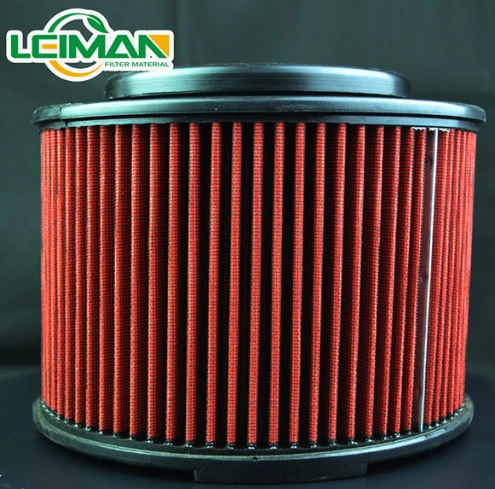
Essentially, truck air filter machines are specialized equipment designed to manufacture filters used in commercial vehicles. These filters remove particulate matter and contaminants from the air entering the engine, protecting vital components from wear and tear. They directly contribute to improved fuel efficiency, reduced emissions, and prolonged engine life. Modern truck air filter machines leverage automation and precision engineering to meet the stringent quality standards demanded by the industry.
Introduction to truck air filter machines
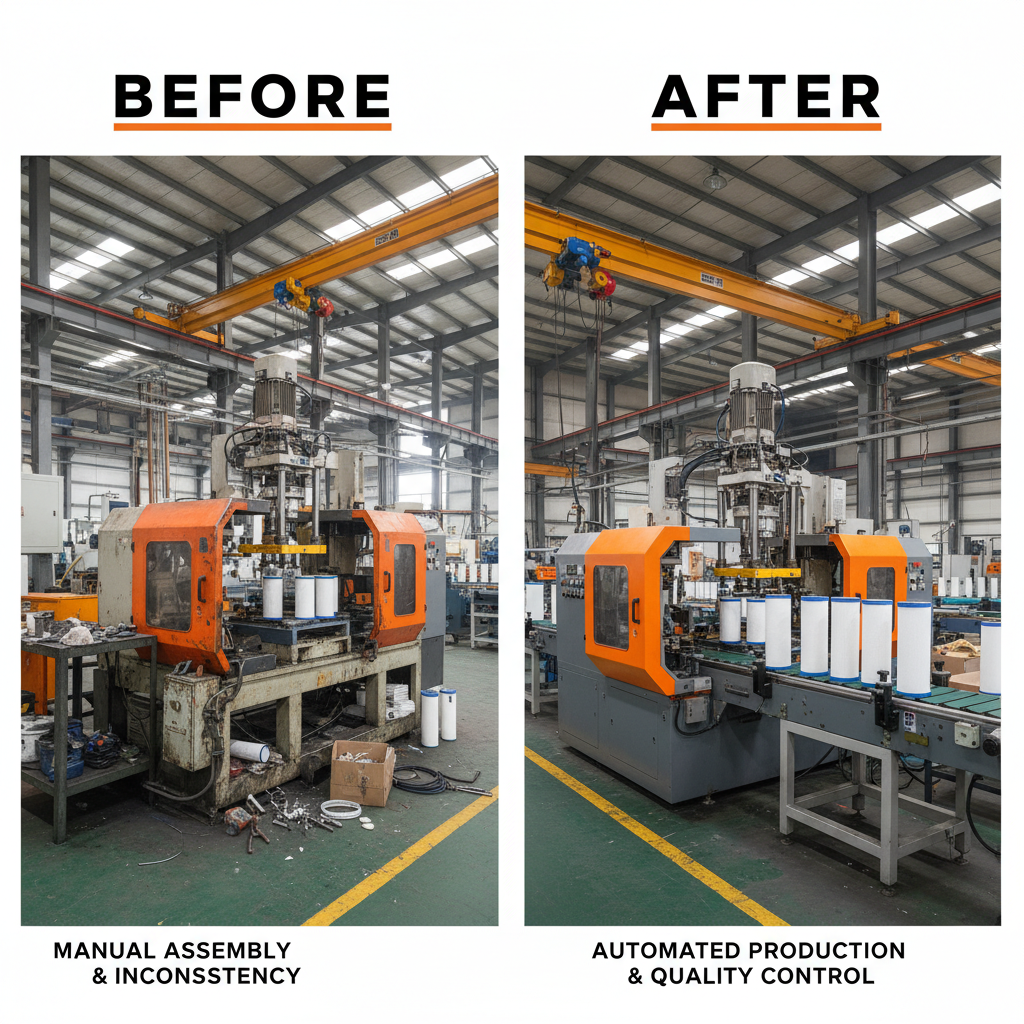
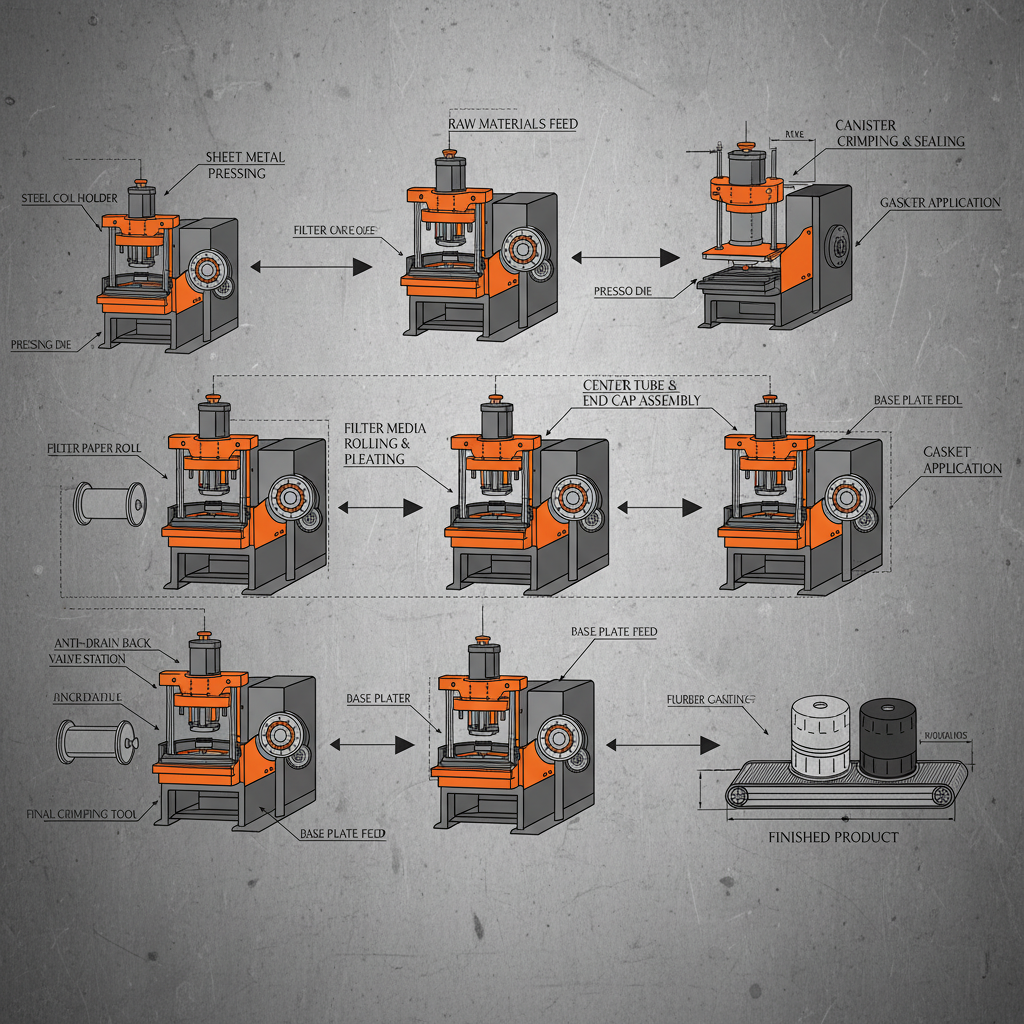
The manufacture of truck air filters is a complex process, requiring precision engineering and adherence to strict quality control standards. truck air filter machines are designed to automate many aspects of this process, increasing production efficiency and reducing labor costs. These machines are essential for companies seeking to meet the growing demand for high-quality air filtration solutions.
Investing in advanced truck air filter machines is more than just upgrading equipment; it's a strategic move towards bolstering a company’s competitive edge and ensuring long-term sustainability in a demanding industry.
Global Relevance and Industry Impact
The trucking industry is a cornerstone of global commerce, facilitating the movement of goods across vast distances. This constant operation places immense strain on vehicle components, particularly the air intake system. Air filters play a pivotal role in protecting engines from abrasive particles and contaminants, ultimately impacting vehicle uptime and overall transportation costs. The global market for commercial vehicle air filters is projected to continue its growth trajectory, driven by factors like stricter emission regulations and the increasing demand for fuel efficiency.
Furthermore, the rise of e-commerce has further amplified the need for reliable and efficient trucking fleets. Increased delivery demands translate directly to greater wear and tear on vehicles, emphasizing the importance of proactively maintaining and replacing air filters. truck air filter machines are at the heart of meeting this increased demand.
The ISO 9001 standard is commonly applied to manufacturers of truck air filter machines, ensuring that they maintain consistent quality management systems. This focus on quality is paramount, as defective filters can lead to catastrophic engine failures and significant operational disruptions.
Defining truck air filter machines
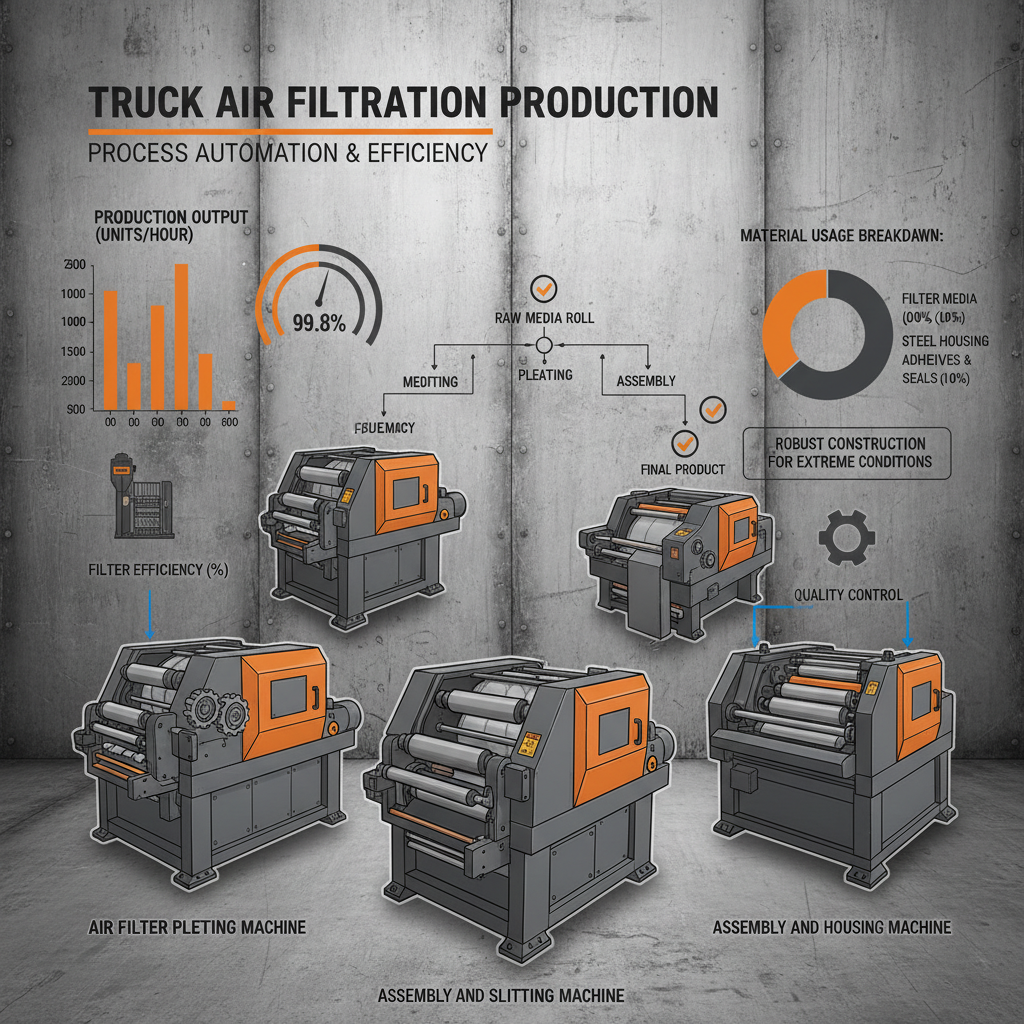
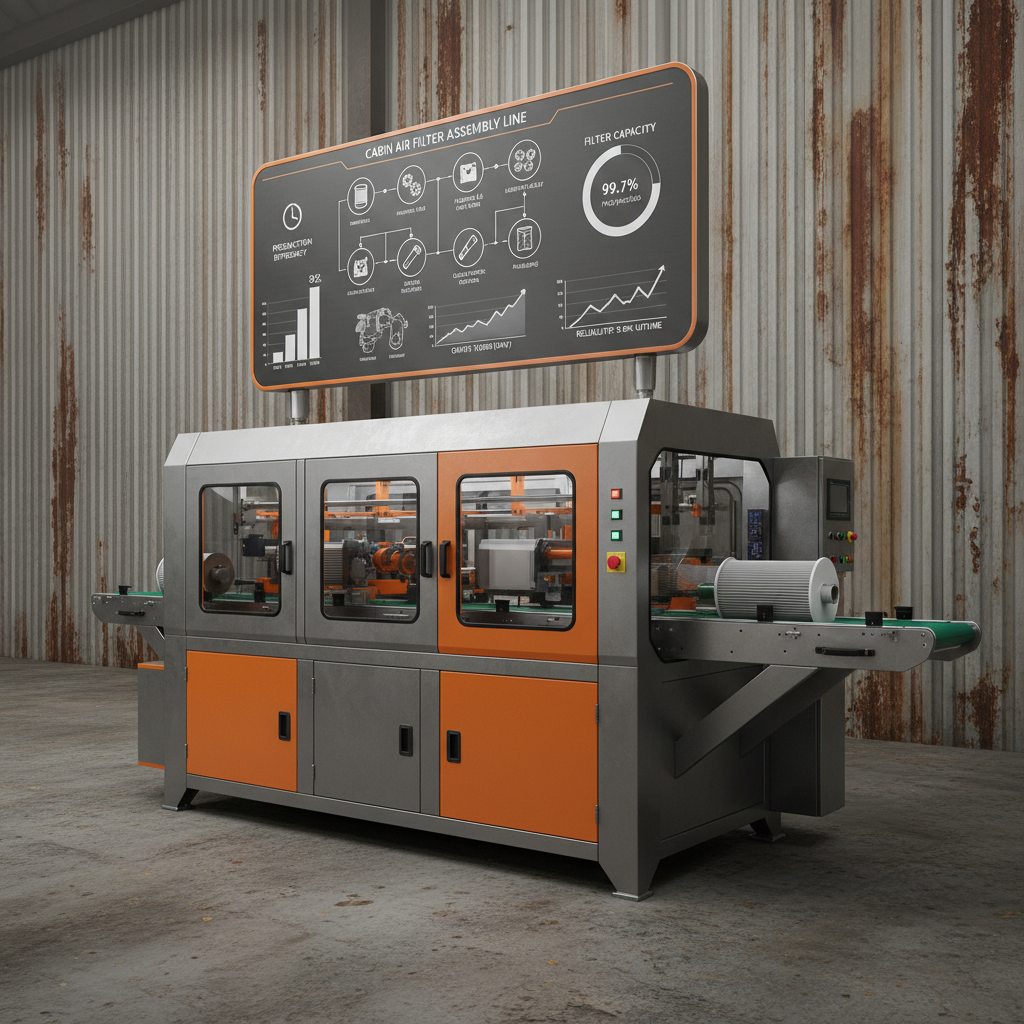
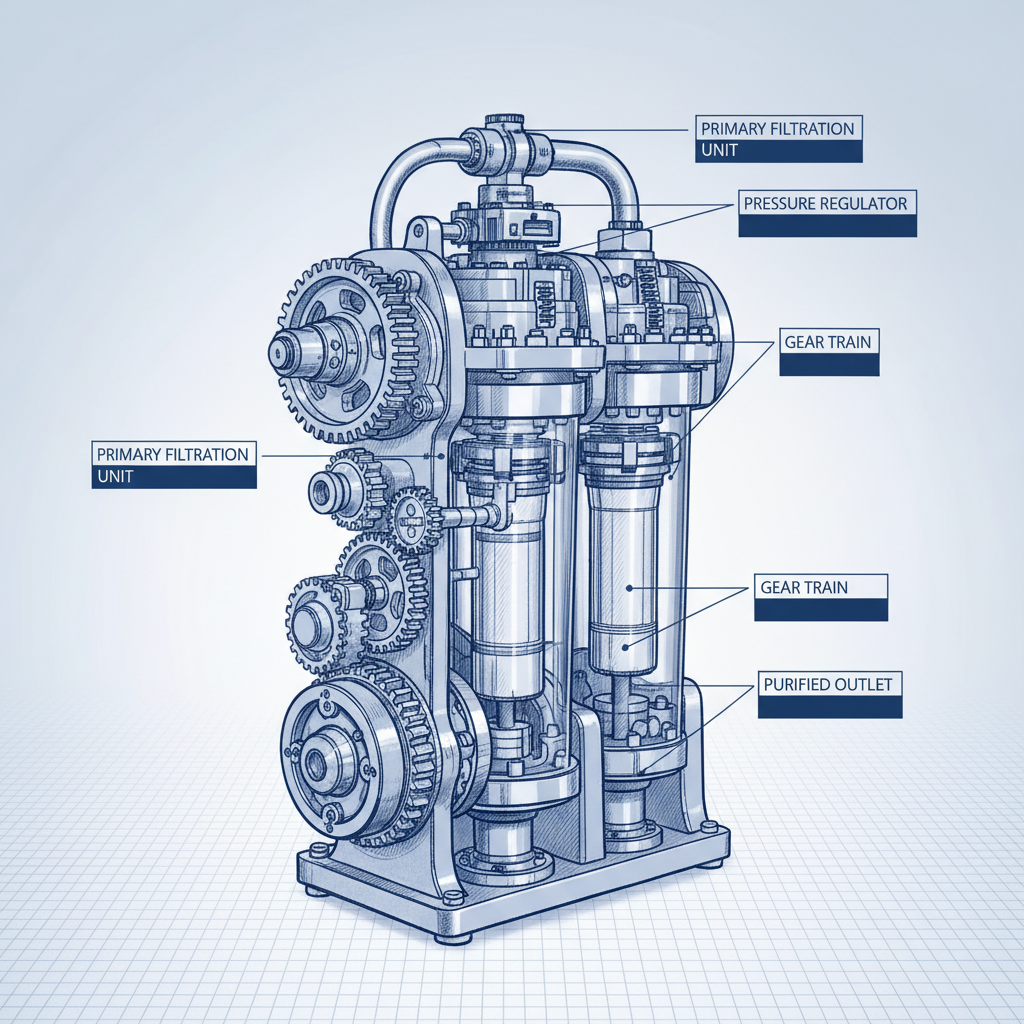
Truck air filter machines are automated or semi-automated systems used in the mass production of air filters designed for commercial vehicles. These machines typically perform a range of functions, including media pleating, frame assembly, sealing, and quality control. They come in varying degrees of complexity, from basic models suitable for smaller operations to highly sophisticated, fully automated lines capable of producing thousands of filters per hour.
The connection to modern industry stems from the increasing demand for precision, efficiency, and scalability in manufacturing. As the trucking industry grows and becomes more reliant on technology, the need for consistently high-quality air filters rises. Truck air filter machines enable manufacturers to meet this need reliably and cost-effectively.
These machines aren’t just about manufacturing a component; they’re about supporting a vital infrastructure. They are directly linked to ensuring the smooth flow of goods, contributing to economic growth and stability. Their impact extends to humanitarian efforts, ensuring the reliable delivery of aid and supplies in challenging environments.
Key Factors in truck air filter machine Design
Durability is paramount in the design of truck air filter machines. These machines operate in demanding industrial environments and must withstand continuous use and exposure to various contaminants. Robust construction, high-quality materials, and regular maintenance are all crucial for ensuring longevity.
Scalability is another critical factor. Manufacturers need machines that can adapt to changing production volumes. Modular designs and flexible configurations allow for easy expansion and customization to meet evolving market demands.
truck air filter machines Performance Metrics
Global Applications and Use Cases
truck air filter machines are employed in manufacturing facilities across the globe, from large-scale operations in China and Germany to smaller, specialized plants in North America and Brazil. The automotive industry, naturally, is a primary consumer, but other sectors like construction, mining, and agriculture also rely heavily on these machines to produce filters for their respective fleets.
In remote industrial zones where access to replacement filters can be limited, having efficient local manufacturing capabilities is invaluable. These machines allow for on-demand production, minimizing downtime and ensuring continuous operation. Similarly, in post-disaster relief operations, mobile truck air filter machines can provide a crucial supply of filters for emergency vehicles and aid delivery trucks.
Furthermore, companies are increasingly integrating these machines into their overall supply chain management systems, leveraging data analytics to optimize production schedules, track inventory levels, and predict maintenance needs.
Advantages and Long-Term Value
The advantages of investing in advanced truck air filter machines are multifaceted. Cost efficiency is a major driver, as automated production significantly reduces labor costs and minimizes material waste. Increased throughput and improved product quality further contribute to profitability.
From a sustainability perspective, these machines enable the production of more efficient air filters, which translate to reduced fuel consumption and lower emissions from commercial vehicles. This aligns with growing environmental concerns and increasingly stringent regulations. The reliability of these machines minimizes disruptions and ensures a consistent supply of crucial components.
Future Trends and Innovations
The future of truck air filter machines is closely linked to advancements in materials science, automation, and digital technologies. We can anticipate the development of machines capable of producing filters with even greater efficiency and precision, utilizing innovative materials like nanofiber media to enhance filtration performance.
Digitalization will play a key role, with machines incorporating sensors, data analytics, and predictive maintenance capabilities. This will allow for real-time monitoring of performance, proactive identification of potential issues, and optimized production schedules. The integration of artificial intelligence (AI) and machine learning (ML) algorithms will further enhance automation and optimize resource utilization.
Challenges and Solutions
One common challenge in operating truck air filter machines is maintaining consistent quality across different production runs. Variations in raw materials, machine calibration, and operator skill can lead to inconsistencies in filter performance. Implementing robust quality control systems, including automated inspection technologies and regular calibration procedures, is essential for addressing this challenge.
Another limitation is the initial investment cost of advanced machines. However, this cost can be offset by the long-term benefits of increased efficiency, reduced labor costs, and improved product quality. Exploring financing options and prioritizing machines with flexible configurations can help mitigate this barrier.
Finally, ensuring operator training and providing ongoing technical support are crucial for maximizing machine uptime and optimizing performance. Investing in comprehensive training programs and establishing strong relationships with machine suppliers can help overcome this challenge.
Key Performance Indicators for truck air filter machines
| Production Throughput |
Filter Quality (Defect Rate) |
Operational Efficiency (Uptime) |
Material Waste Reduction |
| Filters Produced per Hour |
Percentage of Defective Filters |
Average Hours of Operation per Week |
Percentage of Material Recycled |
| 1500 |
0.5% |
40 |
15% |
| 1800 |
0.3% |
45 |
20% |
| 1200 |
0.8% |
35 |
10% |
| 2000 |
0.2% |
48 |
25% |
| 1600 |
0.6% |
42 |
18% |
FAQS
The payback period varies depending on production volume, existing labor costs, and filter selling price. However, most manufacturers experience a payback within 2-5 years due to significant reductions in labor expenses, material waste, and improved product quality. A detailed cost-benefit analysis, considering specific operational parameters, is recommended.
While modern machines are designed for ease of use, comprehensive operator training is crucial. Training typically covers machine setup, operation, basic maintenance, troubleshooting, and safety procedures. The duration of training depends on the complexity of the machine, ranging from a few days to several weeks.
Regular maintenance includes lubrication of moving parts, inspection and replacement of wear items (such as belts and filters), and calibration of sensors and control systems. Preventative maintenance schedules, as recommended by the manufacturer, are essential for maximizing uptime and extending machine life.
Safety is paramount. Operators should always wear appropriate personal protective equipment (PPE), including safety glasses, gloves, and hearing protection. Machines should be equipped with safety guards and emergency stop mechanisms. Proper lockout/tagout procedures should be followed during maintenance and repair activities.
Automation significantly enhances quality control through precise, repeatable processes. Automated inspection systems can detect defects that may be missed by manual inspection. Data logging and analysis capabilities allow for real-time monitoring of production parameters and identification of potential quality issues.
New filter media, such as nanofiber materials, require machines capable of handling these delicate materials without compromising their filtration efficiency. Machine designs are adapting to accommodate these new media, incorporating features like optimized pleating techniques and gentle handling mechanisms.
Conclusion
In conclusion, truck air filter machines represent a crucial link in the global supply chain, enabling the efficient and reliable production of essential components for the trucking industry. Their impact extends beyond mere manufacturing, contributing to improved fuel efficiency, reduced emissions, and enhanced vehicle uptime. The ongoing advancements in automation, materials science, and digital technologies are poised to further revolutionize this field.
Investing in truck air filter machines is a strategic move for any company seeking to maintain a competitive edge in the evolving transportation landscape. By embracing innovation and prioritizing quality, manufacturers can unlock significant long-term benefits and contribute to a more sustainable future. Visit our website at www.mfiltersolution.com to learn more about our range of cutting-edge solutions.