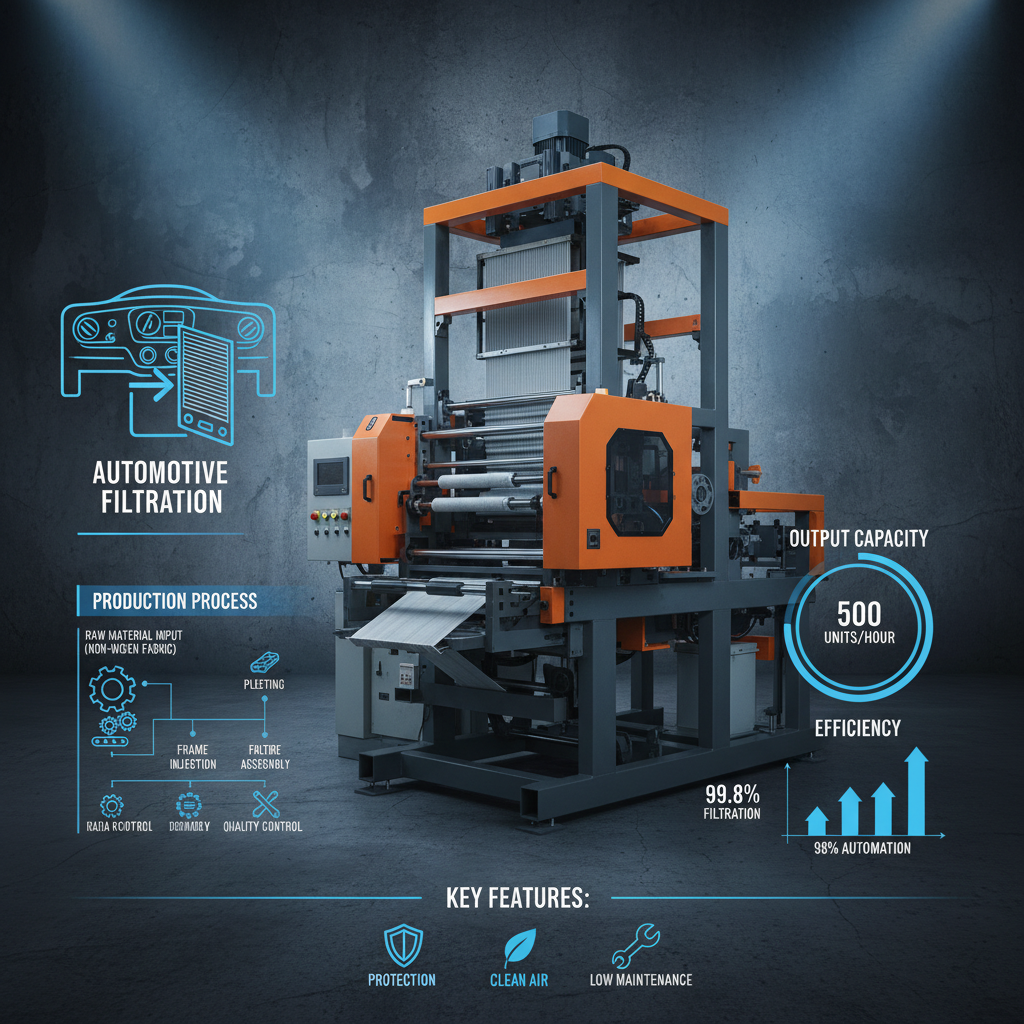
The demand for efficient and reliable purification systems is paramount in today’s world, impacting industries from pharmaceuticals and food & beverage to wastewater treatment and environmental monitoring. A filter machine stands as a cornerstone of these processes, offering solutions to remove contaminants and ensure product quality, safety, and environmental compliance. Its importance is increasing globally as resources become scarcer and regulations become more stringent, demanding innovative filtration technologies.
The global filtration market is experiencing substantial growth, projected to reach billions of dollars in the coming years. This growth is driven by factors like increasing industrialization, growing populations, and a heightened awareness of environmental issues. The filter machine is central to addressing challenges related to water scarcity, air pollution, and industrial waste, making it a critical component of sustainable development efforts worldwide.
Understanding the principles and applications of filter machines is crucial for professionals across various sectors. From selecting the appropriate filtration media to optimizing system performance, a strong knowledge base ensures efficiency, cost-effectiveness, and adherence to industry standards. The right filter machine contributes directly to improved process outcomes and a reduced environmental footprint.
The Significance of Filter Machine Technology
Filter machine technology is fundamentally about separating solids from fluids – a seemingly simple process that underpins countless industrial and environmental applications. Its effectiveness directly impacts the quality of end products, the efficiency of industrial processes, and the health of our ecosystems. Without sophisticated filter machine solutions, many critical processes would be impossible or unsustainable.
The demand for improved filtration solutions is being driven by increasingly stringent environmental regulations and a growing focus on sustainability. Industries are now actively seeking ways to minimize waste, conserve resources, and reduce their environmental impact, making advanced filter machine technology a vital component of their operations.
Defining Filter Machines: A Core Industrial Component
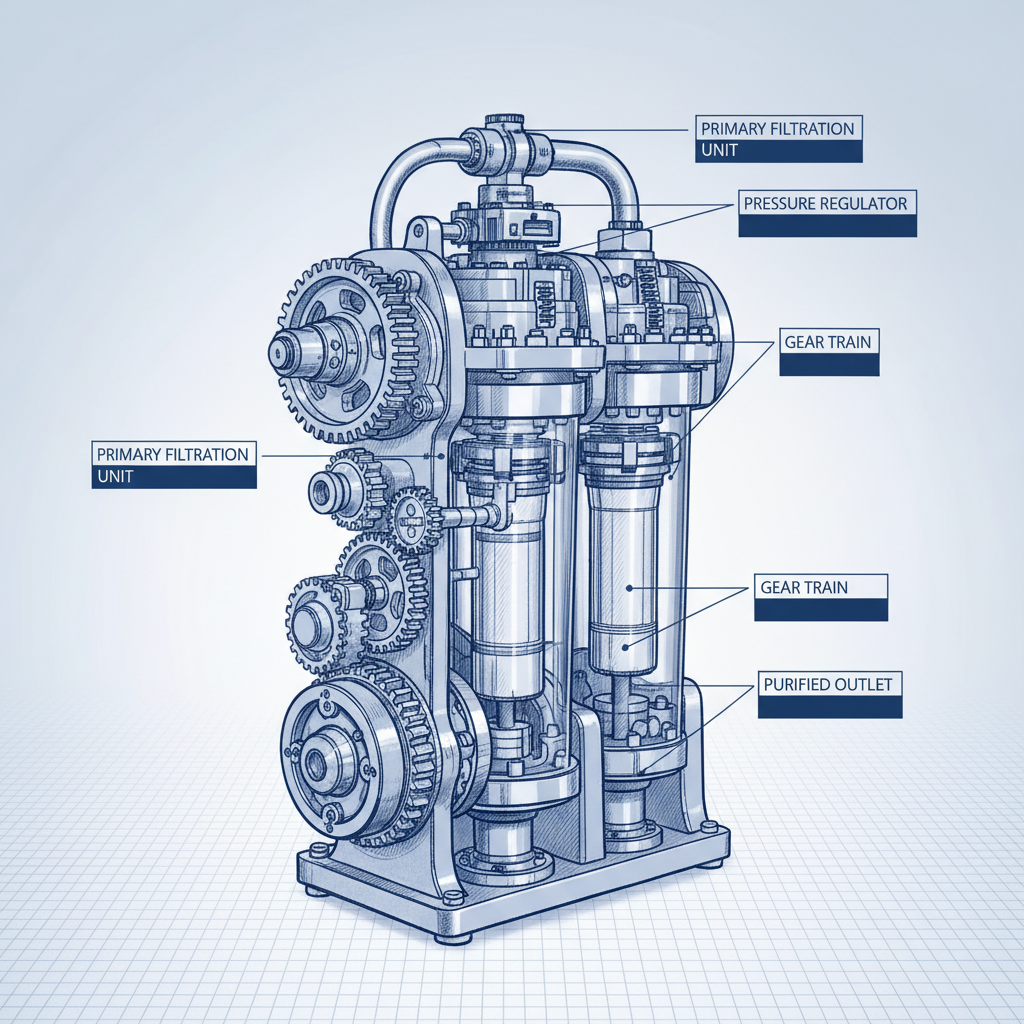
A filter machine, at its core, is an apparatus designed to separate solid particles from a fluid (liquid or gas). This separation is achieved by passing the fluid through a porous medium that retains the solid particles while allowing the fluid to pass through. The specific design of a filter machine varies widely depending on the application, the size and type of particles to be removed, and the flow rate of the fluid.
These machines are integral to numerous industries, from providing clean drinking water and ensuring pharmaceutical purity to refining oil and gas and controlling air pollution. The principle remains the same – separation – but the complexity and sophistication of the equipment can range from simple strainers to highly automated membrane filtration systems.
The connection to modern industry and humanitarian needs is profound. Clean water is a fundamental human right, and filter machines play a critical role in providing access to safe drinking water in both developed and developing countries. In industrial settings, they safeguard product quality, prevent equipment damage, and minimize environmental contamination.
Core Factors Influencing Filter Machine Performance
Several key factors determine the effectiveness and longevity of a filter machine. Firstly, the choice of filtration media – whether it's a woven fabric, a non-woven material, a membrane, or a granular bed – is crucial and dictates the particle size that can be effectively removed. Secondly, the flow rate and pressure drop across the filter must be carefully considered to optimize performance and prevent clogging.
Durability is another critical aspect. The materials used in construction must be resistant to corrosion, abrasion, and chemical attack, especially in harsh industrial environments. Scalability – the ability to adapt the filter machine to changing process requirements – is also essential for long-term viability. Cost efficiency, encompassing both initial investment and ongoing maintenance, is a significant consideration for any operation.
Finally, the ease of maintenance and cleaning plays a substantial role in overall efficiency. Regularly maintained filters operate at peak performance, reducing energy consumption and extending the lifespan of the equipment. A well-designed filter machine allows for quick and easy access for inspection, cleaning, and replacement of filter elements.
Key Performance Indicators in Filter Machine Application
Assessing the effectiveness of a filter machine requires monitoring specific Key Performance Indicators (KPIs). These indicators provide valuable insights into the system's efficiency, reliability, and overall performance. Regular tracking of these metrics allows for optimization and proactive maintenance.
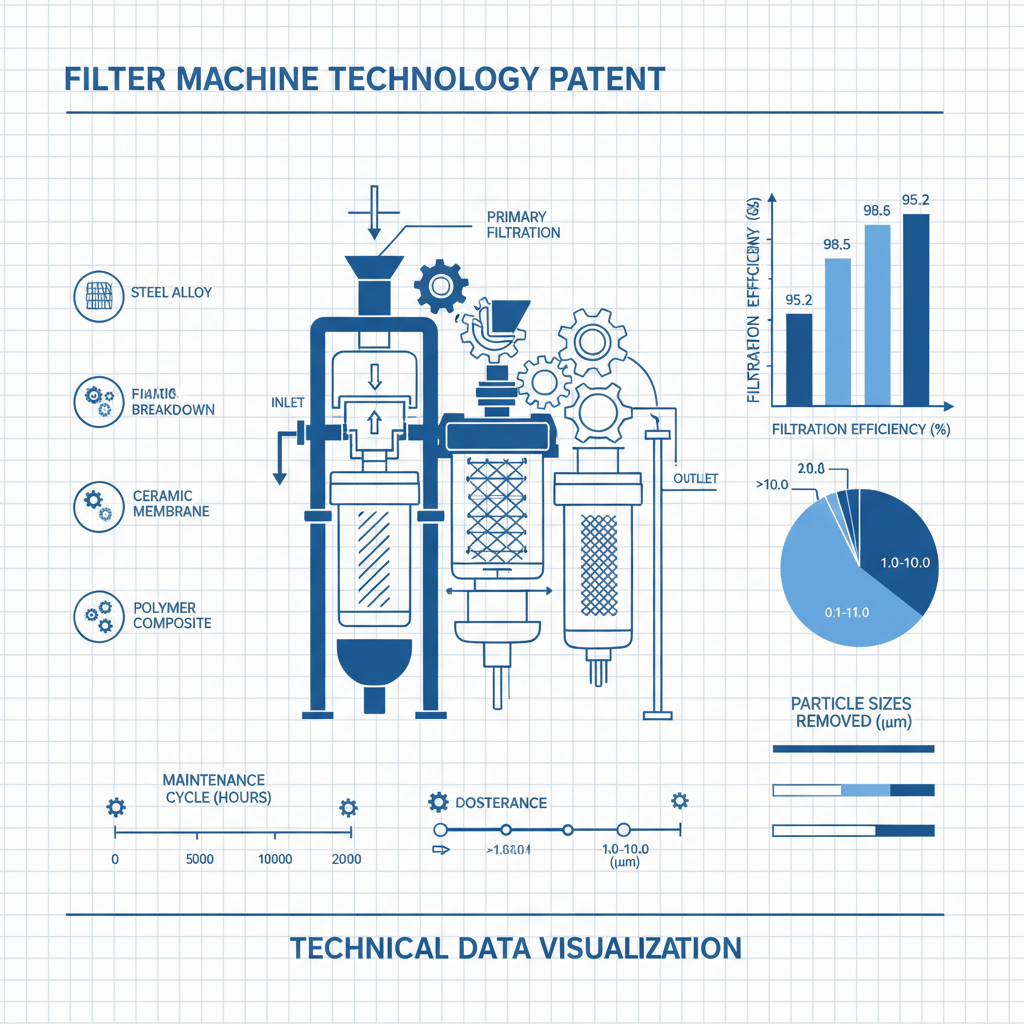
Key KPIs include filtration efficiency (the percentage of particles removed), pressure drop across the filter (indicating clogging), flow rate (measuring the volume of fluid processed), and filter lifespan (the time before replacement is needed). These metrics are all interlinked and provide a comprehensive picture of the filter machine’s operational health.
Filter Machine Performance by Method
Global Applications of the Filter Machine
The applications of filter machine are incredibly diverse, spanning across numerous industries and geographical regions. In the pharmaceutical industry, they are essential for sterile filtration and ensuring product purity. In the food and beverage sector, they are used to clarify liquids, remove contaminants, and extend shelf life.
In post-disaster relief operations, portable filter machine are crucial for providing access to safe drinking water to affected populations. In remote industrial zones, they are utilized for wastewater treatment and pollution control. The growing demand for clean energy is also driving innovation in filter machine technology for air purification and carbon capture.
Advantages and Long-Term Value of Filter Machine Technology
The advantages of implementing effective filter machine technology are substantial and extend beyond mere compliance with regulations. Tangible benefits include reduced operational costs through optimized processes, improved product quality leading to increased customer satisfaction, and enhanced sustainability through reduced waste and resource consumption.
Beyond these practical benefits, filter machines offer peace of mind – ensuring safety, protecting public health, and promoting a responsible approach to environmental stewardship. Investing in high-quality filter machine solutions is an investment in long-term reliability, innovation, and trust.
Future Trends and Innovations in Filter Machine Design
The future of filter machine technology is poised for significant advancements, driven by innovations in materials science, nanotechnology, and digital integration. The development of self-cleaning filters, automated monitoring systems, and predictive maintenance algorithms will further enhance efficiency and reduce downtime.
The integration of artificial intelligence (AI) and machine learning (ML) will allow for real-time optimization of filter performance based on data analysis and predictive modeling. Sustainable materials and energy-efficient designs are also becoming increasingly important, aligning with global efforts to reduce environmental impact.
Furthermore, advancements in membrane technology, particularly in areas like forward osmosis and membrane distillation, are opening up new possibilities for water purification and resource recovery. These emerging technologies promise to revolutionize the way we approach filtration challenges in the years to come.
Key Considerations for Future Filter Machine Development
| Filter Media Innovation |
Automation & Control |
Energy Efficiency |
Sustainability & Cost |
| Nanomaterial Integration (Rating: 8/10) |
AI-Powered Monitoring (Rating: 9/10) |
Reduced Backwash Frequency (Rating: 7/10) |
Lifecycle Cost Analysis (Rating: 8/10) |
| Biomimetic Filter Structures (Rating: 6/10) |
Remote Diagnostics & Control (Rating: 7/10) |
Optimized Pump Systems (Rating: 6/10) |
Biodegradable Filter Materials (Rating: 5/10) |
| Self-Healing Filter Membranes (Rating: 5/10) |
Predictive Maintenance Algorithms (Rating: 8/10) |
Low-Pressure Filtration Techniques (Rating: 7/10) |
Reduced Waste Generation (Rating: 9/10) |
| Graphene-Based Filtration (Rating: 7/10) |
Automated Backflushing Systems (Rating: 6/10) |
Heat Recovery Systems (Rating: 4/10) |
Modular Filter Designs (Rating: 7/10) |
| Smart Filter Coatings (Rating: 6/10) |
Digital Twin Technology (Rating: 5/10) |
Gravity-Fed Filtration Systems (Rating: 3/10) |
Recyclable Filter Components (Rating: 6/10) |
| Responsive Filter Materials (Rating: 4/10) |
Cloud-Based Data Analytics (Rating: 5/10) |
Optimized Filter Geometry (Rating: 4/10) |
Extended Filter Lifespan (Rating: 7/10) |
FAQS
Large-scale industrial filter machines typically require a scheduled maintenance program encompassing regular filter element replacement, system cleaning, pressure drop monitoring, and inspection of seals and connections. The frequency of these tasks depends on the operating conditions and the type of filter used. Proactive maintenance is key to preventing downtime and ensuring optimal performance. This ensures the filter machine continues to deliver efficient and reliable filtration.
Selecting the right filter media involves considering the particle size distribution, fluid properties, temperature, pressure, and chemical compatibility. You must identify the contaminants you need to remove and the desired level of filtration efficiency. Consulting with a filter machine specialist can help you determine the optimal media type, such as woven fabric, non-woven material, membrane, or granular bed.
The lifespan of a filter machine varies significantly depending on the quality of construction, operating conditions, and maintenance practices. A well-maintained machine can last for 10-20 years or even longer. However, regular component replacements (filters, pumps, seals) will be necessary throughout its lifespan to maintain optimal performance and prevent costly repairs.
Minimizing pressure drop involves selecting a filter with appropriate porosity, avoiding excessive solids loading, and regularly cleaning or replacing filter elements. Optimizing flow rate may require adjusting pump speed or modifying the filter housing design. Implementing pre-filtration stages can also help remove larger particles and reduce the load on the main filter. Efficient filter machine operation reduces energy consumption.
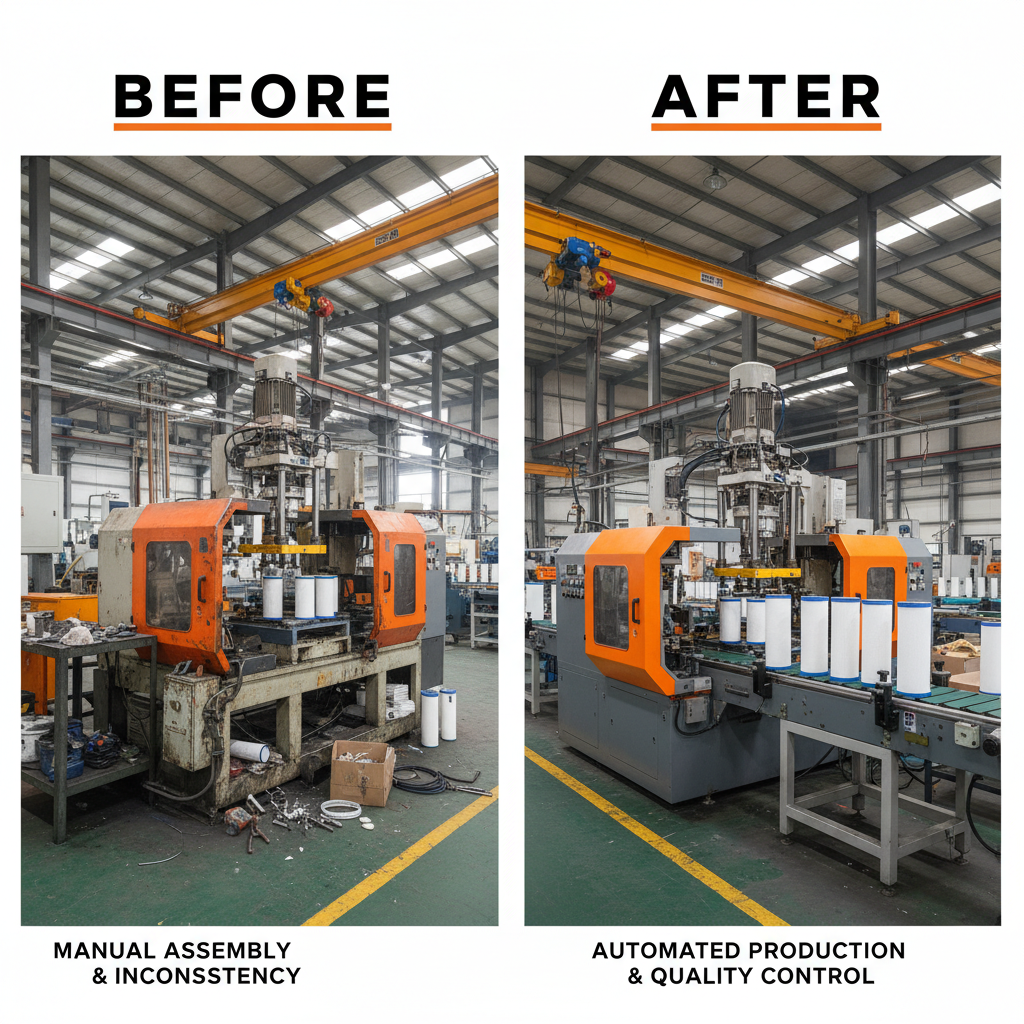
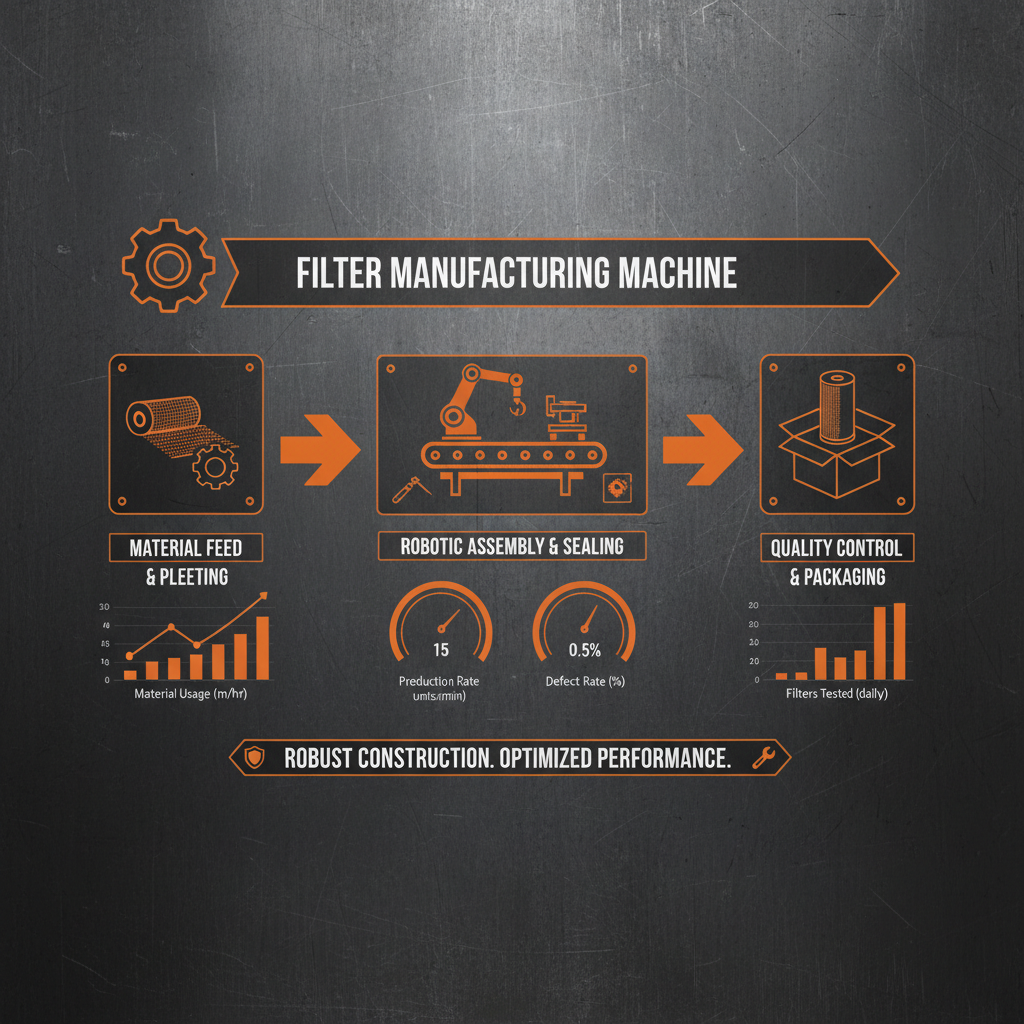
Automated filter machine systems offer several advantages, including reduced labor costs, improved consistency, minimized downtime, and enhanced process control. Automated backflushing, filter element replacement, and performance monitoring contribute to increased efficiency and reliability. They provide real-time data and allow for remote operation and troubleshooting.
Energy efficiency is increasingly important, both from a cost perspective and an environmental standpoint. Selecting a filter machine with low-pressure drop, energy-efficient pumps, and optimized flow paths can significantly reduce energy consumption. Implementing features like variable frequency drives and automated controls further enhances energy savings and minimizes the environmental footprint.
Conclusion
In conclusion, filter machine technology is fundamental to a wide range of industries and essential for addressing global challenges related to water purity, environmental protection, and public health. From defining its core components to understanding its applications and future trends, a comprehensive grasp of this technology is vital for professionals across various sectors. The benefits—improved efficiency, reduced costs, and enhanced sustainability—are undeniable.
Looking ahead, continued innovation in materials science, automation, and digital integration will drive the evolution of filter machine technology. Investing in advanced filtration solutions is not only a strategic business decision but also a commitment to a more sustainable and responsible future. For cutting-edge filter machine solutions and expert support, visit our website today.