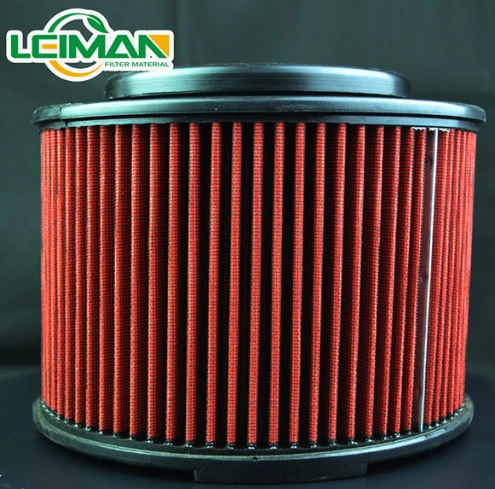
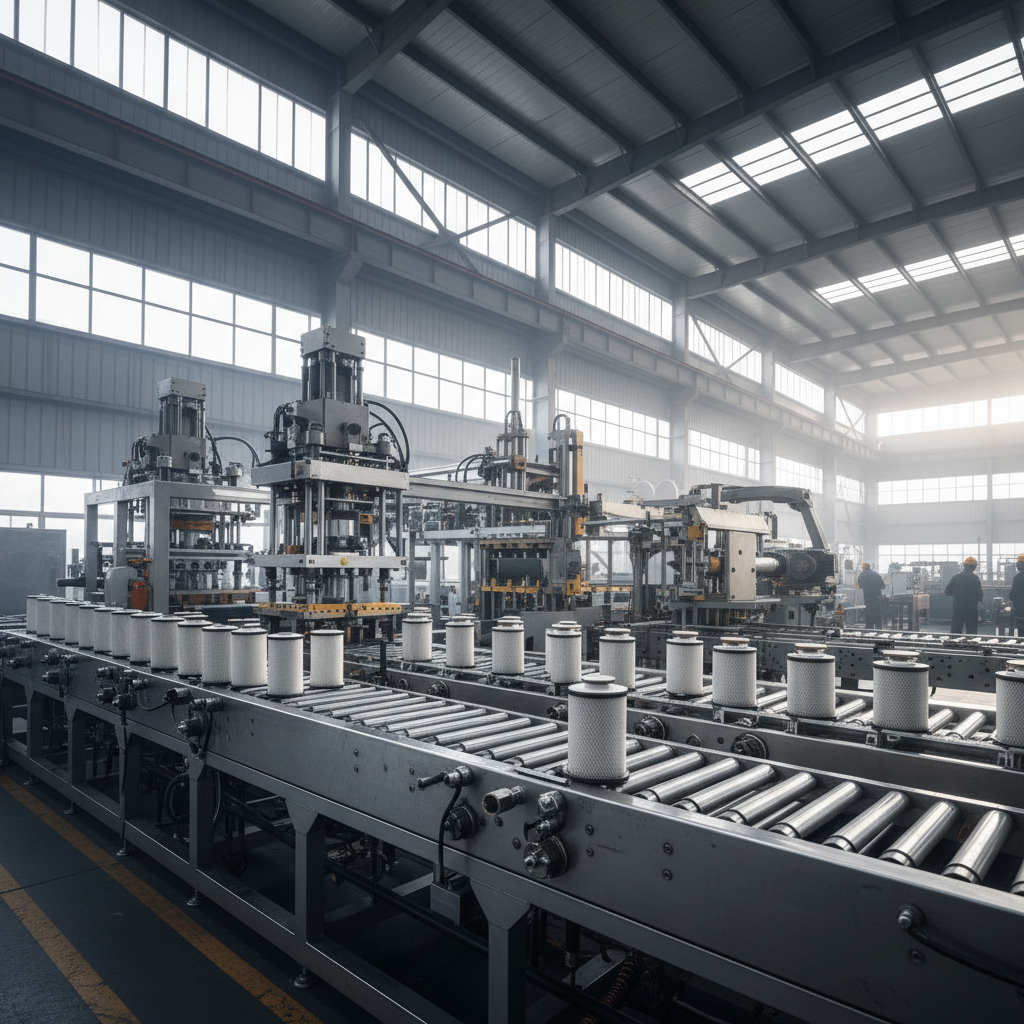
The global demand for clean air is escalating, driven by increasing industrialization, urbanization, and a growing awareness of the health impacts of air pollution. This has created a substantial market for effective air filtration solutions, and consequently, a significant demand for reliable and efficient air filter making machines. These machines are pivotal in manufacturing filters for diverse applications, ranging from HVAC systems to medical facilities and industrial processes.
The ability to produce high-quality air filters locally is becoming increasingly important for nations striving for self-sufficiency and reducing reliance on imports. An air filter making machine allows for customized filter production tailored to specific regional pollutants and industrial needs, fostering economic growth and bolstering public health infrastructure.
Understanding the intricacies of air filter manufacturing, including the different types of machines available, their capabilities, and the materials involved, is crucial for businesses looking to enter or expand within this rapidly growing sector. Investing in the right machinery ensures optimal production efficiency, filter quality, and long-term sustainability.
The Importance of Air Filter Making Machines
Air filter making machines represent a critical link in safeguarding public health and maintaining industrial efficiency. These machines aren’t merely about production; they’re about providing breathable air in our homes, offices, hospitals, and factories. The increasing need for improved air quality drives the demand for consistently high-performing air filters, necessitating reliable and advanced manufacturing capabilities.
Investing in a modern air filter making machine isn't simply a capital expenditure, it’s a proactive step towards a healthier and more sustainable future. The ability to domestically produce air filters reduces supply chain vulnerabilities, ensures quality control, and allows for rapid response to emerging air quality challenges.
Defining Air Filter Making Machines
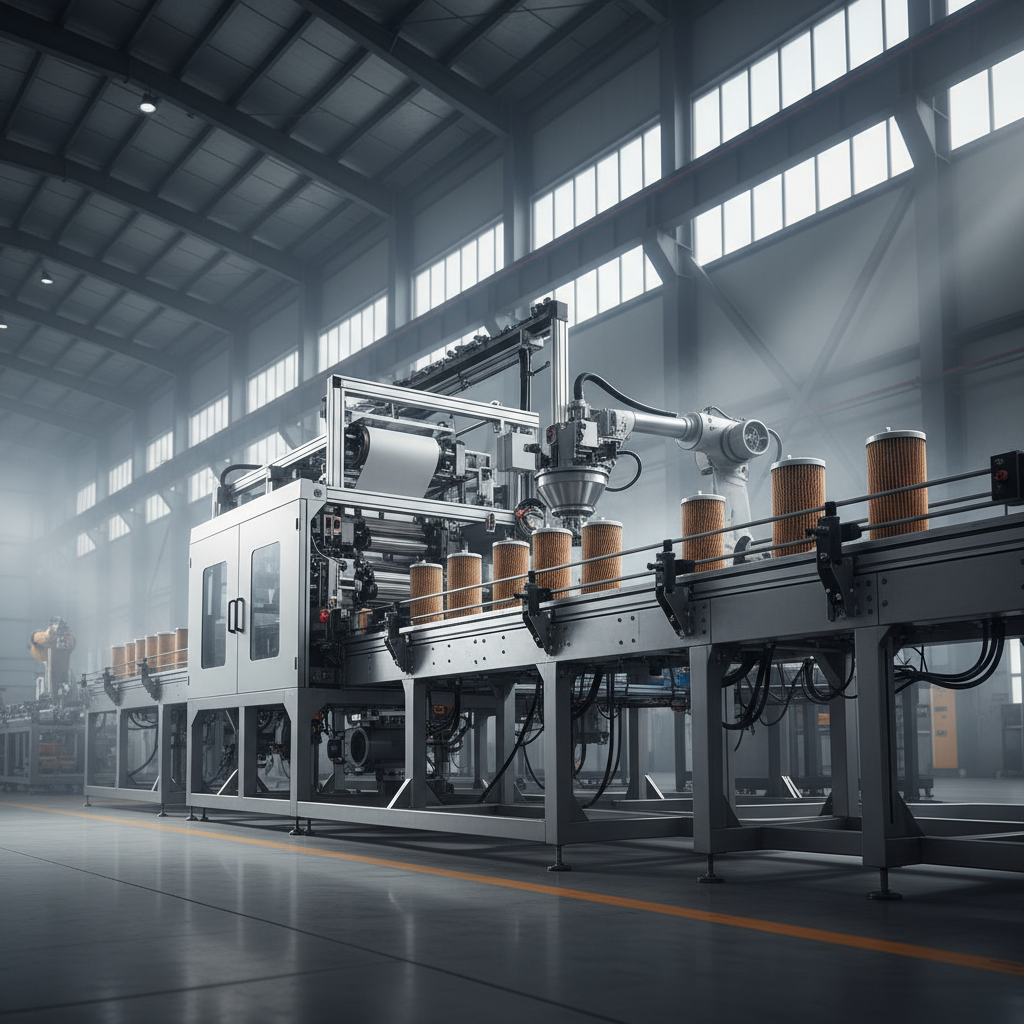
An air filter making machine is a specialized piece of industrial equipment designed to automatically or semi-automatically manufacture various types of air filters. These machines utilize a range of processes, including pleating, sealing, and frame assembly, to transform raw materials like filter media, separators, and frames into finished air filtration products.
These machines cater to diverse filter types, including pleated filters, bag filters, HEPA filters, and activated carbon filters, each designed for specific applications and levels of filtration efficiency. The integration of these machines into modern industrial processes is vital for industries demanding high air quality standards.
The connection to modern industry and humanitarian needs is direct. From maintaining cleanrooms in pharmaceutical manufacturing to providing safe breathing air in disaster relief efforts, air filter making machines are foundational to protecting human health and ensuring operational integrity across various sectors.
Key Components and Operational Aspects
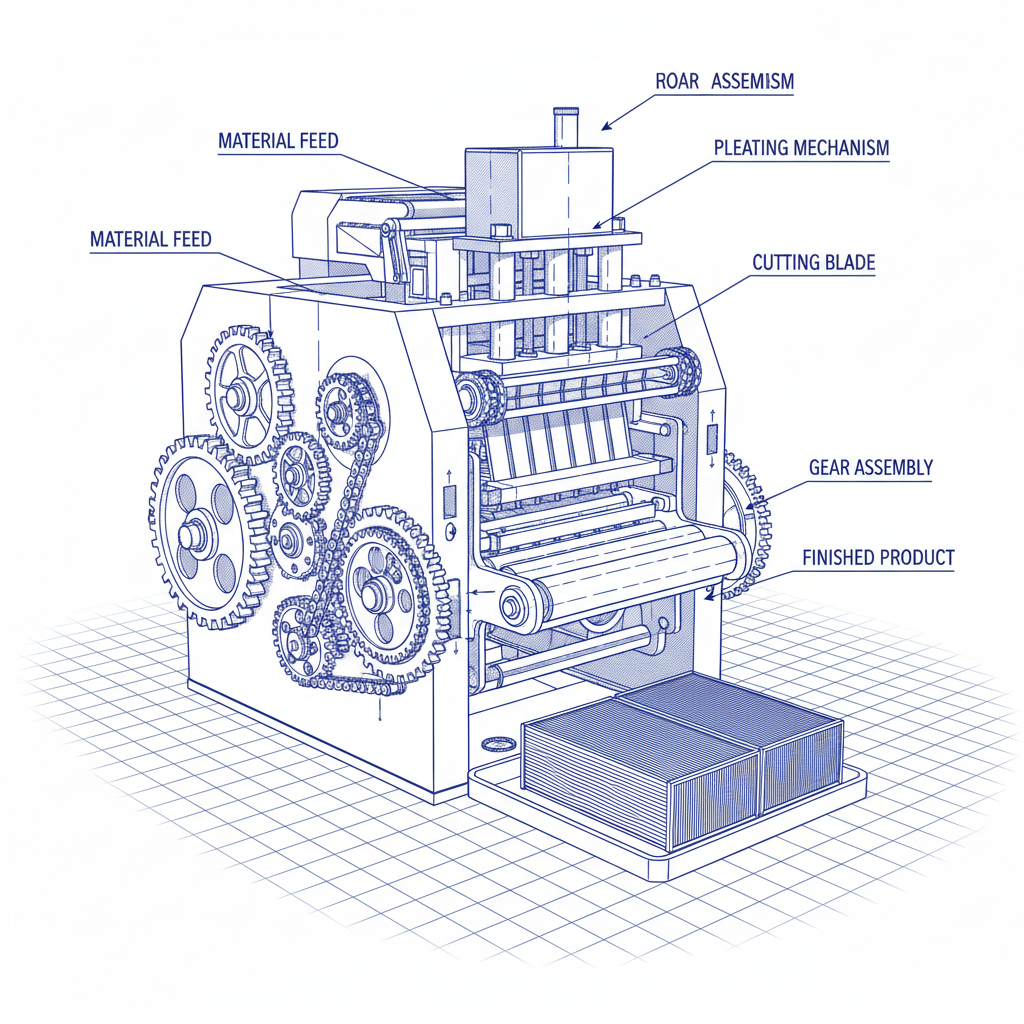
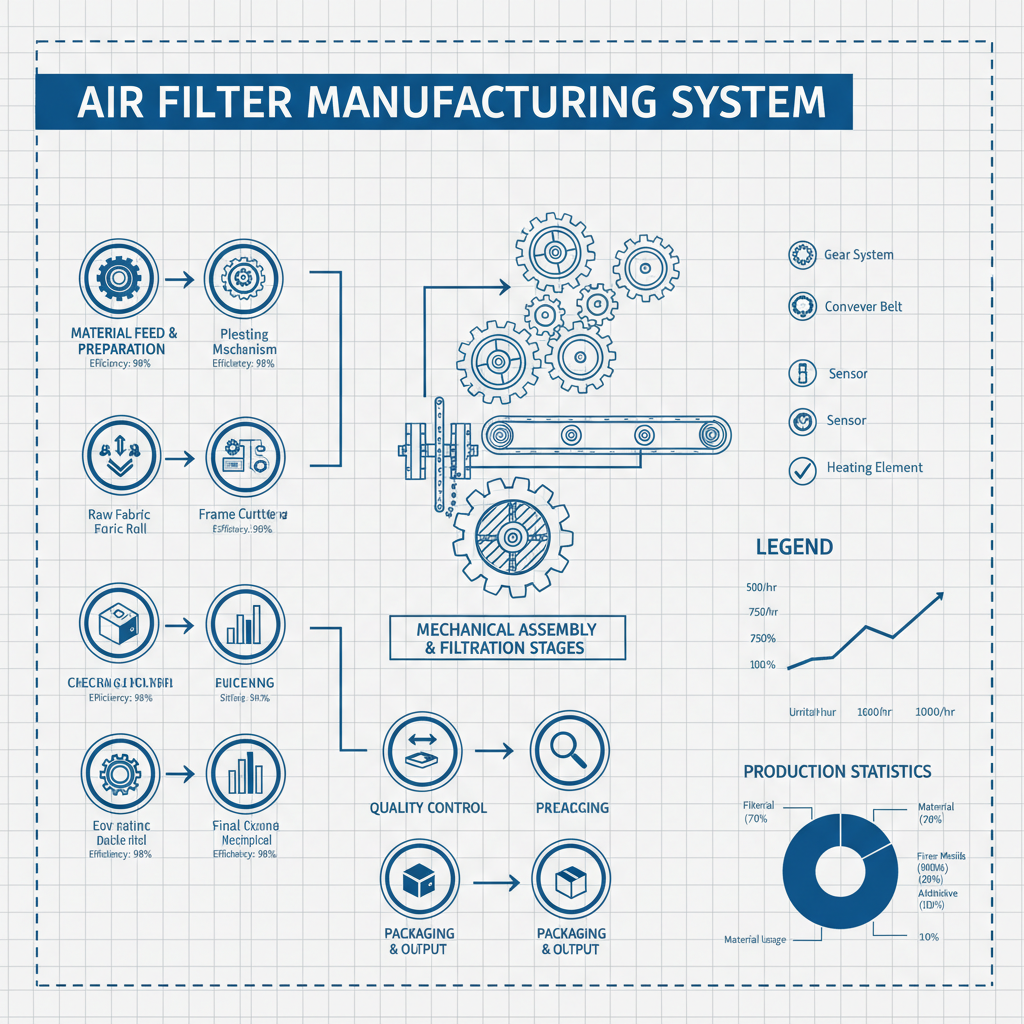
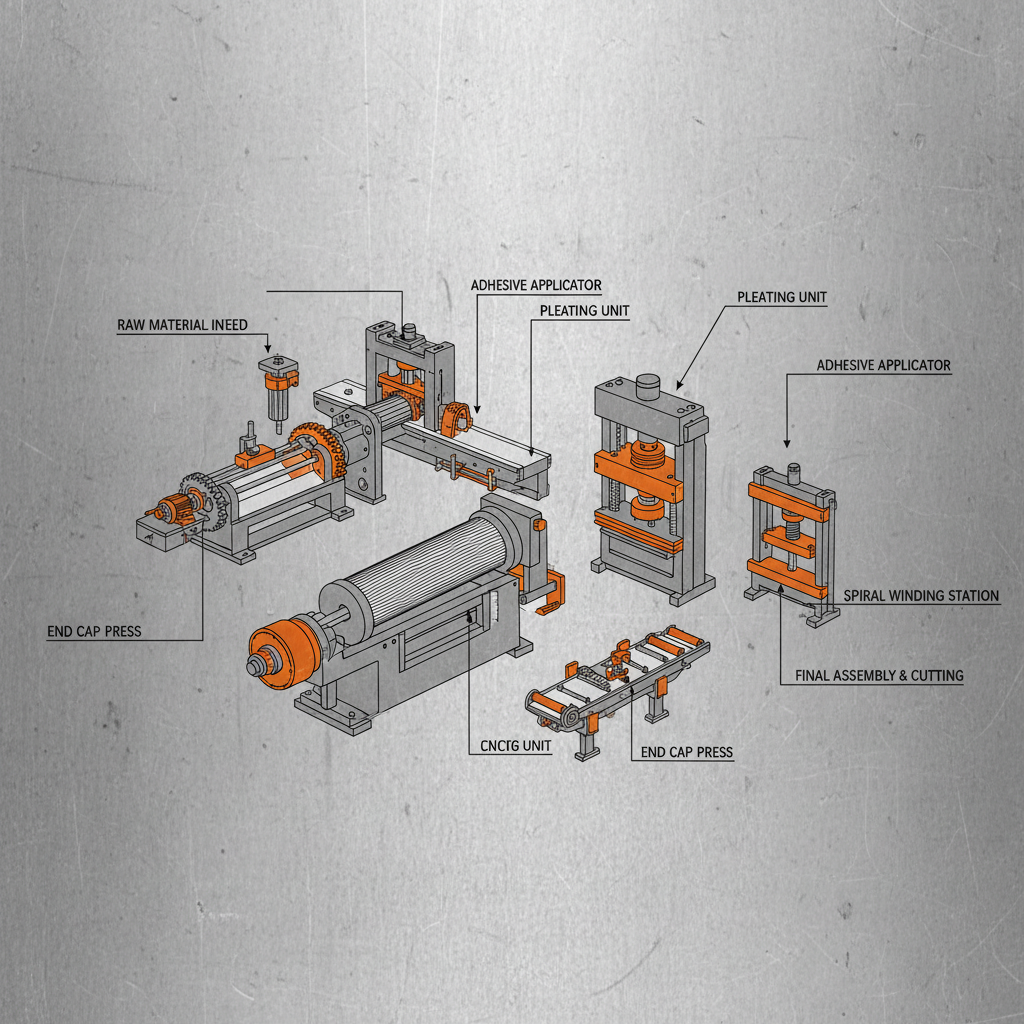
Several core components contribute to the functionality of an air filter making machine. These include a media unwinding system, a pleating mechanism, a hot melt adhesive applicator, a frame assembly unit, and a quality control system. The efficiency and precision of each component directly impact the overall output and quality of the finished filters.
Operational aspects vary based on the machine's automation level. Fully automated machines require minimal human intervention, offering high-volume production and consistent quality. Semi-automatic machines require operator assistance for certain tasks, providing a balance between cost and efficiency. Proper maintenance, including regular cleaning and component replacement, is crucial for ensuring optimal performance and longevity.
The choice of filter media – such as fiberglass, synthetic fibers, or electrostatic materials – also significantly impacts the machine's configuration and performance. Different media require specific handling techniques and adhesive compatibility to ensure effective filter construction.
Global Applications and Industry Integration
The application of air filter making machines spans across numerous industries globally. HVAC systems in commercial and residential buildings rely heavily on filters produced by these machines to maintain indoor air quality. The automotive industry utilizes air filters for cabin air purification and engine protection.
In healthcare, these machines are critical for producing HEPA filters used in operating rooms, laboratories, and isolation wards, ensuring a sterile environment. Industrial sectors, such as electronics manufacturing and pharmaceutical production, demand high-efficiency filters to protect sensitive equipment and maintain product integrity.
Geographically, demand is strongest in rapidly industrializing regions like Asia-Pacific, particularly China and India, driven by increasing pollution levels and economic growth. In post-disaster relief operations, portable air filter making machines can be deployed to provide localized filter production for emergency shelters and hospitals.
Air Filter Making Machine Efficiency Comparison
Advantages and Long-Term Value Proposition
Investing in an air filter making machine provides numerous tangible benefits. Cost savings are significant through reduced reliance on external suppliers and greater control over production costs. Increased efficiency results in higher output and faster turnaround times.
Beyond the economic advantages, there's a substantial sustainability impact. Localized production minimizes transportation emissions and allows for the use of eco-friendly materials. Moreover, providing clean air contributes to improved public health and worker safety, enhancing the social responsibility profile of the manufacturing operation.
Future Trends and Innovations in Air Filter Production
The future of air filter production is heavily influenced by advancements in materials science and automation. Nanomaterials and bio-based filters are emerging as sustainable alternatives to traditional materials, offering improved filtration efficiency and reduced environmental impact.
Digitalization and the Industrial Internet of Things (IIoT) are also playing a crucial role. Smart machines equipped with sensors and data analytics capabilities can optimize production processes, predict maintenance needs, and improve overall efficiency.
Challenges and Solutions in Air Filter Manufacturing
One of the primary challenges in air filter manufacturing is maintaining consistent quality across high-volume production. This requires robust quality control systems, skilled operators, and reliable machine calibration.
Another challenge is adapting to evolving industry standards and regulations related to filter performance and safety. Manufacturers need to stay abreast of these changes and invest in technologies that ensure compliance. Implementing lean manufacturing principles and continuous improvement programs can help address these challenges.
Furthermore, waste management of filter media can be environmentally taxing. Utilizing recyclable materials and implementing closed-loop manufacturing processes are key solutions to mitigate environmental impact.
Summary of Key Challenges and Potential Solutions in Air Filter Making Machine Operation
| Challenge Area |
Impact on Production |
Potential Solution |
Implementation Cost (1-10) |
| Quality Control Consistency |
Increased defect rates, customer dissatisfaction |
Automated inspection systems, statistical process control |
7 |
| Material Waste |
Increased production costs, environmental impact |
Optimized cutting patterns, material recycling programs |
5 |
| Machine Maintenance |
Unexpected downtime, reduced production capacity |
Preventative maintenance schedules, remote monitoring |
6 |
| Regulatory Compliance |
Potential fines, product recalls |
Regular audits, updated training programs |
8 |
| Operator Skill Gap |
Reduced efficiency, increased errors |
Comprehensive training programs, user-friendly machine interfaces |
4 |
| Supply Chain Disruptions |
Production delays, increased material costs |
Diversified sourcing, strategic inventory management |
6 |
FAQS
The payback period for an air filter making machine varies depending on production volume, filter type, and operational efficiency. However, most businesses experience a payback within 2-5 years, driven by reduced material costs, minimized labor expenses, and increased control over the supply chain. Accurate cost-benefit analysis, tailored to your specific needs, is crucial for determining the precise payback timeline.
While modern air filter making machines are designed for ease of use, a basic understanding of mechanical and electrical systems is beneficial. Comprehensive training programs are typically provided by machine manufacturers, covering operation, maintenance, and troubleshooting. For more complex issues, access to qualified technicians is recommended.
Most air filter making machines can be configured to produce a wide range of filter types, including pleated filters, bag filters, pocket filters, HEPA filters, and activated carbon filters. The specific capabilities depend on the machine's design and the installed tooling. Customization options are often available to accommodate specific filter requirements.
Safety is paramount in air filter making machine design. Typical features include emergency stop buttons, safety guards, interlock systems, and overload protection. Machines are usually compliant with relevant safety standards and regulations, ensuring a safe working environment for operators.
The production capacity of a fully automated air filter making machine can vary significantly based on filter size, complexity, and machine specifications. However, a typical machine can produce between 600 to 1500 filters per hour, making it ideal for high-volume manufacturing applications.
The cost of an air filter making machine varies widely depending on its automation level, production capacity, and features. Semi-automatic machines can range from $50,000 to $150,000, while fully automated machines can cost between $200,000 and $500,000 or more. It's important to consider the total cost of ownership, including maintenance and operating expenses.
Conclusion
In conclusion, air filter making machines are indispensable tools for meeting the escalating global demand for clean air. They offer substantial advantages in terms of cost efficiency, production quality, and supply chain resilience, while contributing to sustainable manufacturing practices. The future of air filtration hinges on continued innovation in materials, automation, and digital integration, positioning these machines as cornerstones of a healthier and more sustainable world.
Investing in a modern air filter manufacturing solution is not just a business decision, but a commitment to public health and environmental responsibility. We encourage you to explore the possibilities and partner with industry experts to optimize your air filter production process. For more information and to discuss your specific needs, visit our website: www.mfiltersolution.com