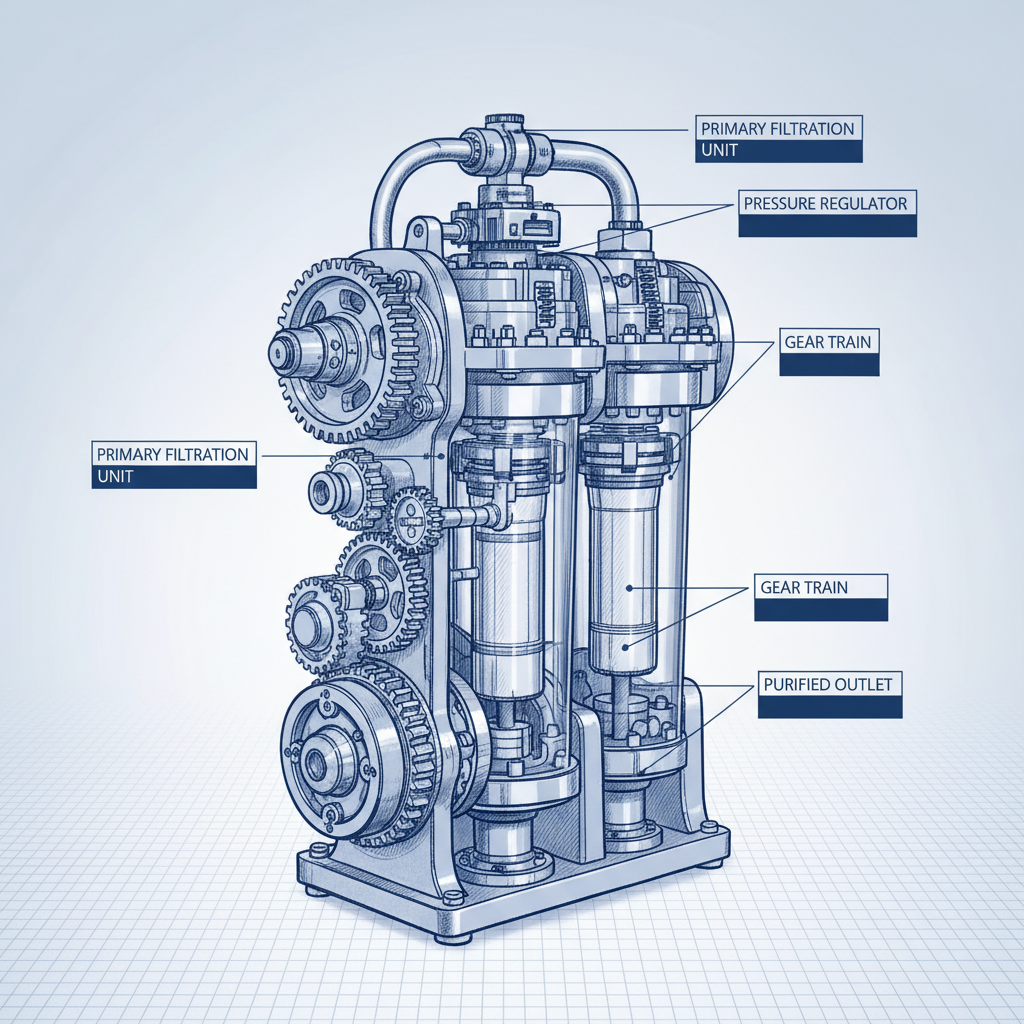
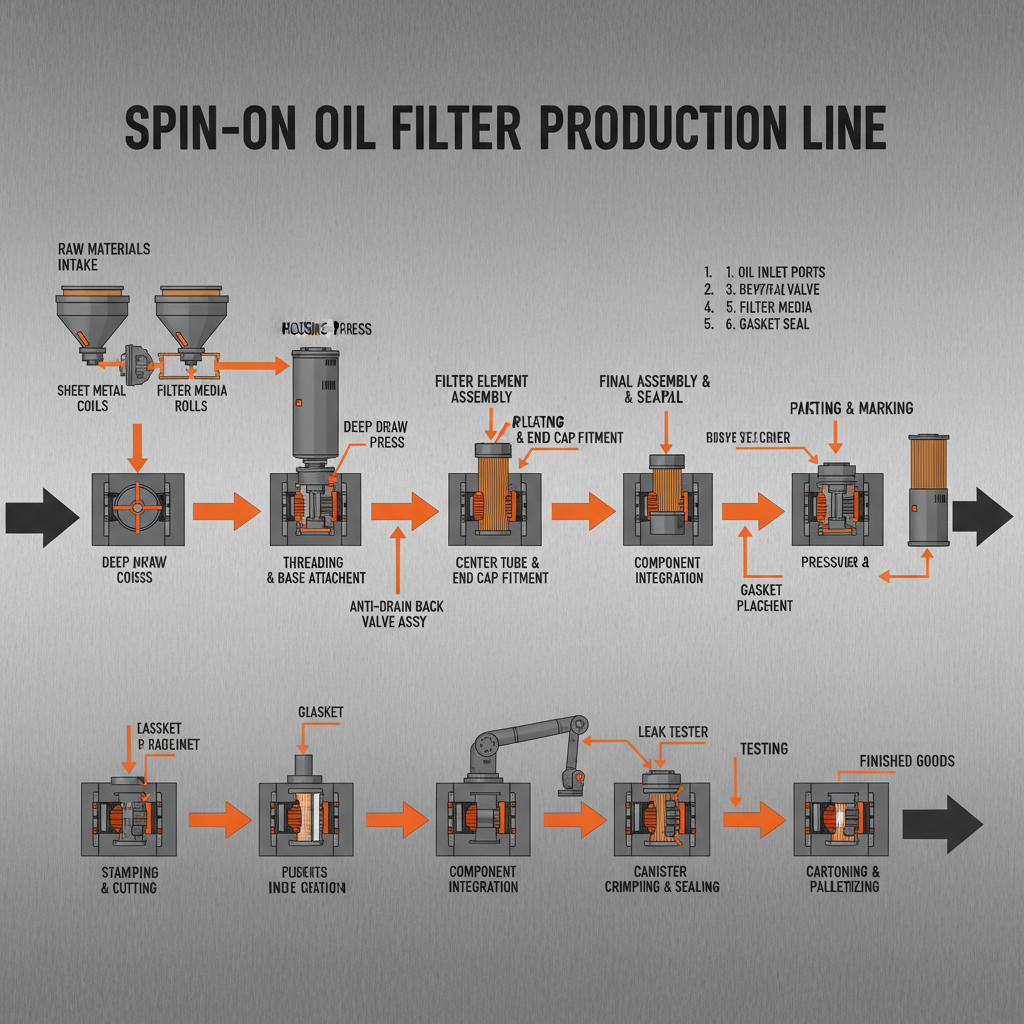
The global demand for clean air and efficient filtration systems has spurred significant innovation in the field of air purification technology. Central to this progress is the air filter producing machine, a critical component in safeguarding public health, maintaining industrial productivity, and protecting sensitive environments. These machines are evolving beyond simple filtration to incorporate advanced materials and intelligent controls, addressing increasingly complex air quality challenges worldwide.
The significance of the air filter producing machine extends beyond human health. Industries reliant on pristine air, such as pharmaceuticals, electronics manufacturing, and food processing, depend on these machines to maintain product quality and prevent contamination. Furthermore, as global urbanization continues and air pollution intensifies, the demand for localized and scalable air filtration solutions is rapidly increasing.
Understanding the principles, components, and advancements in air filter producing machine technology is vital for professionals in environmental science, engineering, manufacturing, and public health. Investing in and optimizing these systems represents a proactive step towards a healthier and more sustainable future.
The Core Principles of air filter producing machine
At its core, the air filter producing machine operates on the principles of physical separation, employing various media to capture particulate matter and gaseous contaminants from the air stream. These machines are designed to manufacture filters using materials like fiberglass, polypropylene, HEPA substrates, and activated carbon, each chosen for its specific filtration properties.
The efficiency of an air filter producing machine is directly linked to the quality of its components, precise manufacturing processes, and the integration of automated control systems. Modern machines prioritize consistency in filter construction, ensuring uniform pore size and media distribution for optimal performance and longevity.
Global Relevance and Market Dynamics
The global market for air filters is experiencing robust growth, driven by increasing concerns about air quality, rising industrialization in emerging economies, and stricter environmental regulations. Regions with high levels of air pollution, such as Asia-Pacific and the Middle East, are witnessing particularly strong demand for advanced filtration technologies and, consequently, sophisticated air filter producing machine.
According to the World Health Organization (WHO), approximately 99% of the global population breathes air that exceeds WHO air quality guidelines. This statistic underscores the urgent need for effective air filtration solutions. The ISO 16890 standard provides a globally recognized framework for evaluating filter performance, impacting the design and production processes of air filter producing machine.
The market is segmented by filter type (HEPA, ULPA, activated carbon, etc.), application (industrial, residential, automotive, etc.), and region. The demand for specialized filters catering to specific industrial needs, like those used in pharmaceutical manufacturing or semiconductor fabrication, is particularly driving innovation in air filter producing machine design.
Defining the air filter producing machine
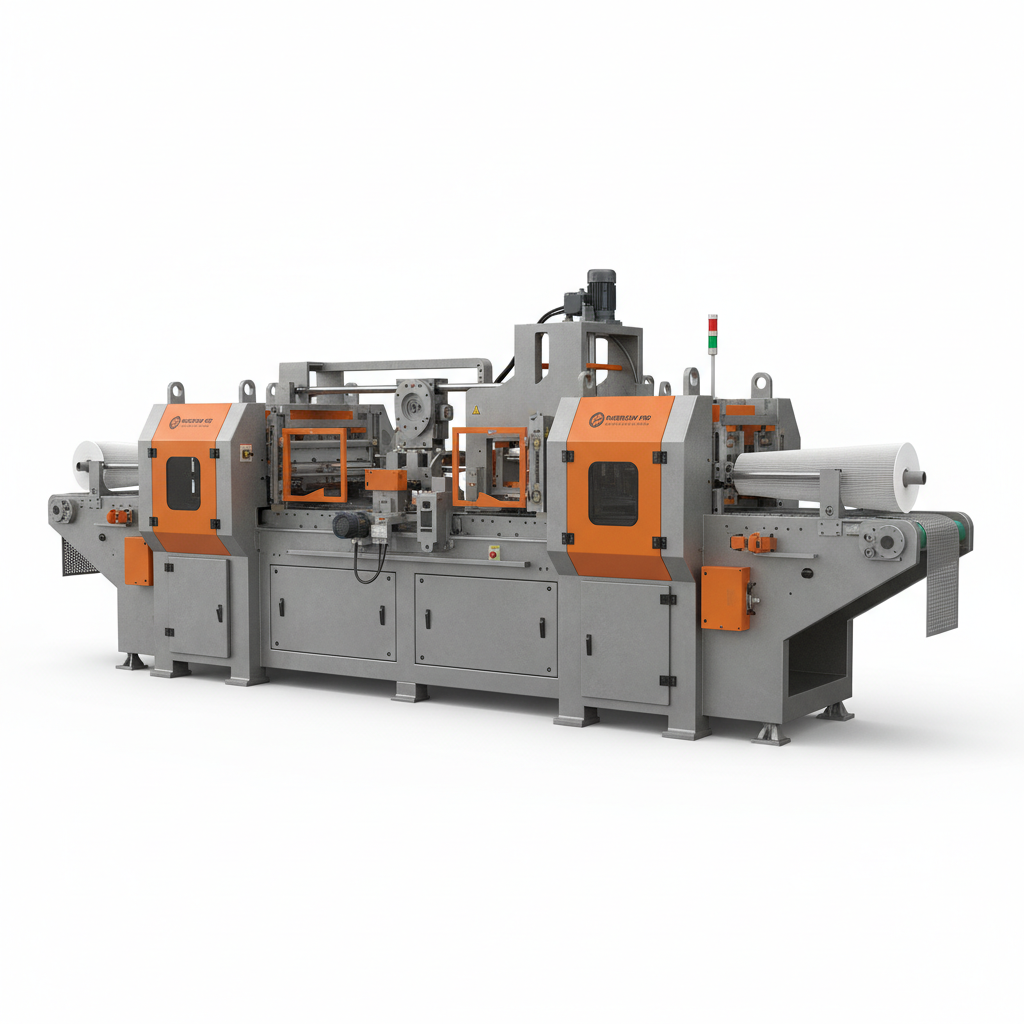
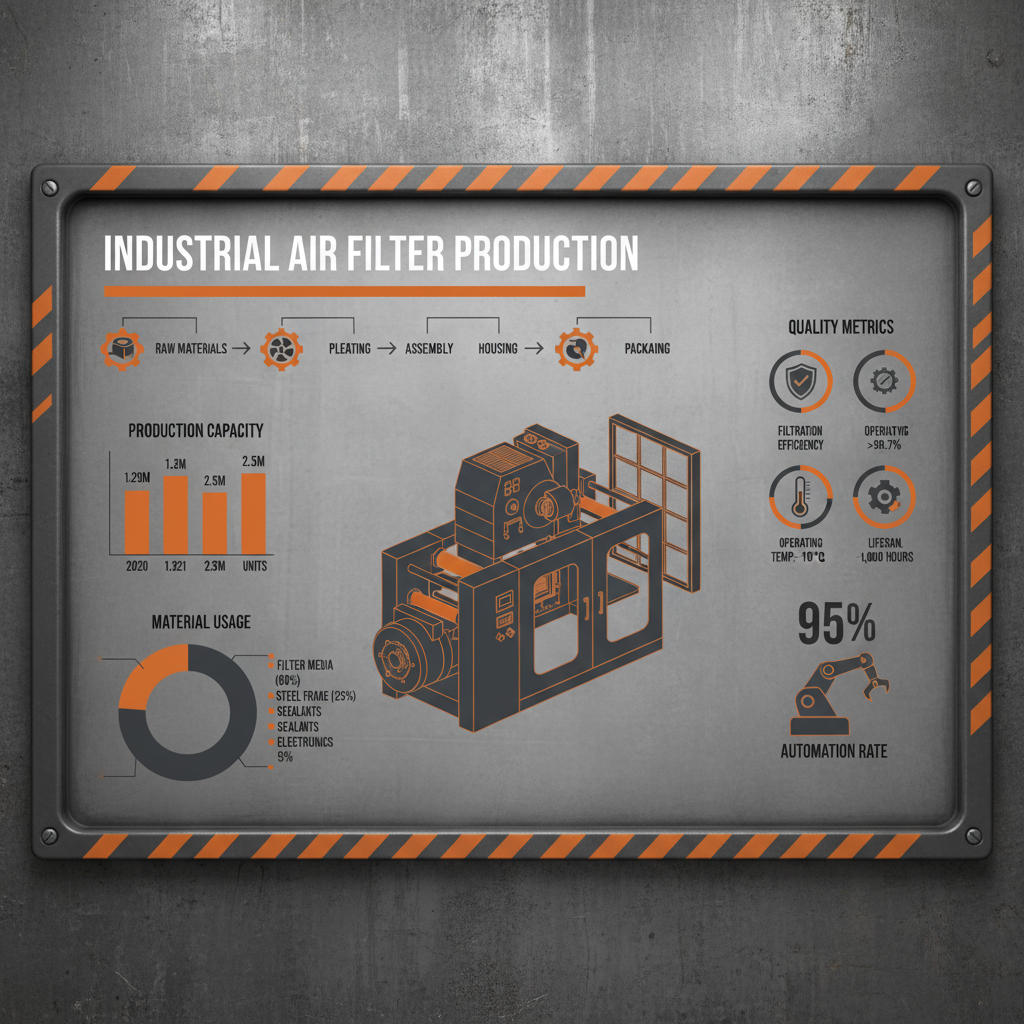
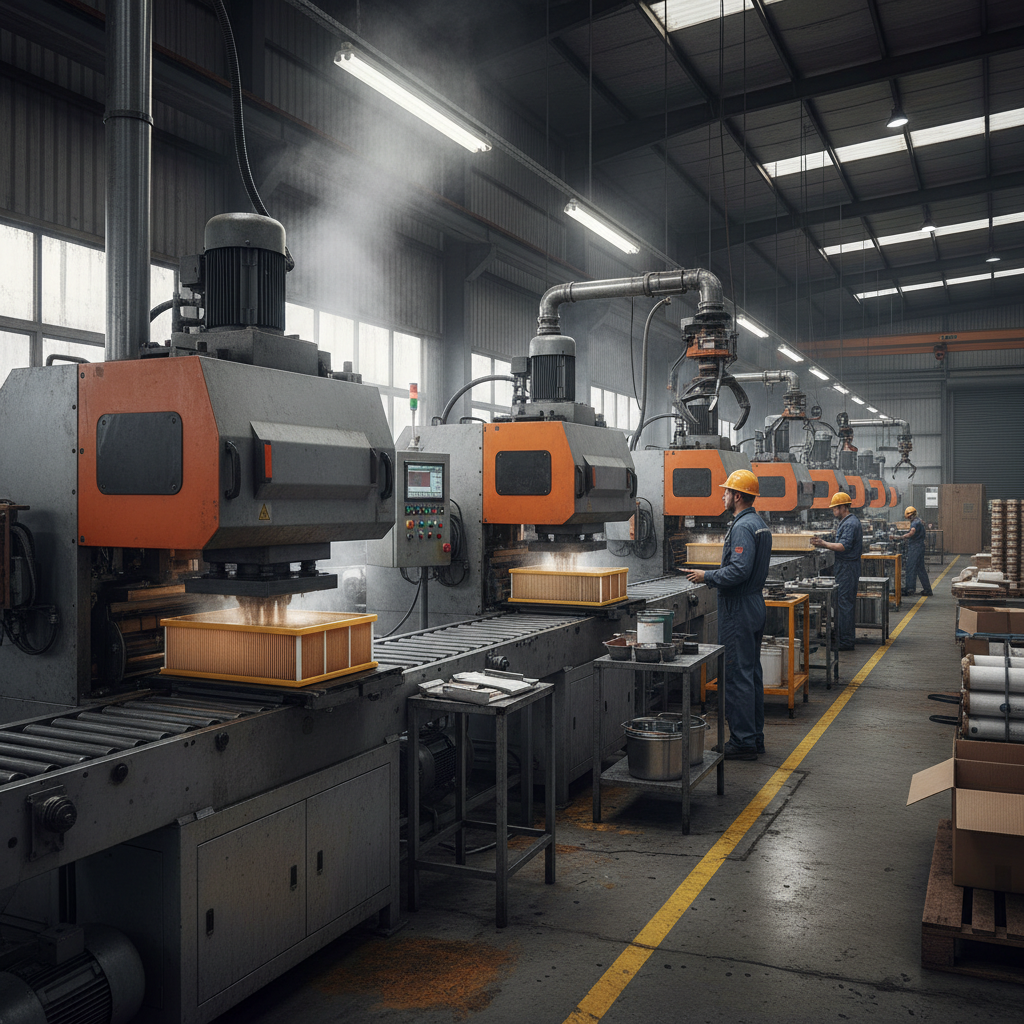
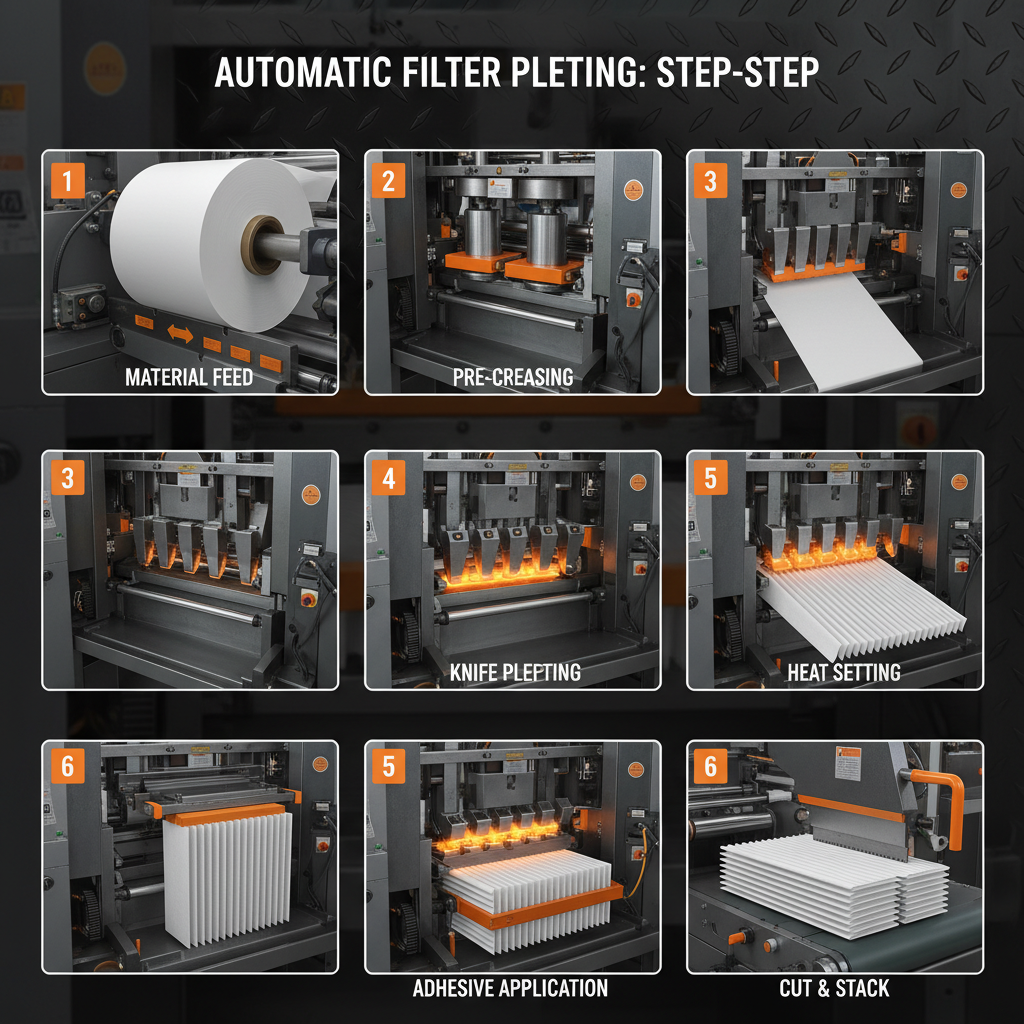
An air filter producing machine is a sophisticated automated system engineered to manufacture various types of air filters, including pleated filters, bag filters, HEPA filters, and activated carbon filters. These machines encompass a range of processes, from media handling and pleating to frame assembly and quality control.
These machines are fundamentally linked to the broader industrial ecosystem, providing a crucial link between raw material suppliers and end-users requiring clean air. Modern air filter producing machine increasingly integrate Industry 4.0 principles, incorporating sensors, data analytics, and remote monitoring capabilities.
The evolution of the air filter producing machine reflects a response to growing global concerns about air pollution and the demand for improved air quality in diverse settings, ranging from healthcare facilities and industrial plants to residential environments.
Key Factors in air filter producing machine Performance
Several factors determine the overall performance and efficiency of an air filter producing machine. These include the precision of the pleating mechanism, the consistency of media tensioning, the accuracy of frame sealing, and the effectiveness of the quality control system.
Furthermore, the machine's ability to adapt to different filter sizes and materials is crucial for maintaining production flexibility. Scalability, ensuring the machine can be readily expanded to meet increasing demand, and cost-efficiency, minimizing operating expenses and material waste, are also vital considerations.
Comparison of air filter producing machine Methods
Applications Across Diverse Industries
Air filter producing machine technology serves a broad spectrum of industries. In healthcare, they are critical for maintaining sterile operating environments and protecting patients from airborne pathogens. Within the pharmaceutical industry, they ensure product purity and compliance with stringent regulatory standards.
Industrial applications span sectors like microelectronics, where even minuscule particulate contamination can compromise device performance, and food processing, where filters protect products from spoilage and contamination. Moreover, the automotive industry utilizes filters produced by these machines to enhance cabin air quality and protect engine components.
Advantages and Long-Term Sustainability
Investing in advanced air filter producing machine offers numerous tangible benefits, including reduced operational costs through optimized material usage and minimized waste. The production of high-quality filters contributes to improved indoor air quality, enhancing public health and worker productivity.
From a sustainability perspective, modern machines often incorporate energy-efficient designs and utilize recyclable materials. This aligns with the growing global emphasis on environmental responsibility and contributes to a circular economy. The long-term reliability and durability of these machines minimize downtime and reduce the need for frequent replacements.
Future Trends and Innovative Advancements
The future of air filter producing machine technology is poised for significant advancements. One key trend is the integration of artificial intelligence (AI) and machine learning (ML) to optimize production processes, predict maintenance needs, and enhance filter performance. Nanomaterials are also gaining traction, enabling the development of filters with superior filtration efficiency and extended lifespans.
Furthermore, there's a growing focus on developing biodegradable and compostable filter media, reducing the environmental impact of filter disposal. Digital transformation, encompassing real-time monitoring, remote diagnostics, and cloud-based data analytics, is also reshaping the industry.
The convergence of these technologies promises to deliver smarter, more sustainable, and highly efficient air filter producing machine capable of addressing the evolving challenges of air quality control.
FAQS
Lead times for a new air filter producing machine can vary significantly depending on the complexity of the system, customization requirements, and current order backlog. Generally, expect a lead time of 12-24 weeks from the date of order confirmation to delivery and installation. Factors such as component sourcing and specialized engineering work can also influence the timeline. A detailed project schedule will be provided during the quotation process.
Comprehensive operator training is essential for maximizing the efficiency and longevity of an air filter producing machine. Training programs typically cover machine operation, maintenance procedures, troubleshooting techniques, and safety protocols. We offer both on-site and remote training options, tailored to the specific machine configuration and operator skill level. Expect 2-5 days of initial training depending on the machine’s complexity.
Regular maintenance is crucial for optimal performance. This includes daily cleaning and inspection, periodic lubrication of moving parts, filter replacement within the machine itself, and annual preventative maintenance checks. We provide detailed maintenance schedules and readily available spare parts. Remote diagnostics and support are also available to assist with troubleshooting and minimize downtime.
Energy consumption varies based on the machine’s size, capacity, and level of automation. However, modern air filter producing machine are designed with energy efficiency in mind. Typical consumption ranges from 15-40 kW, depending on the model. Features like variable frequency drives and optimized motor controls help to minimize energy usage and reduce operating costs.
Yes, our air filter producing machine are designed for seamless integration with existing factory automation systems, including PLC control systems, MES (Manufacturing Execution Systems), and ERP (Enterprise Resource Planning) systems. We offer various communication protocols, such as Modbus TCP and Ethernet/IP, to facilitate data exchange and remote monitoring. Custom integration services are also available.
We offer a comprehensive warranty on our air filter producing machine, typically covering one year for parts and labor. We also provide extensive after-sales support, including remote troubleshooting, on-site service, and readily available spare parts. Extended warranty options are available for added peace of mind. Our dedicated support team is committed to ensuring your machine operates at peak performance.
Conclusion
The air filter producing machine represents a vital component in safeguarding public health, protecting industrial processes, and promoting environmental sustainability. From optimizing filter performance through advanced manufacturing techniques to embracing innovative materials and digital technologies, these machines are continuously evolving to meet the growing global demand for clean air solutions.
Investing in advanced air filter production capabilities is not merely a business decision, but a commitment to a healthier and more sustainable future. By prioritizing innovation, efficiency, and environmental responsibility, we can collectively address the challenges of air pollution and ensure a cleaner, safer world for generations to come. Visit our website at www.mfiltersolution.com to learn more.