The production of car PU air filters is a globally significant industry, directly impacting automotive performance, air quality, and public health. As vehicle ownership rises worldwide, particularly in emerging economies, the demand for efficient and reliable air filtration systems is steadily increasing. The complexity of modern engines requires advanced filtration technology, driving innovation in materials and manufacturing processes for car PU air filter production lines. This industry plays a crucial role in reducing harmful emissions and ensuring optimal engine operation.
Understanding the nuances of a car PU air filter production line – from raw material sourcing to quality control – is essential for automotive manufacturers, component suppliers, and environmental regulators. Efficient production lines not only reduce costs but also minimize environmental impact through waste reduction and optimized energy consumption. Investing in advanced technology within these lines is paramount for staying competitive in a rapidly evolving automotive landscape.
The consistent quality and reliability of car PU air filters directly influence vehicle lifespan and operating costs, making its production a critical aspect of the automotive supply chain. Furthermore, the shift towards electric vehicles necessitates a re-evaluation of filtration needs, potentially opening new avenues for innovation in car PU air filter production lines.
Introduction to Car PU Air Filter Production Lines
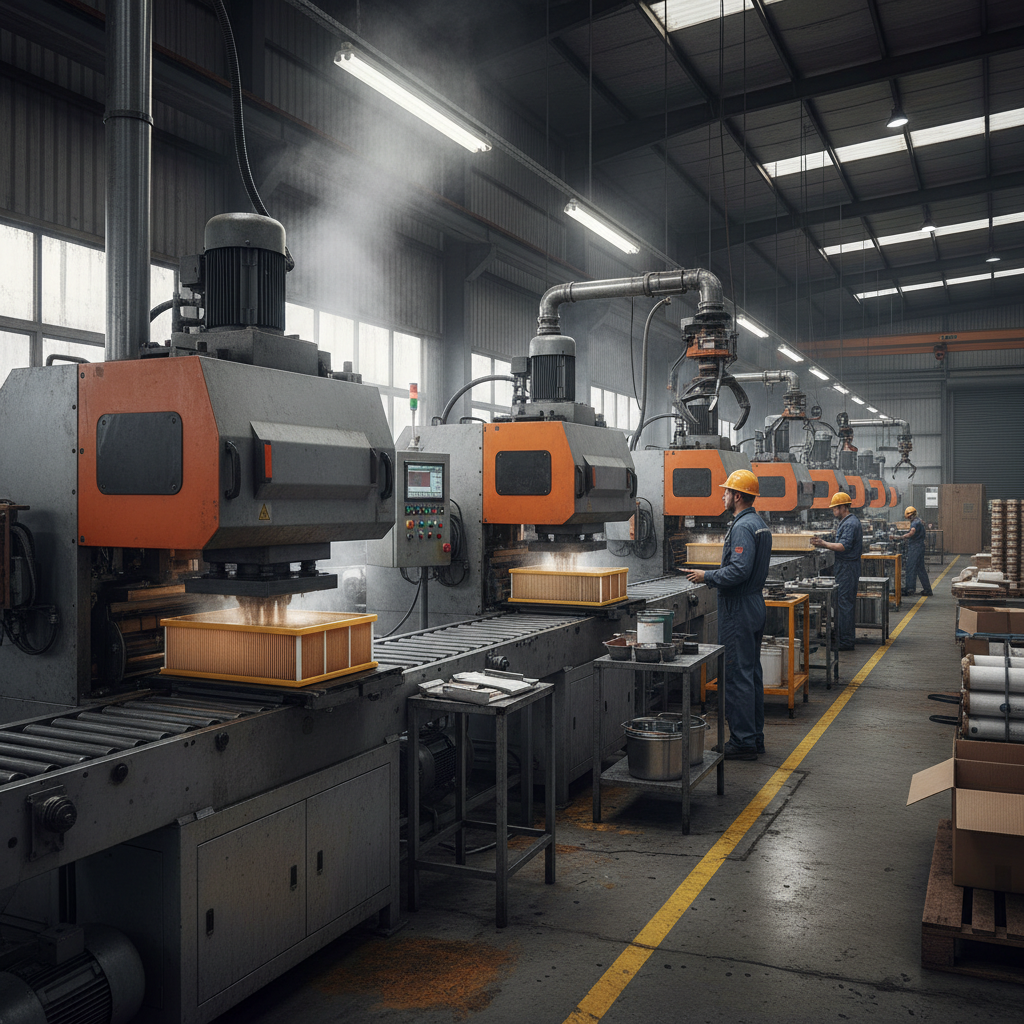
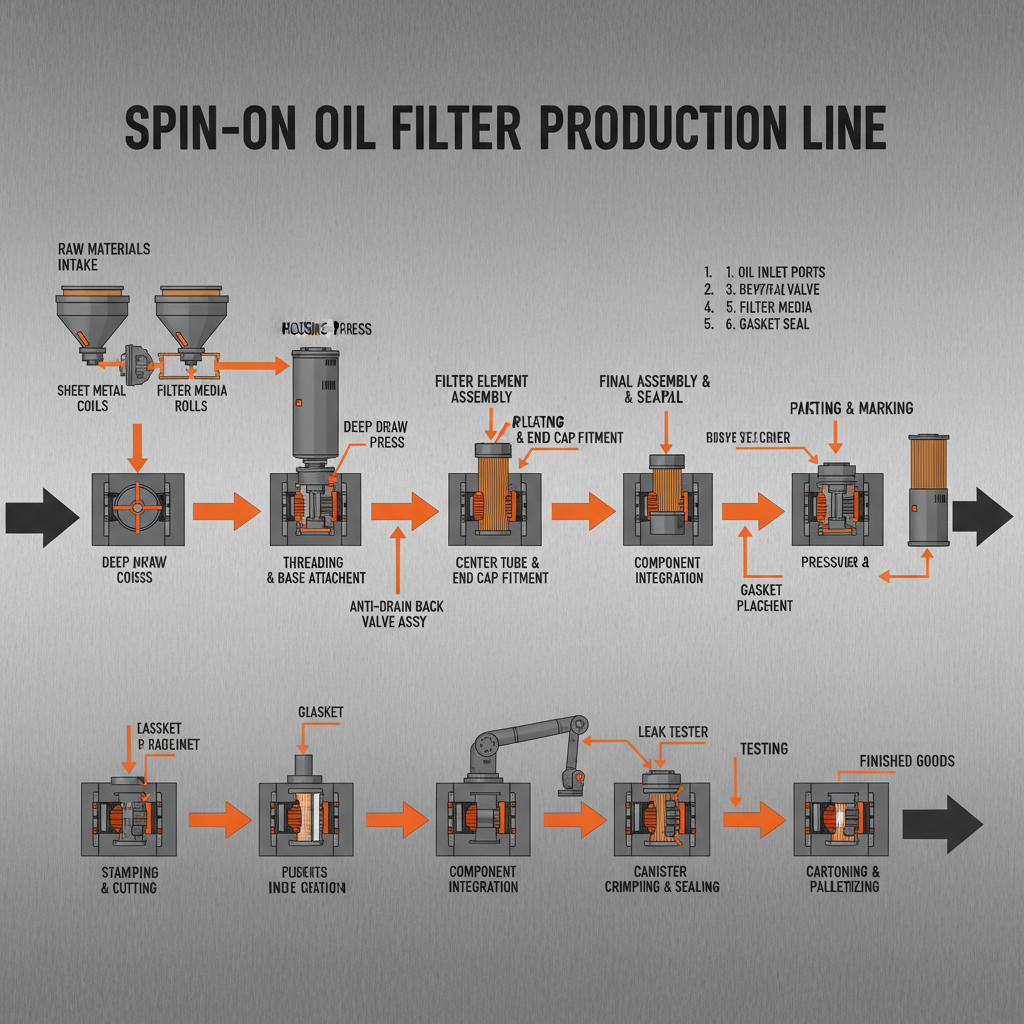
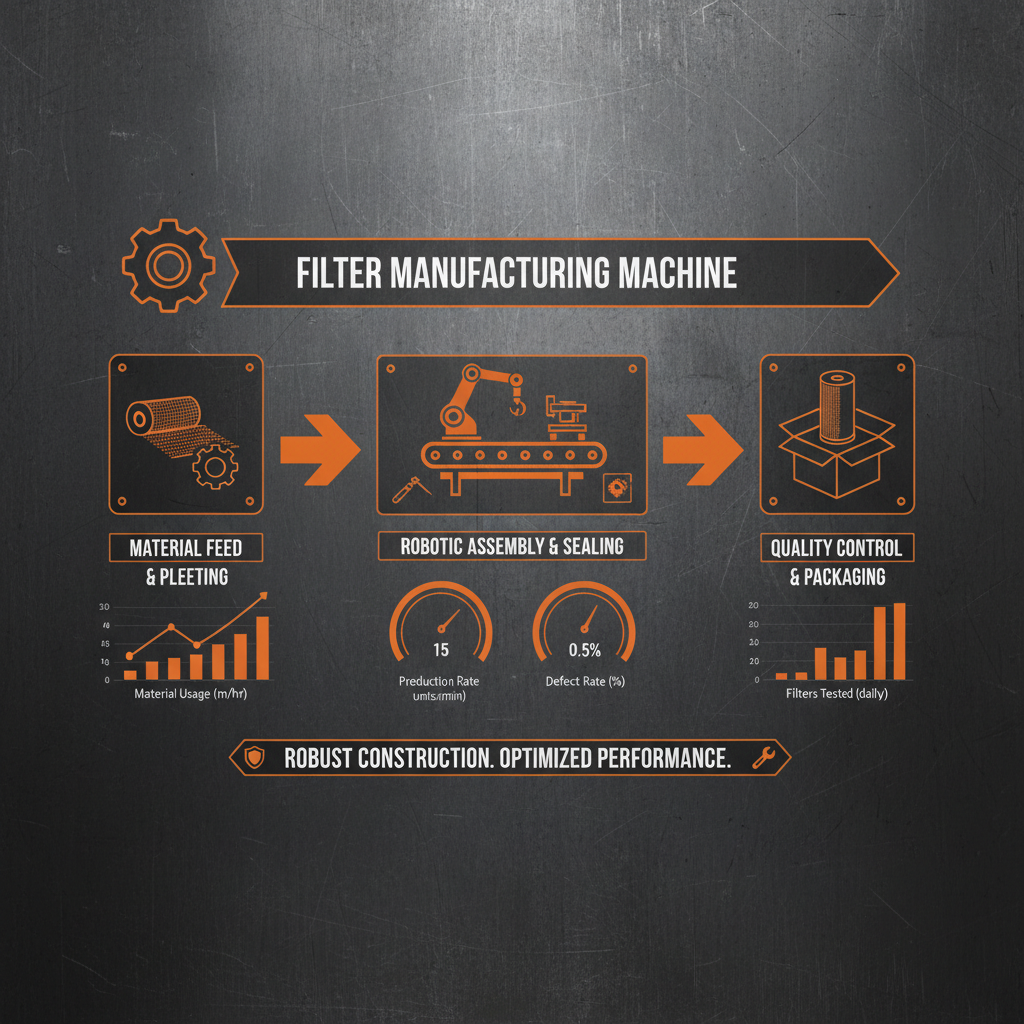
A car PU air filter production line encompasses all the stages involved in manufacturing polyurethane-based air filters for automobiles. This includes the blending of polyurethane materials, molding the filter media, pleating the media for increased surface area, sealing the filter element, and final quality inspection. Modern lines increasingly integrate automation and robotic systems to enhance efficiency and precision. car pu air filter production line is essential for engine protection.
The effectiveness of a car PU air filter production line hinges on its ability to consistently deliver filters that meet stringent performance standards – filtration efficiency, airflow resistance, and durability. The global automotive industry’s demand for higher-quality, longer-lasting filters is driving continuous improvement in production techniques and materials used within these lines.
Defining a Car PU Air Filter Production Line
A car PU air filter production line is a series of interconnected processes designed to transform raw polyurethane materials into finished air filters. It's not simply an assembly line; it's a sophisticated manufacturing system requiring precise control of chemical reactions, molding parameters, and quality control checkpoints. The line typically begins with the preparation of the polyurethane foam or non-woven material, followed by shaping, pleating, and sealing processes.
This process is crucial for ensuring that internal combustion engines receive clean air, protecting them from abrasive particles and contaminants. The line must be designed for scalability, allowing manufacturers to adjust production volumes to meet fluctuating market demands. It directly impacts vehicle performance and longevity.
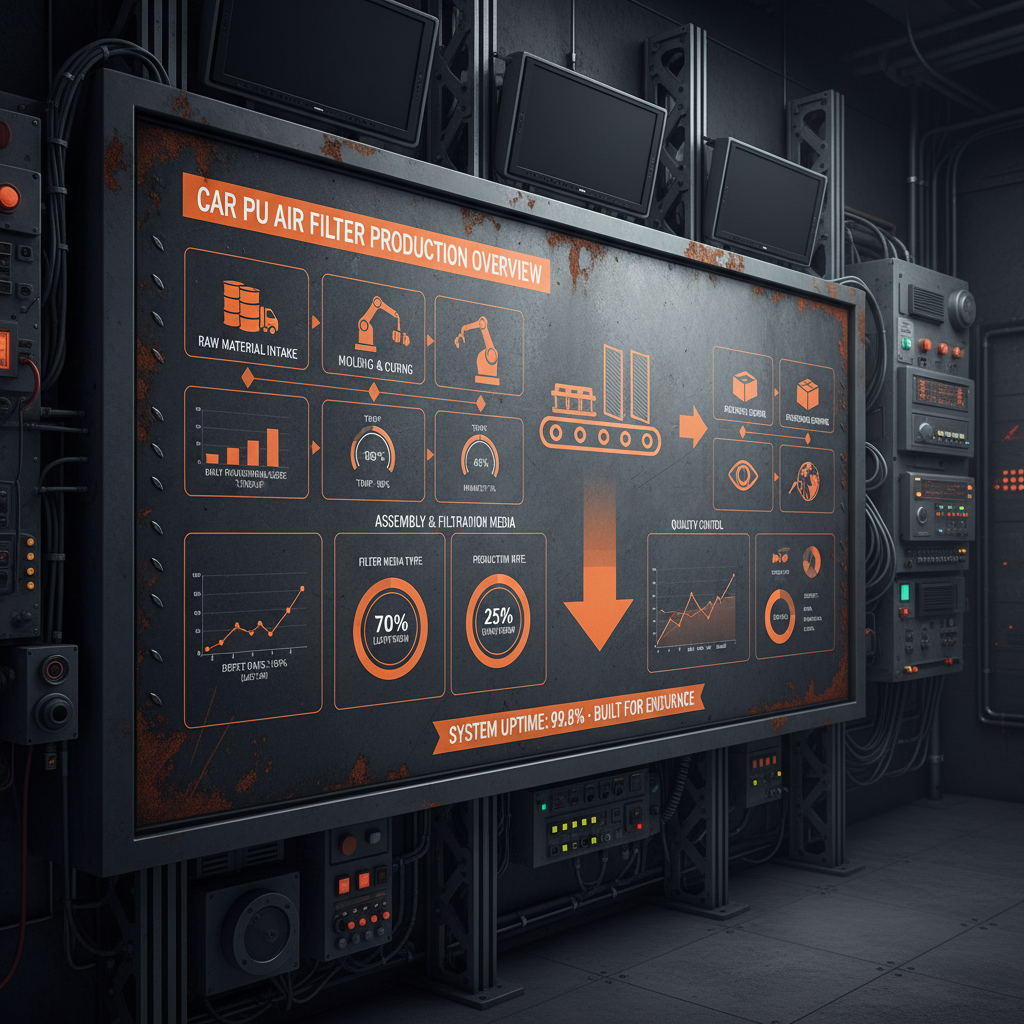
The car PU air filter production line connects directly to the automotive industry’s overall supply chain, ensuring a steady flow of critical components. Modern lines increasingly incorporate data analytics and IoT sensors for real-time monitoring and predictive maintenance, maximizing uptime and minimizing waste.
Core Components and Factors of Efficiency
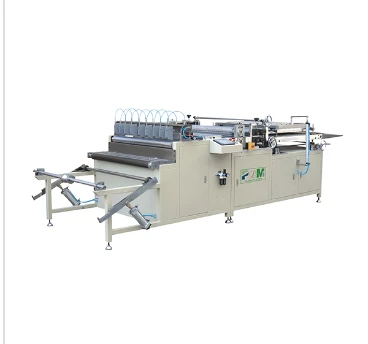
Several core components contribute to the efficiency of a car PU air filter production line. These include the material blending system, which ensures a consistent and homogeneous mixture of polyurethane components; the molding or forming machine, which shapes the filter media; and the pleating machine, which increases the surface area for optimal filtration. Accurate control of each of these components is paramount for quality.
Beyond the physical machinery, factors like process optimization, skilled labor, and effective quality control protocols significantly impact overall line efficiency. Lean manufacturing principles, such as minimizing waste and streamlining workflows, are frequently implemented. Regular maintenance and calibration of equipment are also essential.
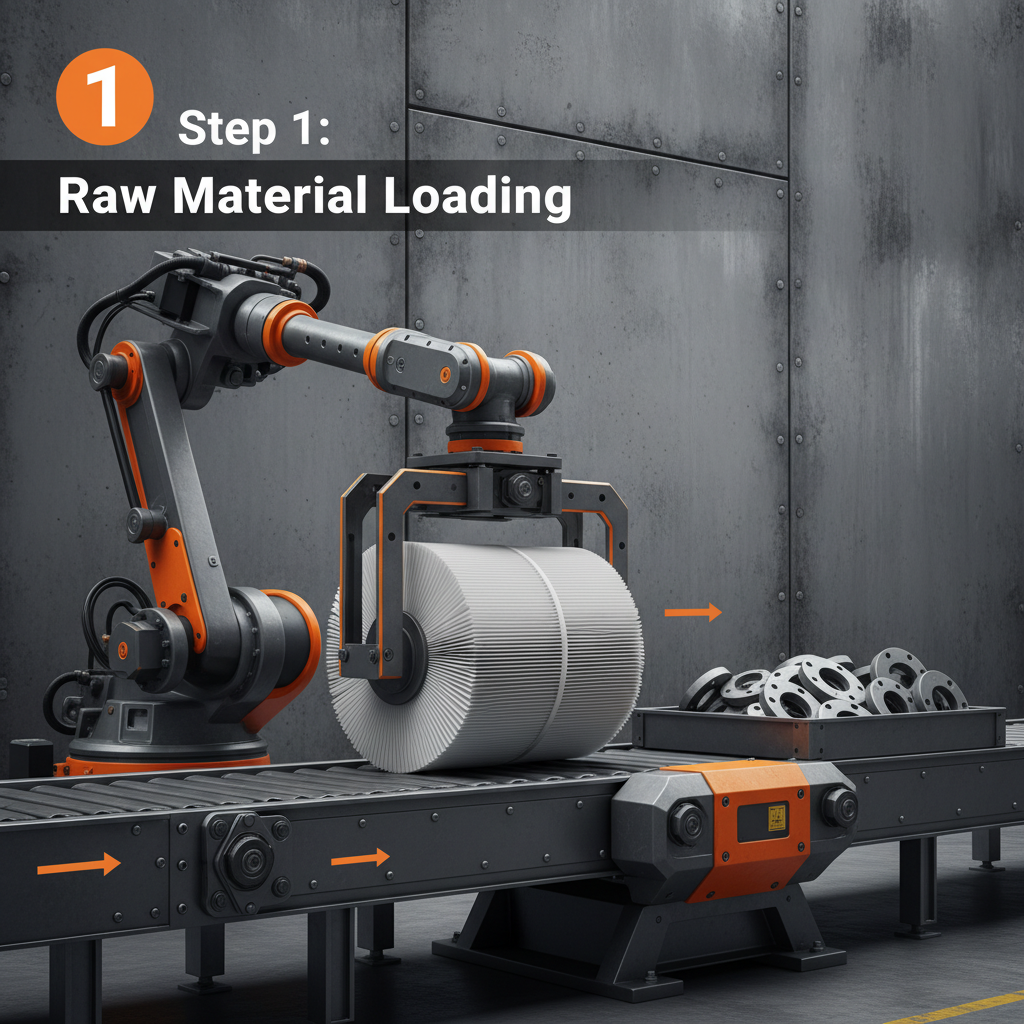
Automation plays a critical role, with robotic systems handling tasks like material loading, filter placement, and quality inspection. Real-time data monitoring and analysis help identify bottlenecks and areas for improvement. car pu air filter production line must integrate these factors.
Global Applications and Market Sectors
Car PU air filter production lines serve the global automotive industry, supplying filters to vehicle manufacturers worldwide. Major automotive production hubs, such as China, Germany, Japan, and the United States, are key markets. The increasing vehicle parc in emerging economies, like India and Brazil, is also driving demand.
These lines cater to various market sectors, including passenger vehicles, commercial vehicles, and off-road equipment. The specific requirements for each sector may vary, with commercial vehicles often demanding more robust and durable filters.
In post-disaster relief operations, maintaining clean air within emergency vehicles and temporary shelters becomes vital, increasing demand for robust filtration solutions. Similarly, in remote industrial zones where air quality is compromised, specialized filters produced by these lines play a critical role.
Car PU Air Filter Production Line – Efficiency Metrics
Advantages and Long-Term Value Proposition
Investing in a highly efficient car PU air filter production line offers numerous advantages. These include reduced manufacturing costs, improved product quality, increased production capacity, and enhanced environmental sustainability. Automation minimizes labor costs and reduces material waste.
The long-term value proposition extends beyond cost savings. Reliable filter performance translates to improved engine durability, reduced maintenance requirements, and lower emissions, enhancing brand reputation and customer satisfaction. The innovation drives better air quality and vehicle longevity.
Future Trends and Technological Innovations
The future of car PU air filter production lines is heavily influenced by several trends. These include the development of new polyurethane materials with enhanced filtration capabilities, the integration of artificial intelligence (AI) for process optimization and predictive maintenance, and the adoption of sustainable manufacturing practices.
Digital transformation, including the use of IoT sensors and cloud-based data analytics, will become increasingly prevalent. Automation, driven by advanced robotics, will continue to improve efficiency and reduce labor costs. The exploration of biodegradable and recyclable materials is also gaining traction.
Challenges and Potential Solutions
Despite advancements, car PU air filter production lines face several challenges. These include maintaining consistent material quality, managing complex supply chains, and adapting to evolving industry standards. The need for skilled labor and the high initial investment cost of advanced automation technologies also present hurdles.
Solutions involve implementing robust quality control systems, diversifying sourcing options, and investing in employee training programs. Collaborative partnerships with technology providers can facilitate the adoption of innovative automation solutions. Implementing circular economy principles for material use and waste management is also vital.
Addressing these challenges requires a proactive and strategic approach, embracing continuous improvement and leveraging the latest technological advancements to ensure the long-term competitiveness of car PU air filter production lines.
Summary of Key Performance Indicators for Car PU Air Filter Production Lines
| Production Volume |
Defect Rate |
Material Waste (%) |
Overall Equipment Effectiveness (OEE) |
| 50,000 Units/Month |
0.5% |
2% |
85% |
| 75,000 Units/Month |
0.3% |
1.5% |
90% |
| 100,000 Units/Month |
0.2% |
1% |
92% |
| 60,000 Units/Month |
0.7% |
2.5% |
80% |
| 80,000 Units/Month |
0.4% |
1.8% |
88% |
| 45,000 Units/Month |
0.6% |
2.2% |
82% |
FAQS
The core material is polyurethane foam or non-woven fabric, chosen for its excellent filtration properties. Additional components include metal or plastic frames for structural support, sealing materials to prevent bypass, and adhesives for bonding different elements. The quality and consistency of these materials are critical for filter performance and durability. Selecting the right blend of PU compounds impacts everything from filtration efficiency to lifespan.
The cost of a fully automated car PU air filter production line can vary significantly, ranging from $500,000 to over $2 million, depending on the capacity, level of automation, and included features. Factors influencing cost include the type of machinery, integration complexity, software licenses, and installation expenses. A detailed return on investment (ROI) analysis is crucial before making a substantial investment.
Regular maintenance is vital for optimal line performance. This includes routine cleaning of machinery, lubrication of moving parts, inspection of wear and tear on components, calibration of sensors, and software updates. Preventative maintenance schedules should be established to minimize downtime and extend the lifespan of equipment. A well-maintained line ensures consistent product quality.
Several strategies can improve efficiency. Implementing lean manufacturing principles, automating repetitive tasks, optimizing material flow, and utilizing data analytics for process monitoring are all effective approaches. Investing in employee training to enhance skills and identify areas for improvement is also crucial. A thorough process mapping exercise can reveal bottlenecks and opportunities for optimization.
Key quality control checks include visual inspection for defects, dimensional measurements to ensure proper fit, airflow resistance testing to verify filtration performance, and burst pressure testing to assess structural integrity. Material composition analysis and filter efficiency testing are also essential. Implementing statistical process control (SPC) can help identify and address quality issues proactively.
Yes, environmental considerations are increasingly important. This includes minimizing waste generation through efficient material utilization, reducing energy consumption by optimizing processes, and exploring the use of sustainable materials. Proper disposal of waste materials and compliance with environmental regulations are also crucial. Adopting circular economy principles can help minimize the environmental footprint.
Conclusion
In conclusion, the car PU air filter production line represents a vital component of the global automotive industry, impacting vehicle performance, air quality, and environmental sustainability. The continued evolution of this process, driven by advancements in materials, automation, and data analytics, will be crucial for meeting the demands of a rapidly changing automotive landscape. Efficient and reliable production lines are paramount for manufacturers seeking to remain competitive and deliver high-quality filtration solutions.
Looking ahead, investing in sustainable manufacturing practices and embracing digital transformation will be essential for optimizing car PU air filter production lines. Further research and development into novel materials and innovative production techniques will pave the way for even more efficient, durable, and environmentally friendly filters, contributing to a cleaner and more sustainable future. Visit our website to learn more: www.mfiltersolution.com.