The global demand for efficient and reliable truck air filtration systems is continuously growing, driven by stringent emission regulations, the increasing lifespan of commercial vehicles, and the need to optimize engine performance. A robust truck air filters machine production line is therefore crucial for manufacturers to meet these demands, ensuring a consistent supply of high-quality air filters for various truck models and applications. This has become increasingly important as the trucking industry plays a vital role in global supply chains.
The sophistication of modern truck engines necessitates advanced air filtration technology. Contaminants like dust, pollen, and particulate matter can severely damage engine components, leading to reduced efficiency, increased maintenance costs, and ultimately, engine failure. Therefore, investing in a state-of-the-art truck air filters machine production line isn’t just about meeting production targets; it’s about contributing to the longevity and reliability of the vehicles that keep the world moving.
Furthermore, the industry is witnessing a shift towards environmentally friendly filtration media and sustainable manufacturing practices. A flexible and adaptable truck air filters machine production line allows manufacturers to readily incorporate these innovations, positioning themselves as leaders in a rapidly evolving market.
The Significance of a Truck Air Filters Machine Production Line
A well-designed and efficiently operated truck air filters machine production line isn't merely about automating filter creation. It's about contributing to the overall reliability and sustainability of the trucking industry. Efficient production lines minimize waste, reduce lead times, and ensure that crucial air filtration components are readily available when and where they are needed.
The impact extends beyond just the trucking companies themselves. Reduced engine wear and tear translate to lower emissions, benefitting the environment. Furthermore, a consistent supply of quality filters minimizes costly downtime, contributing to the smooth flow of goods and services that underpin modern economies.
Understanding the Truck Air Filters Machine Production Line
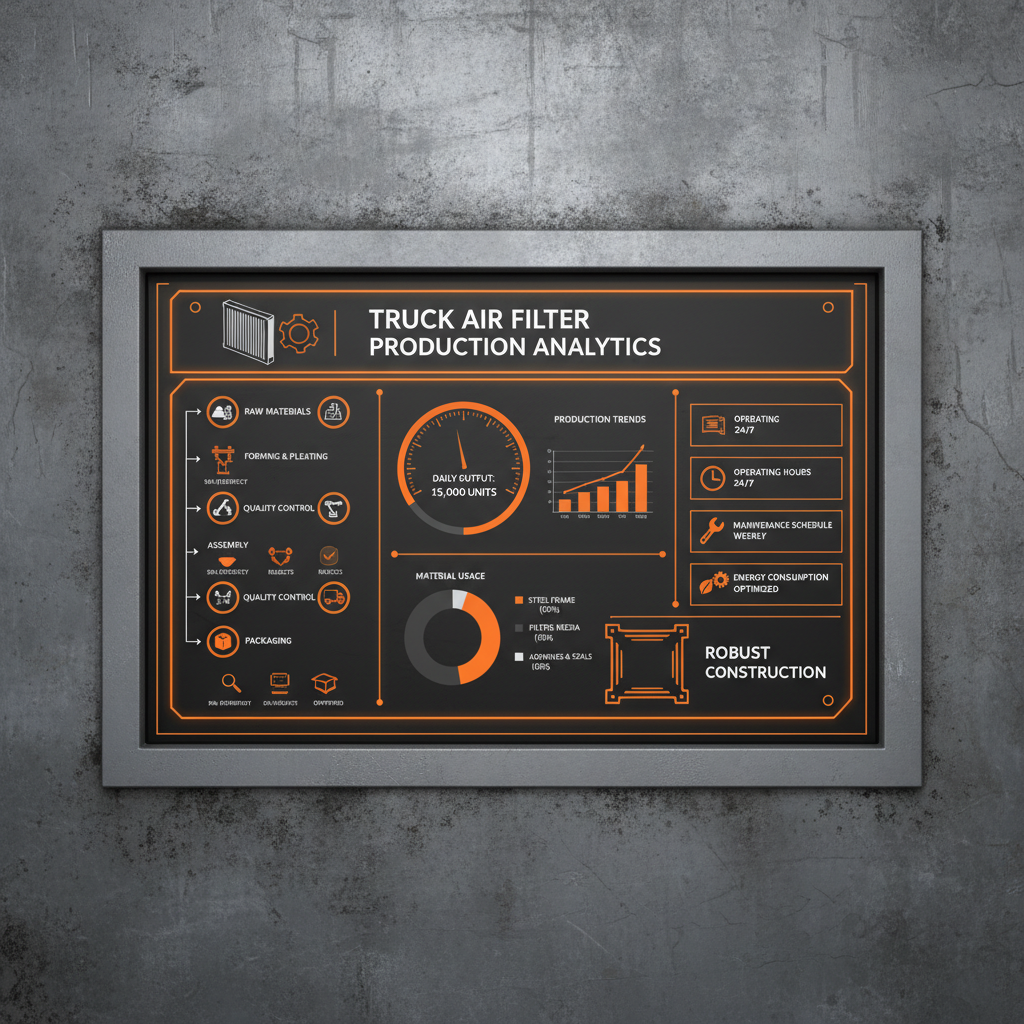
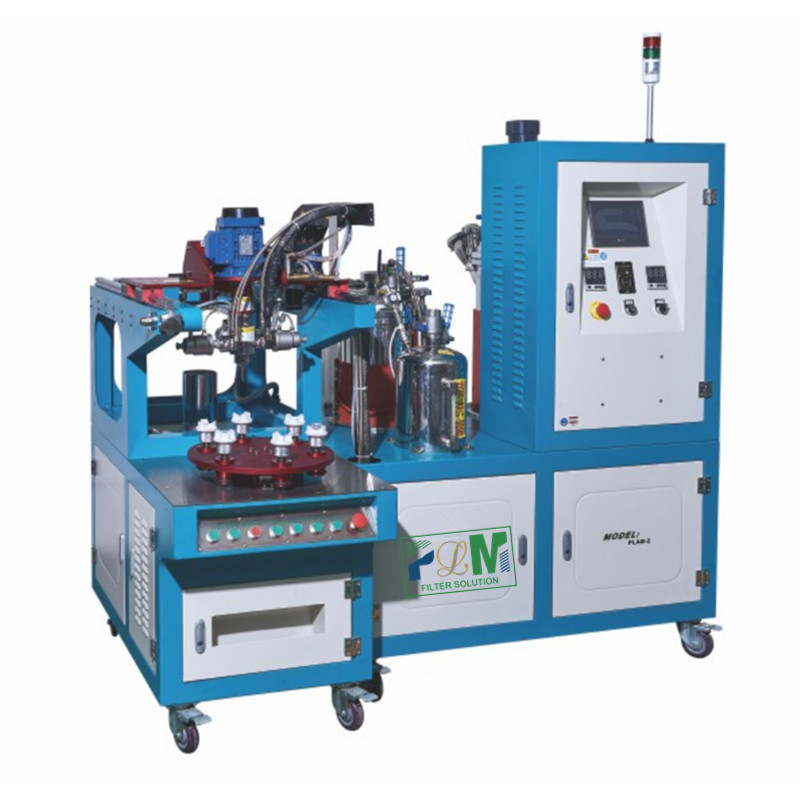
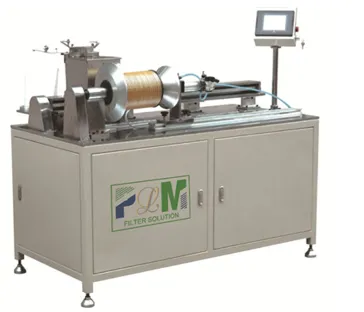
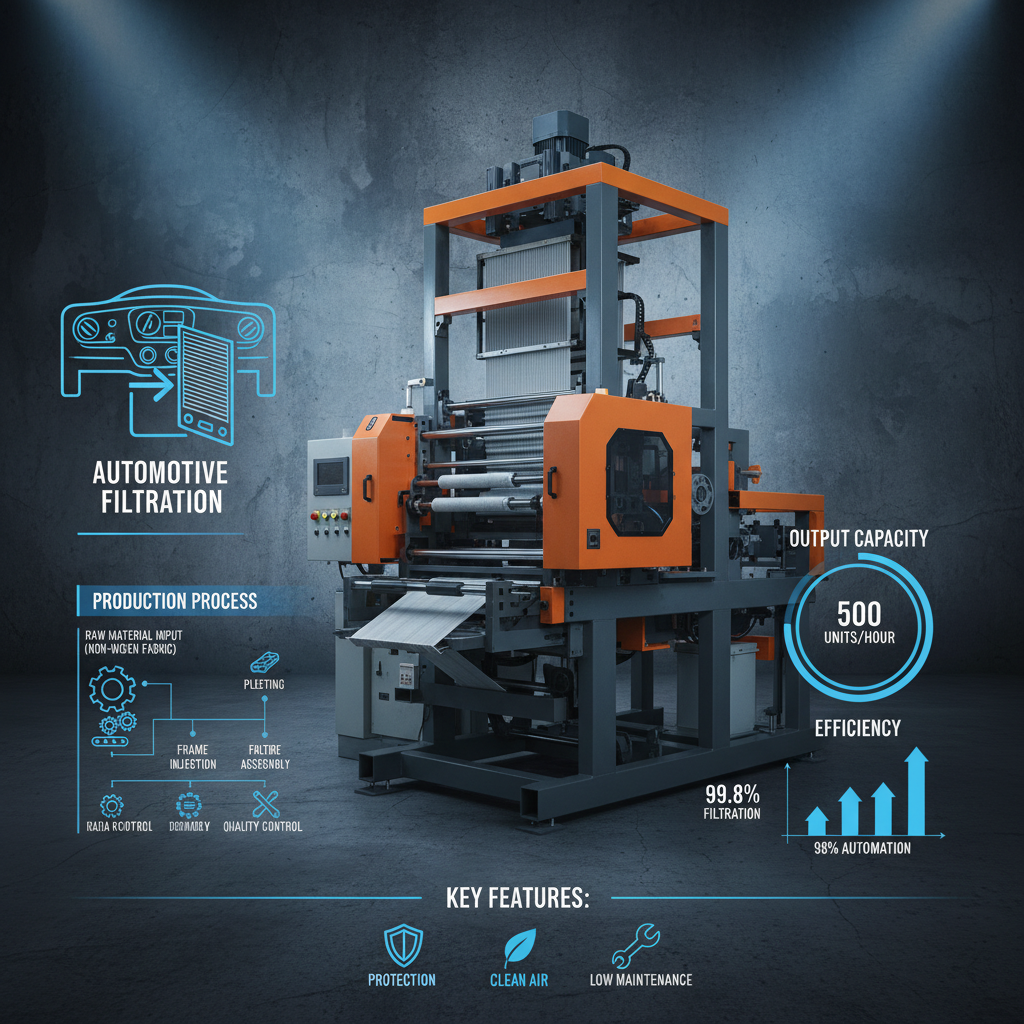
The truck air filters machine production line encompasses all the processes involved in manufacturing air filters specifically designed for commercial trucks. This includes material handling (filter media, frames, adhesives), automated filter element formation, pleating and shaping of the filter media, sealing, quality control, and packaging. Modern lines often integrate advanced robotics and machine vision systems for increased precision and efficiency.
The complexity of these lines can vary considerably depending on the volume of production, the range of filter types manufactured, and the level of automation employed. A basic line might rely heavily on manual labor, while a fully automated line can produce thousands of filters per day with minimal human intervention.
Understanding the intricacies of each stage of the production process – from raw material input to finished product output – is essential for optimizing performance, minimizing defects, and ensuring consistent quality in the truck air filters machine production line.
Defining Truck Air Filters Machine Production Line
A truck air filters machine production line is a specialized manufacturing system designed for the large-scale production of air filters used in commercial vehicles. It's a confluence of mechanical, electrical, and software engineering principles, focused on transforming raw materials into a critical component that protects truck engines from harmful contaminants.
The definition extends beyond simply assembling filters. It also encompasses the associated processes of material procurement, quality assurance, packaging, and logistics. A truly effective truck air filters machine production line is seamlessly integrated into a broader supply chain, ensuring timely delivery of a consistent product to meet market demands.
In essence, the line enables manufacturers to meet the stringent demands of the automotive industry, adhering to strict quality control standards and constantly innovating to improve filtration performance and durability. It’s a vital element in keeping the global transportation network functioning efficiently and reliably.
Key Factors in Truck Air Filters Machine Production Line
Several critical factors determine the efficiency and effectiveness of a truck air filters machine production line. These include automation levels, material handling systems, quality control measures, and line flexibility.
Automation reduces labor costs, increases production speed, and minimizes human error. Efficient material handling systems streamline the flow of raw materials and finished products, while robust quality control measures ensure that every filter meets stringent performance standards.
Truck Air Filters Machine Production Line Performance Metrics
Global Applications of Truck Air Filters Machine Production Line
Truck air filters machine production lines are vital across the globe, serving diverse markets and industries. In North America, they support a massive trucking fleet essential for domestic logistics. Europe demands high-efficiency filters to meet stringent emission standards.
Asia, particularly China and India, represents a rapidly growing market, fueled by increasing industrialization and infrastructure development. These lines are utilized by both large multinational corporations and smaller, regional manufacturers, supplying air filters for everything from long-haul transport to construction vehicles.
Advantages and Long-Term Value of Truck Air Filters Machine Production Line
Investing in a modern truck air filters machine production line offers significant advantages, including reduced production costs, improved product quality, and increased operational efficiency. Furthermore, the ability to rapidly adapt to changing market demands and incorporate new materials enhances long-term competitiveness.
Beyond the economic benefits, a robust production line contributes to environmental sustainability by minimizing waste and facilitating the use of eco-friendly filtration media. This resonates with environmentally conscious consumers and helps manufacturers build a positive brand image.
Ultimately, the long-term value lies in providing a reliable supply of high-quality air filters that protect truck engines, reduce emissions, and contribute to the efficient and sustainable operation of the global transportation network.
Future Trends in Truck Air Filters Machine Production Line
The future of truck air filters machine production lines will be shaped by several key trends. These include the integration of Industry 4.0 technologies – such as the Industrial Internet of Things (IIoT) and artificial intelligence (AI) – to optimize production processes and enable predictive maintenance.
Increased focus on sustainability will drive the development of biodegradable and recyclable filter media, necessitating adaptable production lines capable of handling these new materials. The adoption of digital twins – virtual replicas of the physical production line – will allow for real-time monitoring, simulation, and optimization.
We can also anticipate greater demand for customized filter solutions tailored to specific truck models and operating conditions, requiring flexible production lines capable of handling small batch sizes and rapid changeovers.
Summary of Future Trends in Truck Air Filters Machine Production Line
| Trend Category |
Technology Driver |
Impact on Production |
Expected Timeline |
| Automation & Robotics |
AI, Machine Learning |
Increased efficiency, reduced labor costs |
Short-Term (1-3 years) |
| Sustainable Materials |
Bioplastics, Recycled Fibers |
Adaptable processing techniques required |
Mid-Term (3-5 years) |
| Digitalization |
IIoT, Digital Twins |
Real-time monitoring, predictive maintenance |
Mid-Term (3-5 years) |
| Customization |
Flexible Manufacturing Systems |
Small batch production, rapid changeovers |
Long-Term (5+ years) |
| Data Analytics |
Big Data, Cloud Computing |
Process optimization, quality control |
Long-Term (5+ years) |
| Remote Monitoring |
5G Connectivity |
Remote troubleshooting and diagnostics |
Mid-Term (3-5 years) |
FAQS
Establishing a truck air filters machine production line involves significant initial investments. These include the cost of the machinery itself (ranging from $500,000 to $2 million+ depending on automation level), facility preparation (including flooring, ventilation, and electrical systems), installation and commissioning costs, training for personnel, and initial raw material procurement. It’s crucial to conduct a detailed cost-benefit analysis and consider financing options to manage these expenses effectively.
Determining the optimal automation level requires a careful assessment of your production volume, budget, and available skill set. Higher automation reduces labor costs and increases speed but demands greater upfront investment and specialized maintenance expertise. A phased approach – starting with semi-automation and gradually increasing automation as production grows – can be a prudent strategy. Consider factors like return on investment (ROI) and potential future expansion.
Rigorous quality control is paramount. Essential measures include regular inspection of raw materials, in-process monitoring of filter element formation, final product testing for air flow resistance, particle filtration efficiency, and structural integrity. Statistical Process Control (SPC) techniques can help identify and address potential issues early on. Adherence to industry standards (like ISO 9001) is also vital.
Sustainability is increasingly important. Consider using eco-friendly filter media (like recycled materials), minimizing waste through efficient material handling, and reducing energy consumption through optimized machine operation. Implementing closed-loop systems for water usage and waste recycling can further enhance sustainability. Demonstrating a commitment to environmental responsibility can attract environmentally conscious customers.
Regular preventative maintenance is crucial for maximizing uptime and minimizing costly repairs. This includes lubrication of moving parts, inspection and replacement of wear items (like belts and filters), calibration of sensors and control systems, and software updates. Establishing a scheduled maintenance program and training personnel in basic maintenance procedures are essential.
Flexibility is key. Choose machinery with adjustable parameters for pleat height, filter diameter, and material thickness. Modular designs allow for easy swapping of components. Implement software control systems that can be readily programmed to handle different filter specifications. Investing in quick-change tooling can significantly reduce changeover times between product types, increasing the line’s adaptability.
Conclusion
A well-designed and operated truck air filters machine production line is no longer simply a manufacturing process; it's a strategic asset. It drives efficiency, sustainability, and ultimately, the reliability of the global transportation network. By embracing automation, focusing on quality control, and adapting to emerging trends, manufacturers can ensure their long-term competitiveness in this vital industry.
Looking ahead, investing in innovation and sustainability will be paramount. The integration of Industry 4.0 technologies, the adoption of eco-friendly materials, and the development of flexible production systems will define the future of truck air filters machine production lines. Visit our website at www.mfiltersolution.com to explore how we can help you optimize your production processes.