Tel
Email
whatsapp
Top
0%

Table of Contents

The global demand for efficient and reliable filtration systems is constantly growing, driven by increasing industrialization, stringent environmental regulations, and a heightened awareness of public health concerns. This demand fuels innovation and advancements in filter manufacture machine technology, making it a critical component in a vast array of industries. Understanding the intricacies of these machines—from their core components to emerging trends—is paramount for businesses seeking to optimize their production processes and meet evolving market needs.

The significance of filter manufacture machine extends far beyond mere production efficiency. It directly impacts the quality and safety of products across numerous sectors, including pharmaceuticals, food and beverage, water treatment, and automotive. A properly manufactured filter, created by a state-of-the-art machine, safeguards consumer health, protects sensitive equipment, and minimizes environmental pollution. Investing in advanced filter manufacturing capabilities is therefore a strategic imperative for businesses committed to sustainability and responsible production.

Ultimately, the efficient and precise creation of filters depends entirely on the quality of the machinery used. A robust filter manufacture machine ensures consistent product quality, reduces waste, and minimizes operational costs. This not only benefits manufacturers but also contributes to a more sustainable and reliable supply chain for essential products worldwide.
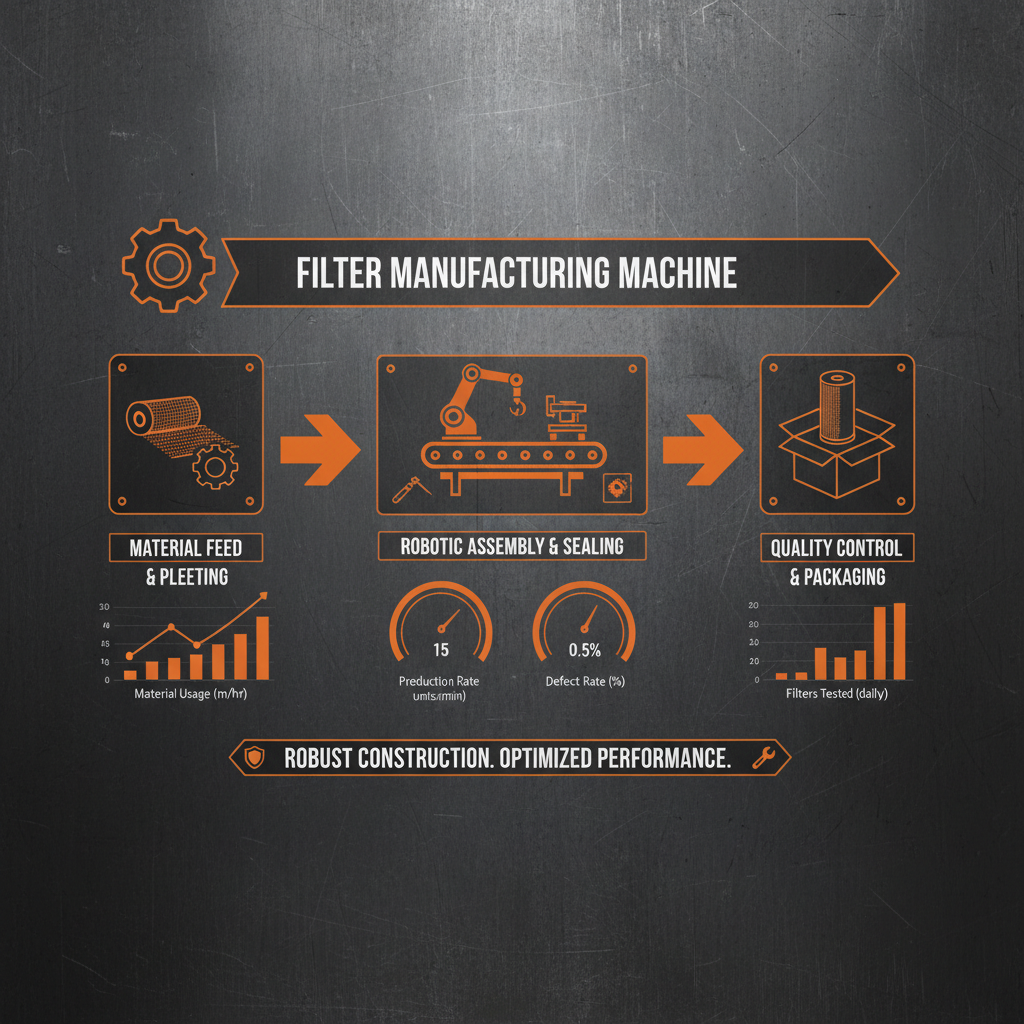
Advanced Filter Manufacture Machine Solutions for Optimized Production Processes

The Core Principles of filter manufacture machine

Advanced Filter Manufacture Machine Solutions for Optimized Production Processes

At its core, a filter manufacture machine is designed to automate and optimize the production of various filter types. These machines employ sophisticated technologies to handle material feeding, forming, pleating, sealing, and quality control processes. The fundamental principle revolves around achieving consistent accuracy, high throughput, and minimal material waste.

The efficiency of these machines is significantly influenced by factors like material compatibility, machine calibration, and operator skill. Proper maintenance and regular updates are also crucial for sustained performance and longevity, ensuring the machine continues to meet demanding production targets.

The Global Landscape of filter manufacture machine

The global market for filter manufacture machine is experiencing steady growth, driven by expanding industries such as automotive, HVAC, and water purification. Asia-Pacific currently dominates the market due to its robust manufacturing sector and growing domestic demand. North America and Europe represent significant markets with a focus on high-precision, technologically advanced machines.

According to recent reports, the filter manufacturing machinery market is projected to reach USD 2.5 billion by 2028, growing at a CAGR of 4.8% during the forecast period. This growth is fueled by increasing environmental concerns, stricter emission standards, and the need for cleaner industrial processes.

Key players in the industry include companies specializing in automation, robotics, and precision engineering. These manufacturers are continually innovating to develop machines that are faster, more efficient, and capable of producing a wider range of filter types.

Defining filter manufacture machine: A Comprehensive Overview

A filter manufacture machine is a specialized piece of equipment designed to automatically produce filters of varying materials, sizes, and configurations. These machines encompass a range of technologies, from simple folding and pleating machines to complex automated systems that handle the entire production process, from material feeding to final product packaging.

The connection to modern industry is undeniable. Filters are integral to numerous sectors, protecting equipment, ensuring product quality, and safeguarding the environment. Consequently, efficient and reliable filter manufacturing is a vital component of modern supply chains and industrial processes.

From ensuring clean air and water to protecting sensitive machinery in manufacturing facilities, filter manufacture machine indirectly supports a multitude of humanitarian needs. Access to clean resources and reliable industrial operations are foundational to economic development and improved quality of life.

Key Components and Operational Factors

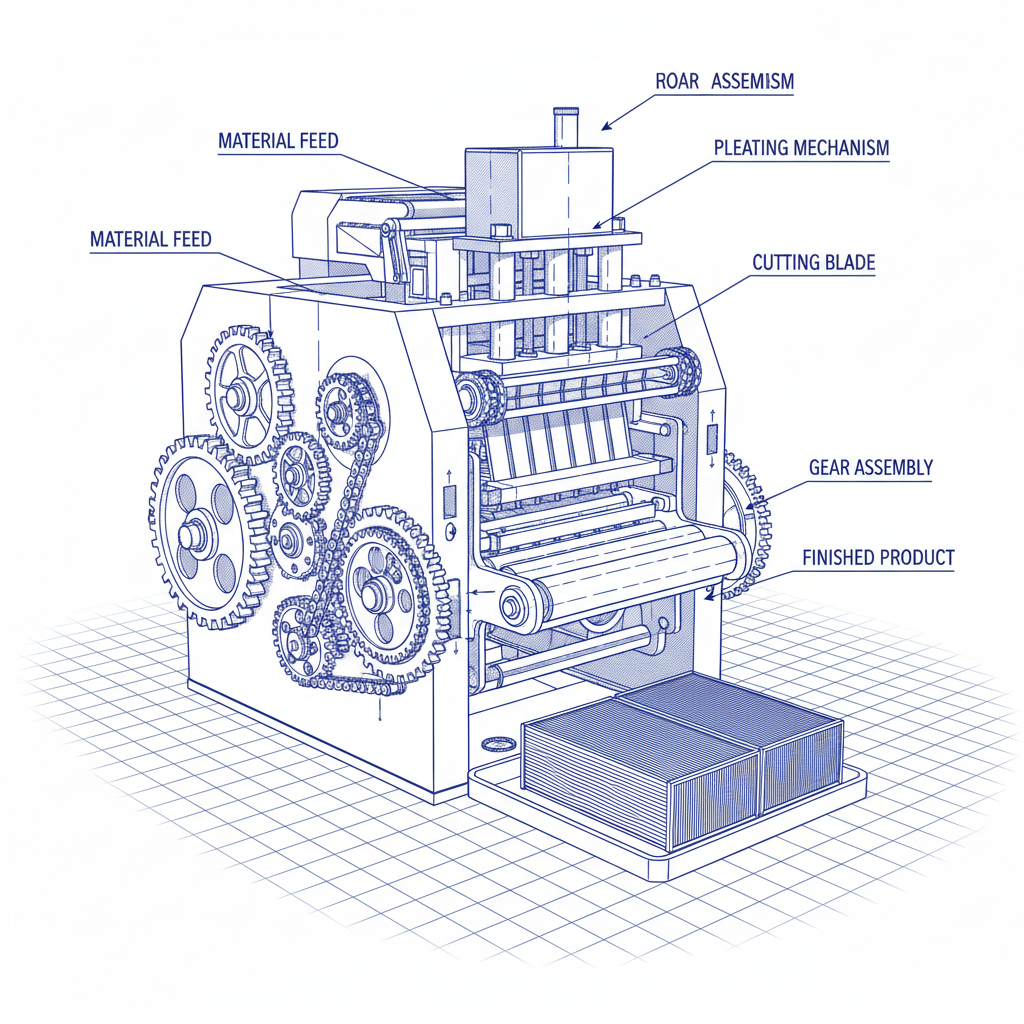
Several key factors contribute to the performance and reliability of a filter manufacture machine. These include the precision of the material feeding system, the accuracy of the pleating mechanism, the effectiveness of the sealing process, and the integration of quality control sensors.

Durability is paramount, as these machines often operate continuously in demanding industrial environments. Scalability is also crucial, allowing manufacturers to adjust production capacity to meet changing market demands. Finally, cost efficiency—considering both upfront investment and ongoing operating expenses—is a key consideration for businesses.

Filter Manufacture Machine Performance Metrics


Real-World Applications and Industry Impact

Filter manufacture machine plays a vital role in the automotive industry, producing air filters, oil filters, and fuel filters essential for vehicle performance and emissions control. In the pharmaceutical sector, these machines create sterile filters used in drug manufacturing and purification processes.

Furthermore, these machines are crucial for water treatment facilities, generating filters that remove contaminants and ensure access to clean drinking water. In remote industrial zones, where access to readily available filters is limited, on-site filter manufacturing capabilities can significantly reduce downtime and improve operational efficiency.

Advantages and the Long-Term Value Proposition

Investing in a high-quality filter manufacture machine offers numerous tangible benefits, including reduced labor costs, increased production capacity, and improved product consistency. The long-term value extends beyond cost savings, encompassing enhanced sustainability through minimized material waste and reduced environmental impact.

Beyond the purely economic advantages, employing advanced filter manufacturing technology instills trust and confidence in product quality, enhancing brand reputation and fostering customer loyalty. The peace of mind that comes with knowing your products are consistently meeting stringent quality standards is invaluable.

Future Trends and Technological Advancements

The future of filter manufacture machine is inextricably linked to advancements in automation, robotics, and materials science. We can anticipate increased integration of AI-powered quality control systems, enabling real-time defect detection and process optimization.

Furthermore, the development of sustainable and biodegradable filter materials will drive innovation in machine design, requiring machines capable of processing these new materials efficiently and effectively. Digital transformation, including the adoption of Industry 4.0 principles, will further enhance connectivity and data analytics, leading to predictive maintenance and optimized production schedules.

The pursuit of green energy solutions will also influence the industry, with demand rising for specialized filters used in renewable energy systems, prompting manufacturers to develop machines capable of producing these high-performance filters.

Summary of Key Challenges and Potential Solutions in Filter Manufacture Machine Technology

Challenge Impact on Production Potential Solution Implementation Cost (Scale 1-10)
Material Waste Increased costs, environmental concerns Precision cutting and optimized nesting algorithms 6
Quality Control Defective filters, recalls AI-powered vision systems for real-time inspection 8
Machine Downtime Lost production, delays Predictive maintenance using sensor data 7
Material Compatibility Process issues, filter failures Modular machine components for material flexibility 5
Operator Skill Gap Inconsistent product quality Automated machine interfaces and training programs 4
Energy Consumption High operating costs Energy-efficient components and optimized processes 3

FAQS

What are the primary factors influencing the cost of a filter manufacture machine?

The cost of a filter manufacture machine is influenced by several factors, including the machine's automation level, production capacity, material handling capabilities, and the complexity of the filter types it can produce. Customization, brand reputation, and post-sale support services also contribute to the overall price. Machines designed for high-precision or specialized filter production generally command higher costs. The level of automation, moving from manual to fully automated, drastically impacts the investment.

How much maintenance does a filter manufacture machine typically require?

Regular maintenance is crucial for optimal performance and longevity of a filter manufacture machine. This includes routine lubrication, cleaning, inspection of wear parts, and calibration of sensors and controls. Preventative maintenance schedules, recommended by the manufacturer, should be strictly adhered to. More sophisticated machines may require specialized maintenance performed by trained technicians. Failure to maintain the machine can lead to costly downtime and reduced product quality.

What safety features are essential in a modern filter manufacture machine?

Modern filter manufacture machines should incorporate comprehensive safety features, including emergency stop buttons, safety guards on moving parts, light curtains, and interlock systems. Machine enclosures minimize noise and contain debris, while clear warning labels and safety training for operators are essential. Compliance with relevant safety standards, such as ISO 13849-1, is critical for protecting personnel and preventing accidents.

What are the key considerations when choosing between different filter manufacturing methods?

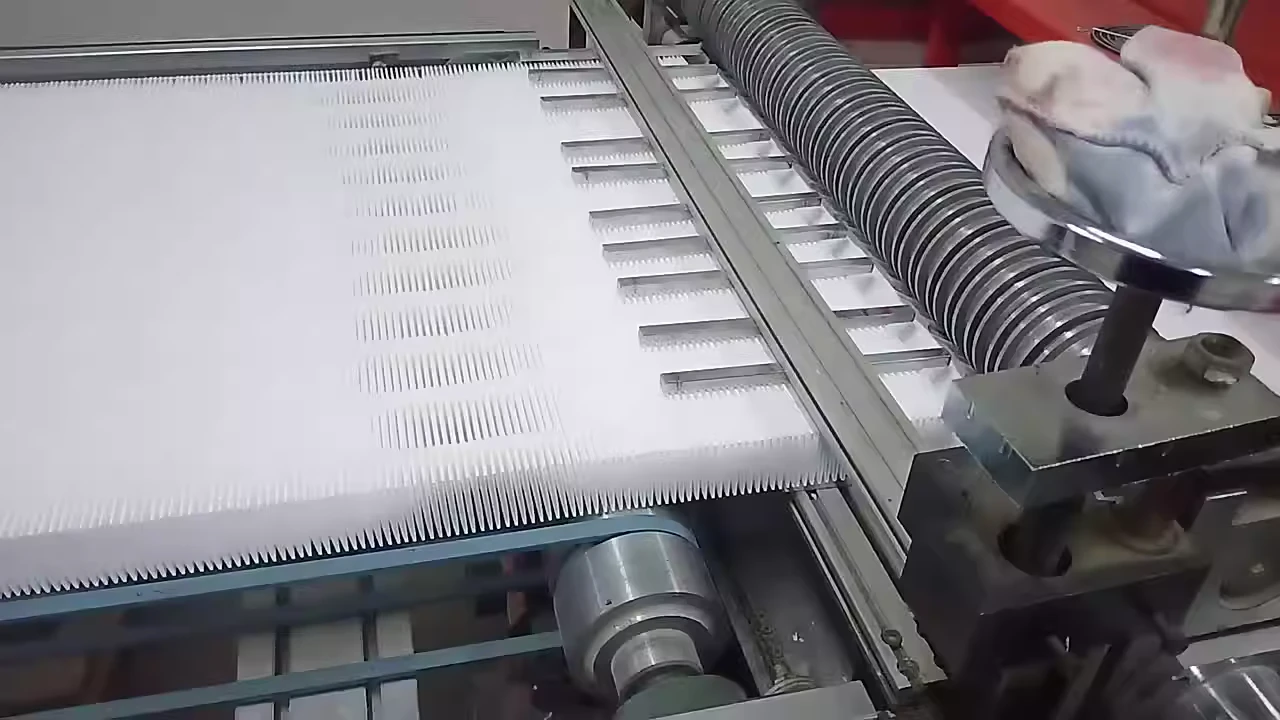
Choosing the right filter manufacturing method depends on factors such as the desired filter type, production volume, material costs, and quality requirements. Methods include pleating, spiral winding, melt-blowing, and electrostatic filtration. Pleating is suitable for high-efficiency filters, while spiral winding is ideal for cylindrical filters. Carefully evaluating these factors will ensure you select the most cost-effective and efficient method for your specific needs, and choose a filter manufacture machine accordingly.

How can automation improve the efficiency of filter manufacturing?

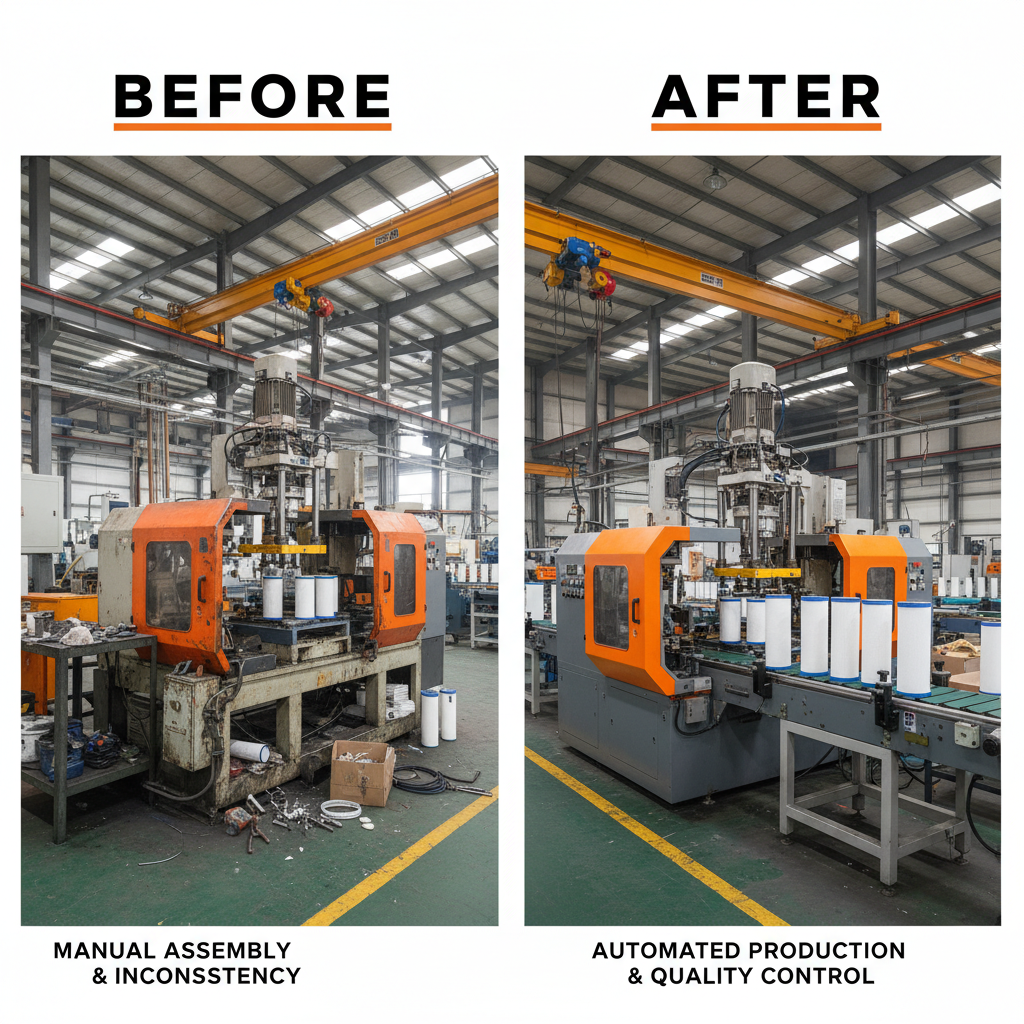
Automation dramatically improves efficiency in filter manufacturing by reducing manual labor, minimizing errors, and increasing production speed. Automated systems can handle material feeding, cutting, pleating, sealing, and quality control with greater precision and consistency than manual processes. This leads to lower production costs, improved product quality, and increased throughput. Moreover, automated data collection allows for process optimization and predictive maintenance.

What is the expected lifespan of a well-maintained filter manufacture machine?

With proper maintenance and adherence to the manufacturer’s recommendations, a high-quality filter manufacture machine can have a lifespan of 10-15 years, or even longer. Regular inspections, preventative maintenance, and timely replacement of wear parts are essential for maximizing longevity. Investing in robust construction and high-quality components initially contributes to a longer service life. Machine upgrades and retrofits can further extend its operational lifespan.

Conclusion

In conclusion, the filter manufacture machine market is vital to various industries, driven by the continuous need for efficient filtration solutions. Advancements in automation, materials science, and digital technologies are reshaping the landscape, offering opportunities for improved efficiency, sustainability, and product quality. Understanding the core principles, key components, and future trends is crucial for businesses looking to optimize their filter manufacturing operations.

Looking ahead, prioritizing investments in cutting-edge technology and sustainable practices will be paramount. By embracing innovation and focusing on long-term value, manufacturers can ensure they remain competitive and meet the evolving demands of a global market. For premium filter manufacture machine solutions and expert support, visit our website today.
David Miller

David Miller

David Miller is a seasoned Filtration Engineer at Leiman Filter Solution Group, specializing in optimizing filter performance for industrial applications. With over 8 years of experience, David has a deep understanding of filter material science and system integration. He’s been instrumental in developing and implementing customized filtration solutions for clients
Previous Advanced Truck Air Filters Machine Production Line Solutions for Efficient Manufacturing
Next Advancements in Air Filter Producing Machine Technology for Global Air Quality
f_btn4

If you are interested in our products, you can choose to leave your information here, and we will be in touch with you shortly.