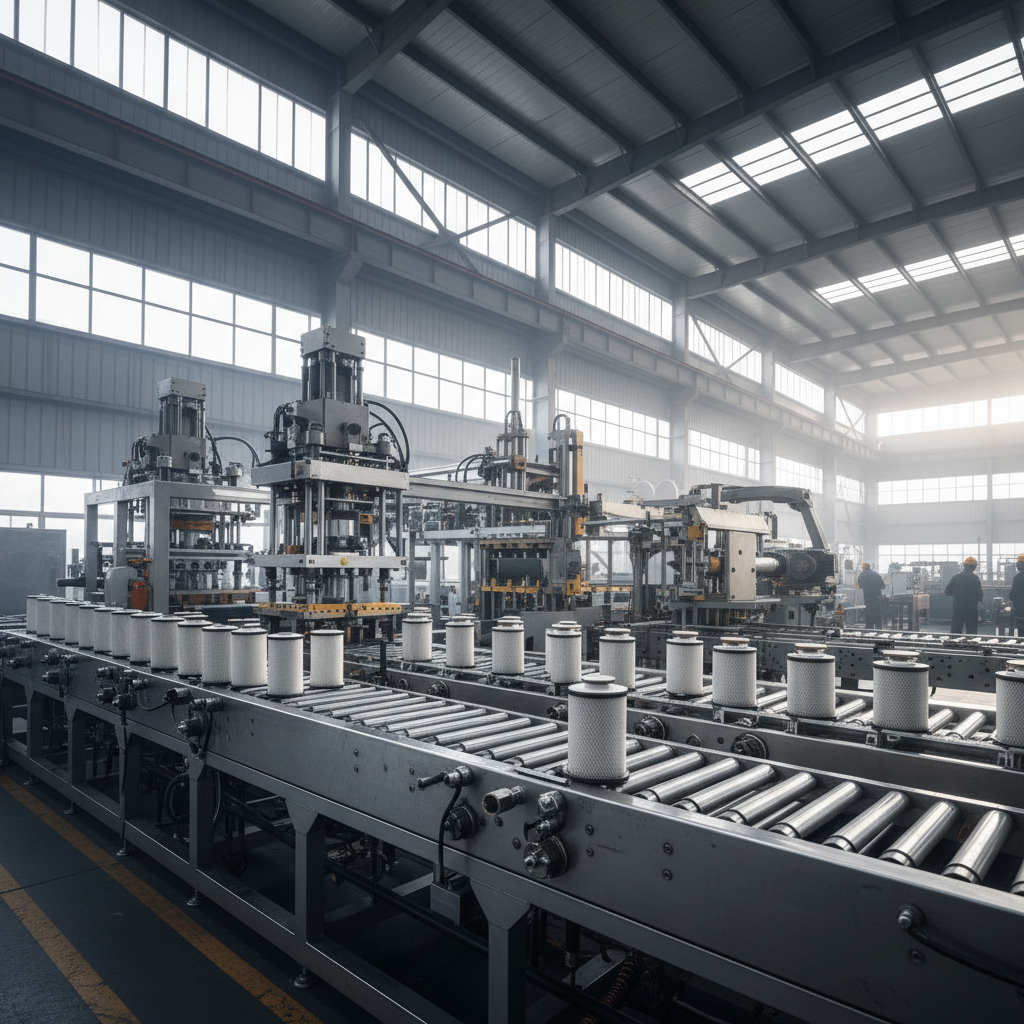
The toyota air filter production line is a critical component of vehicle maintenance, ensuring engine health and optimal performance. Globally, the automotive industry relies heavily on efficient and reliable air filter manufacturing to meet the demands of a vast consumer base. Understanding the intricacies of this production line is essential for automotive engineers, manufacturing specialists, and supply chain managers alike. A streamlined toyota air filter production line translates directly into cost savings, improved vehicle quality, and reduced environmental impact.
The scale of toyota air filter production is immense, with millions of filters produced annually to support both original equipment manufacturing (OEM) and aftermarket demands. The efficiency and precision of this process are paramount, impacting vehicle longevity and driver safety. Innovations in materials and manufacturing techniques are continuously shaping the toyota air filter production line, leading to filters with improved filtration capabilities and extended service life.
The importance of a high-quality toyota air filter production line extends beyond simply protecting engines; it’s about contributing to cleaner air and a more sustainable automotive future. As emission standards become more stringent, the demand for advanced filtration systems will only increase, making optimization of the production line a vital focus for the automotive sector.
The Importance of the toyota air filter production line
The toyota air filter production line is paramount to ensuring the longevity and performance of Toyota vehicles. A properly functioning air filter prevents harmful particles from entering the engine, safeguarding against wear and tear. Efficient production lines minimize downtime and ensure a consistent supply of high-quality filters, critical for both assembly and replacement markets.
Maintaining a robust toyota air filter production line is not simply about meeting demand; it’s about upholding Toyota's reputation for reliability and engineering excellence. Continuous improvements in filter design and manufacturing processes directly contribute to enhanced fuel efficiency and reduced emissions, aligning with global sustainability goals.
Global Context and Industry Standards
The global automotive air filter market is substantial and highly competitive, with stringent industry standards governing performance and quality. ISO 9001 certification is prevalent among toyota air filter production line facilities, demonstrating commitment to quality management systems. Manufacturers must adhere to evolving emission regulations in various countries, prompting ongoing innovation in filter technology.
The demand for toyota air filters is influenced by vehicle production volumes, driving habits, and environmental conditions. Regions with high pollution levels often require more frequent filter replacements, driving up demand. Supply chain disruptions and raw material costs also play a significant role in shaping the global landscape of toyota air filter production.
According to industry reports, the automotive filter market is projected to experience steady growth in the coming years, driven by increasing vehicle ownership and a growing awareness of the importance of preventative maintenance. The toyota air filter production line stands to benefit from this trend, provided it maintains a focus on innovation and efficiency.
Defining the toyota air filter production line
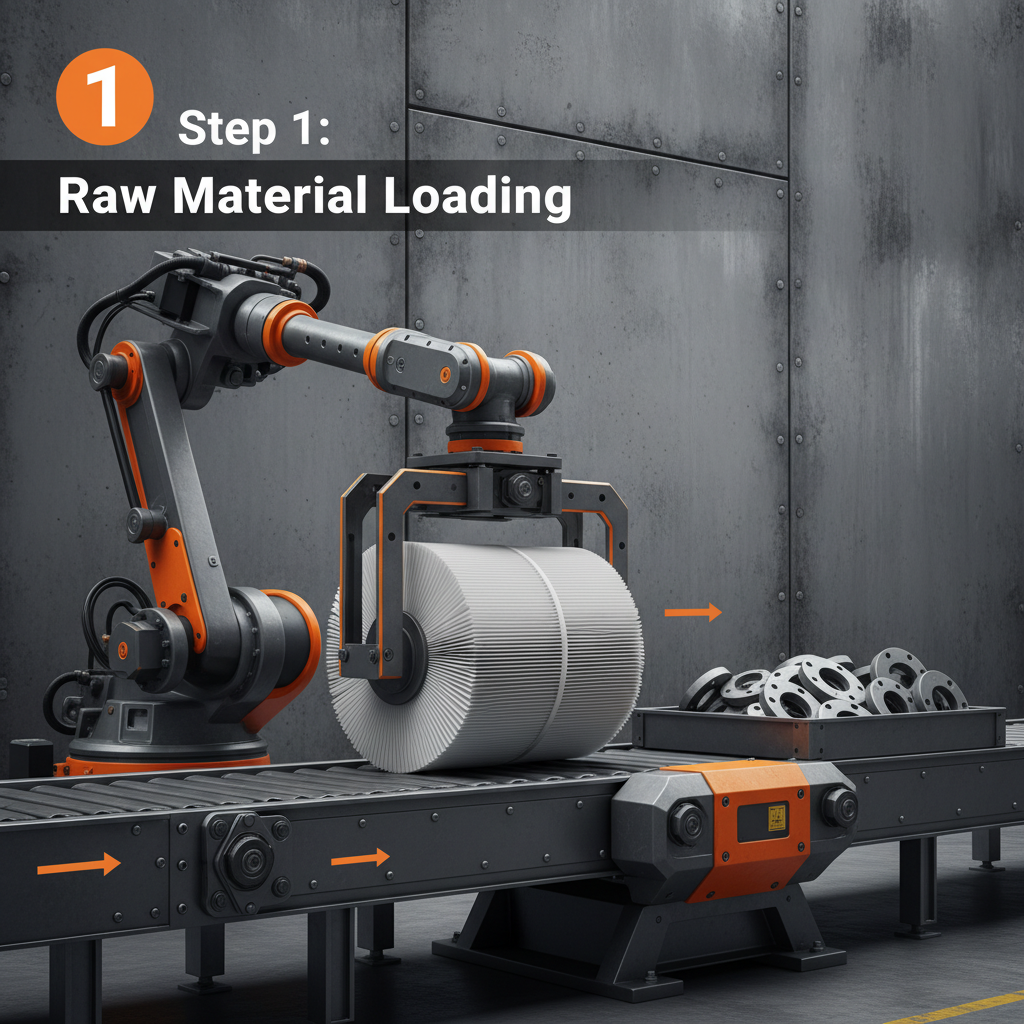
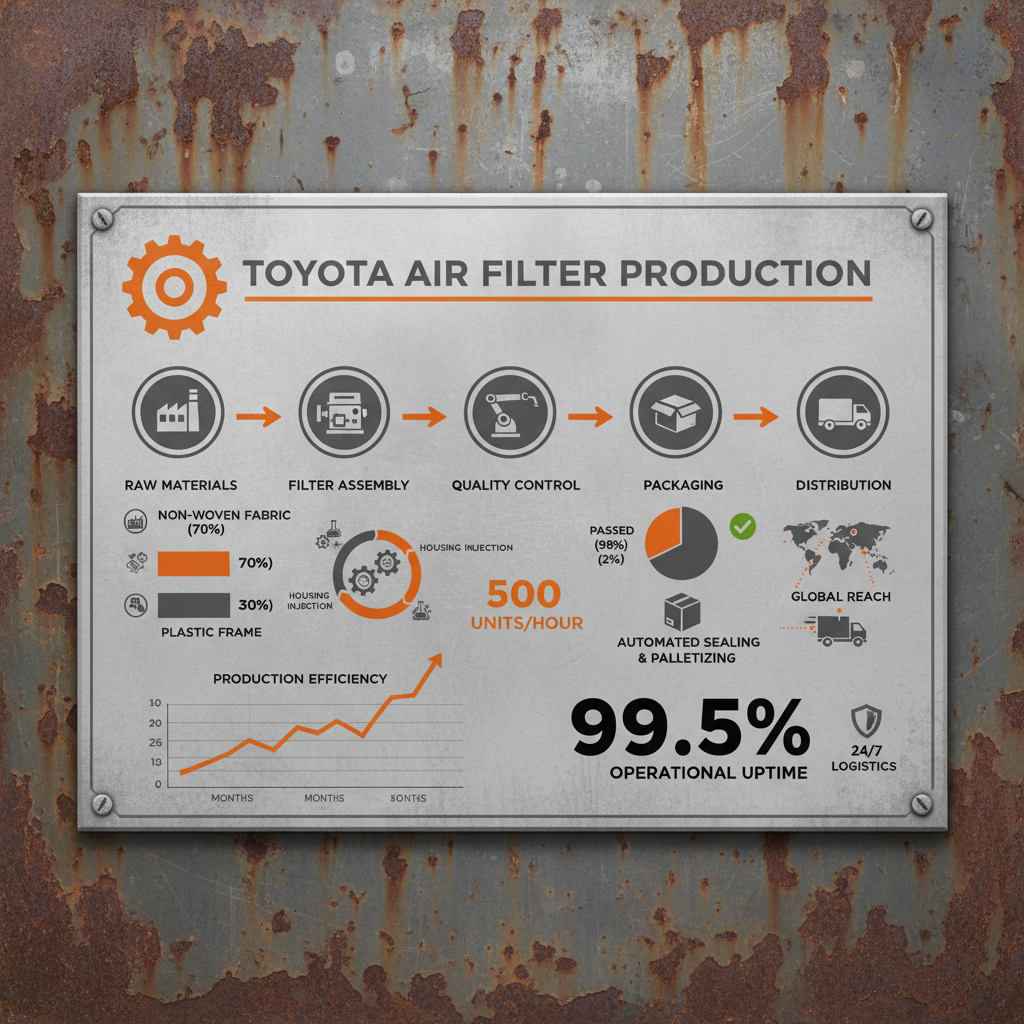
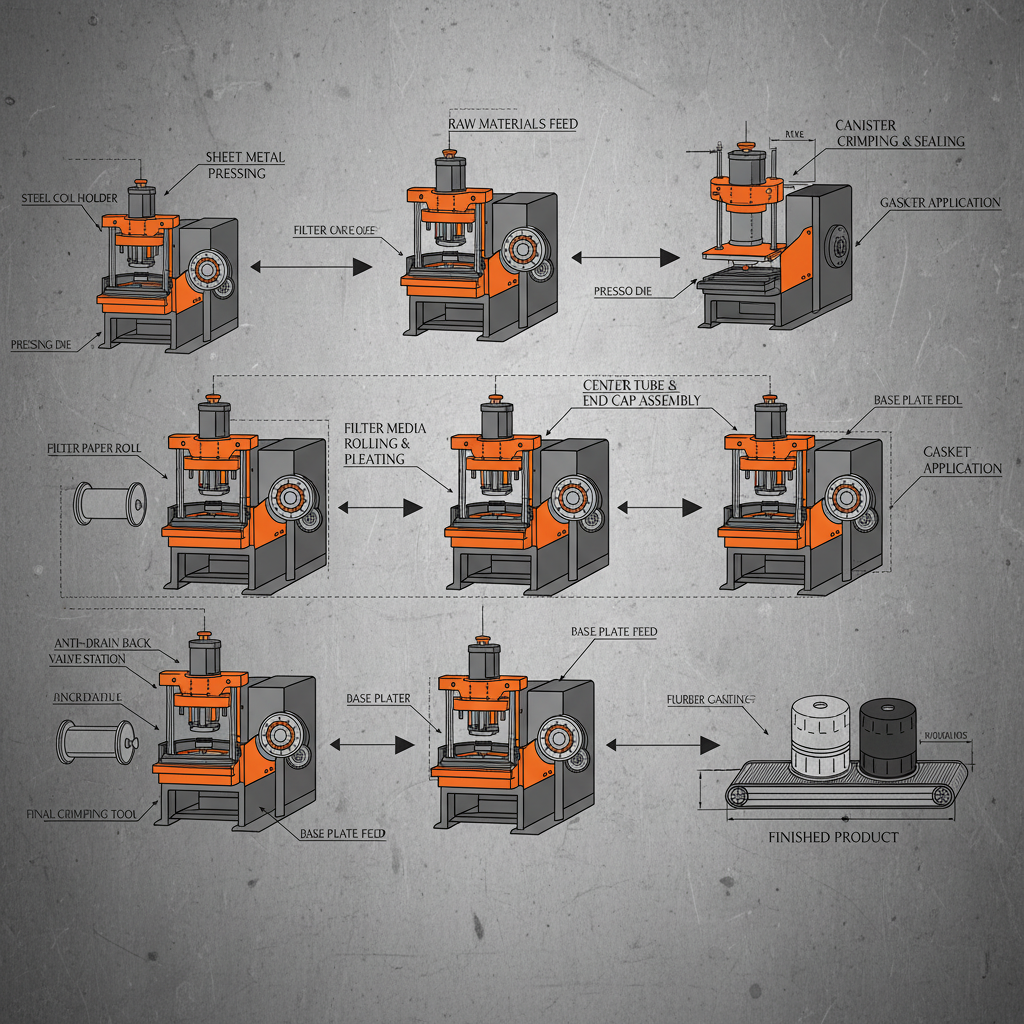
The toyota air filter production line encompasses all stages of filter manufacturing, from raw material sourcing and component fabrication to assembly, testing, and packaging. It involves a complex interplay of automated machinery, skilled labor, and rigorous quality control procedures, all designed to deliver a consistently high-quality product.
Essentially, the toyota air filter production line transforms raw materials like filter media (typically cellulose or synthetic fibers), plastic frames, and sealing compounds into a finished product capable of effectively removing airborne contaminants from the engine intake. This process requires precision engineering, careful material selection, and adherence to strict tolerances.
Modern toyota air filter production lines are often integrated with advanced manufacturing technologies, such as robotics, machine vision, and data analytics, to optimize efficiency, reduce waste, and enhance product quality. The continuous monitoring and improvement of these processes are key to maintaining a competitive edge.
Key Factors in toyota air filter production line Efficiency
Several factors directly impact the efficiency of a toyota air filter production line. These include material handling and logistics, machine uptime and maintenance, operator training and skill level, and the effectiveness of quality control systems. Optimizing each of these areas is critical for maximizing throughput and minimizing production costs.
Automation plays a significant role in boosting efficiency, but it must be carefully implemented and integrated with existing processes. Properly maintained equipment, regular preventative maintenance schedules, and readily available spare parts are essential for minimizing downtime and maintaining a smooth production flow.
Efficiency Metrics in toyota air filter production line
Global Applications and Market Reach
toyota air filters are utilized globally, servicing the vast Toyota vehicle fleet across diverse terrains and climates. From passenger cars and trucks to heavy-duty commercial vehicles, Toyota’s air filtration systems are essential for maintaining engine performance and reducing emissions in various operating conditions.
The aftermarket for toyota air filters is particularly strong in regions with high levels of dust and pollution, such as the Middle East, Africa, and parts of Asia. Replacement filters are readily available through Toyota dealerships, independent automotive repair shops, and online retailers.
Advantages and Long-Term Value Proposition
Investing in a highly optimized toyota air filter production line yields significant long-term advantages. These include reduced manufacturing costs, improved product quality, increased production capacity, and enhanced brand reputation. Efficient production also minimizes waste and promotes environmental sustainability.
Furthermore, a robust toyota air filter production line contributes to customer satisfaction by ensuring a reliable supply of high-performance filters, ultimately fostering brand loyalty and driving repeat business. The long-term value lies in the continuous improvement and adaptation to evolving market demands and technological advancements.
The reliability of the toyota air filter, stemming from the production line’s rigorous standards, enhances vehicle safety and minimizes the risk of engine failure, providing peace of mind to Toyota vehicle owners.
Future Trends and Innovation in toyota air filter production line
The future of toyota air filter production line will be shaped by several key trends, including the adoption of advanced materials, the integration of Industry 4.0 technologies, and a growing focus on sustainability. Nanomaterials and advanced polymers are being explored to enhance filtration efficiency and extend filter life.
Digitalization, including the use of AI-powered quality control systems and predictive maintenance algorithms, will play a crucial role in optimizing production processes and reducing downtime. Furthermore, there’s an increasing emphasis on using eco-friendly materials and reducing the environmental impact of manufacturing operations.
The integration of data analytics and machine learning will allow for real-time monitoring of the toyota air filter production line, enabling proactive adjustments to optimize performance and address potential issues before they arise.
Summary of Key Factors Influencing toyota air filter production line Performance
| Factor Category |
Key Metric |
Impact on Production |
Improvement Strategies |
| Automation Level |
Percentage of automated processes |
Increased throughput, reduced labor costs |
Invest in robotics, integrate AI-powered systems |
| Material Quality |
Defect rate of incoming materials |
Impacts filter performance and durability |
Implement stringent supplier quality control |
| Maintenance Schedule |
Mean Time Between Failures (MTBF) |
Minimizes downtime, ensures consistent production |
Implement predictive maintenance programs |
| Operator Skill Level |
Training hours per operator |
Affects product quality and efficiency |
Provide ongoing training and skill development |
| Quality Control Systems |
Defect rate per 1000 filters |
Ensures product meets quality standards |
Implement automated inspection systems |
| Supply Chain Resilience |
Lead time for key materials |
Ensures uninterrupted production |
Diversify suppliers and build strategic partnerships |
FAQS
The most common materials include filter media (typically cellulose or synthetic fibers), a plastic or metal frame for structural support, and sealing compounds to ensure an airtight fit. The specific materials used can vary depending on the filter's application and performance requirements. Increasingly, manufacturers are exploring sustainable and recyclable materials to reduce environmental impact.
The recommended replacement interval for toyota air filters varies depending on driving conditions and vehicle usage. Generally, it's advisable to replace the filter every 12,000 to 15,000 miles (19,000 to 24,000 kilometers) or annually, whichever comes first. However, drivers operating in dusty or polluted environments may need to replace the filter more frequently.
Automation plays a crucial role in enhancing efficiency, reducing labor costs, and improving product quality. Automated systems are used for tasks such as material handling, pleating of filter media, frame assembly, and quality inspection. Robotics and machine vision technologies are increasingly employed to ensure precision and consistency.
Toyota employs rigorous quality control procedures throughout the entire production process. This includes incoming material inspection, in-process quality checks, and final product testing. Filters are tested for filtration efficiency, airflow resistance, and durability to ensure they meet stringent performance standards. ISO 9001 certification is also a key component of their quality assurance system.
Future trends include the development of filters with enhanced filtration capabilities using nanomaterials and advanced polymers, the integration of sensors to monitor filter performance in real-time, and the use of sustainable and biodegradable materials. Smart filters capable of communicating with vehicle systems for optimized maintenance are also on the horizon.
Environmental considerations are becoming increasingly important. Manufacturers are focusing on reducing waste, conserving energy, and using eco-friendly materials. The development of recyclable filters and the implementation of closed-loop manufacturing processes are key strategies for minimizing the environmental impact of toyota air filter production.
Conclusion
In conclusion, the toyota air filter production line is a critical component of the automotive industry, requiring constant innovation and optimization to meet evolving demands. From utilizing advanced materials and automation technologies to prioritizing sustainability and quality control, a well-managed production line ensures the delivery of high-performance filters that contribute to vehicle reliability, fuel efficiency, and environmental responsibility.
Looking ahead, continued investment in research and development, coupled with a commitment to Industry 4.0 principles, will be essential for maintaining a competitive edge. Exploring new materials, leveraging data analytics, and embracing sustainable practices will not only enhance the efficiency of the toyota air filter production line but also contribute to a cleaner and more sustainable automotive future. Visit our website: www.mfiltersolution.com