The global demand for clean air within vehicle cabins is steadily increasing, driving innovation and growth in the cabin air filter production line. This is fueled by growing awareness of air pollution, rising vehicle ownership worldwide, and increasingly stringent air quality regulations. A robust and efficient cabin air filter production line is therefore essential, not just for automotive manufacturers, but also for public health and environmental sustainability.
The industry is currently experiencing a need for more advanced filtration technologies capable of capturing increasingly smaller particulate matter and neutralizing harmful gases. Simultaneously, the pressure to reduce manufacturing costs and minimize environmental impact is intensifying. Understanding the intricacies of a modern cabin air filter production line – from material sourcing to quality control – is vital for businesses aiming to thrive in this dynamic market.
Advancements in automation, material science, and quality assurance are fundamentally reshaping the cabin air filter production line landscape, creating opportunities for greater efficiency, reduced waste, and enhanced product performance. Companies that can adapt and innovate within this framework are poised for significant success.
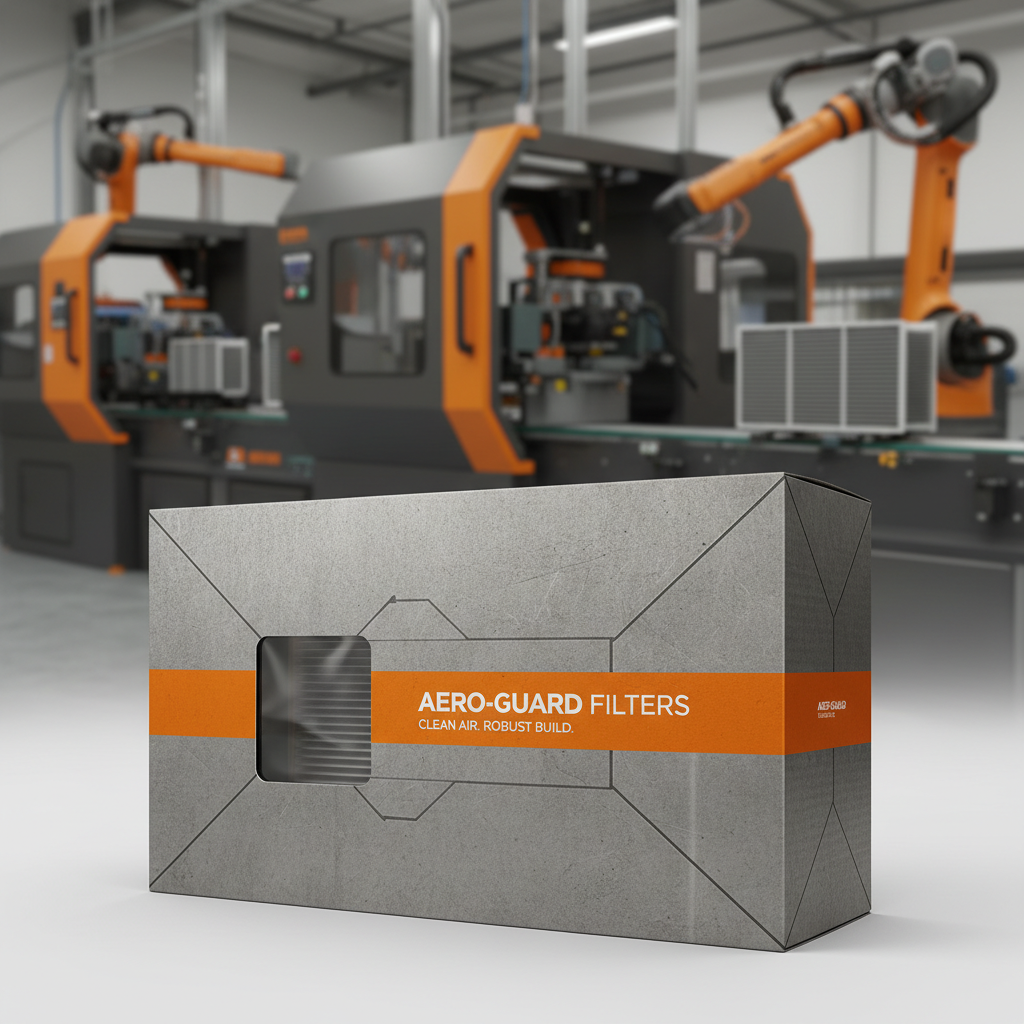
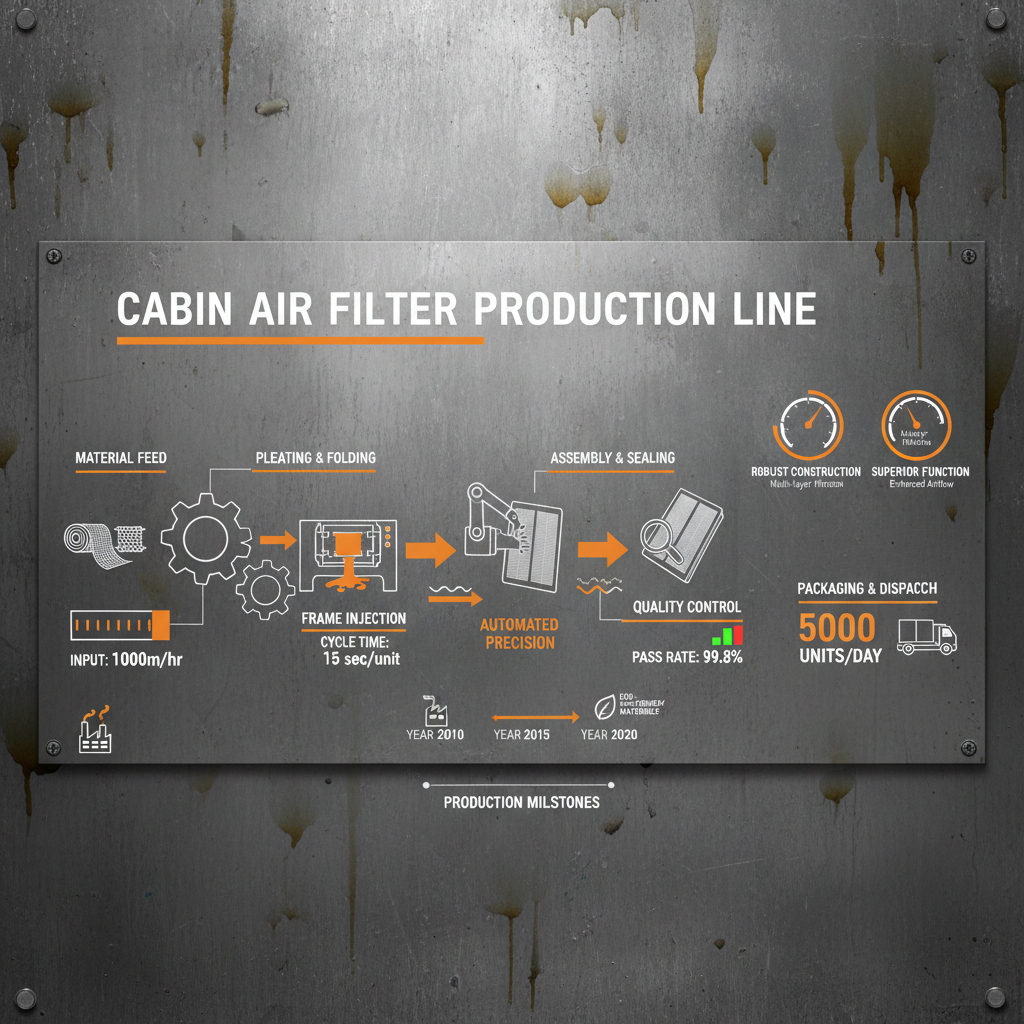
A well-designed cabin air filter production line is no longer simply about manufacturing a component; it’s about contributing to public health. The increasing urbanization and industrialization globally have led to a significant rise in air pollution, making effective cabin air filtration crucial for drivers and passengers. This industry directly impacts respiratory health and overall well-being, justifying its consistent growth and demand.
The efficiency and scalability of a cabin air filter production line are critical to meeting the demands of the rapidly expanding automotive industry, especially with the rise of electric vehicles where cabin air quality is a significant selling point. Modern production lines are focusing on minimizing waste and maximizing output, while simultaneously maintaining the highest standards of filtration performance and durability.
The lifespan of a cabin air filter produced on a modern, efficient production line typically ranges from 12,000 to 15,000 miles, or approximately every six months to a year, depending on driving conditions. Filters exposed to high levels of dust, pollen, or pollution will need to be replaced more frequently. High-quality filter media, a key focus of modern production lines, contribute to extended filter life.
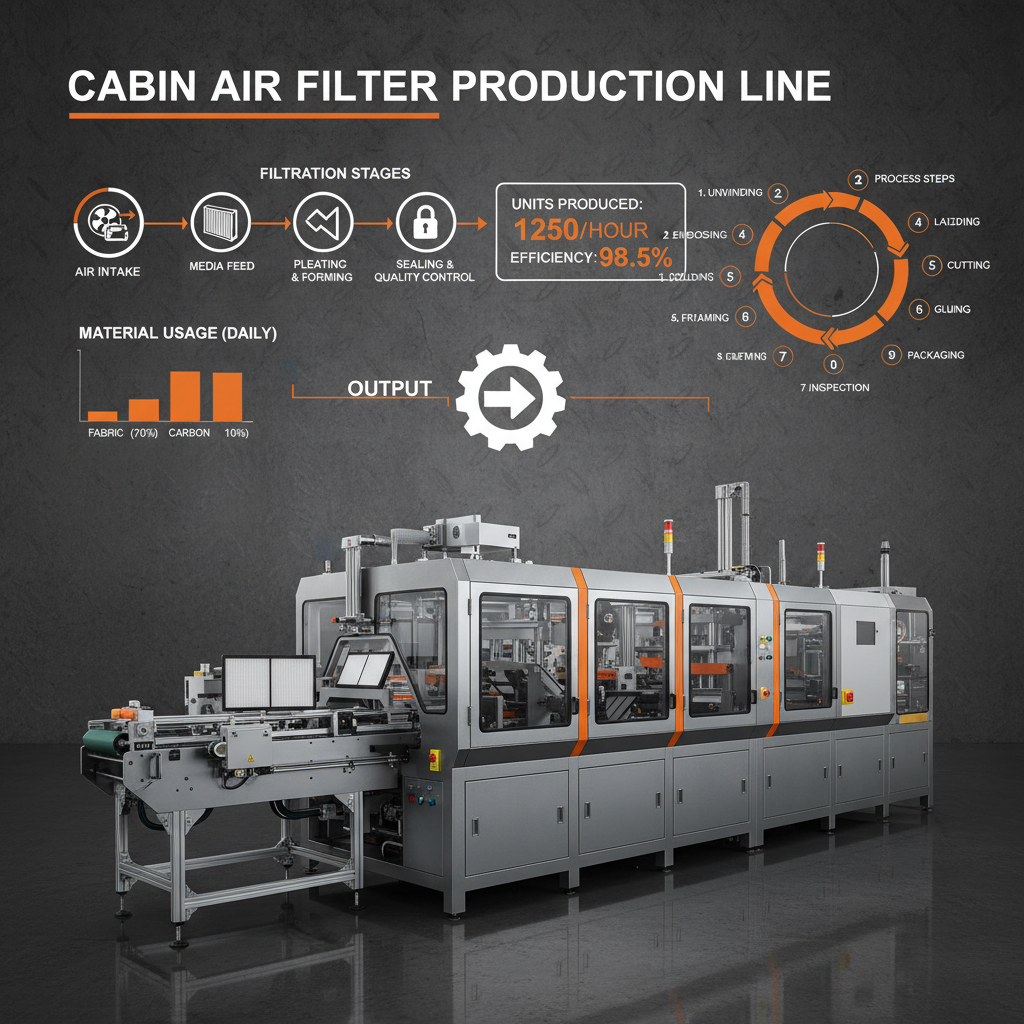
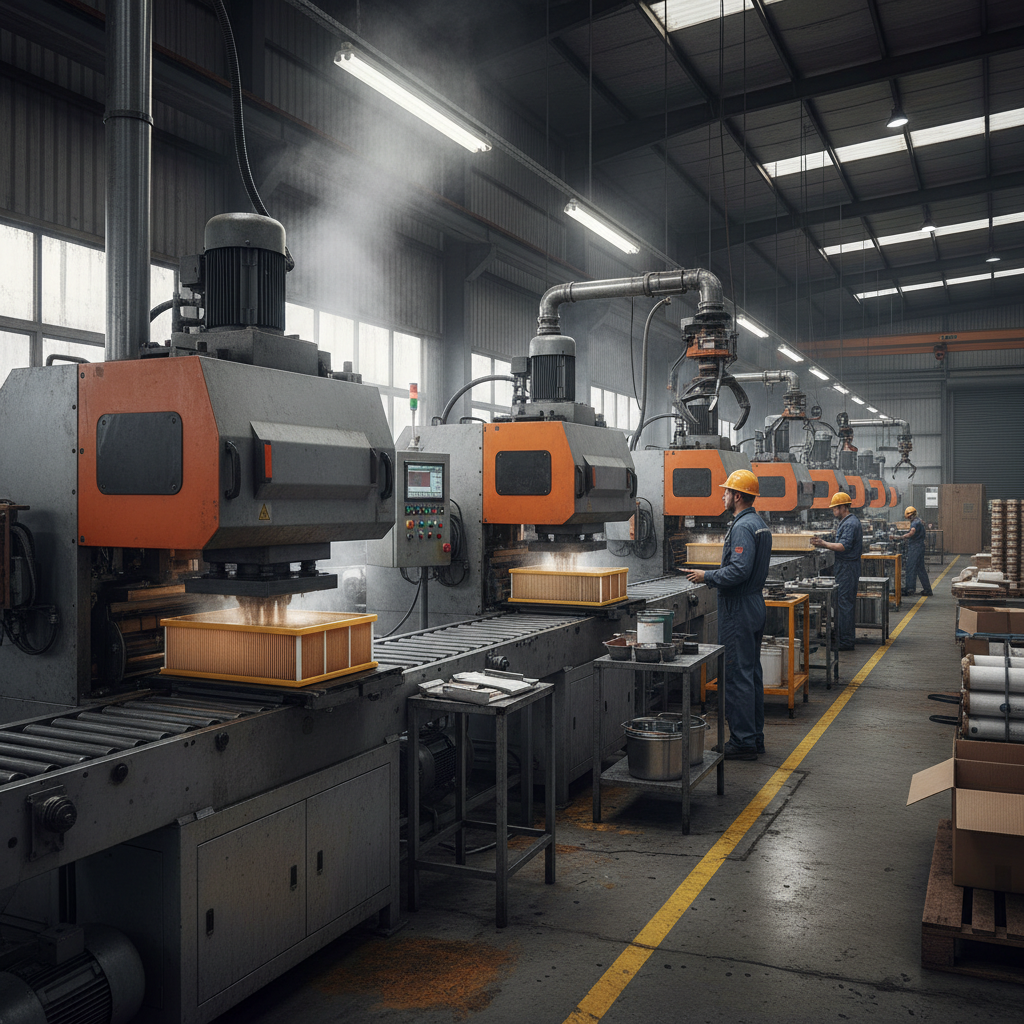
Automation in a cabin air filter production line ensures consistency and precision in critical processes like pleating, media bonding, and sealing. Automated quality control systems can detect even minor defects that might be missed by human inspectors, leading to a more reliable and effective final product. The reduction in human error translates directly to improved filter quality.
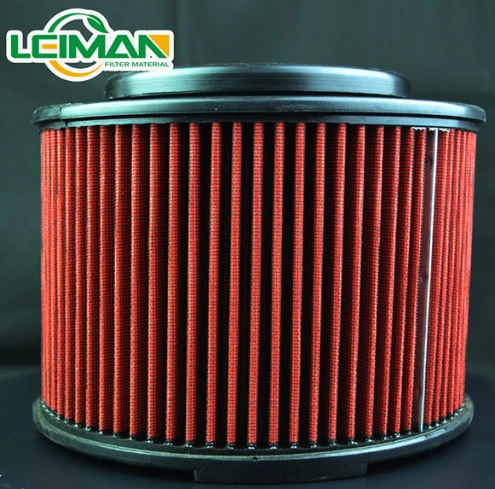
High-efficiency cabin air filters typically utilize a combination of materials. Non-woven fabrics, often polypropylene or polyester, form the base filter media. Activated carbon is frequently incorporated to absorb odors and harmful gases. HEPA (High-Efficiency Particulate Air) filters are used for capturing ultra-fine particulate matter. Modern production lines emphasize the use of environmentally friendly and sustainable materials where possible.
Quality control is paramount in a cabin air filter production line. Filters must consistently meet stringent performance standards to effectively protect vehicle occupants from pollutants. Robust quality control procedures, including raw material inspection, in-process checks, and final product testing, are essential to ensure filter efficiency, airflow resistance, and structural integrity.
A modular cabin air filter production line offers increased flexibility and scalability. New modules can be added or reconfigured to accommodate changes in product demand or filter specifications. This modularity allows manufacturers to quickly adapt to market trends and reduces the cost of upgrading the production line compared to a traditional, fixed setup.
Modern cabin air filter production lines increasingly prioritize sustainability through several methods. This includes using eco-friendly materials, minimizing waste generation, reducing energy consumption, and implementing responsible packaging practices. These efforts reduce the environmental impact of filter manufacturing while aligning with growing consumer demand for sustainable products.
In conclusion, the cabin air filter production line is a vital component of the automotive industry and increasingly relevant to broader environmental health concerns. A successful production line requires a focus on durability, scalability, cost efficiency, and continuous innovation in materials and processes. The integration of advanced technologies like automation and AI promises to further enhance efficiency and quality.
Looking ahead, manufacturers must prioritize sustainability and adapt to evolving market demands for higher-performance, eco-friendly filters. Investing in research and development, embracing Industry 4.0 principles, and establishing robust quality control systems will be crucial for long-term success in this dynamic and essential industry. For further information and to explore our solutions, visit our website: www.mfiltersolution.com