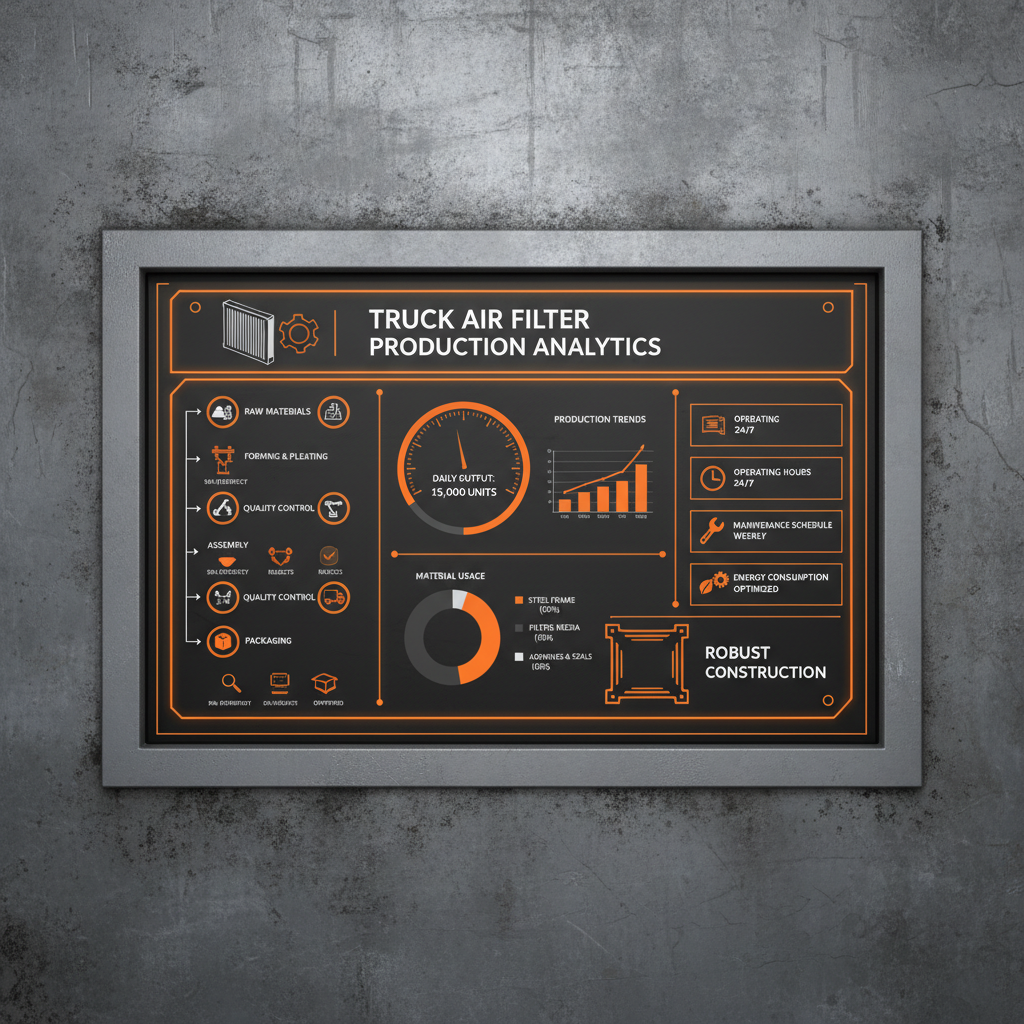
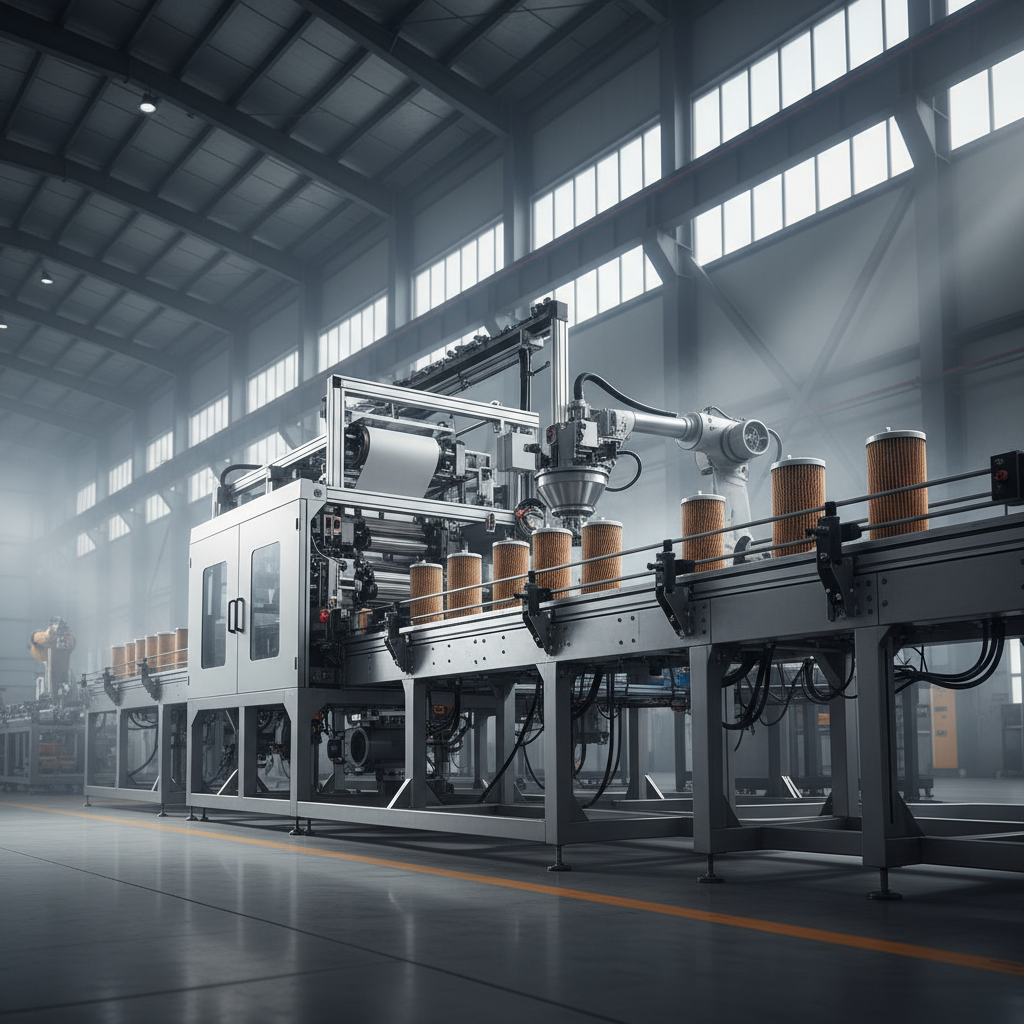
The global manufacturing landscape is increasingly reliant on automated solutions to meet the demands of a growing automotive industry and a heightened focus on efficiency. A crucial component within this ecosystem is the spin-on oil filter producing machine. These machines represent a significant advancement in filter manufacturing, offering increased production capacity, reduced labor costs, and improved product consistency. Understanding the intricacies of these machines is paramount for manufacturers looking to stay competitive in today’s market.
The demand for high-quality oil filters is directly correlated to the expanding global vehicle fleet and the increasing emphasis on vehicle maintenance. With automotive production continuing to climb in emerging economies like China and India, and a growing aftermarket for vehicle parts, the need for efficient and reliable oil filter production is more critical than ever. A robust spin-on oil filter producing machine is essential for meeting this demand and ensuring a steady supply of vital automotive components.
Investing in modern oil filter production technology, such as a high-performance spin-on oil filter producing machine, allows manufacturers to not only increase output but also to enhance quality control and minimize waste. This translates to higher profitability, reduced environmental impact, and a stronger market position.
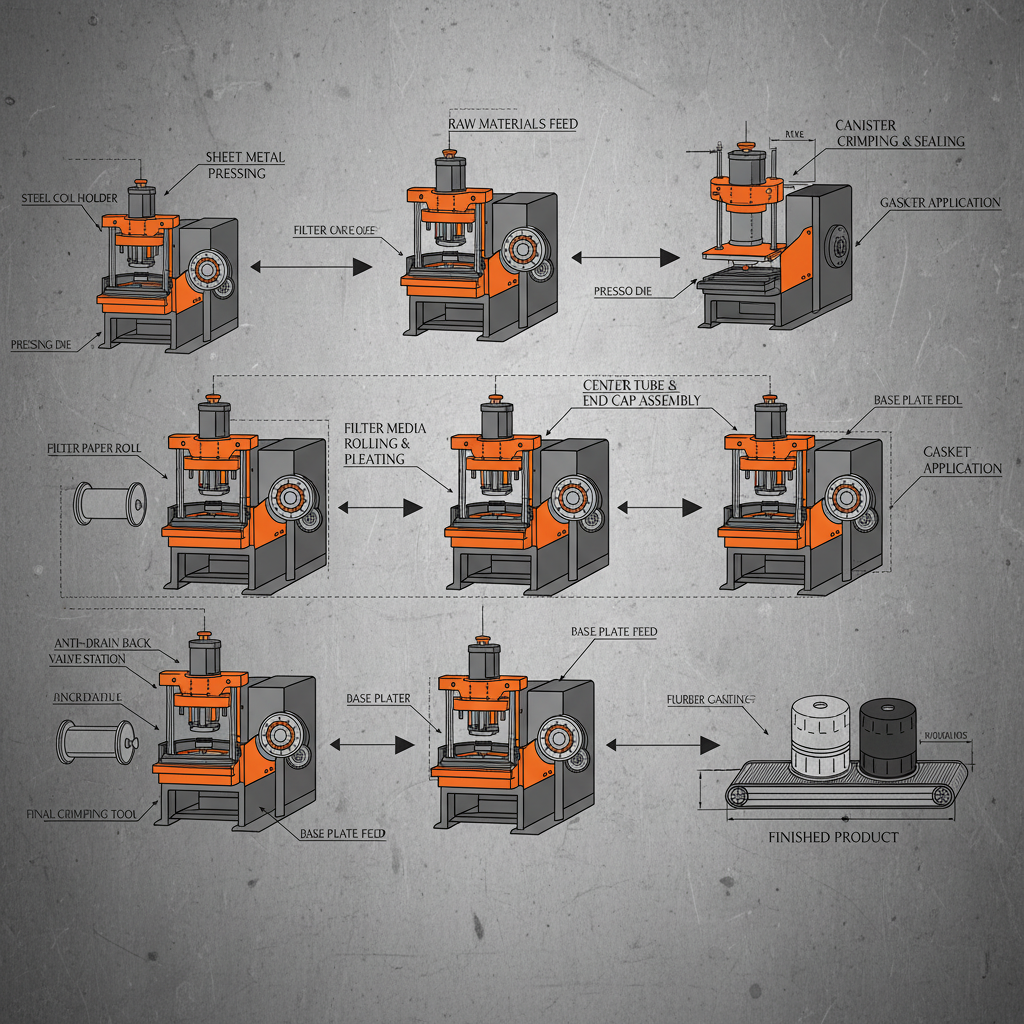
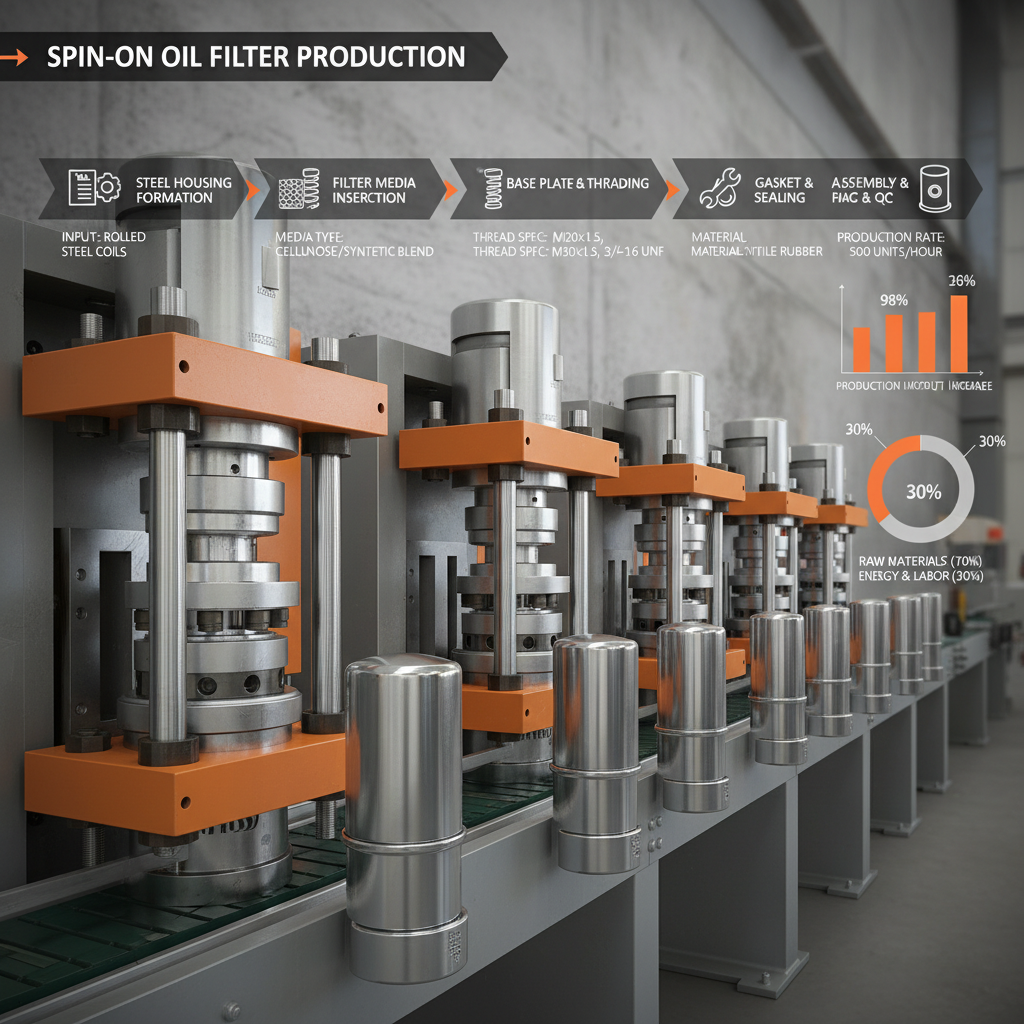
The automotive industry is a cornerstone of the global economy, and the reliable operation of vehicles depends heavily on effective oil filtration. Spin-on oil filter producing machines are critical infrastructure for maintaining this reliability, ensuring engines are protected from damaging contaminants. The need for efficient production of these filters is thus a global concern, influencing industries from automotive manufacturing to logistics and maintenance.
According to data from the International Organization of Motor Vehicle Manufacturers (OICA), global vehicle production exceeded 85 million units in 2023, driving a corresponding demand for millions of oil filters. Meeting this demand requires advanced manufacturing capabilities, making investment in a spin-on oil filter producing machine a strategically important decision for filter manufacturers.
The lead time for a new spin-on oil filter producing machine can vary significantly depending on the level of customization and the manufacturer’s current order backlog. Generally, you can expect a lead time of 6 to 12 months from order placement to delivery and installation. Factors impacting this include engineering design modifications, component sourcing, and quality control inspections.
Operating a spin-on oil filter producing machine requires a skilled team with a solid understanding of mechanical, electrical, and pneumatic systems. Comprehensive training is essential, typically ranging from 1 to 2 weeks, covering machine operation, maintenance procedures, troubleshooting, and safety protocols. Ongoing training is also recommended to keep personnel up-to-date with new features and best practices.
Energy consumption varies depending on the machine’s size, capacity, and operating speed. However, a typical machine can consume between 20kW to 50kW of power during operation. Implementing energy-efficient components and optimizing operating parameters can significantly reduce energy consumption and lower operating costs. Regular maintenance and proper insulation also contribute to energy savings.
Safety is paramount in the design of spin-on oil filter producing machines. Typical features include emergency stop buttons, safety guards and interlocks to prevent access to moving parts, light curtains to detect intrusions, and audible alarms to alert operators of potential hazards. Compliance with relevant safety standards, such as ISO 13849-1, is crucial for ensuring a safe working environment.
Regular maintenance is crucial for ensuring the long-term reliability and performance of the machine. This includes daily inspections, lubrication of moving parts, filter replacements, and periodic checks of electrical and pneumatic components. A preventative maintenance schedule, outlined by the manufacturer, should be followed diligently to minimize downtime and extend the machine’s lifespan.
Yes, most spin-on oil filter producing machines can be customized to accommodate a range of filter sizes and designs. This often involves changing tooling, adjusting machine parameters, and potentially modifying the assembly sequence. Manufacturers typically offer customization options to meet specific customer requirements and ensure compatibility with different filter specifications. It’s crucial to discuss customization needs during the initial machine selection process.
In conclusion, the spin-on oil filter producing machine represents a vital component of the global automotive supply chain. Its ability to automate production, enhance quality, and reduce costs makes it an essential investment for manufacturers seeking to remain competitive in a rapidly evolving market. Understanding the key components, performance metrics, and future trends associated with these machines is crucial for maximizing their value and ensuring long-term success.
As the automotive industry continues to innovate and embrace sustainable practices, the demand for advanced filter production technology will only increase. Investing in a modern, efficient, and customizable spin-on oil filter producing machine is not just a strategic advantage – it’s a necessity for manufacturers looking to thrive in the years to come. Visit our website at www.mfiltersolution.com to learn more about our innovative solutions.