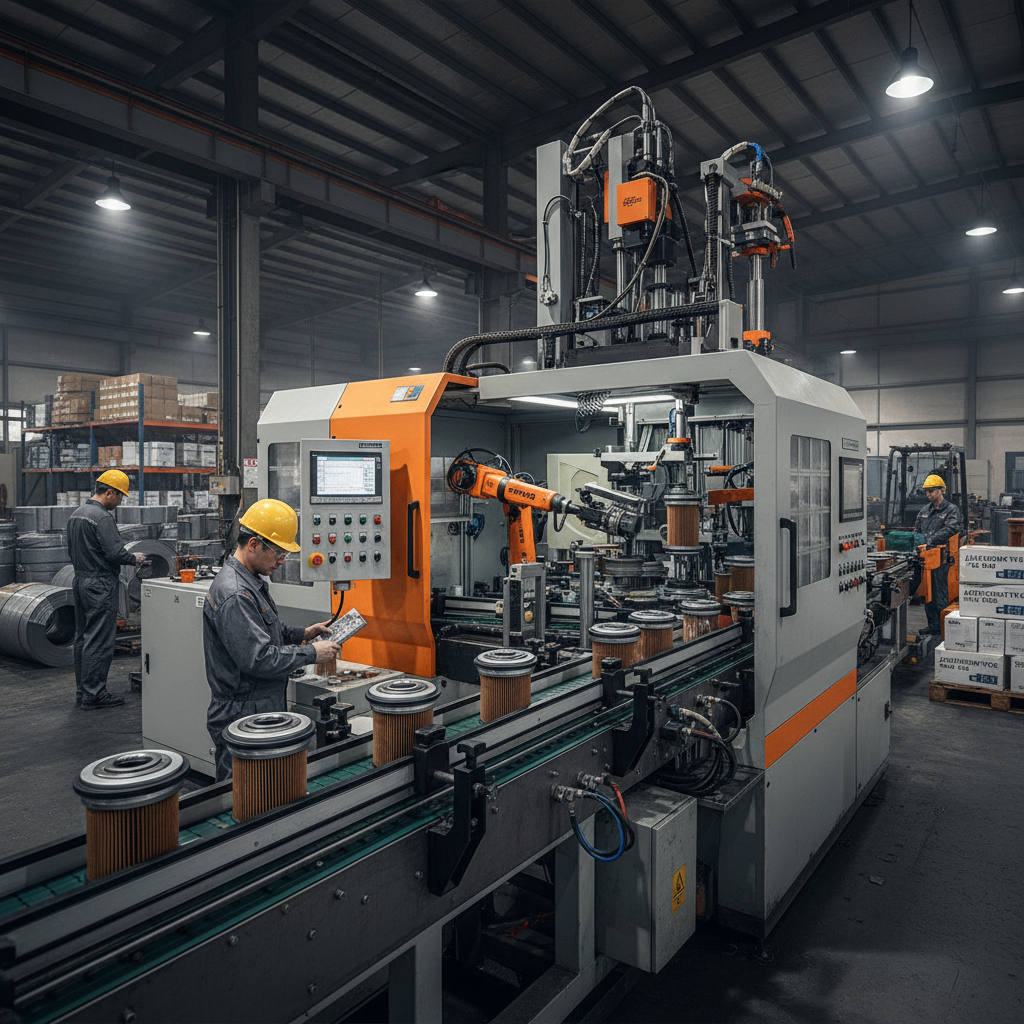
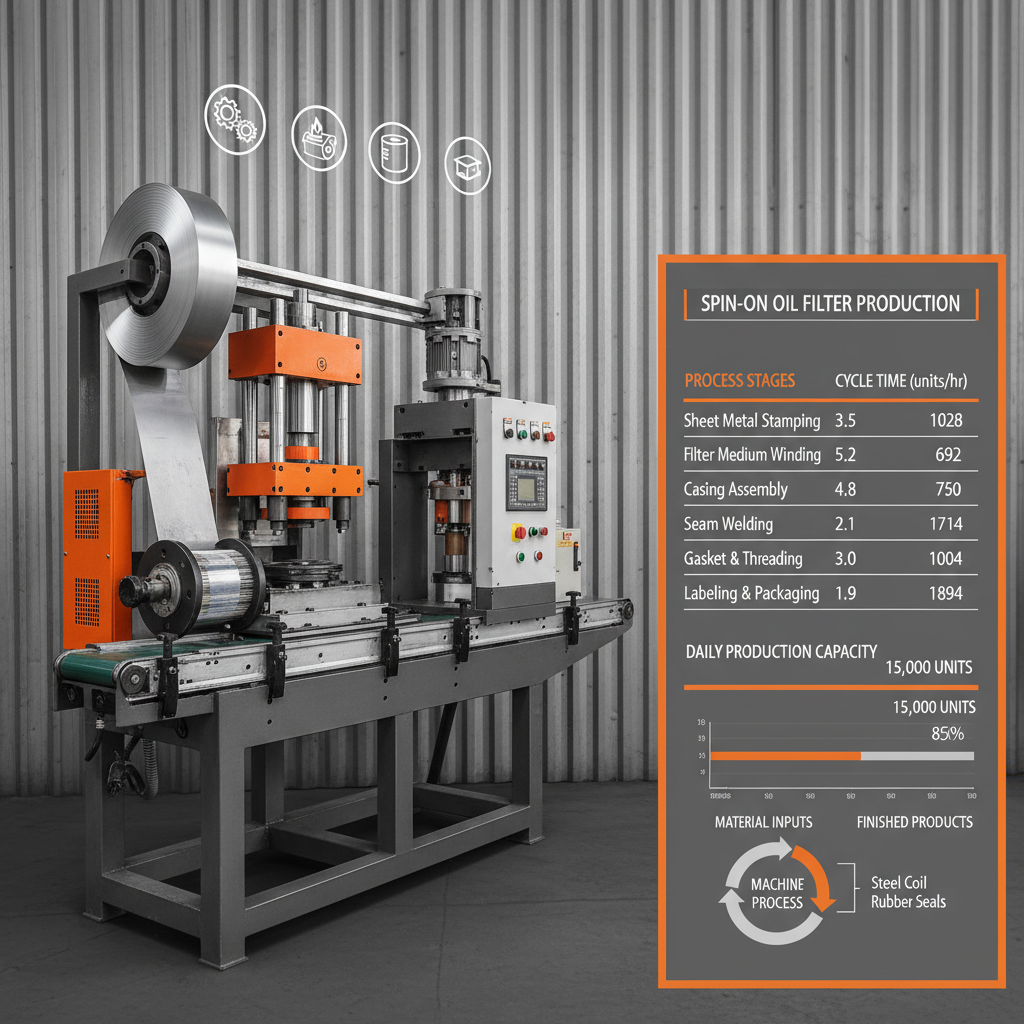
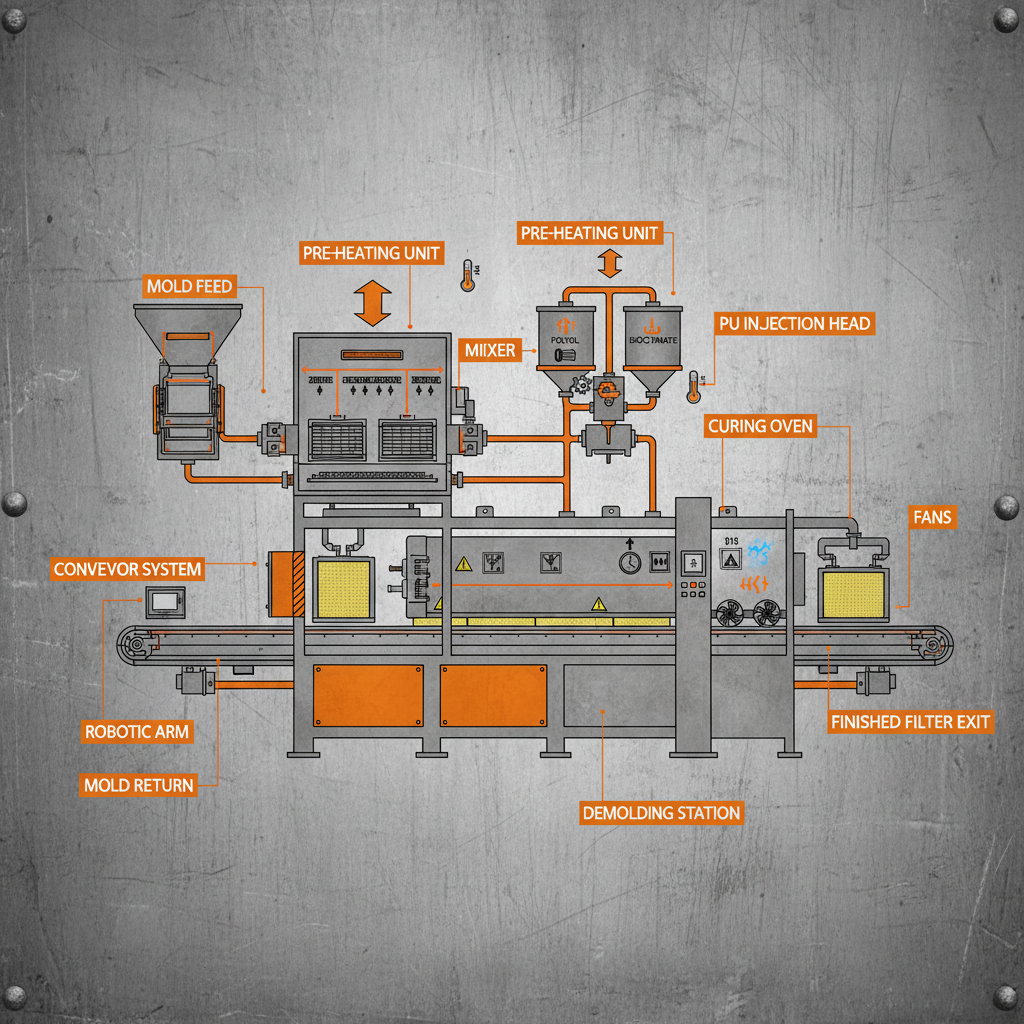
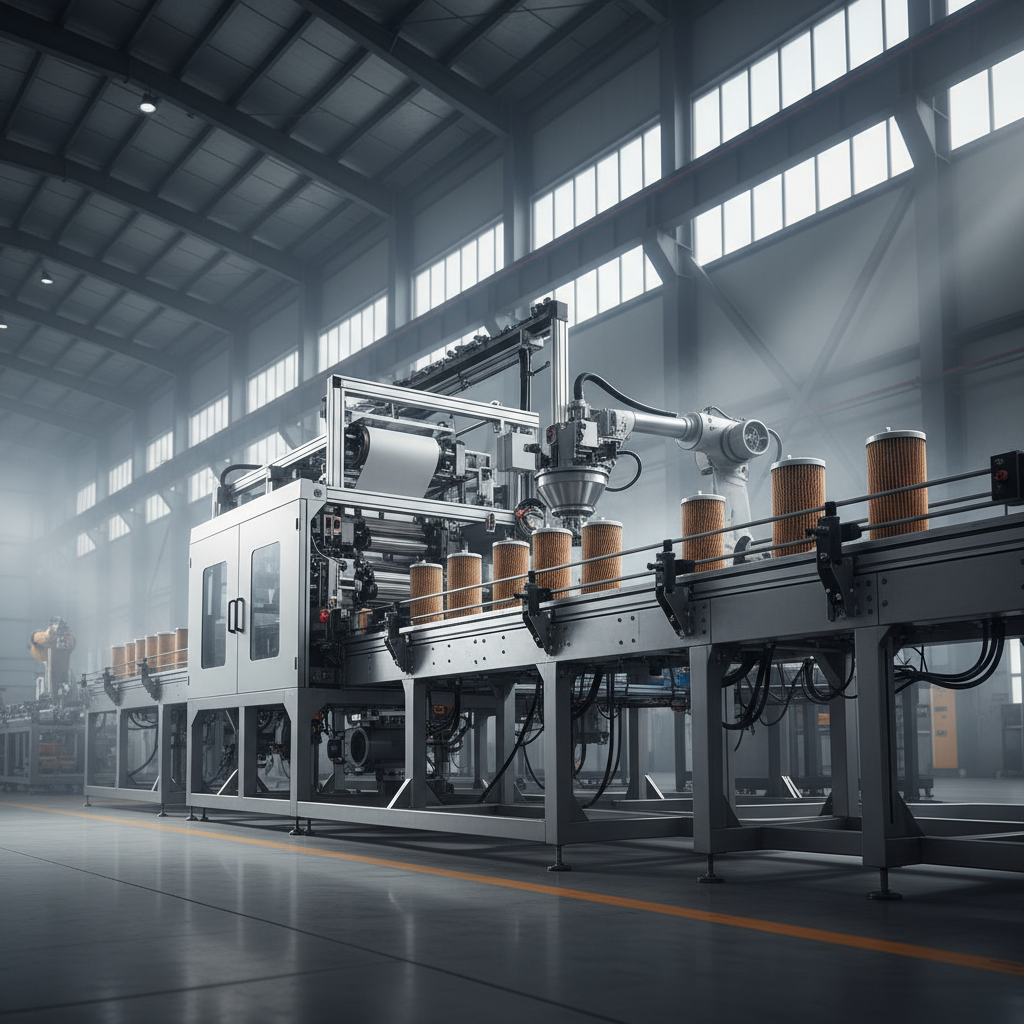
The global automotive and industrial machinery sectors are witnessing a significant shift toward higher precision and sustainability in filtration systems. A high-performance spin-on oil filter making machine is no longer just a piece of equipment; it is the cornerstone of an efficient production line that ensures engine longevity and environmental compliance by producing superior filtration media.
As engine specifications become more stringent and the demand for heavy-duty machinery grows in emerging markets, the ability to manufacture consistent, leak-proof, and high-capacity filters is critical. Understanding the nuances of the manufacturing process—from shell assembly to precise sealing—allows producers to compete in a global market where quality is the primary differentiator.
By investing in a modern spin-on oil filter making machine, manufacturers can drastically reduce material waste, lower labor costs through automation, and meet international ISO standards. This guide explores the technical intricacies and commercial advantages of deploying these advanced production solutions.
Global Industrial Context of Spin-On Oil Filter Production
The demand for high-quality filtration is driven by the global expansion of the automotive and construction sectors. According to industry trends aligned with ISO 9001 quality standards, the precision of a spin-on oil filter making machine determines the failure rate of engines in harsh environments, making it a critical asset for manufacturers serving the global logistics and mining industries.
In regions like Southeast Asia and Africa, where heavy machinery is subjected to extreme dust and heat, the need for robust spin-on filters is paramount. Manufacturers who utilize automated production lines can ensure that every unit meets strict pressure-test requirements, preventing catastrophic engine failures and reducing the total cost of ownership for the end user.
Definition and Technical Essence of the Making Machine
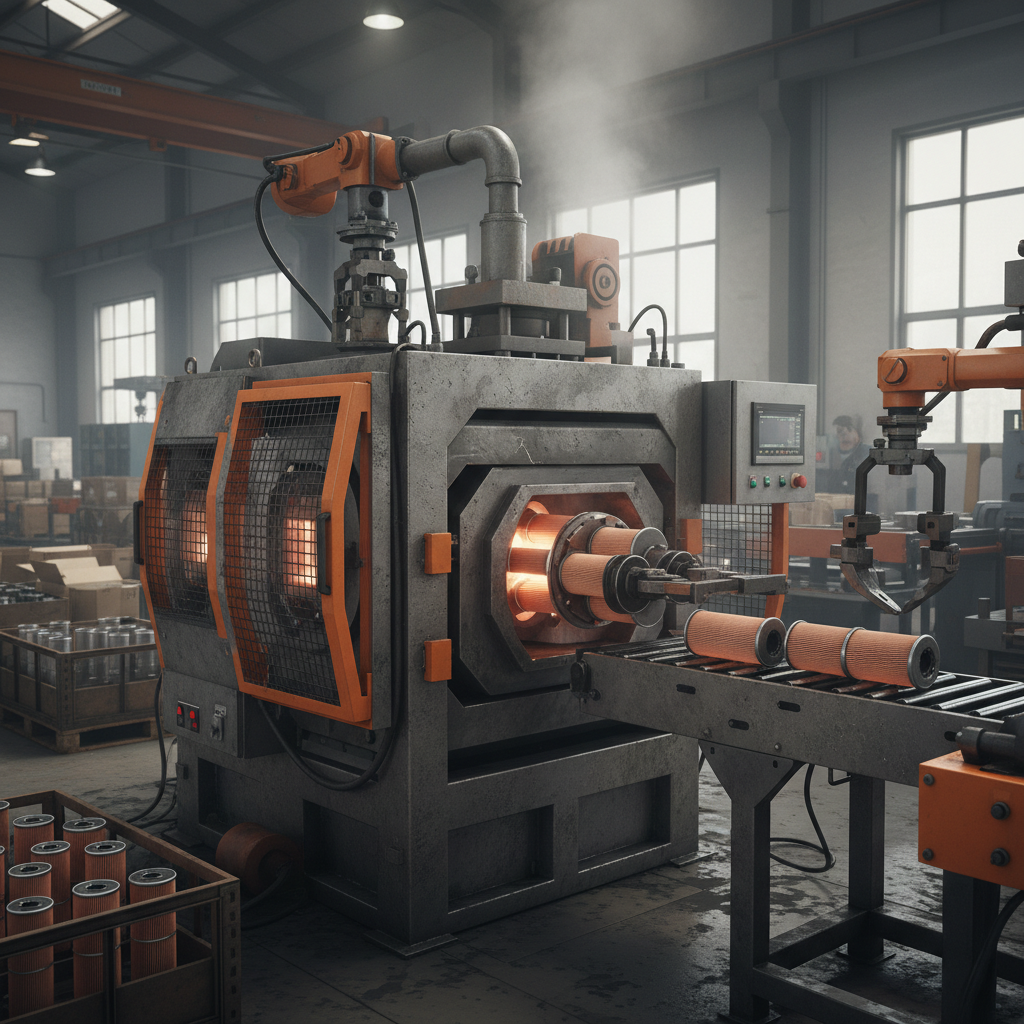
A spin-on oil filter making machine is a specialized industrial assembly system designed to automate the creation of "spin-on" type oil filters. Unlike cartridge filters, spin-on filters consist of a metal canister that houses the filtration element, a base plate, and a gasket, all of which are permanently sealed. The machine handles the complex sequence of inserting the filter element, securing the end caps, and seaming the canister to the base.
From a technical standpoint, the machine integrates pneumatic, hydraulic, and electronic controls to ensure that the seaming process is airtight. This is vital because any leak in an oil filter can lead to a drop in oil pressure, which would immediately jeopardize the lubrication of the engine. The precision of the "spin-on" thread is also a key focus, ensuring a seamless fit with the engine block.
Modern iterations of these machines have evolved to incorporate PLC (Programmable Logic Controller) systems, allowing operators to switch between different filter sizes and specifications with minimal downtime. This flexibility makes the equipment essential for factories that produce a diverse range of filters for passenger cars, trucks, and industrial generators.
Core Components for Operational Excellence
Durability is the first pillar of a professional spin-on oil filter making machine. The chassis and critical contact points are typically constructed from high-grade alloy steel to withstand the repetitive mechanical stress of high-volume production, ensuring that the machine remains calibrated over years of operation.
Precision Seaming and Crimping mechanisms are where the real magic happens. A high-quality spin-on oil filter making machine utilizes advanced rollers and pressure sensors to create a hermetic seal between the canister and the base plate, eliminating the risk of oil leakage under high-pressure conditions.
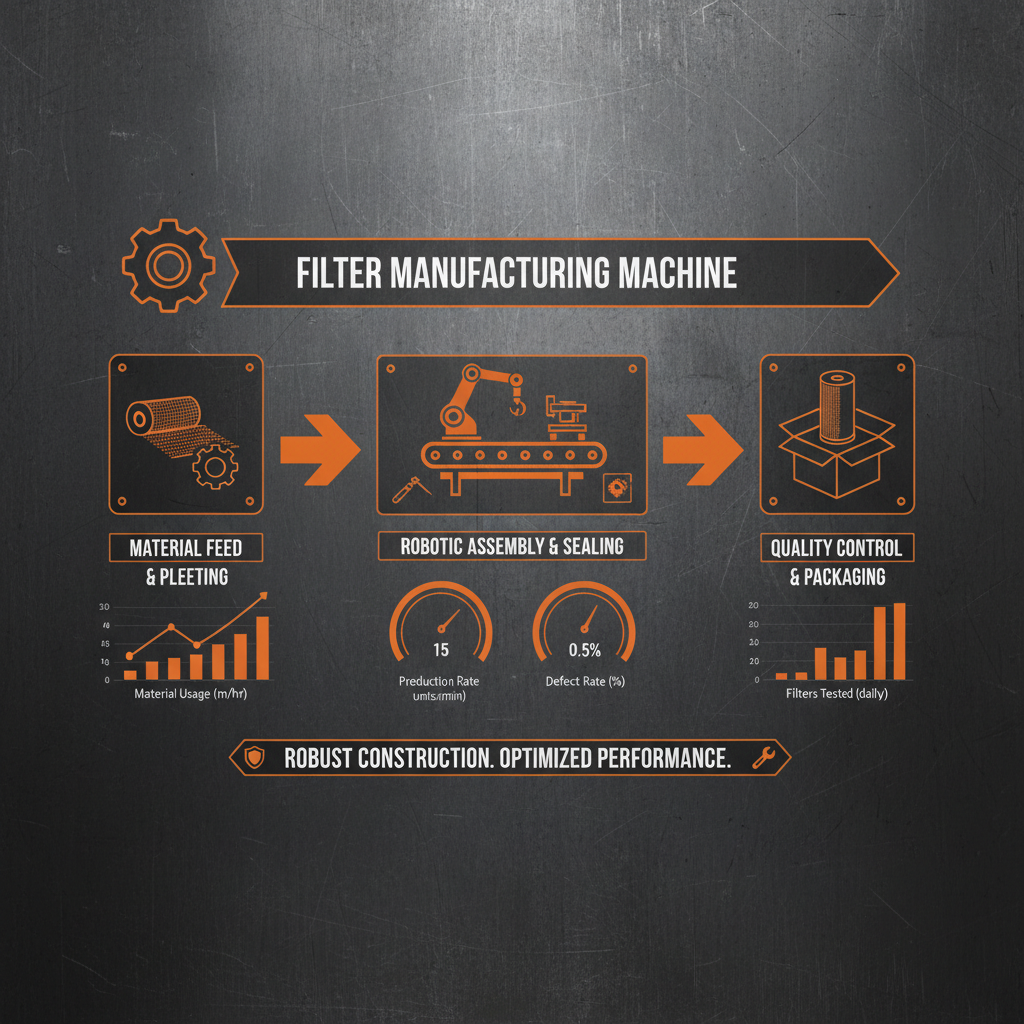
Automation and Integration enable the machine to synchronize with upstream pleating and downstream testing equipment. By integrating an automated feeding system, the spin-on oil filter making machine can operate with minimal human intervention, significantly increasing the hourly output and reducing the margin of human error.
Scalability and Cost Efficiency in Manufacturing
For many manufacturers, the transition from manual assembly to an automated spin-on oil filter making machine represents a strategic leap in scalability. By reducing the labor required per unit and optimizing the cycle time of each filter, companies can scale their production volume to meet sudden market surges without a linear increase in operational costs.
Moreover, cost efficiency is realized through the reduction of scrap. Precise material handling ensures that canisters and gaskets are not wasted due to misalignment, which is a common issue in semi-manual setups. The long-term ROI is driven by the combination of higher throughput and a near-zero defect rate.
Efficiency Comparison of Spin-On Oil Filter Making Machine Technologies
Global Applications and Sectoral Use Cases
The versatility of the spin-on oil filter making machine allows it to serve diverse sectors beyond standard automotive repair. In the agricultural sector, where tractors and harvesters operate in dusty environments, these machines produce heavy-duty filters that ensure engine oil remains pristine despite external contamination.
In remote industrial zones, such as oil rigs or mining sites, localized production of filters using compact spin-on oil filter making machine setups can reduce reliance on long supply chains. This "on-demand" manufacturing capability ensures that critical machinery remains operational, preventing costly downtime in high-stakes environments.
Long-Term Value and Sustainability Advantages
Investing in a high-end spin-on oil filter making machine offers a logical path toward sustainability. Modern machines are designed to optimize the use of raw materials, significantly reducing the amount of metal and adhesive waste generated during the assembly process. This not only lowers costs but also aligns the manufacturer with global "green" industrial policies.
From an emotional and trust-based perspective, the reliability of a filter is a matter of safety. A filter produced by a precision machine reduces the risk of leaks that could lead to engine fires or environmental soil contamination. This reliability builds a brand's reputation for quality and trustworthiness in the eyes of the consumer.
Furthermore, the ability to easily upgrade the components of a spin-on oil filter making machine means that the equipment does not become obsolete quickly. As new filtration media (such as synthetic blends) emerge, the machine can be adapted, providing long-term value and technological agility.
Future Trends in Automation and Green Filtration
The future of the spin-on oil filter making machine lies in the integration of Industry 4.0. We are seeing a move toward "Smart Factories" where machines communicate in real-time, predicting when a seaming roller needs replacement before it actually fails. This predictive maintenance will eliminate unplanned downtime entirely.
Digital transformation is also bringing AI-driven quality control. High-resolution cameras integrated into the spin-on oil filter making machine can detect a microscopic flaw in the gasket or a misalignment in the thread in milliseconds, automatically rejecting the part without stopping the line.
Finally, there is a strong push toward eco-friendly materials. Future machines will be optimized to handle biodegradable canisters and recycled filtration media, ensuring that the entire lifecycle of the spin-on filter—from production to disposal—has a minimal carbon footprint.
Core Analysis of Spin-On Oil Filter Making Machine Technological Evolution
| Technology Generation |
Production Speed |
Precision Level (1-10) |
Eco-Impact |
| Mechanical Era |
Low (Manual) |
4 |
High Waste |
| Pneumatic Era |
Medium |
6 |
Moderate |
| PLC Automation |
High |
8 |
Controlled |
| Smart Integration |
Very High |
9 |
Low Waste |
| AI-Driven Era |
Ultra High |
10 |
Minimal |
| Green-Tech Hybrid |
Optimized |
10 |
Sustainable |
FAQS
A spin-on oil filter making machine is designed to assemble a complete, self-contained unit including the canister, base plate, and element, which is then permanently sealed. A cartridge filter machine primarily focuses on the filtration element itself, as the housing is already part of the engine. The spin-on machine requires specialized seaming and crimping technology to ensure a leak-proof seal.
Quality is ensured through a combination of precise roller calibration and integrated pressure testing. High-end machines include an automatic leak detection system that tests every filter under simulated high-pressure conditions. Regularly calibrating the seaming head and using high-grade raw materials for the gaskets are also essential steps in maintaining a zero-defect rate.
Yes, most modern machines are designed with modular components. By changing the seaming rollers, guides, and adjusting the PLC parameters, a single machine can accommodate various canister diameters and heights. This flexibility allows manufacturers to serve multiple vehicle segments, from compact cars to heavy-duty trucks, without investing in multiple production lines.
Maintenance typically involves the lubrication of moving parts, the inspection of seaming rollers for wear, and the updating of PLC software. Because these machines operate under high pressure, checking the pneumatic seals and hydraulic fluids is critical. Many manufacturers now offer remote diagnostic tools that alert the operator when a specific part is approaching its wear limit.
Automation significantly lowers the per-unit cost by reducing labor expenses and minimizing material waste. While the initial capital investment for a fully automated spin-on oil filter making machine is higher, the increase in hourly output and the reduction in rejected parts lead to a much lower cost per unit over the long term, increasing overall competitiveness.
Absolutely. A professional spin-on oil filter making machine is designed to handle various media types, including cellulose, synthetic, and blended fibers. The assembly process—inserting the element and sealing the canister—remains the same regardless of the media. The machine's precision ensures that the synthetic media is properly compressed and secured without compromising the filter's structural integrity.
Conclusion
The deployment of a high-precision spin-on oil filter making machine is a critical strategic move for any manufacturer aiming to excel in the competitive automotive and industrial filtration market. By integrating automation, precision seaming, and scalable designs, companies can ensure they produce filters that not only meet international standards but also provide the ultimate protection for the engines they serve.
Looking forward, the synergy between AI-driven quality control and sustainable material science will redefine the industry. Manufacturers are encouraged to invest in smart, adaptable production solutions to stay ahead of the curve and contribute to a more sustainable, efficient future of lubrication and filtration. Visit our website for more professional solutions: www.mfiltersolution.com