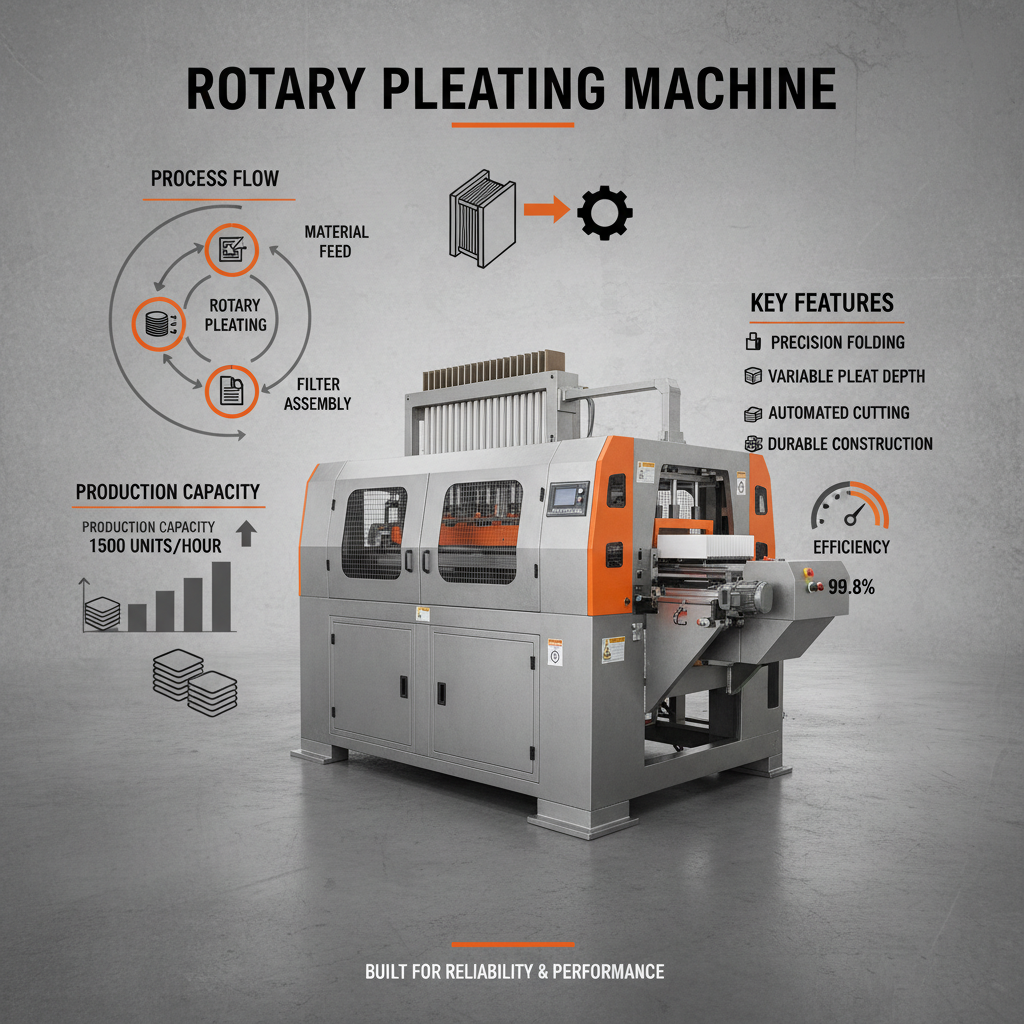
In the demanding world of filtration manufacturing, the precision and speed of pleating determine the ultimate efficiency of the air filter. A rotary pleating machine stands as the cornerstone of modern production, transforming flat filter media into high-surface-area pleated structures with unmatched consistency. By utilizing a rotating drum and a synchronized knife, these machines ensure that every fold is identical, which is critical for preventing media collapse and maintaining optimal airflow.
Globally, the shift toward stricter emission standards and cleaner indoor air has spiked the demand for high-performance automotive and industrial filters. Whether it is for a cabin air filter or a heavy-duty truck air filter, the ability to produce precise pleats rapidly is no longer a luxury but a competitive necessity. The transition from traditional knife-pleating to advanced rotary systems has allowed manufacturers to scale their operations while reducing waste and labor costs.
Understanding the nuances of a rotary pleating machine is essential for any production manager looking to optimize their throughput. From material compatibility to the synchronization of the drive system, every technical detail contributes to the final product's durability and filtration grade. This guide explores the global impact, technical core, and future trajectory of rotary pleating technology in the specialized equipment manufacturing sector.
Global Industry Context of Rotary Pleating Systems
The global filtration market is currently witnessing an unprecedented expansion, driven by ISO standards and environmental regulations that mandate cleaner air for both humans and machinery. In the automotive sector, the integration of a rotary pleating machine has become vital to meet the production volumes required by the electric vehicle (EV) and traditional combustion engine markets. As cities worldwide implement "Low Emission Zones," the demand for high-efficiency particulate air (HEPA) and cabin filters has surged, forcing manufacturers to move away from slow, manual processes.
This industrial shift is not merely about speed but about precision. Inconsistent pleating leads to "channeling," where air bypasses the filter media, rendering the filter ineffective. By implementing rotary technology, manufacturers can ensure a uniform pleat pitch, which is essential for maximizing the surface area of the media. This technical leap allows for a higher dust-holding capacity and a lower pressure drop, directly contributing to the longevity of the engines and the health of the vehicle occupants.
Defining the Rotary Pleating Machine in Modern Manufacturing
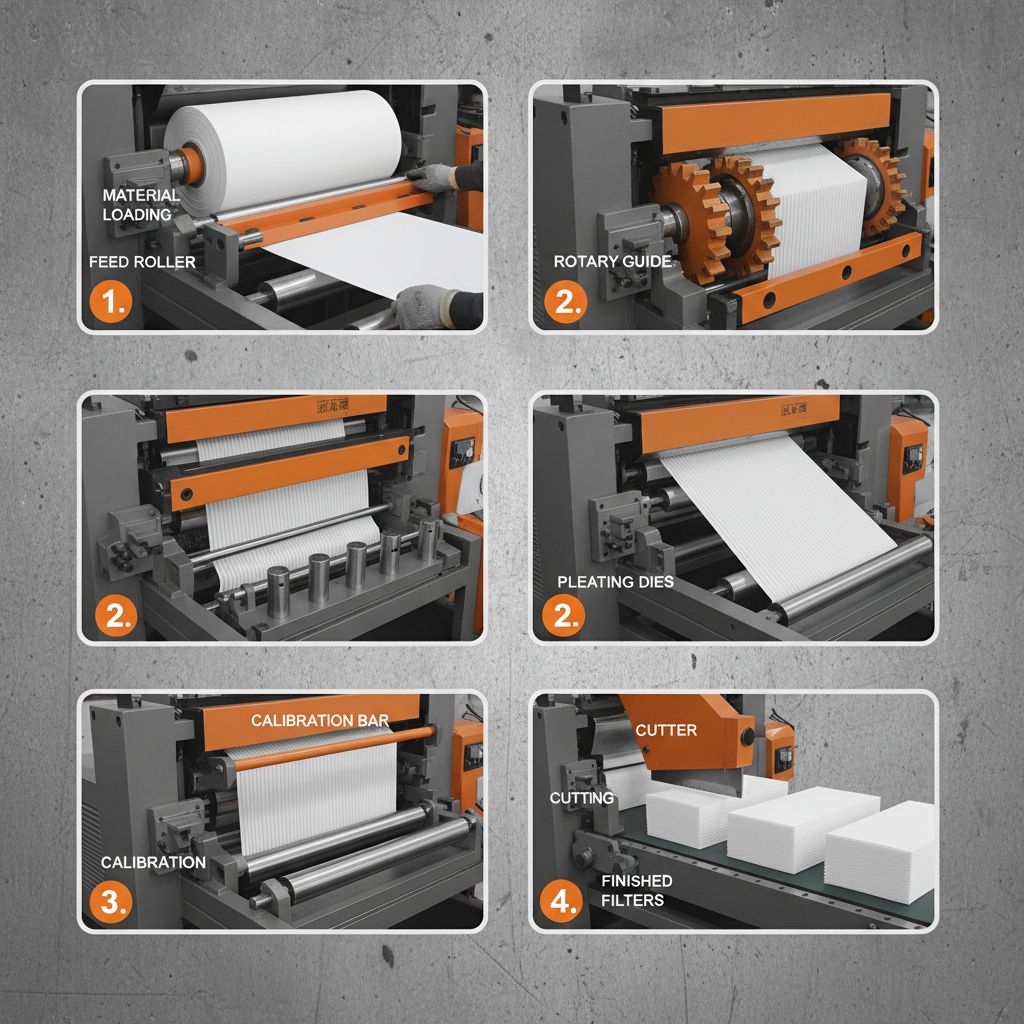
At its core, a rotary pleating machine is a specialized piece of equipment designed to fold filter media (such as non-woven fabrics, synthetic papers, or composite materials) into a precise accordion-like structure using a rotating drum mechanism. Unlike linear pleating, where a knife moves back and forth, the rotary system uses a continuous rotational motion to push the material against a forming plate, creating pleats at an incredibly high frequency.
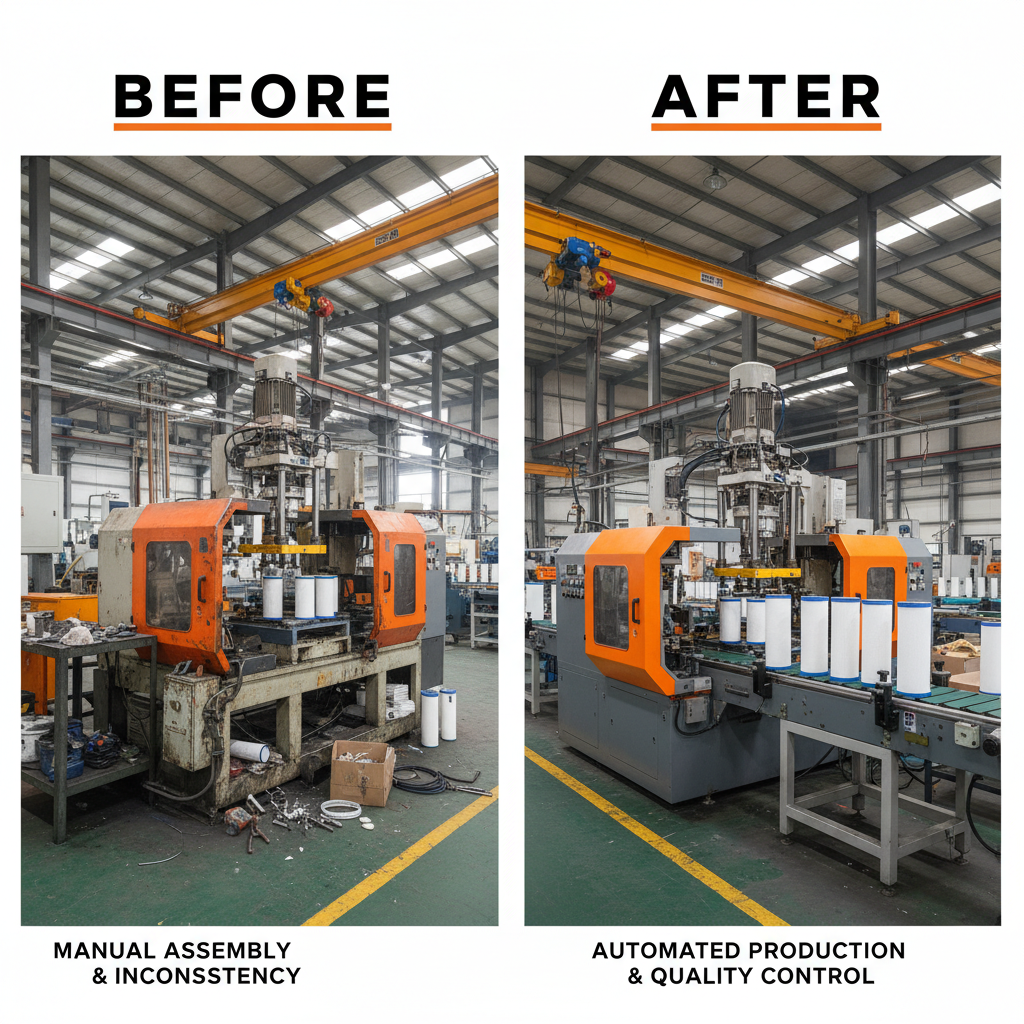
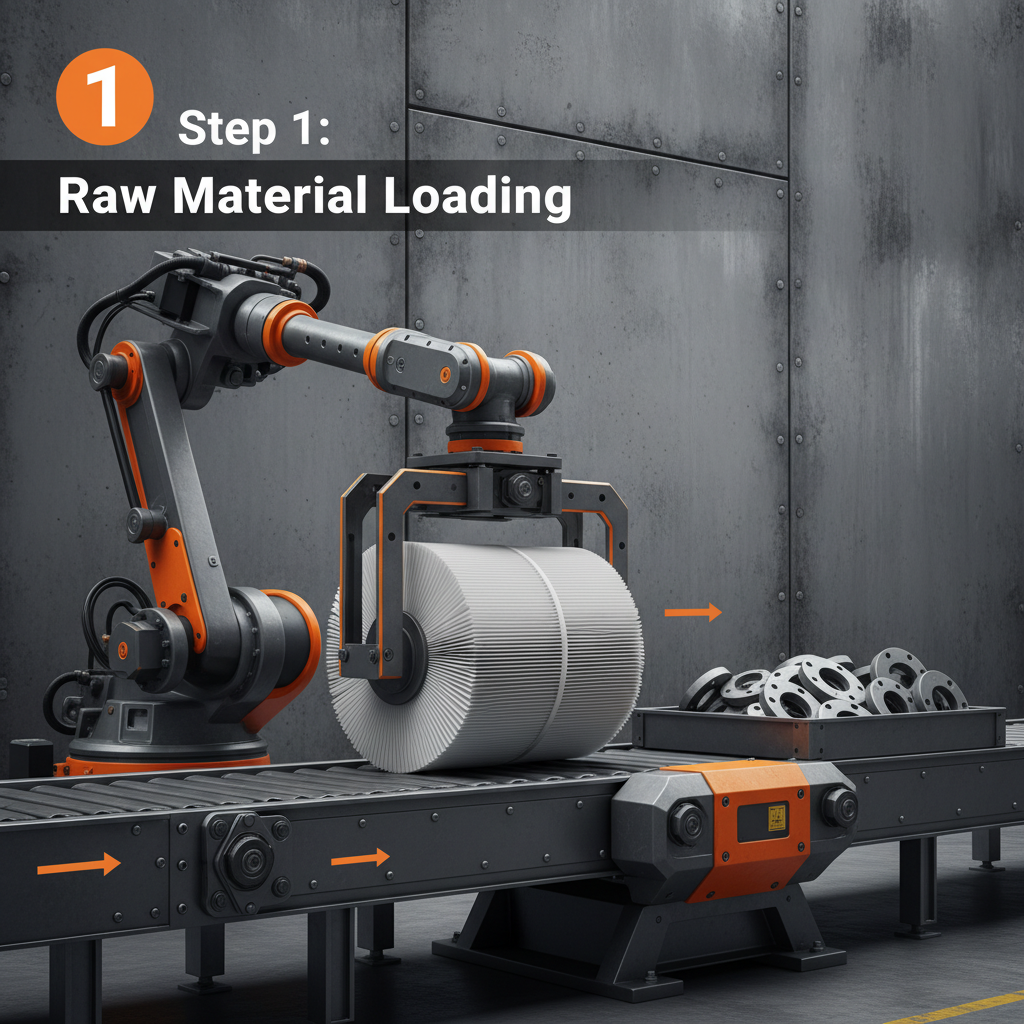
This technology is the heartbeat of the "Filter Production Solution" ecosystem. It bridges the gap between raw material rolls and finished filter elements. By automating the folding process, the machine removes the variability associated with human operation, ensuring that every single filter produced meets strict quality control tolerances. This is particularly critical for automotive air filters where a deviation of even a millimeter can lead to assembly failures.
Beyond the technical definition, these machines represent the marriage of mechanical engineering and material science. They are designed to handle a variety of media thicknesses and stiffnesses, from thin PU foams to heavy-duty synthetic fibers. In an era of humanitarian needs—such as the rapid production of medical-grade air filters during health crises—the scalability of rotary pleating ensures that life-saving filtration can be deployed globally in a matter of days.
Core Components for High-Precision Pleating
The operational success of a rotary pleating machine depends on several critical components. First is the precision-engineered rotating drum, which must be perfectly balanced to prevent vibrations at high speeds. This drum works in tandem with the pleating knife and the forming board, which determines the final depth and angle of the pleat.
Secondly, the servo-drive system is the "brain" of the rotary pleating machine. Modern machines utilize high-torque servo motors to control the feed rate and the rotation speed with micron-level accuracy. This allows operators to change pleat depth and pitch digitally, eliminating the need for time-consuming mechanical adjustments when switching between different filter product lines.
Finally, the tension control system ensures that the media is fed into the drum without stretching or wrinkling. Since filter media can be delicate, a sophisticated braking and unwinding system is integrated into the rotary pleating machine to maintain a constant tension, ensuring that the pleats remain symmetrical from the start of the roll to the end.
Performance Metrics and Cost Efficiency
When evaluating the ROI of a rotary pleating machine, manufacturers focus on throughput, waste reduction, and energy consumption. Rotary systems typically offer a 5x to 10x increase in production speed compared to traditional linear methods. This leap in productivity significantly lowers the per-unit cost of labor and overhead, allowing manufacturers to compete in high-volume global markets.
Furthermore, the precision of the rotary process minimizes material scrap. In the filter industry, media can be expensive, especially specialized nanofibers. By optimizing the pleat overlap and ensuring consistent dimensions, the rotary pleating machine reduces the amount of wasted material at the edges and ends of the production run.
Operational Efficiency Comparison of Pleating Technologies
Real-World Applications Across Global Markets
The versatility of the rotary pleating machine allows it to serve diverse sectors. In the automotive industry, it is the primary tool for creating cabin air filters and oil filters, where the pleat density must be precisely calibrated to balance air restriction with filtration efficiency. For example, in the European market, where Euro 6 emission standards are stringent, the precision of these machines is crucial for producing filters that can capture ultra-fine particles.
Beyond automotive use, these machines are deployed in the production of industrial HVAC filters and specialized medical air purifiers. In remote industrial zones or post-disaster relief operations, the ability to quickly manufacture air filters locally using rotary equipment can be life-saving, providing clean air in environments contaminated by dust or chemical pollutants. The scalability of the rotary pleating machine means it can be adapted for both boutique, high-spec filters and mass-market consumer products.
Long-Term Value and Sustainability Benefits
Investing in a high-quality rotary pleating machine provides long-term value through durability and reliability. These machines are built with reinforced steel frames and heat-treated components, ensuring they can run 24/7 in a factory setting without significant drift in precision. This reliability builds trust between the manufacturer and the end consumer, as the final product performs consistently throughout its service life.
From a sustainability perspective, the rotary process is inherently more "green" than older methods. By optimizing the pleat geometry, manufacturers can often achieve the same filtration surface area using less raw material. Furthermore, the energy efficiency of modern servo-motors in the rotary pleating machine reduces the overall carbon footprint of the production facility.
Moreover, the ability to work with biodegradable or recyclable filter media is a significant advantage. As the industry moves away from plastics and toward sustainable fibers, the adaptable nature of the rotary pleating machine ensures that manufacturers can transition to eco-friendly materials without needing to replace their entire production line.
Future Trends in Pleating Automation
The future of the rotary pleating machine lies in the integration of Industry 4.0 technologies. We are seeing the rise of "Smart Pleating," where sensors monitor the material thickness in real-time and automatically adjust the pleat depth to compensate for variations in the media roll. This closed-loop feedback system eliminates the need for manual quality checks and drastically reduces the rate of defective products.
Another emerging trend is the use of AI-driven predictive maintenance. By monitoring the vibration and heat signatures of the rotating drum, a rotary pleating machine can now alert operators before a bearing fails or a knife dulls. This prevents unplanned downtime and ensures that the production of automotive and cabin filters remains uninterrupted.
Finally, the push toward "micro-pleating" for ultra-high-efficiency filters is driving innovation in drum metallurgy and coating. New ceramic-coated drums are allowing for even tighter pleats without increasing friction or heat, opening the door to a new generation of filtration solutions that are smaller yet more powerful.
Analysis of Rotary Pleating Machine Technical Specifications and Performance
| Machine Model |
Pleating Speed (m/min) |
Precision Tolerance |
Energy Rating (1-10) |
| Standard Rotary A1 |
15 - 20 |
±0.5mm |
6 |
| High-Speed Pro B2 |
30 - 50 |
±0.2mm |
8 |
| Ultra-Precision C3 |
10 - 25 |
±0.05mm |
7 |
| Industrial Giant D4 |
60 - 100 |
±0.3mm |
9 |
| Smart-IoT E5 |
40 - 80 |
±0.1mm |
10 |
| Eco-Compact F6 |
12 - 18 |
±0.4mm |
9 |
FAQS
The primary advantage is production speed and consistency. A rotary pleating machine uses a continuous rotational motion, allowing it to create pleats much faster than the back-and-forth movement of a linear knife. Additionally, the rotary system provides more uniform pleat depth and pitch, which is critical for high-performance air filters in the automotive and industrial sectors, effectively reducing waste and labor costs.
Yes, modern rotary pleating machines are designed for versatility. They can handle a wide range of media, including non-woven fabrics, synthetic papers, PU foams, and high-efficiency glass fibers. By adjusting the tension control system and the forming board settings, operators can switch between different materials to produce everything from simple cabin filters to complex HEPA filter elements.
Maintenance should focus on three areas: lubrication, knife sharpening, and calibration. Regularly lubricating the rotating drum bearings prevents overheating and vibration. The pleating knife must be inspected and sharpened to avoid tearing the media. Finally, the servo-drive system should be calibrated periodically to ensure that the pleat pitch remains within the specified tolerance for quality control.
Absolutely. Full-auto rotary pleating machines integrate automatic material feeding, pleating, and even cutting and stacking. Many of these systems now include PLC (Programmable Logic Controller) interfaces and IoT connectivity, allowing managers to monitor production rates and machine health from a central dashboard, significantly reducing the need for manual intervention.
Precision is everything in filtration. If the pleats are uneven, "channeling" occurs, where air takes the path of least resistance and bypasses the filter media. This reduces the filtration efficiency and can allow contaminants into the engine or cabin. A high-precision rotary pleating machine ensures a uniform surface area, maximizing dust-holding capacity and ensuring a stable pressure drop.
Yes, especially the newer models. By utilizing high-efficiency servo motors and optimized mechanical designs, the latest rotary pleating machines consume significantly less power per meter of pleated media than older hydraulic or simple electric systems. This makes them an ideal choice for manufacturers aiming to meet ISO 14001 environmental standards and reduce their overall carbon footprint.
Conclusion
The rotary pleating machine is more than just a piece of hardware; it is the engine that drives the modern filtration industry. By combining high-speed production with micron-level precision, these machines enable the creation of air filters that protect engines, improve human health, and safeguard industrial environments. From the critical components like servo-drives to the integration of AI and IoT, the evolution of this technology continues to push the boundaries of what is possible in air filtration.
Looking forward, the industry will likely see a deeper integration of sustainable materials and fully autonomous production cells. For manufacturers, the key to remaining competitive lies in adopting these advanced pleating solutions to ensure efficiency, quality, and scalability. To optimize your production line and explore the best filtration equipment, we invite you to visit our website: www.mfiltersolution.com.