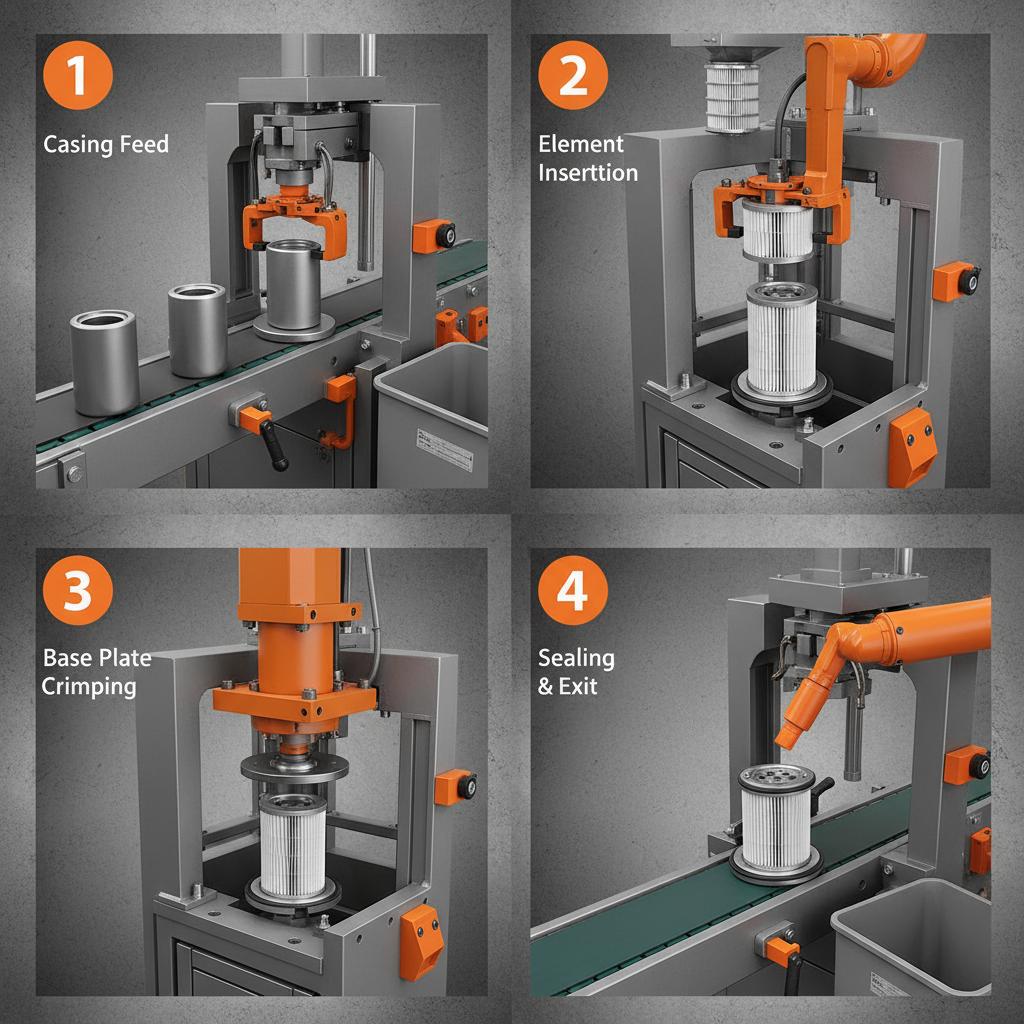
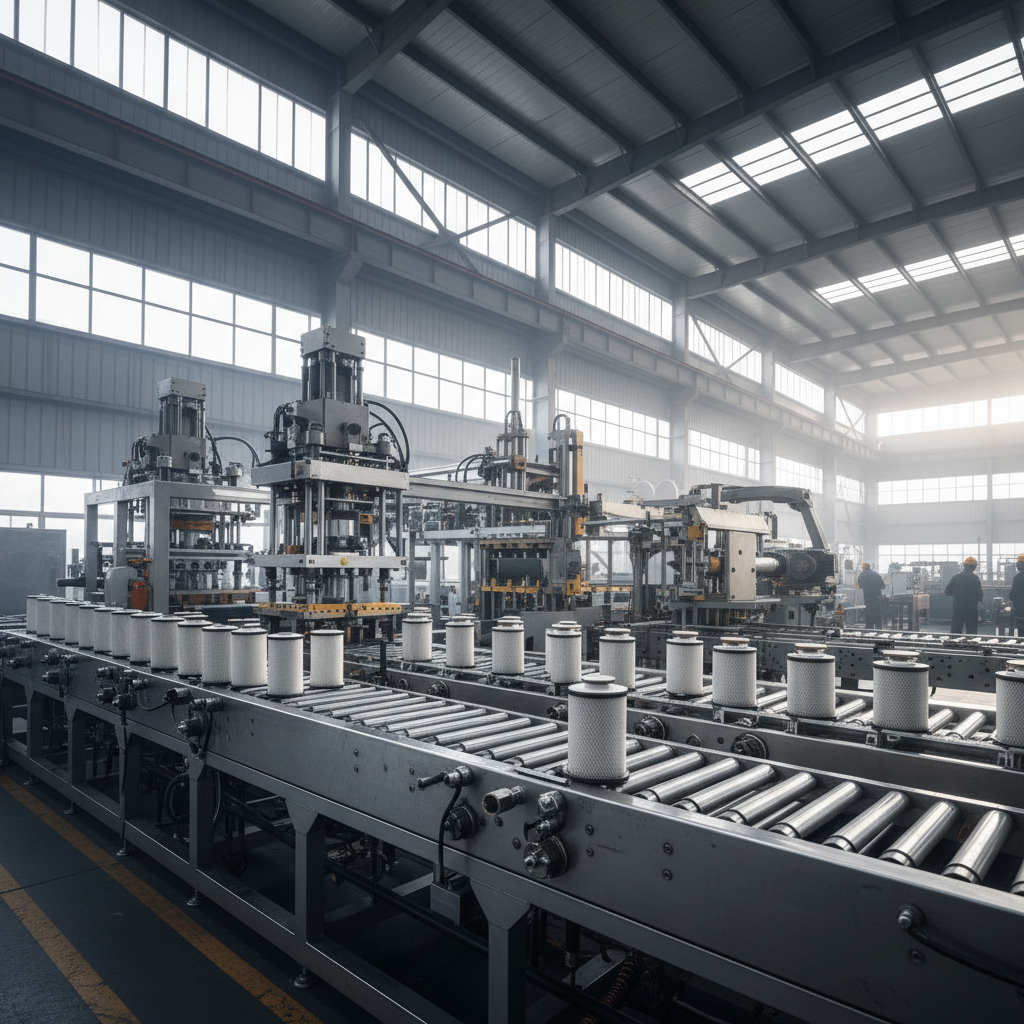
In the modern landscape of industrial filtration, the precision and efficiency of a rotary paper pleating machine have become fundamental to maintaining air quality and engine longevity. As global emission standards tighten and the demand for high-performance automotive and industrial filters rises, the ability to create consistent, high-density pleats is no longer a luxury but a technical necessity for manufacturers.
Understanding the mechanics of a rotary paper pleating machine allows production managers to optimize material usage while maximizing the surface area of the filter media. This optimization directly impacts the filtration efficiency and the pressure drop of the final product, ensuring that whether it is a cabin air filter or a heavy-duty truck oil filter, the product meets rigorous ISO quality standards.
By integrating advanced automation with rotary pleating technology, factories can transition from slow, manual processes to high-speed, scalable production lines. This evolution not only reduces labor costs but also eliminates human error, ensuring that every pleat is uniform and every filter performs reliably in the most demanding environments.
Global Industrial Context of Rotary Paper Pleating Machine
On a global scale, the demand for air and oil filtration is surging due to increased urbanization and stricter environmental regulations. The rotary paper pleating machine serves as the heartbeat of this industry, enabling the mass production of media that can trap microscopic pollutants without choking the airflow. As ISO 14001 and other environmental management standards become mandatory, the precision offered by rotary pleating ensures that filters are created with zero waste and maximum efficiency.
In emerging markets across Asia and Latin America, the rapid growth of the automotive sector has created a critical need for scalable production solutions. Manufacturers are moving away from flat-bed pleating toward rotary systems to keep up with the volume requirements of modern OEMs. This shift is not merely about speed, but about the repeatability of the pleat depth and pitch, which are critical variables in determining the lifespan of a filter.
Defining the Rotary Paper Pleating Machine Mechanism
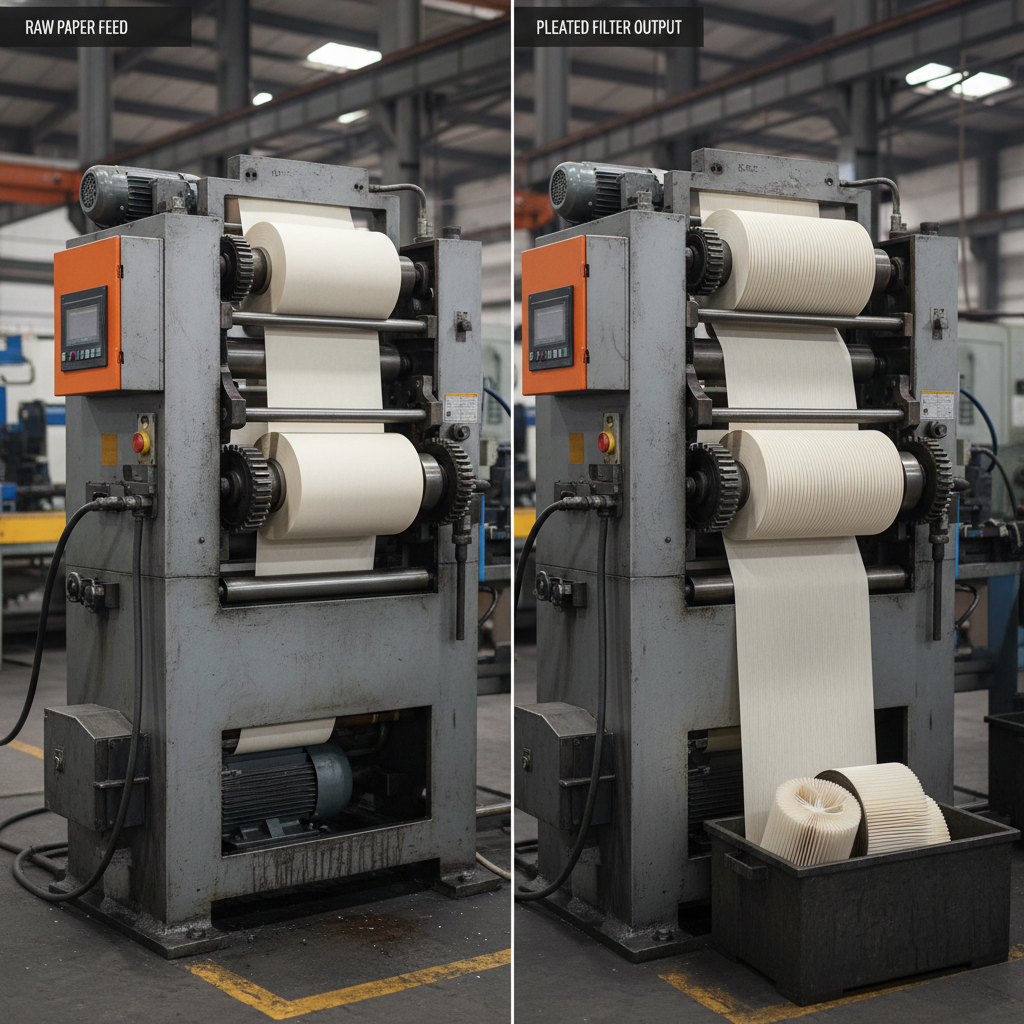
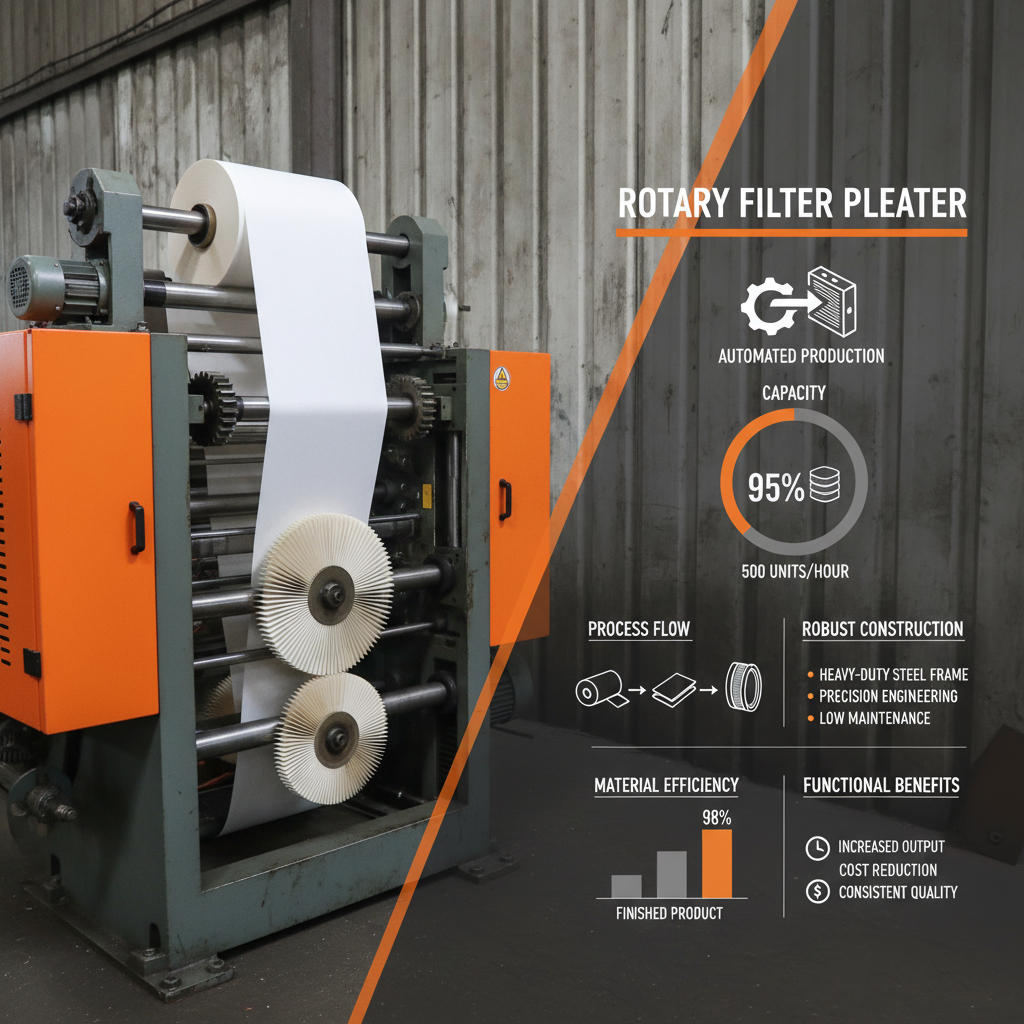
A rotary paper pleating machine is a specialized piece of industrial equipment designed to fold filter media—typically paper, non-woven fabric, or synthetic blends—into a series of uniform, radial pleats. Unlike linear pleating, the rotary method uses a rotating drum or mandrel that continuously forms the folds as the material is fed through, allowing for a seamless, high-speed transition from a flat roll to a pleated cylinder.
This mechanism is essential for modern humanitarian and industrial needs, particularly in the creation of HEPA filters and automotive air cleaners. By increasing the effective surface area of the filter medium within a compact housing, the rotary pleating process allows for higher dust-holding capacity and lower airflow resistance, which directly improves the energy efficiency of the machines the filters protect.
From a technical standpoint, the rotary process ensures that the tension of the paper is maintained throughout the fold, preventing the "crinkling" or "collapsing" often seen in lower-quality equipment. This structural integrity is what allows filters to withstand high-pressure environments in heavy-duty trucks and industrial air compressors without failing.
Core Components for Precision Pleating
Durability is the first pillar of a high-performance rotary paper pleating machine. The core mandrel and forming rollers are typically constructed from hardened steel or specialized alloys to prevent wear over millions of cycles. This ensures that the pleat pitch remains constant over long production runs, avoiding the drift in dimensions that can lead to filter assembly failures.
Scalability and versatility are achieved through interchangeable molds and adjustable drive systems. A versatile rotary paper pleating machine can handle various material weights—from lightweight cabin filter paper to heavy-duty oil filter media—simply by adjusting the pressure rollers and the feed speed, allowing one machine to serve multiple product lines.
Finally, the integration of PLC (Programmable Logic Controller) systems provides the precision needed for modern "smart" factories. These controllers monitor the feed rate and rotary speed in real-time, ensuring that the pleat depth is exactly as specified in the engineering drawing, which is critical for maintaining the precise fit within the filter canister.
Practical Applications in Filter Production
The versatility of the rotary paper pleating machine is evident in its wide range of use cases, from the production of Cabin Air Filter Solutions to heavy-duty Truck Air Filter Production. In the automotive sector, these machines are used to create the intricate pleats required for oil filters, where the surface area must be maximized to capture fine particulates while maintaining a high flow rate for lubrication.
Beyond automotive use, these systems are deployed in remote industrial zones to produce Primary Medium and High Efficiency Air Filters. In these contexts, the ability to produce consistent, high-quality filters locally reduces reliance on long supply chains and ensures that critical infrastructure, such as power plants and water treatment facilities, remains operational with fresh filtration.
Performance Comparison of Rotary Paper Pleating Machine Methods
Long-term Value and Operational Advantages
The long-term value of investing in a professional rotary paper pleating machine extends far beyond simple output volume. By achieving a more precise and consistent pleat, manufacturers can significantly reduce the amount of wasted filter media, which lowers material costs and supports corporate sustainability goals. This precision also translates to a higher trust level from end-users, as the filters provide a predictable and reliable service life.
Moreover, the emotional and psychological value of reliability cannot be overstated. For an automotive technician or an industrial plant manager, knowing that a filter was produced on a precision rotary machine means they can trust the product's safety and integrity. This trust fosters brand loyalty and positions the manufacturer as a leader in innovation and quality, rather than just another supplier of commodity goods.
Future Innovations in Pleating Technology
The future of the rotary paper pleating machine is being shaped by the convergence of Industry 4.0 and green materials. We are seeing a shift toward "smart pleating," where sensors integrated into the machine can detect minute variations in paper thickness or moisture content and adjust the pleating pressure in real-time to compensate, ensuring a perfect fold every time.
Sustainability is also driving the development of machines capable of handling biodegradable and recycled filter media. These new materials often have different tensile strengths than traditional cellulose, requiring the rotary pleating machines to have more sophisticated tension control systems to prevent tearing while maintaining high production speeds.
Furthermore, the integration of digital twins allows manufacturers to simulate the pleating process virtually before a single sheet of paper is used. This reduces the setup time for new filter designs and allows for rapid prototyping of specialized filters for niche industries, such as aerospace or high-end medical filtration.
Overcoming Common Pleating Challenges
One of the most persistent challenges in the use of a rotary paper pleating machine is the issue of "pleat collapse," where the folds lose their shape during the assembly process. This is often caused by improper tension settings or low-quality media. The expert solution lies in the implementation of precision guide rails and optimized pressure rollers that "set" the fold more firmly during the rotary process.
Another common limitation is the difficulty in switching between different pleat depths for various product lines. To overcome this, modern manufacturers are adopting modular mandrel systems that allow for quick-change setups, reducing downtime from hours to minutes. This flexibility is essential for shops that produce both small cabin filters and large industrial air filters.
Finally, maintaining the cleanliness of the machine is critical to prevent contamination of the filter media. The adoption of stainless steel components and automated lubrication systems ensures that no oils or metallic particles contaminate the paper, which would otherwise compromise the filtration efficiency and lead to product rejects.
Core Technical Analysis of Rotary Paper Pleating Machine Performance
|
Machine Configuration
|
Pleat Consistency (1-10)
|
Material Waste %
|
Production Speed (m/min)
|
| Standard Manual Rotary |
5 |
8% |
2-5 |
| Semi-Auto Pneumatic |
7 |
5% |
10-15 |
| PLC-Controlled Rotary |
9 |
2% |
20-40 |
| High-Precision Servo |
10 |
1% |
50-80 |
| Industrial Heavy-Duty |
8 |
3% |
30-60 |
| Eco-Material Modular |
9 |
2% |
25-45 |
FAQS
The primary difference lies in the movement and speed. A rotary paper pleating machine uses a rotating drum to continuously form pleats, which allows for significantly higher production speeds and more consistent pleat depth across the entire width of the media. Flat-bed pleaters are typically slower and more suited for short-run, custom jobs, whereas rotary systems are designed for high-volume industrial production.
Yes, most professional-grade rotary machines are designed for versatility. By adjusting the tension rollers and replacing the forming molds, a single machine can process various materials, including standard cellulose paper, synthetic non-woven fabrics, and multi-layer composite media. This makes it an ideal solution for factories producing both oil and air filters.
Pleat collapse is usually caused by three factors: improper tension during the pleating process, using media with insufficient stiffness (grammage), or incorrect pleat pitch for the specific material. Upgrading to a rotary paper pleating machine with PLC tension control can largely eliminate this issue by ensuring a consistent "set" for every fold.
Regular maintenance should focus on the lubrication of the rotary bearings and the cleaning of the forming rollers. Because filter media can leave behind dust or fibers, daily cleaning prevents build-up that could cause pleat irregularities. Additionally, checking the alignment of the feed guides ensures that the material enters the drum straight, preventing skewed pleats.
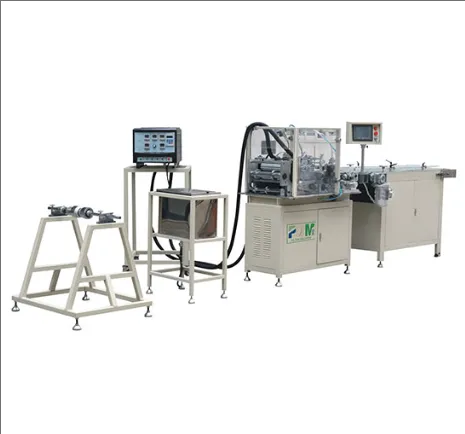
Absolutely. High-end rotary paper pleating machines are now fully integrated into automated lines. This includes automatic roll feeding, PLC-controlled pleating, and synchronized cutting and winding. Full automation reduces labor costs and ensures that every filter produced meets the exact same specification, which is critical for OEM contracts.
Rotary pleating maximizes the surface area of the media within a fixed volume. More surface area means the filter can capture more contaminants before it becomes clogged, and it also lowers the pressure drop across the filter. This results in better airflow for the engine or room, extending the filter's life and improving the overall efficiency of the system.
Conclusion
The rotary paper pleating machine is far more than just a piece of folding equipment; it is a critical engine of efficiency for the global filtration industry. From ensuring the precise geometry of automotive air filters to enabling the mass production of high-efficiency industrial cleaners, the rotary method provides the speed, consistency, and scalability required to meet modern environmental and technical standards. By focusing on durability, PLC precision, and material versatility, manufacturers can significantly reduce waste while increasing the reliability of their products.
Looking forward, the integration of smart sensors and sustainable materials will continue to redefine what is possible in filter production. For companies aiming to maintain a competitive edge in the automotive and industrial sectors, investing in high-precision rotary pleating technology is the most effective way to guarantee quality and operational longevity. We encourage you to explore how these solutions can transform your production line. Visit our website: www.mfiltersolution.com