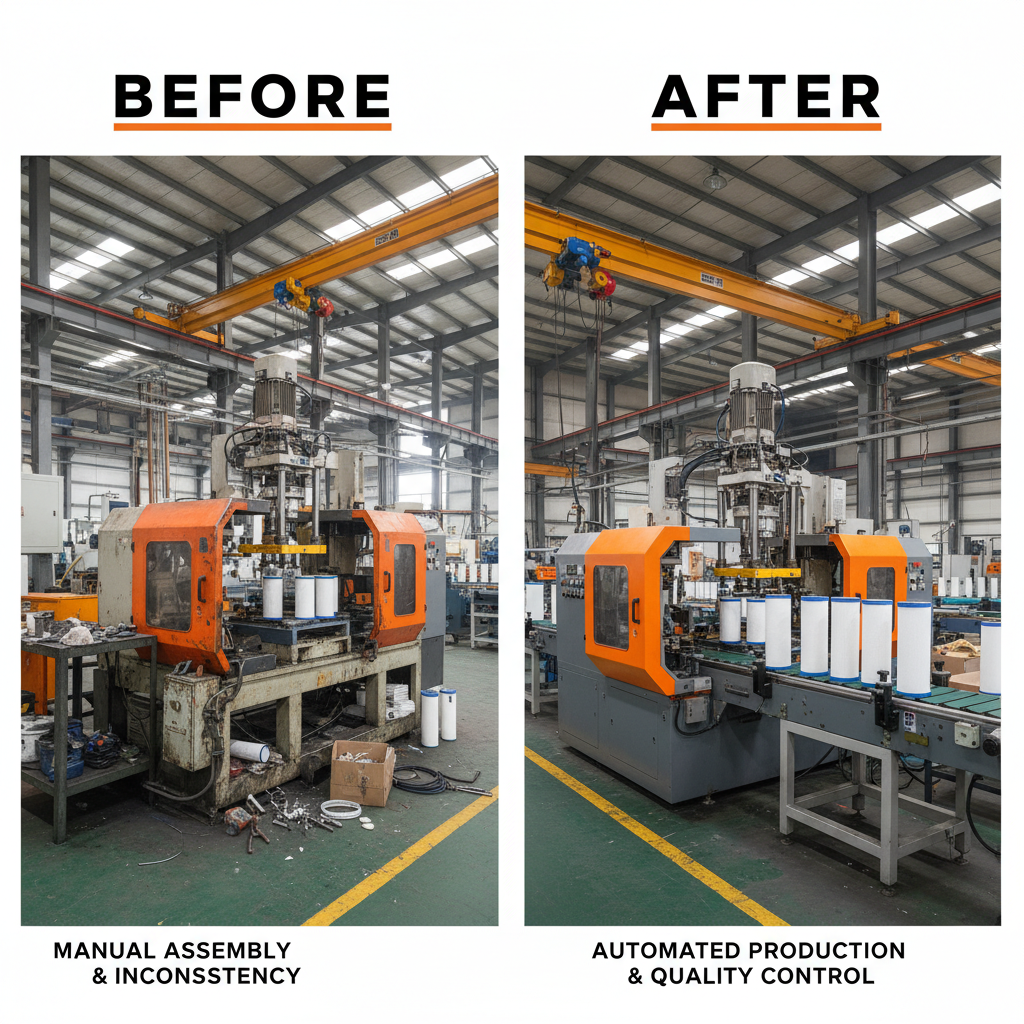
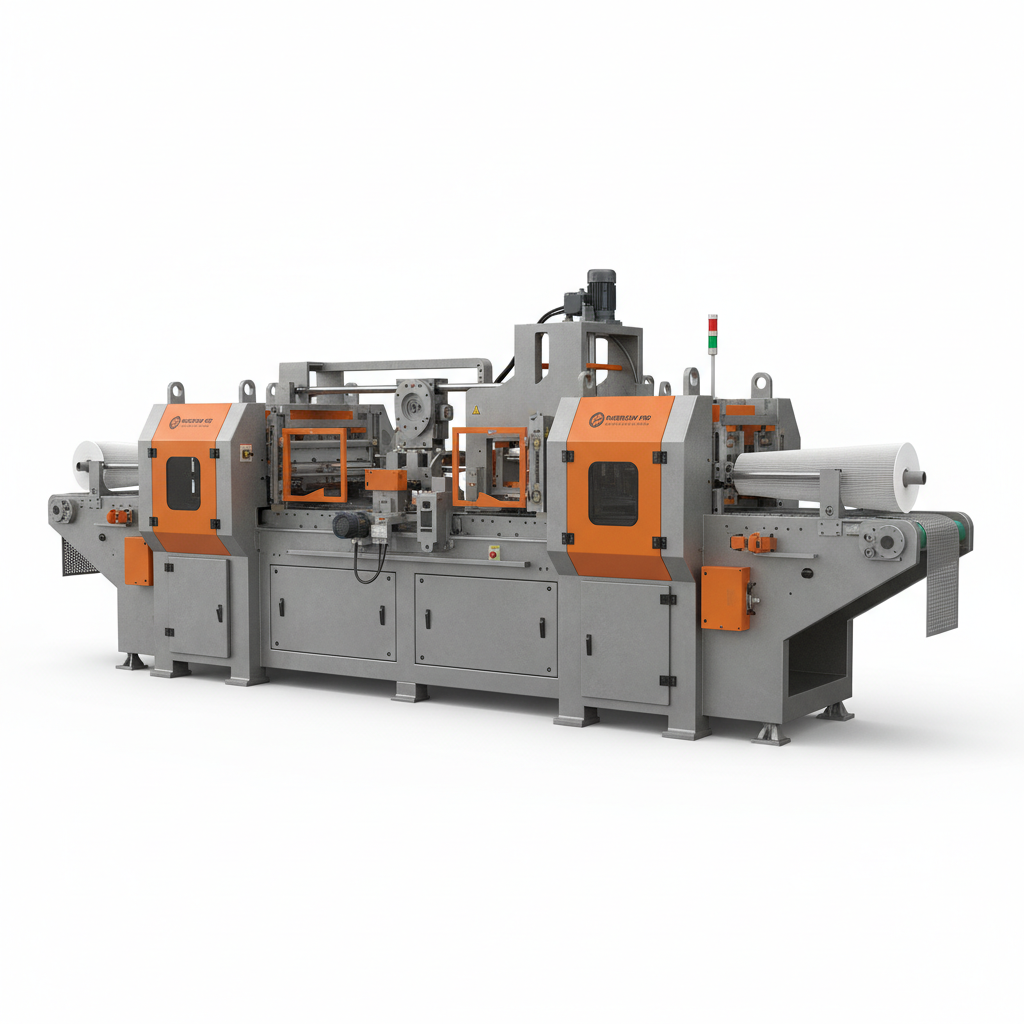
The cutting machine industry plays a pivotal role in modern manufacturing, spanning diverse sectors from textiles and automotive to aerospace and medical device production. Its evolution reflects a continuous drive for precision, efficiency, and automation. Globally, the demand for advanced cutting solutions is rising, fueled by increased manufacturing output, a growing need for customized products, and the adoption of innovative materials. Understanding the nuances of cutting machine technology – including its various types, applications, and emerging trends – is crucial for businesses seeking to maintain a competitive edge in today’s rapidly changing industrial landscape. This knowledge empowers informed decision-making regarding investment, operation, and future adaptation.
The global cutting machine market is experiencing significant growth, driven by factors like increasing automation in manufacturing processes and the demand for high-precision cutting. According to a recent report by Grand View Research, the global cutting machine market size was valued at USD 15.7 billion in 2022 and is projected to reach USD 24.5 billion by 2030, growing at a CAGR of 5.7% from 2023 to 2030. This growth is particularly prominent in emerging economies like China and India, where manufacturing sectors are expanding rapidly. However, challenges remain, including the need for skilled operators, the high initial investment costs for some advanced systems, and the continuous need for technological innovation to address evolving material demands and cutting complexities.
At its core, a cutting machine is a power tool or industrial machine designed to cut materials such as metal, wood, plastic, or fabric. While seemingly simple in concept, modern cutting machines encompass a vast spectrum of technologies, from basic hand-held cutters to sophisticated CNC (Computer Numerical Control) systems capable of executing intricate designs with micron-level precision. These machines are integral to countless production processes, enabling the creation of everything from simple components to complex finished products. The ongoing advancements in cutting machine technology are directly tied to the evolution of materials science and manufacturing techniques, underscoring their importance to both industrial progress and humanitarian needs, such as rapid prototyping for disaster relief solutions.
The Significance of Cutting Machine Technology
Cutting machine technology isn’t merely about severing materials; it’s about enabling precise fabrication and efficient production across countless industries. From the automotive sector, where precise cuts are essential for body panel manufacturing, to the aerospace industry, demanding exceptional tolerances for aircraft components, the reliance on sophisticated cutting machines is undeniable. The precision offered by these machines allows for minimal material waste, reduced rework, and the creation of complex geometries that would be impossible with traditional methods.
The economic impact of the cutting machine industry extends far beyond the manufacturing floor. It fosters innovation in materials science, software development, and automation technologies. Furthermore, a robust cutting machine sector provides high-skilled employment opportunities, from machine operators and maintenance technicians to engineers and software developers. As global manufacturing continues to evolve, the demand for skilled professionals proficient in operating and maintaining cutting machine technology will only increase, bolstering economic growth and driving technological advancements.
Defining the Cutting Machine Landscape
The term "cutting machine" encompasses a remarkably broad range of equipment. At the most basic level, this includes manual tools like shears, saws, and knives, used for relatively simple cutting tasks. However, the industry is increasingly dominated by automated systems such as laser cutting machines, plasma cutting machines, waterjet cutting machines, and CNC milling machines. Each technology offers unique advantages depending on the material being cut, the required precision, and the production volume. Laser cutting is renowned for its precision and ability to cut intricate designs, while plasma cutting is ideal for thicker metals. Waterjet cutting excels in cutting a wide variety of materials without generating heat, and CNC milling offers exceptional accuracy and versatility.
The distinction between these cutting methods is often based on the energy source used to sever the material. Laser cutting employs a focused beam of light, plasma cutting utilizes a high-velocity jet of ionized gas, and waterjet cutting combines high-pressure water with abrasive particles. CNC milling relies on rotating cutting tools controlled by a computer program. Selecting the appropriate cutting machine requires a thorough understanding of the material properties, desired cut quality, and overall production requirements. Increasingly, hybrid systems that combine multiple cutting technologies are emerging, offering even greater flexibility and efficiency.
The evolution of cutting machine technology is closely linked to advancements in control systems and software. Modern cutting machines are often integrated with CAD/CAM (Computer-Aided Design/Computer-Aided Manufacturing) software, allowing for seamless design-to-production workflows. These systems enable precise control over cutting parameters, automated nesting of parts to minimize material waste, and real-time monitoring of the cutting process, ensuring consistent quality and maximizing efficiency. This digital integration is crucial for meeting the demands of modern manufacturing.
Core Components of a Cutting Machine
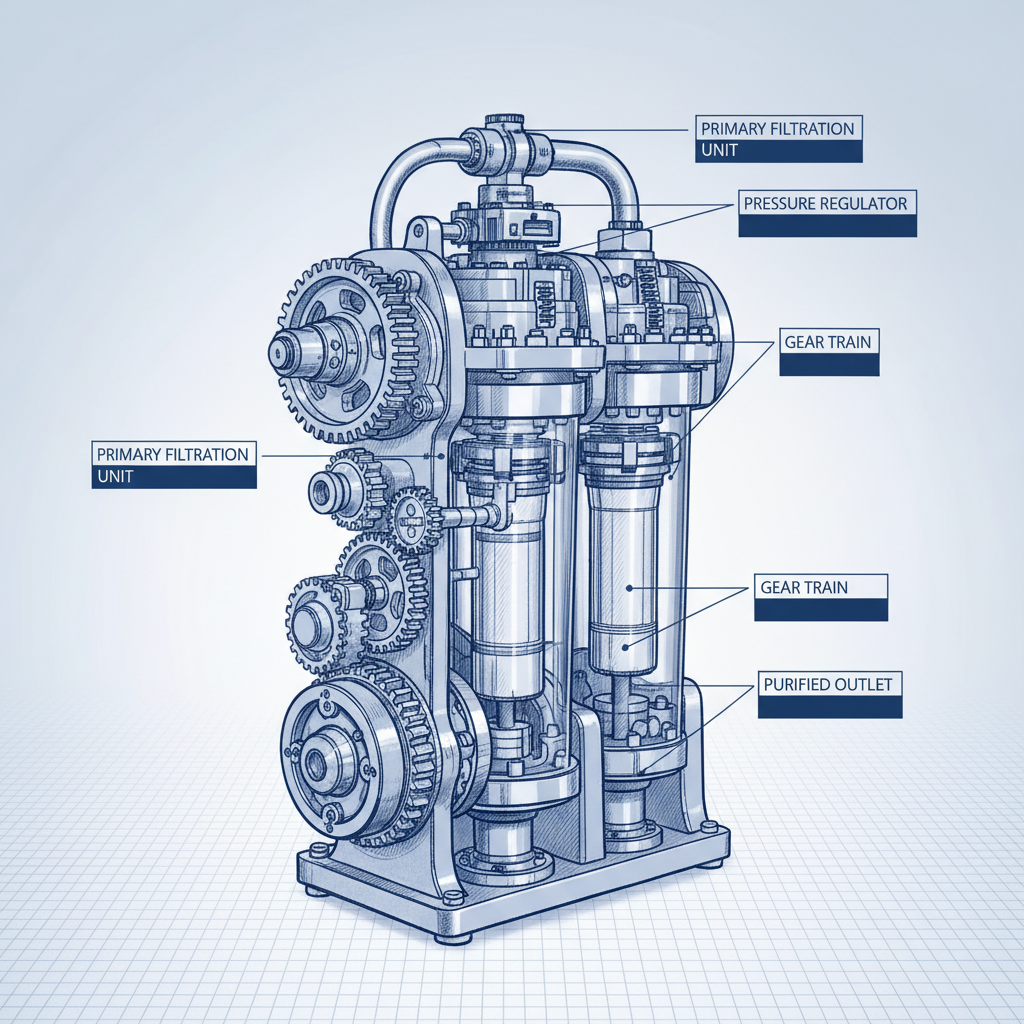
Regardless of the specific cutting technology employed, all cutting machines share several core components. The power source is fundamental, providing the energy needed to initiate and sustain the cutting process – whether it’s electricity for lasers and CNC mills, compressed air for plasma cutters, or hydraulic pressure for waterjet systems. The cutting tool, such as a laser head, plasma torch, waterjet nozzle, or milling cutter, is the element that directly interacts with the material.
A crucial aspect is the motion control system. This encompasses motors, drives, and linear guides that govern the movement of the cutting tool along predefined paths. The precision and accuracy of this system directly influence the quality of the cut. Furthermore, the control system—often a PLC (Programmable Logic Controller) or CNC controller—interprets instructions from the operator or a computer program, coordinating the movement of the cutting tool and managing other machine functions. Finally, the support structure, including the machine frame, worktable, and safety enclosures, provides stability, rigidity, and operator protection.
The efficiency and reliability of a cutting machine depend heavily on the quality and integration of these components. For example, high-precision linear guides are essential for achieving accurate cuts, while robust safety enclosures are critical for protecting operators from hazards such as flying debris or high-intensity light. Continuous improvements in materials science and engineering are leading to the development of more durable, efficient, and reliable cutting machine components.
Key Factors Influencing Cutting Machine Performance
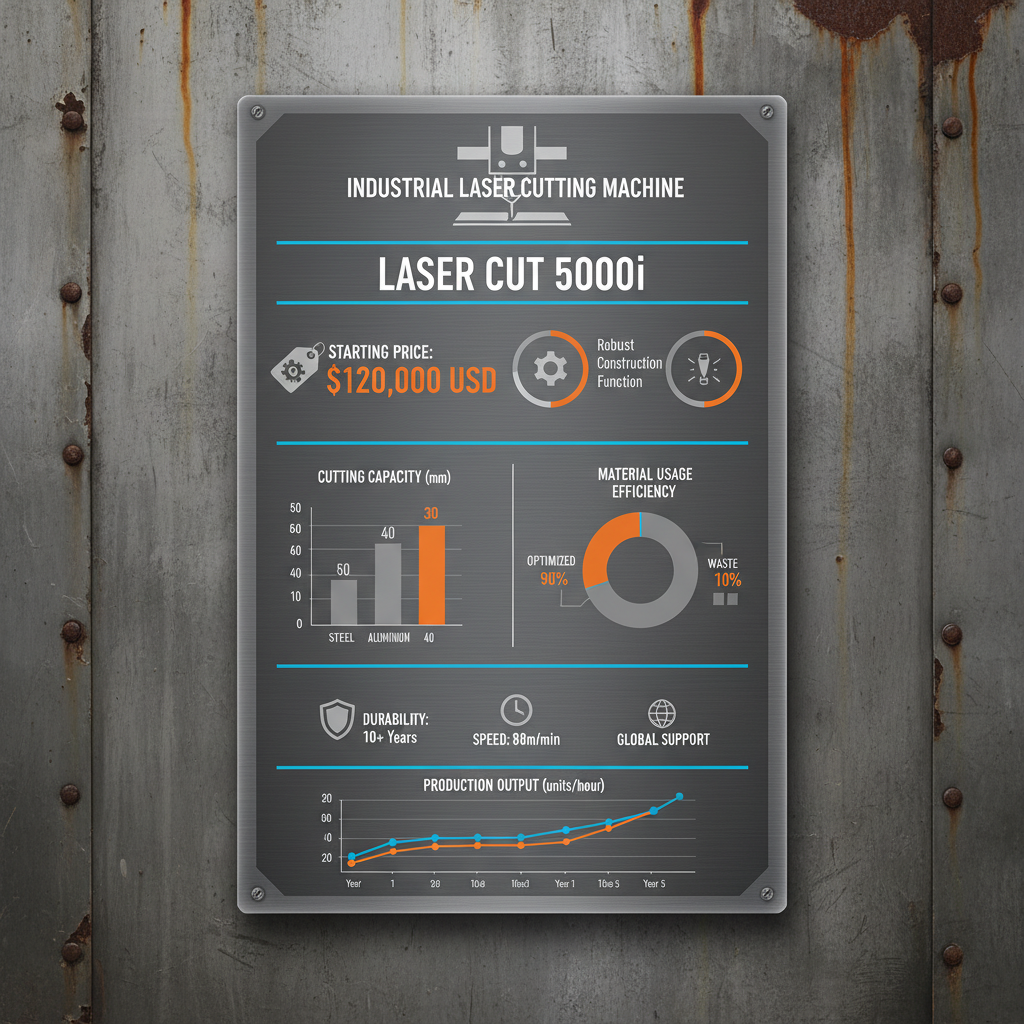
Several key factors influence the overall performance of a cutting machine. Durability is paramount, as cutting machines often operate in demanding environments and are subjected to continuous use. A robust construction and high-quality components ensure long-term reliability and minimize downtime. Scalability is also crucial, allowing manufacturers to adapt their cutting capacity to changing production demands. This may involve adding more machines or upgrading existing ones with advanced features.
Cost efficiency is a major consideration, encompassing not only the initial purchase price but also ongoing operating costs such as energy consumption, maintenance, and consumable parts. Precision, as previously mentioned, is critical for achieving high-quality cuts and minimizing material waste. Finally, speed and throughput are essential for maximizing productivity and meeting tight deadlines. Optimizing these factors requires careful selection of the appropriate cutting technology, proper machine setup, and skilled operation.
Cutting Machine Performance Metrics
Global Applications and Use Cases of Cutting Machine
Cutting machine technology finds application across a vast spectrum of industries. In the automotive sector, they're used for cutting sheet metal for body panels, fabricating interior components, and producing molds for plastic parts. The aerospace industry relies on high-precision cutting machines to manufacture aircraft structures, engine components, and interior fittings, demanding exceptional tolerances and material compatibility.
The textile industry utilizes cutting machines for pattern making, fabric cutting, and garment production, enabling efficient and accurate mass production. In the construction industry, cutting machines are employed for cutting metal beams, reinforcing bars, and insulation materials. Furthermore, the medical device industry relies on cutting machines for fabricating surgical instruments, implants, and other specialized components, requiring high precision and sterilization capabilities. In remote industrial zones, cutting machines can enable localized manufacturing and reduce reliance on long supply chains.
Advantages and Long-Term Value Proposition
Investing in advanced cutting machine technology offers numerous tangible benefits. Reduced material waste translates to significant cost savings, while increased precision minimizes rework and improves product quality. Automated cutting processes enhance productivity and reduce labor costs. Improved safety features protect operators from hazards and minimize the risk of accidents.
Beyond these quantifiable benefits, cutting machine technology provides a long-term competitive advantage. The ability to rapidly prototype new designs, customize products to meet specific customer requirements, and efficiently scale production capacity are crucial for success in today's dynamic market. Moreover, adopting sustainable cutting practices – such as minimizing material waste and utilizing energy-efficient equipment – enhances a company's environmental responsibility and brand reputation. This enhances trust in products and brand values.
The innovation that cutting machine technology enables fosters a culture of continuous improvement within manufacturing organizations. By embracing automation and advanced materials, businesses can unlock new levels of efficiency, quality, and innovation, securing their position in the global marketplace.
Future Trends and Innovations in Cutting Machine Technology
The future of cutting machine technology is poised for significant disruption. Artificial intelligence (AI) and machine learning (ML) are being integrated into cutting machines to optimize cutting parameters, predict tool wear, and detect defects in real-time. This leads to improved efficiency, reduced downtime, and enhanced product quality. Digital twin technology, which creates a virtual replica of a cutting machine, is enabling predictive maintenance, remote monitoring, and optimized process control.
The development of new materials, such as advanced composites and high-strength alloys, is driving the need for cutting machines capable of handling these challenging materials. Additive manufacturing, also known as 3D printing, is increasingly being integrated with cutting machine technology to create hybrid manufacturing processes that combine the benefits of both techniques. Furthermore, sustainability is becoming a key driver of innovation, with manufacturers seeking to develop energy-efficient cutting machines and minimize material waste.
These advancements, coupled with increased automation and the integration of Industrial Internet of Things (IIoT) technologies, will revolutionize the cutting machine landscape, creating smarter, more efficient, and more sustainable manufacturing processes.
Summary of Future Cutting Machine Technology Trends
| Trend Category |
Key Technology |
Impact on Cutting Machine |
Adoption Rate (1-10) |
| Automation |
Robotic Integration |
Increased throughput, reduced labor costs |
8 |
| Digitalization |
Digital Twin Technology |
Predictive maintenance, remote monitoring |
6 |
| Intelligence |
Artificial Intelligence |
Optimized cutting parameters, defect detection |
7 |
| Materials |
Advanced Composites |
Requires specialized cutting tools and techniques |
5 |
| Sustainability |
Energy-Efficient Systems |
Reduced energy consumption, lower operating costs |
9 |
| Integration |
Additive Manufacturing |
Hybrid manufacturing processes, increased design flexibility |
4 |
FAQS
Choosing the right cutting machine requires careful consideration of several factors. These include the type of material you'll be cutting, the desired cut quality, the production volume, and your budget. Different cutting technologies—laser, plasma, waterjet, CNC milling—excel in different areas. For example, laser cutting is ideal for intricate designs on thin materials, while plasma cutting is better suited for thicker metals. Also consider factors like automation capabilities, ease of use, and available support services. Careful evaluation of these aspects will ensure you select a cutting machine that meets your specific needs and optimizes your production process.
The lifespan of a high-quality cutting machine can vary significantly depending on the type of machine, the intensity of use, and the quality of maintenance. However, with proper care and regular servicing, many cutting machines can operate effectively for 10-20 years or even longer. Factors that contribute to a longer lifespan include a robust construction, high-quality components, and adherence to recommended maintenance schedules. Investing in preventative maintenance and addressing minor issues promptly can significantly extend the life of your cutting machine.
CNC (Computer Numerical Control) integration drastically improves cutting machine performance by automating the cutting process and enhancing precision. CNC systems allow for the creation of complex designs with micron-level accuracy, reducing manual errors and material waste. They also enable faster cutting speeds, increased repeatability, and the ability to handle intricate geometries. Furthermore, CNC integration often includes features like automated tool changes and real-time monitoring, further optimizing efficiency and productivity.
Operating a cutting machine requires strict adherence to safety precautions. Always wear appropriate personal protective equipment (PPE), including safety glasses, gloves, and hearing protection. Ensure the machine is properly grounded and that all safety guards are in place. Never operate a cutting machine without proper training and understanding of its safety features. Be aware of potential hazards such as flying debris, high-intensity light, and harmful fumes, and take necessary precautions to mitigate these risks.
Regular maintenance is crucial for ensuring the optimal performance and longevity of a cutting machine. Typical maintenance requirements include cleaning the machine regularly, lubricating moving parts, inspecting and replacing worn components, and calibrating the cutting system. Following the manufacturer's recommended maintenance schedule is essential. Preventative maintenance can help identify and address potential problems before they lead to costly downtime or repairs.
Reducing material waste involves optimizing cutting parameters, utilizing efficient nesting software, and implementing proper material handling practices. Nesting software can arrange parts on the material sheet in a way that minimizes scrap. Careful selection of cutting tools and cutting speeds can also help reduce waste. Furthermore, exploring the possibility of reusing or recycling scrap material can contribute to a more sustainable manufacturing process.
Conclusion
The cutting machine industry is a cornerstone of modern manufacturing, empowering a diverse range of sectors with the precision and efficiency needed to thrive in today’s competitive landscape. From basic manual tools to sophisticated CNC systems, cutting machine technology continues to evolve, driven by advancements in materials science, automation, and digitalization. Understanding the core components, key performance factors, and emerging trends in this field is essential for businesses seeking to optimize their production processes and maintain a competitive edge.
Looking ahead, the future of cutting machine technology promises even greater levels of automation, intelligence, and sustainability. Embracing these innovations will enable manufacturers to unlock new levels of efficiency, quality, and innovation, driving economic growth and creating a more sustainable future. To explore how cutting machine solutions can transform your operations, visit our website at www.mfiltersolution.com.