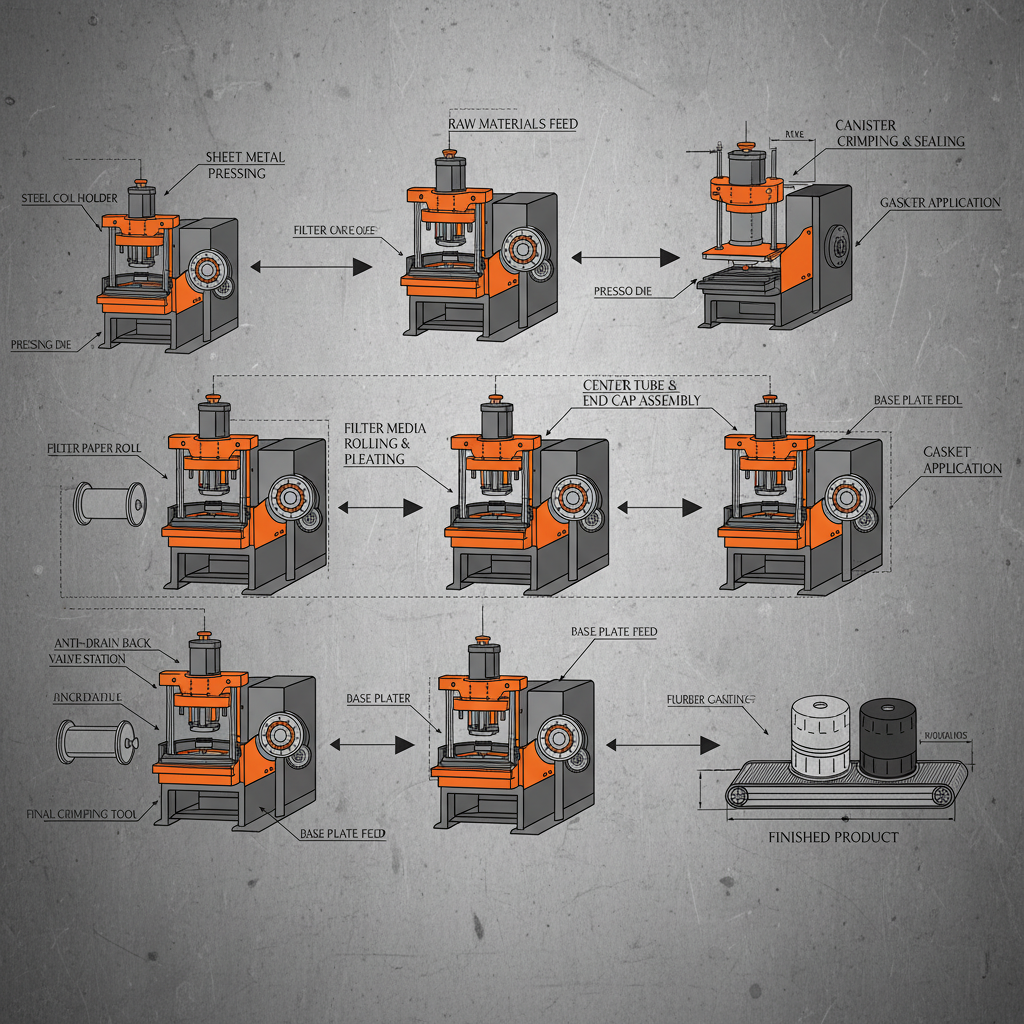
The world’s demand for clean and efficient oil filtration is constant, impacting everything from industrial machinery to environmental protection. The reality on site – and I spend nearly every day on sites, wrestling with hydraulics and talking to engineers – is that standard filtration often falls short. We need solutions that aren’t just good enough, but that truly extend machine life, reduce downtime, and minimize environmental impact. That’s where the ecooil filter producing machine steps in. It’s not about a simple swap of filters; it’s about a whole new approach to oil maintenance and longevity. It’s about cutting costs, boosting performance, and ultimately, doing things the right way. ecooil filter producing machine is changing the game.
I’ve seen firsthand how poor filtration leads to catastrophic failures. A blocked filter, contaminated oil – it’s a cascading problem that quickly shuts down operations and racks up huge repair bills. Increasingly, companies are looking for more sustainable options, and simply disposing of used oil and filters isn’t cutting it anymore. Regulations are tightening, and customers are demanding responsibility. The ecooil filter producing machine addresses both of these critical needs, offering a cost-effective and environmentally sound solution. It’s a response to a genuine pain point in industries ranging from manufacturing to marine.
What this really boils down to is proactive maintenance. Too often, we’re reacting to problems instead of preventing them. An ecooil filter producing machine empowers companies to take control of their oil filtration process, ensuring consistent quality and minimizing the risk of breakdowns. We're talking about fewer headaches, lower operating costs, and a significant boost to overall efficiency. It’s a tool that allows engineers to focus on what they do best – building and operating – without constantly battling oil-related issues.
The Global Significance of ecooil filter producing machine
The global industrial sector relies heavily on machinery that requires consistent and clean oil lubrication. According to the UN Industrial Development Organization (UNIDO), manufacturing alone accounts for over 15% of global GDP. This immense scale translates into a massive demand for oil filtration. However, traditional filtration methods often result in significant waste, environmental pollution, and operational costs. The ecooil filter producing machine emerges as a crucial solution in addressing these challenges. It’s not just about compliance with increasingly strict environmental regulations (like those set by ISO 14001); it’s about fundamentally changing how industries manage their resources and minimize their footprint.
From a practical standpoint, I’ve seen the cost of downtime due to oil contamination skyrocket. The World Bank estimates that unplanned downtime costs businesses billions annually. The ecooil filter producing machine tackles this head-on by providing a reliable, on-site solution for oil purification and filter production. This minimizes the reliance on external suppliers, reduces lead times, and ensures that operations can continue smoothly, even in remote locations or during supply chain disruptions. It’s a proactive approach to a problem that too often gets overlooked until it's too late.
Understanding the ecooil Filter Producing Machine
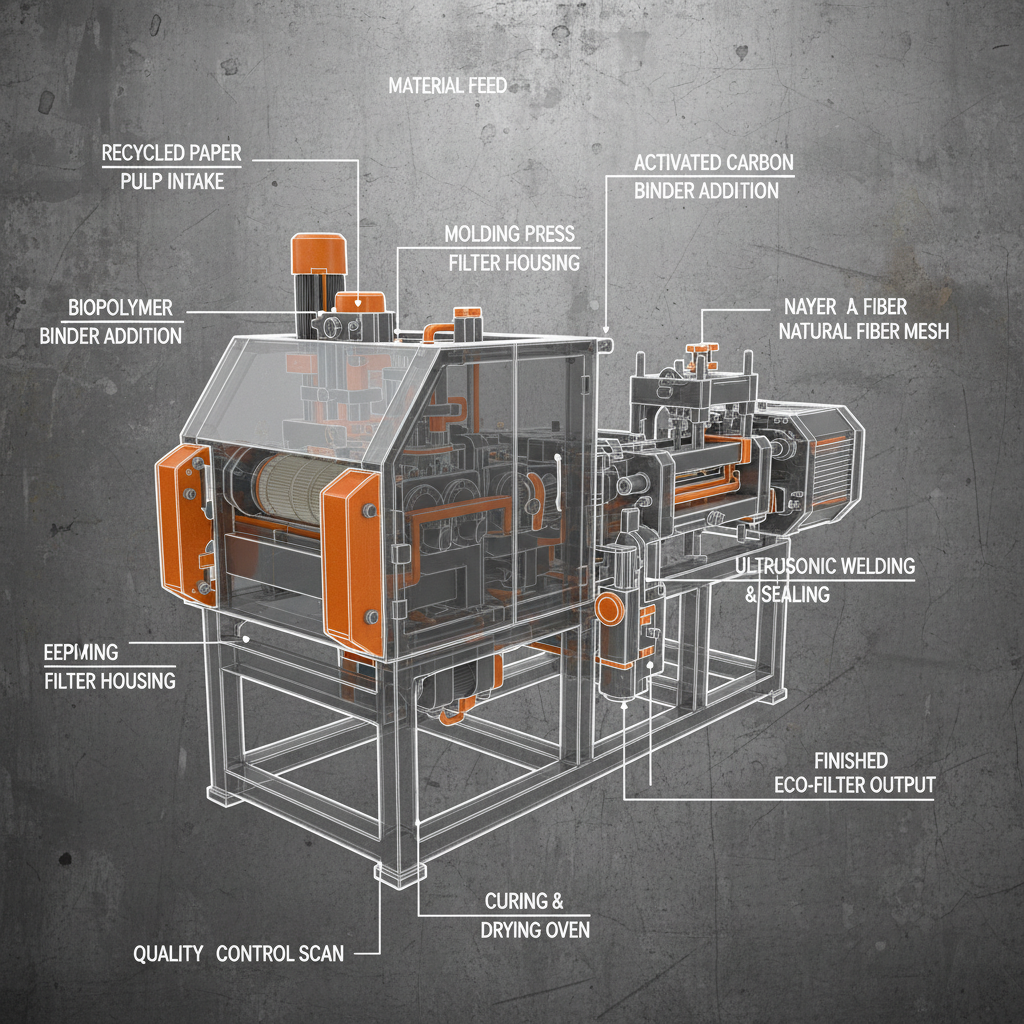
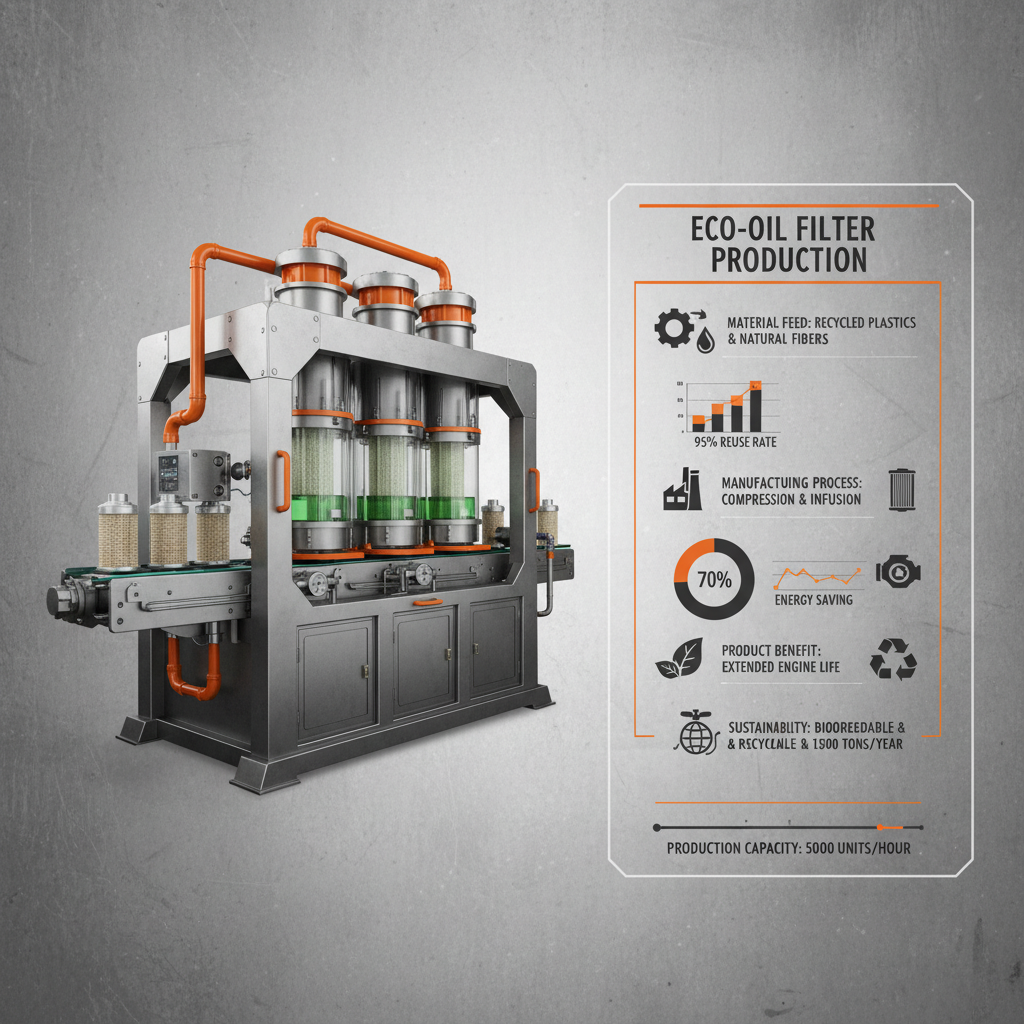
Simply put, an ecooil filter producing machine is a self-contained system designed to manufacture high-quality oil filters directly on-site. Unlike traditional filter purchases, these machines utilize a process of purifying used oil and then employing that purified oil to impregnate filter media – typically cellulose or synthetic materials. This closed-loop system significantly reduces waste, lowers costs associated with filter procurement, and minimizes the environmental impact of oil disposal. It's a modular system, too, meaning it can be scaled to meet the needs of varying operation sizes.
The connection to modern industry is undeniable. Businesses are increasingly focused on circular economy principles – minimizing waste and maximizing resource utilization. The ecooil filter producing machine is a prime example of this in action. It transforms a waste product (used oil) into a valuable resource (purified oil for filter production), creating a sustainable and cost-effective solution. It aligns perfectly with the goals of responsible manufacturing and environmentally conscious operations.
From a humanitarian perspective, these machines can be deployed in remote locations or disaster zones, providing critical oil filtration capabilities where access to traditional supplies is limited. Imagine a scenario where essential machinery is stranded due to a lack of filters – the ecooil filter producing machine can be a lifesaver, keeping vital infrastructure operational.
Key Components and Operational Factors
Durability is paramount. These machines are often deployed in harsh environments, so they need to be built to withstand extreme temperatures, dust, and vibration. High-quality materials and robust construction are non-negotiable. Scalability is another critical factor. A machine that can easily adapt to changing production needs is far more valuable than one that’s limited in capacity. The ability to increase filter production as demand grows is crucial for long-term viability.
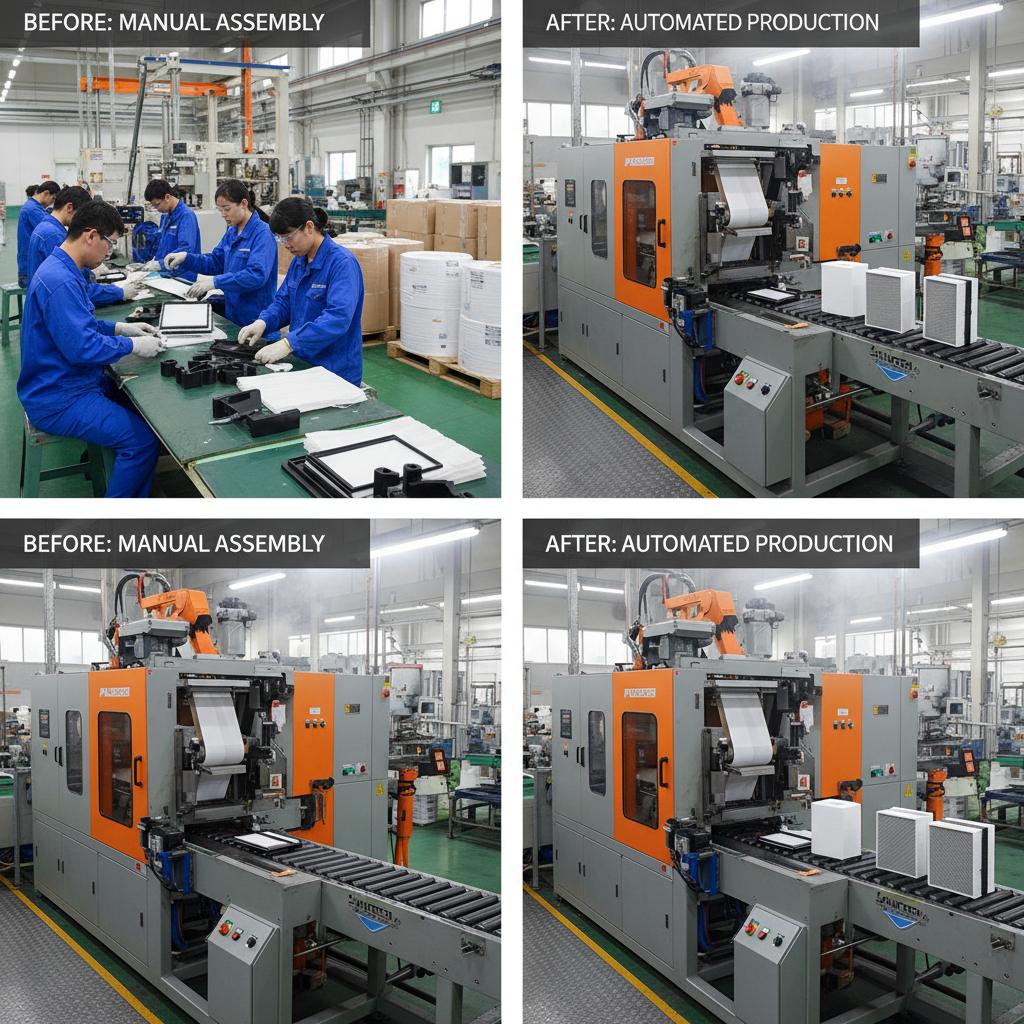
Cost efficiency is where these machines really shine. The initial investment is offset by the long-term savings from reduced filter purchases and waste disposal costs. The reduced downtime also contribute to significant economic benefits. Automation is a key element. Modern ecooil filter producing machines incorporate automated processes for oil purification, filter media impregnation, and quality control, minimizing labor requirements and improving consistency.
Finally, ease of maintenance is essential. Complicated machines require specialized technicians and can be prone to breakdowns. A user-friendly design with readily available spare parts simplifies maintenance and minimizes downtime. Remote monitoring and diagnostics capabilities are also becoming increasingly common, allowing for proactive maintenance and preventing unexpected failures.
Global Applications Across Industries
The applications for ecooil filter producing machines are incredibly diverse. In the mining industry, for example, these machines are used to filter oil for heavy machinery operating in remote and challenging locations. In the marine sector, they provide a reliable source of filters for ship engines and hydraulic systems, reducing reliance on port calls for supply. Manufacturing plants benefit from reduced downtime and lower filtration costs.
I’ve seen them deployed in post-disaster relief operations, providing essential oil filtration capabilities for emergency generators and vehicles. They’re also gaining traction in remote industrial zones where access to traditional supplies is limited. In the power generation sector, they’re used to filter oil for turbines and transformers, ensuring reliable energy production.
Geographically, we’re seeing strong demand in regions with limited infrastructure and challenging logistics, such as parts of Africa and South America. However, even in developed countries, companies are recognizing the economic and environmental benefits of on-site filter production.
ecooil Filter Producing Machine Efficiency Comparison
Advantages and Long-Term Value Proposition
The tangible benefits are clear: reduced filter costs, lower waste disposal fees, and minimized downtime. But the value extends beyond the bottom line. Sustainability is a major driver. By reducing reliance on disposable filters and promoting oil recycling, these machines contribute to a more circular economy and minimize environmental impact.
From a safety perspective, having on-site filter production capabilities ensures a consistent supply of high-quality filters, reducing the risk of equipment failure and potential accidents. The peace of mind that comes with knowing you’re in control of your oil filtration process is invaluable. The increased reliability of machinery and the reduced risk of breakdowns translates to a more productive and safer working environment.
Future Trends and Technological Advancements
We’re seeing a growing trend towards integration with Industry 4.0 technologies. Remote monitoring, predictive maintenance, and data analytics are becoming increasingly common features. The ability to track filter performance, predict maintenance needs, and optimize oil usage will be crucial in maximizing the value of these machines.
The development of new filter media materials – biodegradable or bio-based options – is also on the horizon. This will further enhance the sustainability of the process and reduce the environmental footprint. Automation and robotics will continue to play a bigger role, streamlining the production process and minimizing labor costs.
Challenges and Innovative Solutions
One of the biggest challenges is ensuring consistent oil purification quality. The efficiency of the purification process can vary depending on the type of oil and the level of contamination. Implementing advanced filtration technologies and rigorous quality control procedures is essential. Another challenge is the initial investment cost. While the long-term savings are significant, the upfront cost can be a barrier for some businesses.
Innovative financing models, such as leasing or pay-per-use, can help overcome this hurdle. The development of smaller, more affordable machines is also underway, making the technology accessible to a wider range of users. The increasing focus on training and support will also be key to ensuring successful implementation and maximizing the value of these machines.
Furthermore, integrating these machines with existing maintenance management systems will allow for seamless data exchange and optimized workflow. Addressing these challenges proactively will unlock the full potential of ecooil filter producing machine and drive widespread adoption.
Summary of Key Challenges and Solutions Related to ecooil Filter Producing Machine Operation
| Challenge |
Impact on Operation |
Proposed Solution |
Implementation Complexity (1-10) |
| Oil Quality Variation |
Inconsistent Filter Performance |
Advanced Oil Analysis & Adaptive Filtration |
7 |
| High Initial Investment |
Barriers to Entry for Small Businesses |
Leasing Options & Pay-Per-Use Models |
5 |
| Maintenance Complexity |
Increased Downtime & Repair Costs |
Remote Diagnostics & Simplified Design |
6 |
| Filter Media Availability |
Supply Chain Disruptions |
Diversified Sourcing & On-Site Storage |
4 |
| Operator Training |
Incorrect Operation & Reduced Efficiency |
Comprehensive Training Programs & User-Friendly Interface |
3 |
| Integration with Existing Systems |
Data Silos & Inefficient Workflow |
API Integration & Data Synchronization |
8 |
FAQS
Most ecooil filter producing machines are designed to handle a wide range of mineral oils, synthetic oils, and even some bio-based oils. However, it’s crucial to check the machine’s specifications to ensure compatibility with the specific type of oil being used. Compatibility issues can arise from additives or the oil’s viscosity. The goal is to efficiently purify the oil back to a usable condition, extending its lifespan and reducing waste.
The payback period varies depending on several factors, including the volume of oil used, the cost of filter purchases, and waste disposal fees. However, most companies experience a payback period of between 12 and 24 months. The long-term savings from reduced costs and increased operational efficiency make it a worthwhile investment for businesses focused on sustainability and cost control.
Modern ecooil filter producing machines are designed for minimal maintenance. Regular filter changes for the purification system are the primary maintenance task. Some models also require periodic oil level checks and lubrication of moving parts. With proper maintenance, these machines can operate reliably for years with minimal downtime.
Many ecooil filter producing machines are designed with versatility in mind, allowing them to produce a range of filter types and sizes. However, the specific capabilities depend on the machine’s configuration. It's important to choose a machine that can accommodate the filter requirements of your equipment.
The environmental benefits are significant. By recycling used oil and reducing the demand for new filters, these machines minimize waste and reduce the carbon footprint associated with manufacturing and disposal. It supports a circular economy and promotes responsible resource management.
Yes, proper operator training is essential. Understanding the machine’s operation, maintenance procedures, and safety protocols ensures efficient operation and minimizes the risk of accidents or damage. Most manufacturers offer comprehensive training programs to equip operators with the necessary skills.
Conclusion
The ecooil filter producing machine isn’t just a piece of equipment; it’s a paradigm shift in oil filtration. It addresses critical challenges related to cost, sustainability, and reliability, offering a compelling solution for industries across the globe. By embracing this technology, companies can take control of their oil management processes, reduce their environmental impact, and improve their bottom line.
Looking ahead, the integration of advanced technologies like AI and remote monitoring will further enhance the capabilities of these machines. Investing in an ecooil filter producing machine is not simply buying a product; it’s investing in a more sustainable, efficient, and resilient future. Visit our website at www.mfiltersolution.com to learn more about how we can help you optimize your oil filtration process.