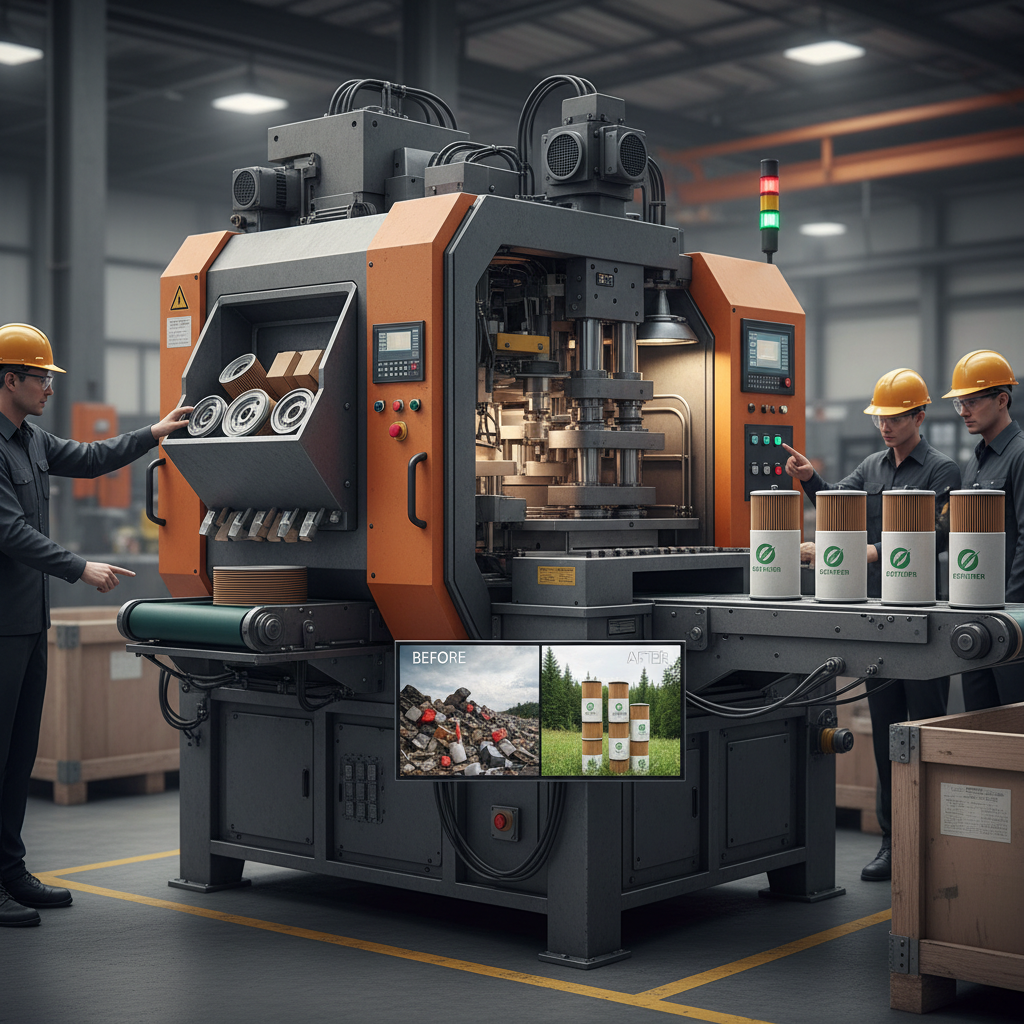
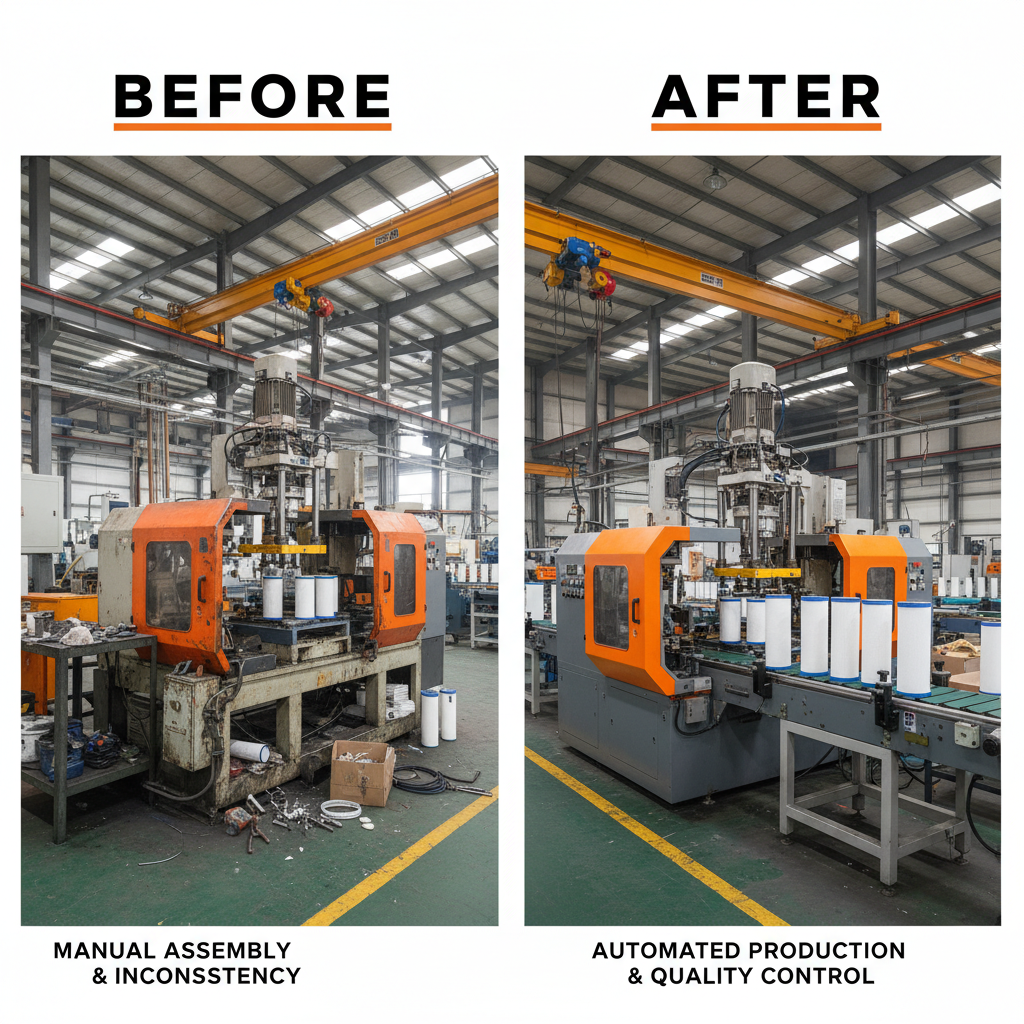
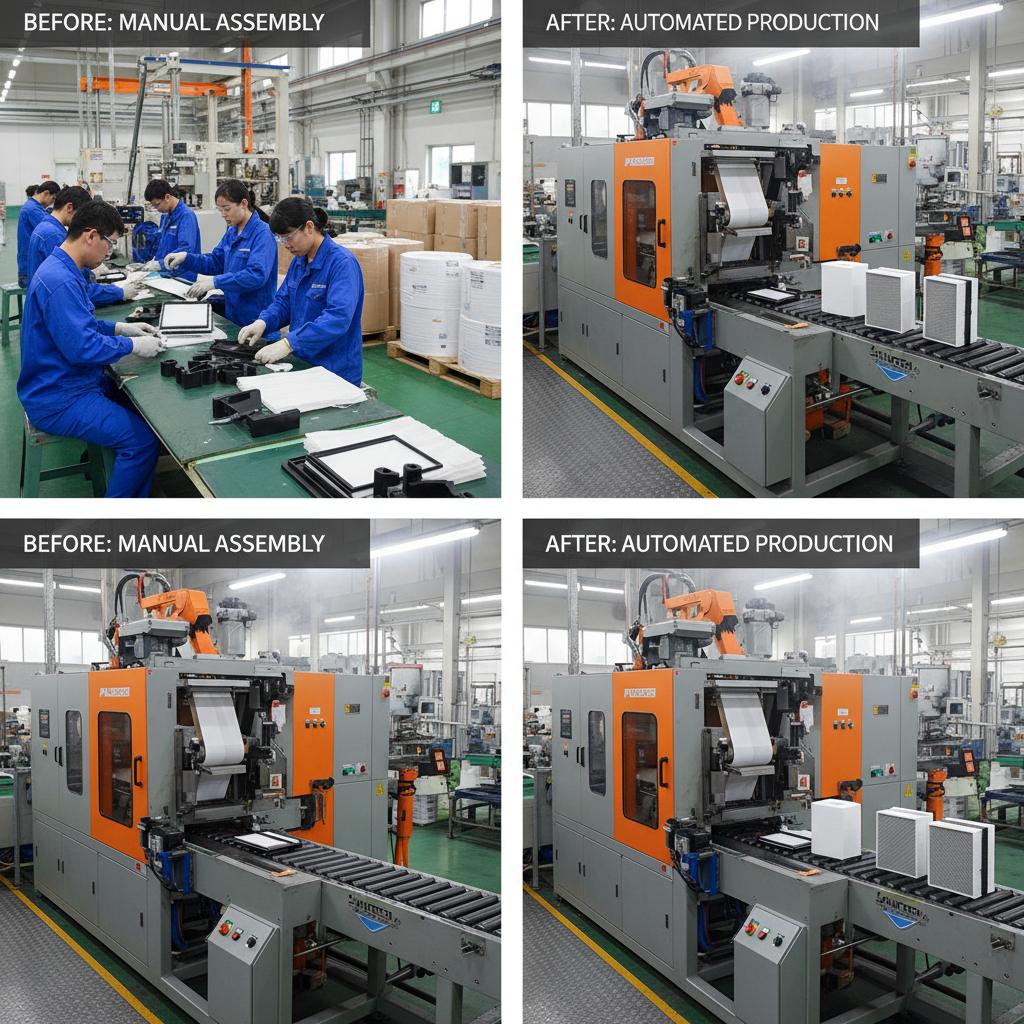
Let’s talk about keeping things running smoothly, and that means oil filtration. I’ve spent years on sites watching equipment go down because of dirty oil – hydraulic systems seizing, engines losing power, the whole nine yards. It’s not just a matter of lost productivity, it’s about safety, and the cost of downtime is brutal. What I’ve seen lately is a real push for better, more sustainable filtration solutions, and that’s where the eco oil filter making machine comes in. It’s not a magic bullet, but it addresses a critical need we all face: keeping our machines operating efficiently while minimizing environmental impact.
The old way of doing things – constantly replacing filters, generating mountains of waste – is simply unsustainable. Not just from an environmental standpoint, but financially too. I’ve seen companies dumping huge amounts of money into disposable filters, when a smarter approach could save them a bundle. The eco oil filter making machine offers a route to reducing waste, controlling costs, and ultimately, improving operational resilience. We’re talking about long-term savings and a smaller carbon footprint, which is a win-win for everyone involved.
Honestly, I was skeptical at first. I’ve seen too many ‘eco-friendly’ solutions that just don’t hold up in the real world. But what I’ve found with this technology is a legitimate alternative that’s actually practical for demanding construction environments. It requires a bit of a shift in thinking, but the potential benefits are significant. It’s about looking beyond the upfront cost and considering the total cost of ownership, and that’s where these machines really start to shine.
Understanding the Core of Eco Oil Filter Making Machine
Essentially, an eco oil filter making machine is designed to produce filters using environmentally responsible materials and processes. This goes beyond just using recycled content; it’s about reducing waste throughout the entire manufacturing cycle. We're talking about minimizing energy consumption, lowering emissions, and creating a product that’s far less impactful on the environment. From my perspective, it’s a response to a growing demand for sustainable practices within our industry.
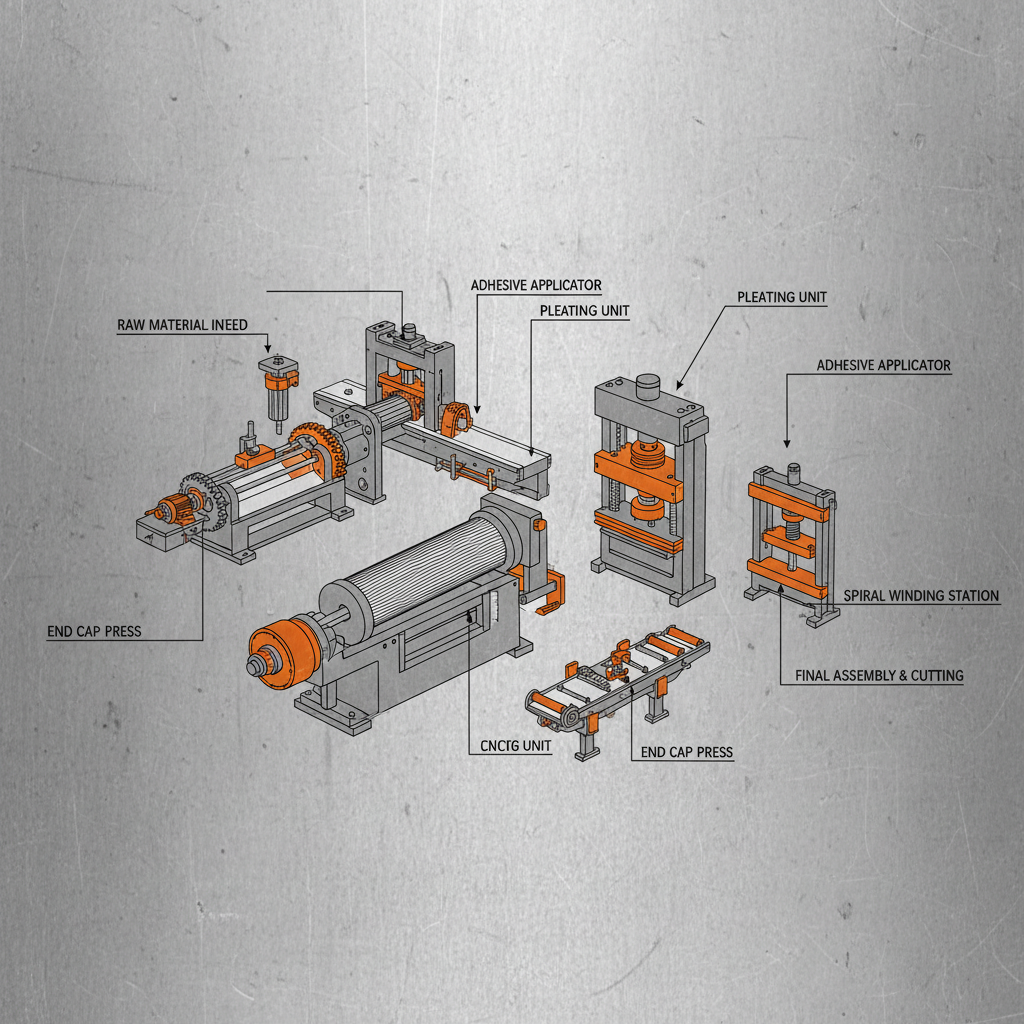
The key difference is a move away from disposable filters towards reusable or biodegradable options. The machines themselves often incorporate automation and precision engineering to ensure consistent quality and efficiency. I’ve seen models that can produce a wide range of filter types, catering to different equipment and oil viscosities. It’s about tailoring the filtration solution to the specific needs of the jobsite.
The Global Relevance of Sustainable Oil Filtration
The demand for sustainable practices is no longer a niche market; it's a global imperative. Organizations like the UN and the World Bank are actively promoting circular economy models and reducing waste generation. In the construction industry, this translates to a need for more responsible material sourcing and waste management. The sheer volume of oil filters discarded annually is staggering – we’re talking about tons of non-biodegradable waste ending up in landfills.
ISO standards are also driving the adoption of sustainable practices. Companies are increasingly being evaluated on their environmental performance, and that includes their waste management practices. Using an eco oil filter making machine can help companies meet these standards and improve their overall sustainability rating. It’s about staying competitive in a market that’s increasingly focused on environmental responsibility.
The problem we’re facing is escalating. The rise of mega-projects and infrastructure development in emerging economies is creating even more waste. We need solutions that can address this challenge at scale, and that's where localized production with these machines become incredibly valuable. It’s not just about doing the right thing; it’s about building a more resilient and sustainable future for our industry.
Defining the Eco Oil Filter Making Machine
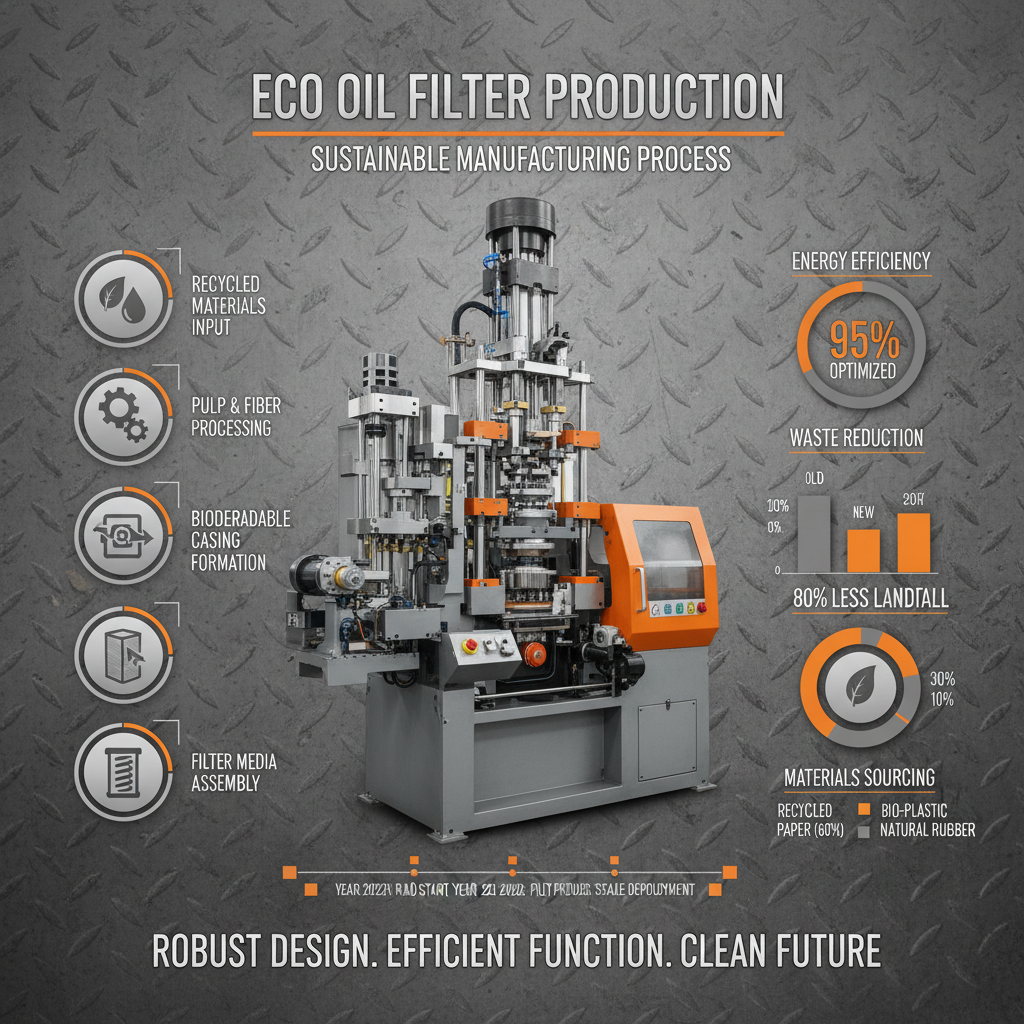
At its core, an eco oil filter making machine is a manufacturing system designed to produce oil filters using sustainable materials and methods. It moves away from the traditional, energy-intensive process of creating disposable filters and towards a more circular economy model. This can involve utilizing materials like recycled paper pulp, plant-based fibers, or biodegradable polymers in the filter media.
The connection to modern industry and humanitarian needs is significant. Modern industry demands increased efficiency, cost reduction, and adherence to stringent environmental regulations. The eco oil filter making machine directly addresses these needs by lowering operational costs, reducing waste, and improving environmental compliance.
In humanitarian contexts, these machines can be deployed in remote areas or disaster zones to provide a reliable source of oil filters for essential equipment, like generators and water pumps. This is particularly crucial in situations where supply chains are disrupted or access to conventional filters is limited. It’s about empowering local communities and ensuring the continued operation of vital infrastructure.
Key Factors Influencing Eco Oil Filter Machine Performance
Let's talk about what really makes these machines tick. First, Material Compatibility is key – the machine needs to handle a range of eco-friendly materials effectively, without compromising filter quality. You need to make sure the machine can consistently produce filters that meet the required specifications for different types of oil and equipment.
Secondly, Production Capacity matters. Can the machine keep up with demand? It’s no good having a sustainable solution if it can’t deliver filters quickly enough when you need them. The throughput needs to be efficient and reliable.
Eco Oil Filter Making Machine Performance Metrics
Real-World Applications and Use Cases
I've seen these machines deployed in remote mining operations where logistics are a nightmare. The ability to produce filters on-site eliminates the need to haul them in, saving time and money. It’s a game-changer for keeping critical equipment operational in challenging environments.
In post-disaster relief operations, the eco oil filter making machine can be invaluable. It allows relief organizations to quickly establish a local supply of filters for generators, vehicles, and other essential equipment, without relying on external supply chains. That’s a huge advantage when roads are blocked or infrastructure is damaged.
The Advantages and Long-Term Value Proposition
The tangible benefits are clear: reduced filter costs, lower waste disposal fees, and a smaller environmental footprint. But there's also a strategic advantage. Companies that embrace sustainable practices are often seen as more responsible and innovative, which can enhance their brand reputation and attract customers. It's about demonstrating a commitment to environmental stewardship.
Beyond the financial and environmental benefits, there’s a real sense of satisfaction in knowing you’re doing something positive for the planet. It's about building a more sustainable future for our industry, and that's something we can all be proud of. It’s about leaving a positive legacy.
And let’s not forget reliability. A local supply of filters means less vulnerability to supply chain disruptions, which is critical for maintaining operational continuity. It gives you more control over your supply chain and reduces your dependence on external factors.
Future Trends and Innovation in Oil Filtration
We're seeing a lot of innovation in filter materials, with a focus on developing even more sustainable and biodegradable options. There’s also a growing trend towards smart filters that can monitor their own condition and predict when they need to be replaced. This is where digital transformation comes into play.
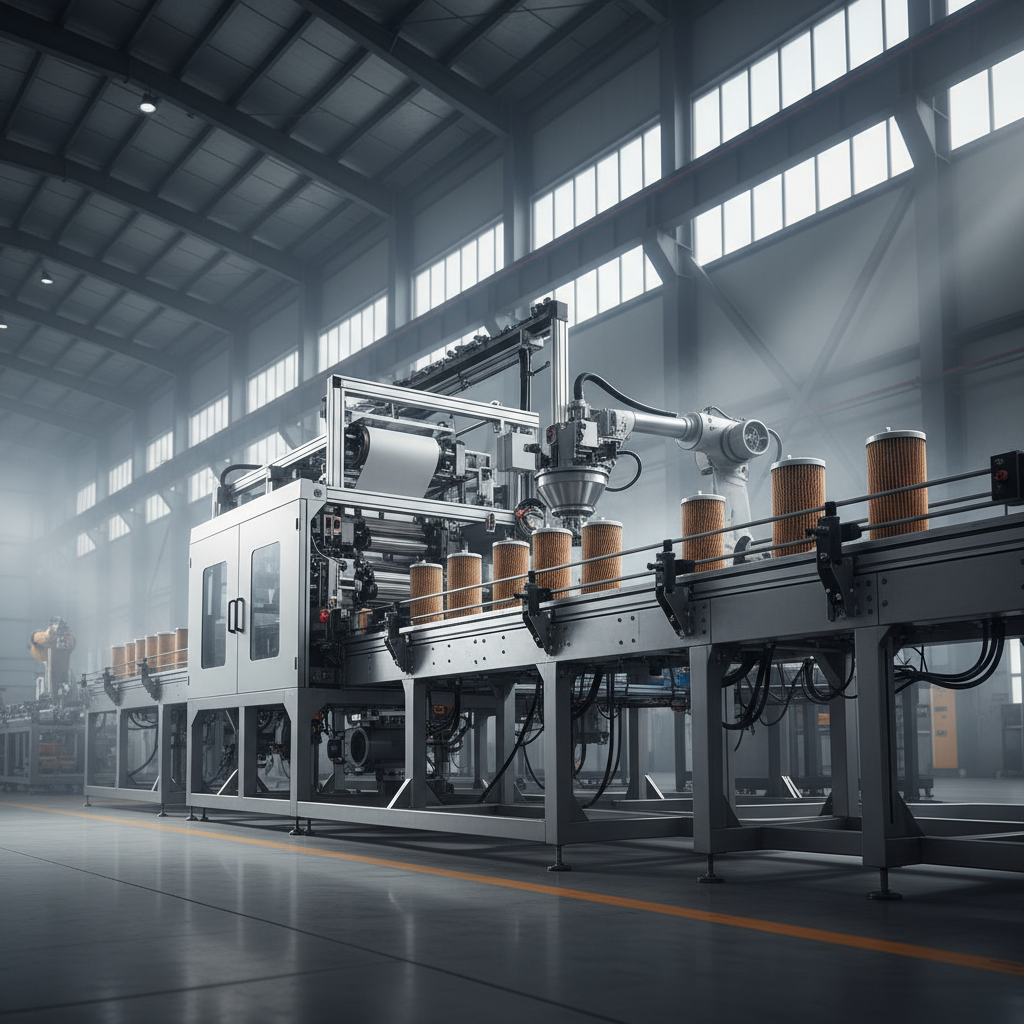
Automation is another key trend. More advanced eco oil filter making machine are incorporating robotics and AI to optimize production processes and reduce human error. This leads to higher quality filters and lower production costs.
I also expect to see increased integration of these machines with renewable energy sources. Imagine powering the entire filtration process with solar or wind energy – that would be a truly sustainable solution. The future of oil filtration is all about reducing our environmental impact and maximizing efficiency.
Summarizing Core Aspects of Eco Oil Filter Making Machine Challenges and Solutions
| Challenge |
Impact on Eco Oil Filter Making Machine |
Proposed Solution |
Implementation Strategy |
| Material Sourcing |
Ensuring consistent access to sustainable raw materials. |
Establishing long-term partnerships with verified suppliers. |
Conducting regular audits and implementing traceability systems. |
| Production Costs |
Initial investment can be higher compared to traditional methods. |
Optimizing production processes and leveraging economies of scale. |
Implementing lean manufacturing principles and exploring government incentives. |
| Filter Performance |
Ensuring filters meet or exceed industry standards. |
Rigorous testing and quality control procedures. |
Utilizing advanced filtration technologies and materials. |
| Machine Maintenance |
Requires skilled technicians for regular upkeep. |
Providing comprehensive training programs for operators and maintenance staff. |
Establishing preventative maintenance schedules and remote monitoring capabilities. |
| Waste Management |
Dealing with any residual waste generated during production. |
Implementing closed-loop systems for material recycling and reuse. |
Partnering with waste management companies specializing in sustainable practices. |
| Market Adoption |
Overcoming resistance to change and promoting the benefits of eco-friendly filters. |
Educating customers and demonstrating the long-term value proposition. |
Offering incentives and building strategic partnerships. |
FAQS
The lifespan varies depending on the oil type, operating conditions, and filter media used, but generally, filters produced with these machines are designed to match or exceed the lifespan of traditional filters. Many utilize advanced materials that offer superior filtration and durability, leading to extended service intervals. Regular oil analysis is always recommended to optimize filter replacement schedules and ensure optimal performance.
Typically, operators require a moderate level of training, focusing on machine operation, safety procedures, and basic maintenance. Most manufacturers provide comprehensive training programs, both on-site and remotely. Ongoing training is crucial to ensure operators are up-to-date on best practices and can troubleshoot any issues that may arise. The machine’s interface is often designed to be user-friendly, minimizing the learning curve.
The initial investment in the machine is higher than simply purchasing pre-made filters. However, the long-term cost savings can be significant, particularly for organizations that consume large volumes of filters. Reduced waste disposal costs, lower material costs, and increased control over the supply chain all contribute to a lower total cost of ownership over the machine's lifespan. A detailed cost-benefit analysis is recommended to determine the potential return on investment.
The machine can typically produce filters compatible with a wide range of oils, including mineral oils, synthetic oils, and bio-based oils. The specific filter media used can be tailored to the oil type and viscosity to ensure optimal filtration performance. It's important to consult the machine's documentation and the filter media specifications to confirm compatibility before use.
Many eco oil filter making machine manufacturers adhere to ISO 14001 environmental management standards, and the filters they produce may be certified as biodegradable or recyclable. It’s essential to verify the specific certifications for each product to ensure they meet your environmental requirements. These certifications demonstrate a commitment to sustainable manufacturing practices.
Yes, most eco oil filter making machine are designed with adjustable settings and interchangeable components to accommodate a variety of filter sizes and specifications. This flexibility allows you to produce filters tailored to the specific needs of your equipment and applications. Some machines can even be programmed to automatically switch between different filter types.
Conclusion
The eco oil filter making machine represents a significant step forward in sustainable oil filtration. It addresses critical challenges related to waste management, cost control, and environmental responsibility, offering a viable alternative to traditional filter replacement methods. It's not just about reducing environmental impact; it’s about building a more resilient and efficient supply chain for our industry.
Looking ahead, continued innovation in materials science, automation, and digital integration will further enhance the performance and value of these machines. By embracing these technologies, we can create a future where oil filtration is not only effective but also environmentally sustainable. For those looking to reduce their environmental footprint and improve their bottom line, exploring the potential of eco oil filter making machine is a smart investment.