The global demand for efficient oil filtration is consistently high, driven by the ever-growing automotive industry and the need for extended engine life. The spin-on oil filter machine plays a critical role in meeting this demand, enabling manufacturers to produce high-quality filters quickly and cost-effectively. This is especially crucial in developing nations where access to reliable transportation is paramount, and in regions prioritizing environmental sustainability through reduced oil waste.
The development and adoption of advanced spin-on oil filter machine technology are intrinsically linked to the evolution of internal combustion engines. As engines become more sophisticated, requiring increasingly precise oil filtration, the demand for advanced manufacturing solutions grows. Furthermore, the increasing stringency of emissions regulations globally pushes manufacturers to optimize filter performance, creating a continuous need for innovation in production machinery.
Investing in a robust spin-on oil filter machine isn't just about increasing production volume; it's about guaranteeing quality, reducing waste, and staying ahead of the competitive curve in a dynamic market. Understanding the capabilities of these machines is therefore essential for automotive component manufacturers, oil filter producers, and related industries alike.
The Global Significance of Spin-on Oil Filter Machines
The spin-on oil filter machine industry is integral to the smooth operation of global transportation and industrial sectors. According to Statista, the global automotive filter market was valued at approximately $11.3 billion in 2023 and is projected to reach $14.7 billion by 2028. This growth is primarily driven by the increasing vehicle parc globally, particularly in emerging economies. The efficient production of oil filters is, therefore, a crucial component of maintaining this infrastructure.
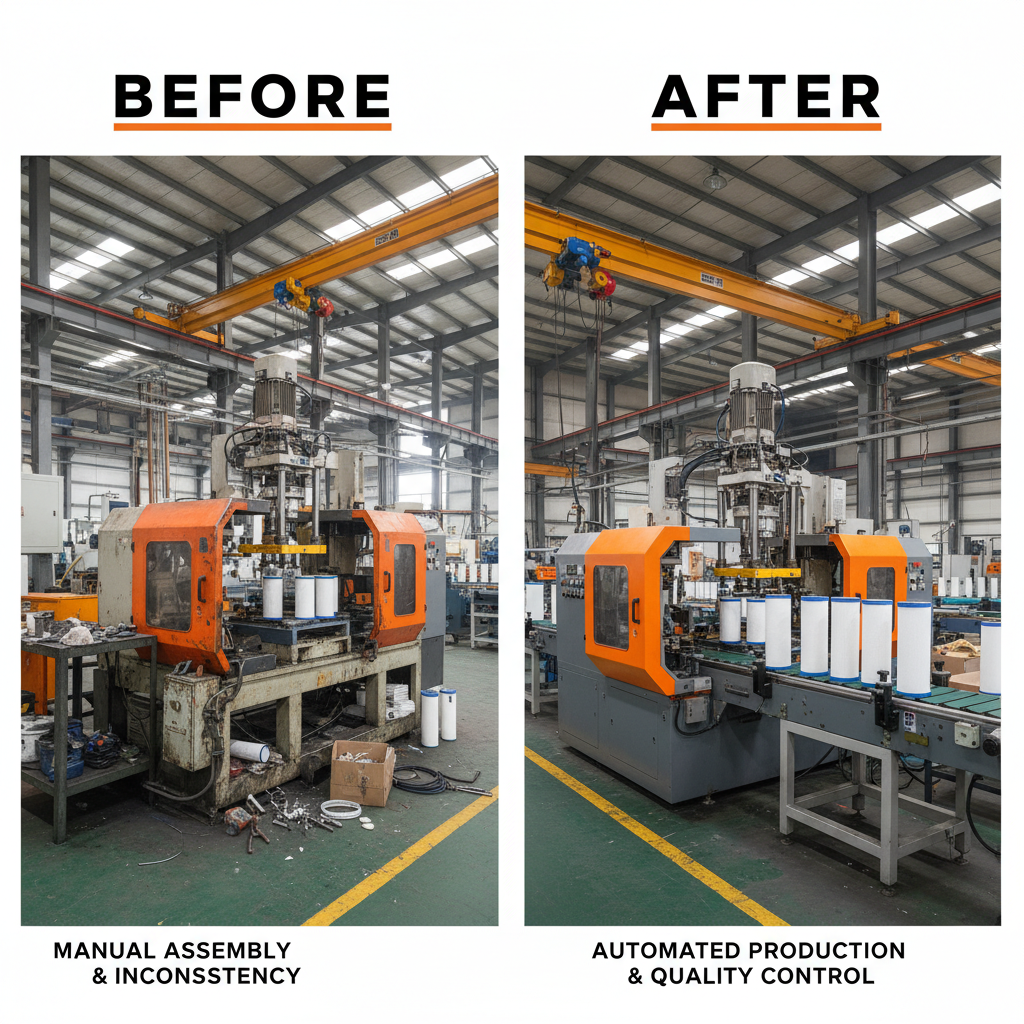
The challenge lies in meeting this increasing demand while simultaneously improving filter quality and reducing manufacturing costs. Traditional methods are often labor-intensive and prone to inconsistencies. A modern spin-on oil filter machine addresses this challenge by providing automated, high-precision production capabilities, ensuring a consistent supply of high-quality filters.
Defining Spin-on Oil Filter Machine Technology
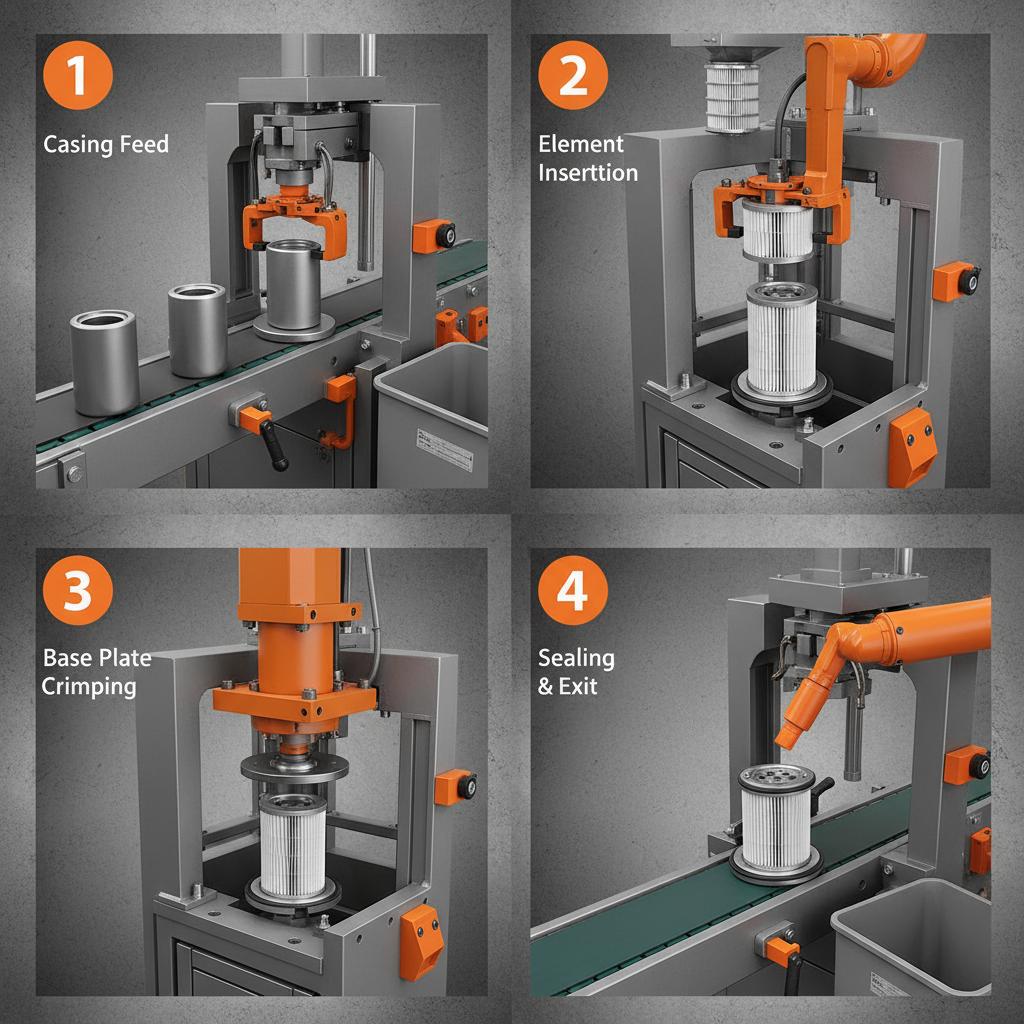
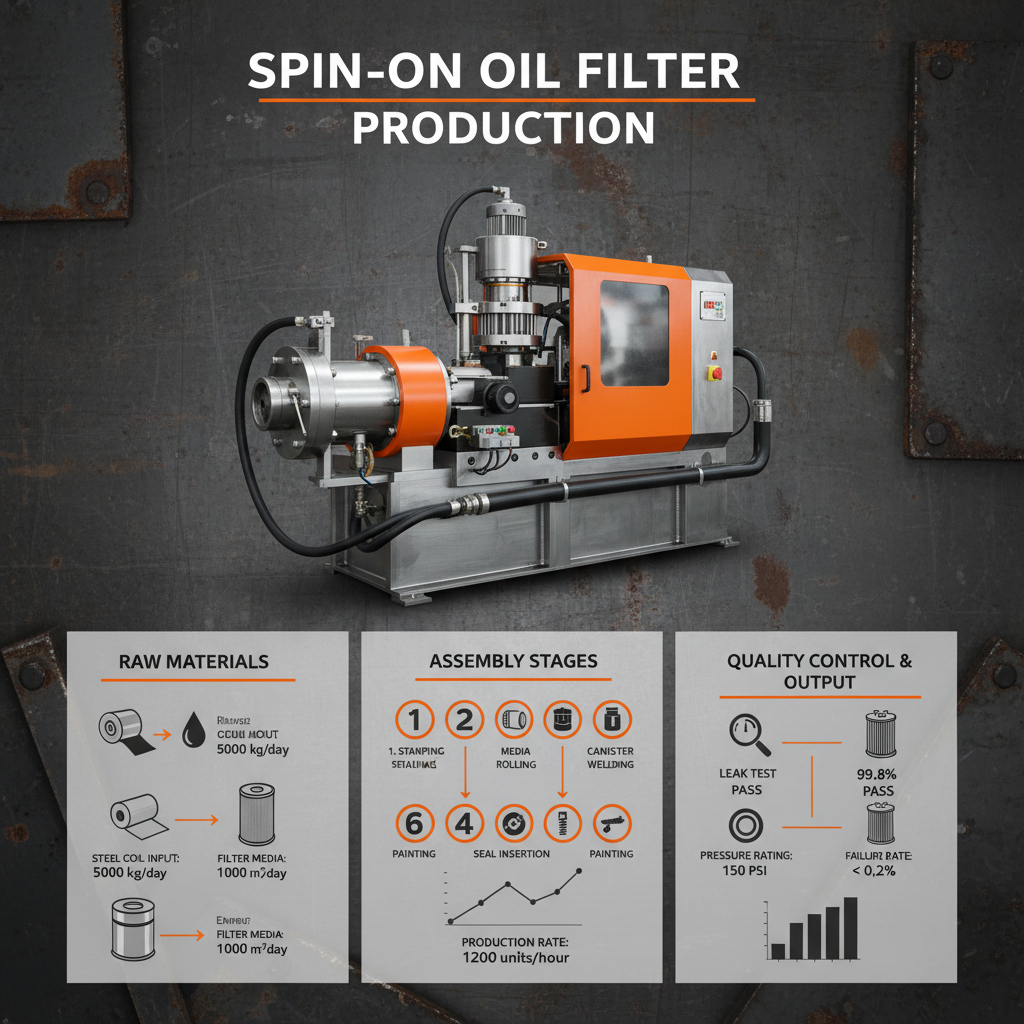
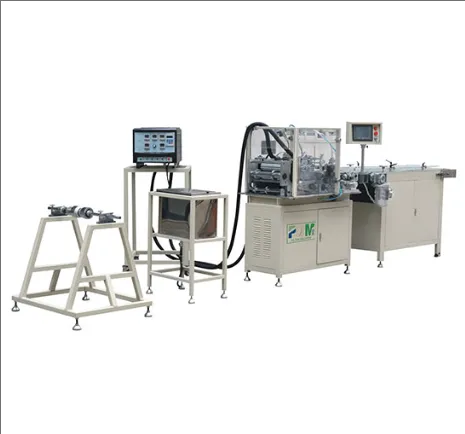
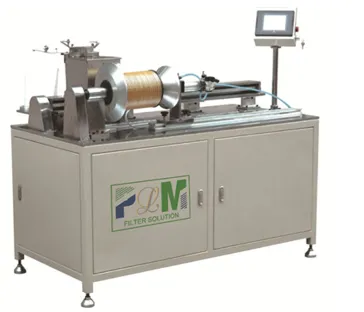
A spin-on oil filter machine is a specialized piece of equipment designed for the automated production of spin-on oil filters, a critical component in internal combustion engines. These machines typically handle the entire manufacturing process, from material feeding and filter element assembly to sealing, testing, and final product discharge. They are designed to handle a variety of filter sizes and configurations.
The core function of these machines is to ensure the precise and reliable construction of the filter. This includes accurate pleating of the filter media, secure bonding of the end caps, and leak-proof sealing. Modern machines often incorporate advanced control systems and sensors to monitor and adjust the manufacturing process in real-time, guaranteeing consistent quality.
The connection to modern industry stems from the ever-increasing demand for high-performance engines and the need to protect them from harmful contaminants. Without efficient oil filtration, engine wear and tear dramatically increases, leading to reduced performance and eventual failure. The spin-on oil filter machine is, therefore, a vital link in the automotive supply chain.
Key Components and Operational Factors
Several key components determine the efficiency and reliability of a spin-on oil filter machine. These include the pleating mechanism, which creates the precise folds in the filter media; the sealing system, ensuring a leak-proof bond; the assembly station, responsible for integrating all components; and the quality control system, verifying filter integrity.
Operational factors such as material handling, cycle time, and maintenance requirements also play a critical role. An efficient machine will have automated material feeding systems to minimize downtime, optimized cycle times to maximize output, and easy access for routine maintenance to ensure long-term reliability. Understanding these factors is crucial for maximizing return on investment.
Durability, scalability, and cost-efficiency are paramount. A durable machine will withstand continuous operation and minimize the need for costly repairs. Scalability ensures the machine can adapt to changing production demands, and cost-efficiency impacts the overall profitability of the filter manufacturing process.
Global Applications & Industry Integration of Spin-on Oil Filter Machines
Spin-on oil filter machines are utilized globally by automotive component manufacturers, aftermarket filter suppliers, and oil companies with in-house filter production facilities. Major automotive manufacturing hubs like China, Germany, Japan, and the United States are key adopters of advanced filter production technology.
In post-disaster relief operations, maintaining a reliable supply of vehicles is crucial. Locally produced oil filters, enabled by mobile or rapidly deployable spin-on oil filter machines, can significantly improve logistical capabilities. Similarly, in remote industrial zones, where access to imported filters may be limited, on-site filter production can ensure uninterrupted operation of heavy machinery.
The integration of these machines within broader manufacturing systems often involves automated material handling, robotic assembly, and real-time data monitoring. These integrations contribute to improved efficiency, reduced waste, and enhanced product quality.
Comparative Analysis of Spin-on Oil Filter Machine Methods
Advantages and Long-Term Value Proposition
Investing in a high-quality spin-on oil filter machine delivers tangible benefits. Reduced labor costs through automation, minimized material waste due to precise control, and increased production output are immediate gains. Furthermore, consistent product quality leads to fewer customer complaints and enhanced brand reputation.
The long-term value extends beyond cost savings. Environmentally, reduced waste contributes to sustainability goals. Socially, it supports economic growth by creating skilled manufacturing jobs. The reliability of these machines ensures uninterrupted production, minimizing downtime and maximizing profitability. The peace of mind knowing you’re producing a consistently high-quality product also holds significant value.
Future Trends in Spin-on Oil Filter Machine Development
The future of spin-on oil filter machine technology is intertwined with the broader trends of Industry 4.0. This includes the integration of artificial intelligence (AI) for predictive maintenance, machine learning for process optimization, and the Industrial Internet of Things (IIoT) for real-time data monitoring and remote control.
The development of new filter materials, such as synthetic nanofiber media, will necessitate machines capable of handling these advanced materials with precision. Moreover, the increasing focus on sustainability will drive the demand for machines that minimize energy consumption and reduce waste.
Digital twins, virtual representations of the physical machine, will become increasingly common for simulation, training, and remote diagnostics. These advancements will lead to even more efficient, reliable, and sustainable filter production processes.
Challenges and Innovative Solutions in Manufacturing
One significant challenge in spin-on oil filter machine manufacturing is maintaining consistent filter media quality. Variations in raw materials can lead to inconsistencies in filter performance. Innovative solutions include advanced sensor technologies for real-time material analysis and automated adjustments to the pleating process.
Another challenge is minimizing downtime for maintenance and repairs. Predictive maintenance, enabled by AI and IIoT, can identify potential issues before they cause disruptions. Remote diagnostics allow for faster troubleshooting and repair, reducing the impact of downtime.
Finally, adapting to changing filter designs and specifications requires flexible and adaptable machines. Modular machine designs, allowing for quick changeovers and upgrades, are becoming increasingly popular. These innovative solutions ensure that manufacturers can remain competitive in a dynamic market.
Summarizing Key Performance Indicators for Spin-on Oil Filter Machine Operation
| KPI Category |
Measurement Metric |
Target Value |
Impact on Production |
| Production Efficiency |
Filters Produced Per Hour |
800-1200 |
Directly impacts output and revenue |
| Quality Control |
Defect Rate (%) |
Less than 1% |
Reduces waste and improves customer satisfaction |
| Machine Uptime |
Percentage of Scheduled Operating Time |
95% or higher |
Maximizes production capacity |
| Material Waste |
Percentage of Material Scrap |
Less than 3% |
Reduces costs and environmental impact |
| Cycle Time |
Time per Filter (Seconds) |
45-60 |
Affects overall production throughput |
| Energy Consumption |
kWh per 1000 Filters |
10-15 |
Impacts operational costs and sustainability |
FAQS
The payback period for a new spin-on oil filter machine typically ranges from 18 to 36 months, depending on production volume, labor costs, and existing operational efficiencies. The automation and increased output significantly reduce per-unit costs, leading to rapid ROI. Factors like machine utilization and filter selling price also contribute to the calculation, but efficient machines consistently prove a worthwhile investment.
Most spin-on oil filter machines require a moderate level of operator training. Basic training covers machine operation, safety protocols, and routine maintenance procedures. More advanced training is needed for troubleshooting and complex repairs. Typically, a skilled technician with a mechanical background can become proficient within 2-3 weeks of dedicated training.
Modern spin-on oil filter machines are designed to handle a wide range of filter media, including paper, synthetic fibers, and composite materials. The pleating mechanism and sealing systems are adjustable to accommodate different material thicknesses and properties. However, it's crucial to verify compatibility with the machine manufacturer prior to processing new materials.
Regular preventative maintenance is crucial. This includes daily lubrication of moving parts, weekly inspections of seals and filters, and monthly checks of electrical connections. Scheduled servicing by a qualified technician is also recommended to ensure optimal performance and prevent unexpected breakdowns. Following the manufacturer’s maintenance schedule will extend the machine’s lifespan.
Integrating a spin-on oil filter machine into an existing automated line usually involves interfacing with programmable logic controllers (PLCs) and other automation systems. Standard communication protocols like Ethernet/IP or Profibus are commonly used. Collaborating with the machine manufacturer and your automation system integrator will ensure seamless integration and optimal performance.
Safety is paramount. Typical features include emergency stop buttons, light curtains, safety interlocks on access doors, and guarding around moving parts. Machines are designed to comply with relevant safety standards (e.g., ISO 13849-1). Proper operator training on safety procedures is also essential to prevent accidents.
Conclusion
In conclusion, the spin-on oil filter machine is an indispensable component of modern manufacturing, driving efficiency, quality, and sustainability within the automotive and industrial sectors. Understanding the core technologies, operational factors, and future trends is crucial for manufacturers seeking to optimize their production processes and maintain a competitive edge. Investing in advanced filter production machinery is not simply a cost; it's a strategic investment in long-term success.
Looking ahead, the integration of AI, IIoT, and advanced materials will continue to revolutionize spin-on oil filter machine technology. Manufacturers who embrace these innovations will be well-positioned to meet the evolving demands of the market and capitalize on new opportunities. Visit our website at www.mfiltersolution.com to learn more about our comprehensive range of filter production solutions.