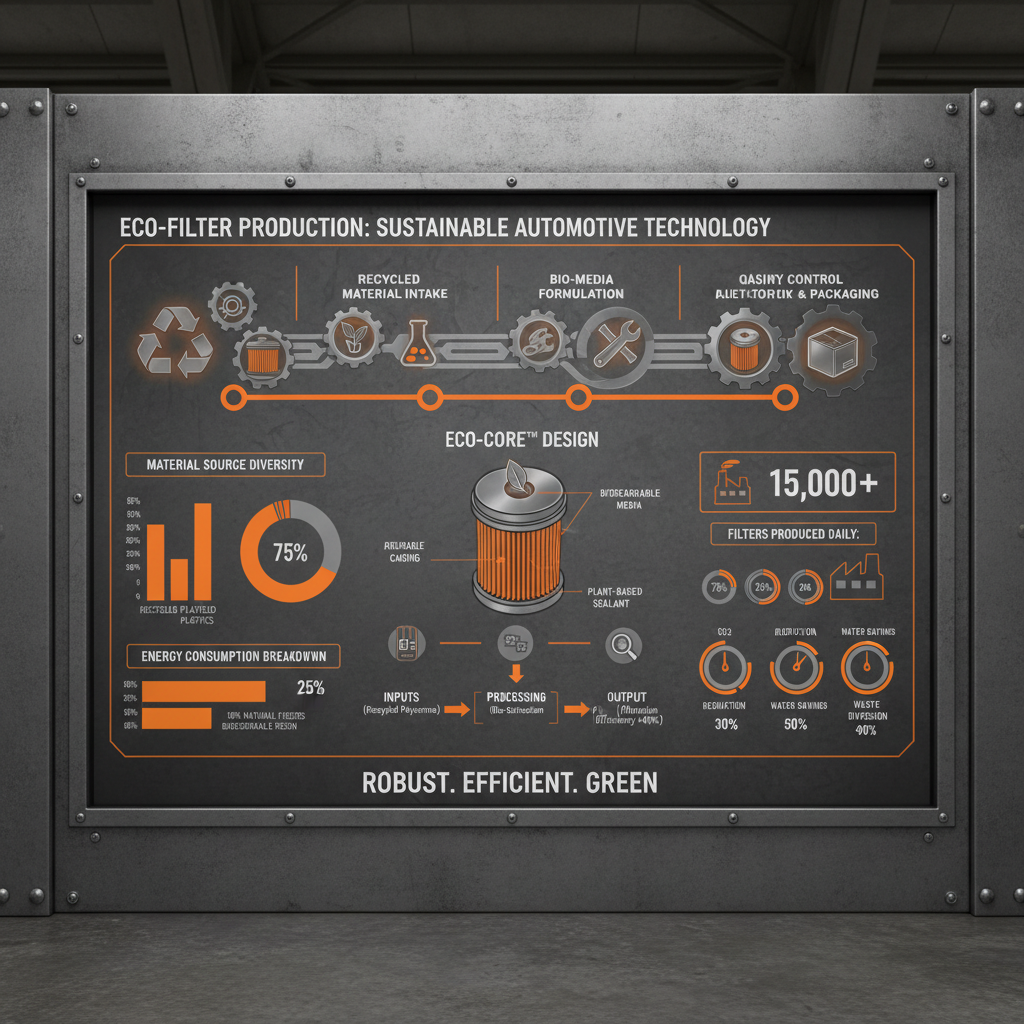
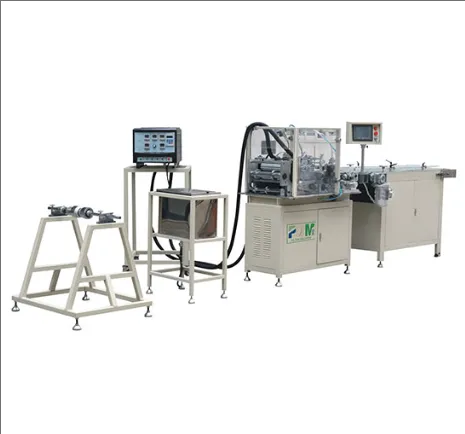
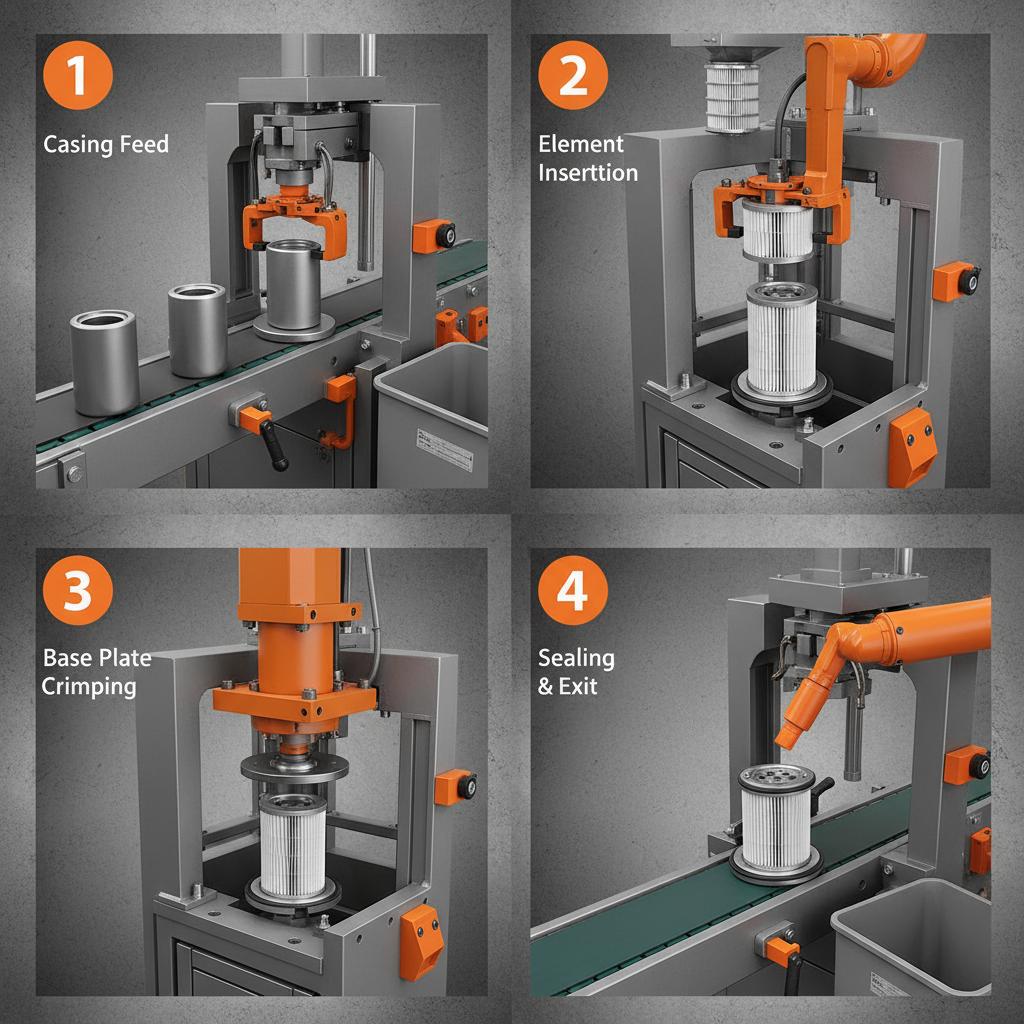
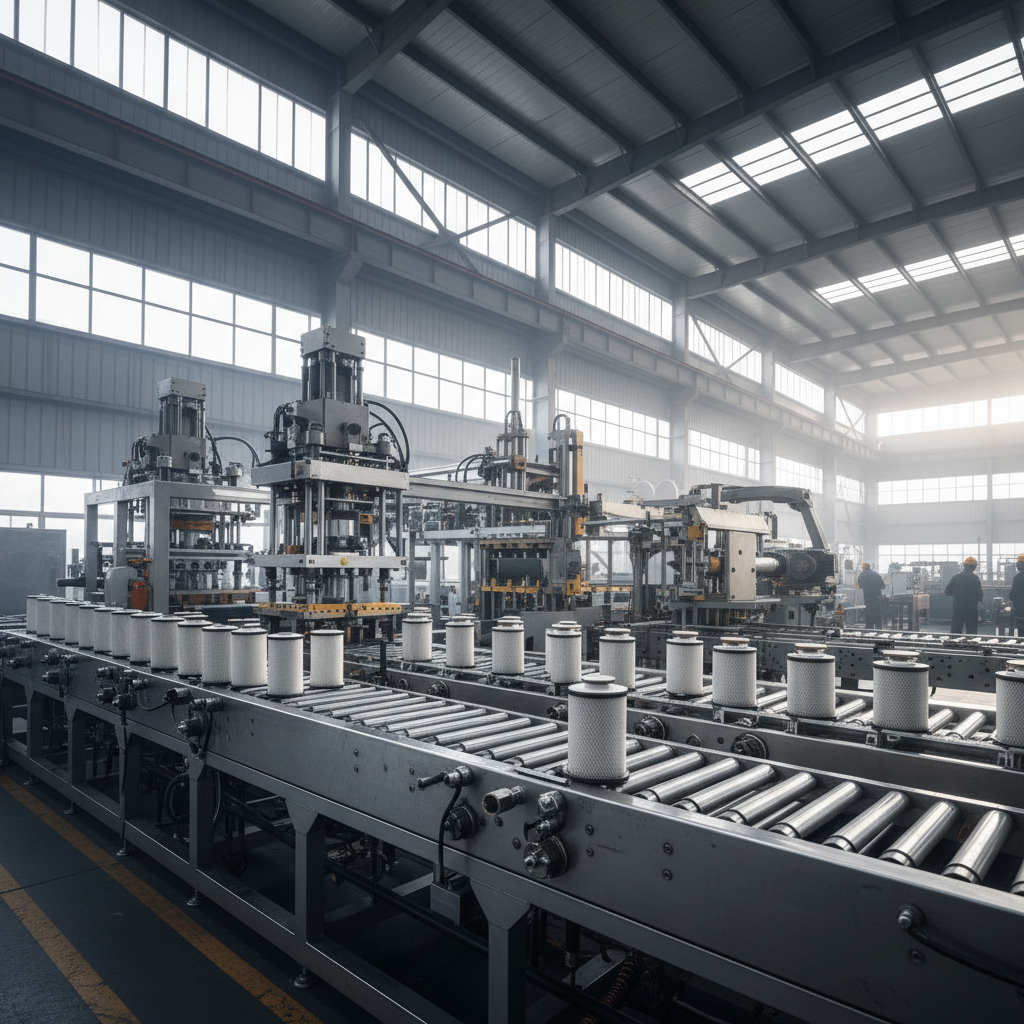
The realm of environmental sustainability is increasingly crucial in all industrial sectors, and the automotive industry is no exception. The production of eco oil filters represents a significant stride towards minimizing the environmental impact of vehicle maintenance. An eco oil filter production line focuses on utilizing sustainable materials, reducing waste, and employing energy-efficient manufacturing processes. This is not merely a trend but a necessary evolution, driven by stricter environmental regulations and growing consumer demand for responsible products.
Globally, the demand for eco-friendly products is skyrocketing, with a projected market value in sustainable automotive parts reaching billions in the next decade (Source: Global Sustainability Report, 2023). The push for reducing carbon footprints and promoting circular economy principles is directly fueling the need for innovation in oil filter manufacturing. Developing and implementing an efficient eco oil filter production line is becoming essential for businesses aiming to remain competitive and meet evolving environmental standards.
Ultimately, the advancement of eco oil filter technologies contributes to cleaner air, reduced landfill waste, and the conservation of valuable resources. Understanding the intricacies of an eco oil filter production line is therefore paramount for manufacturers, policymakers, and environmentally conscious consumers alike.
The Foundation of Eco Oil Filter Production Line
At its core, an eco oil filter production line represents a fundamental shift in manufacturing philosophy. It’s about moving beyond simply meeting performance standards to actively minimizing environmental impact at every stage – from raw material sourcing to end-of-life disposal. This commitment begins with selecting renewable and biodegradable materials for the filter media, and extends to optimizing production processes to reduce energy consumption and waste generation.
A successful eco oil filter production line isn’t just about the filter itself; it’s about a holistic approach to manufacturing. This includes responsible water management, reduced greenhouse gas emissions, and a dedication to ethical labor practices. It's a complete system designed to deliver superior filtration while preserving our planet’s resources.
Global Context and Industry Relevance
The global automotive industry is under increasing pressure to adopt sustainable practices. Regulations like the European Union’s Green Deal and similar initiatives worldwide are driving demand for eco-friendly components, including oil filters. The International Organization for Standardization (ISO) 14001 certification is becoming a prerequisite for many automotive suppliers, demonstrating a commitment to environmental management systems.
The economic incentives for adopting an eco oil filter production line are also significant. Consumers are increasingly willing to pay a premium for environmentally responsible products, and businesses that can demonstrate their commitment to sustainability gain a competitive advantage. This shift is especially pronounced in regions with strong environmental awareness, such as Europe and North America.
Furthermore, the growing awareness of resource scarcity and the need to reduce waste is pushing manufacturers to explore innovative materials and production techniques. The development of biodegradable filter media and closed-loop recycling systems for oil filters are key trends shaping the future of the industry.
Defining Eco Oil Filter Production Line
An eco oil filter production line can be defined as a manufacturing process dedicated to creating oil filters with a minimized environmental footprint. This encompasses a range of features, including the use of sustainable materials (like recycled paper pulp, plant-based fibers, or biodegradable polymers) instead of traditional synthetic materials. It also involves optimizing the production process to reduce energy consumption, water usage, and waste generation.
Crucially, an eco oil filter production line goes beyond simply the manufacturing stage. It considers the entire lifecycle of the filter, from raw material sourcing to end-of-life management. This includes designing for recyclability, offering take-back programs for used filters, and promoting responsible disposal practices. This holistic approach aligns with the principles of a circular economy.
The connection to modern industrial needs and humanitarian goals stems from the escalating environmental crisis and the growing demand for sustainable solutions. As industries strive to meet stringent environmental regulations and consumers increasingly prioritize eco-friendly products, an eco oil filter production line becomes a vital component of responsible manufacturing and a pathway towards a more sustainable future.
Key Factors in Eco Oil Filter Production
Several key factors underpin a successful and genuinely eco-friendly oil filter production line. Firstly, Material Sustainability is paramount, demanding the use of renewable, recycled, or biodegradable materials wherever possible. Secondly, Energy Efficiency is critical, focusing on minimizing energy consumption throughout the manufacturing process.
Thirdly, Waste Reduction plays a vital role – this involves optimizing processes to minimize waste generation and implementing robust recycling programs. Fourthly, Water Conservation is essential, especially in processes involving cleaning or cooling. Finally, Lifecycle Assessment (LCA) provides a framework for evaluating the environmental impact of the entire product lifecycle.
Eco Oil Filter Production Line Performance Metrics
Global Applications and Use Cases
Eco oil filters are finding increasing application across diverse sectors globally. In Europe, stringent environmental regulations are driving demand from automotive manufacturers seeking to comply with emission standards. North America witnesses growing adoption among environmentally conscious consumers and companies implementing sustainability initiatives.
In emerging economies, such as those in Southeast Asia, the focus is shifting towards cost-effective and sustainable solutions for vehicle maintenance, creating a growing market for eco-friendly filters. Furthermore, in post-disaster relief operations, the ease of disposal and reduced environmental impact of biodegradable filters make them a valuable asset.
Advantages and Long-Term Value
The advantages of utilizing an eco oil filter production line are multifaceted. Tangible benefits include reduced material costs due to the use of recycled or renewable resources, lower waste disposal fees, and potential tax incentives for environmentally responsible manufacturing. Beyond the financial gains, there's the immeasurable value of a reduced environmental impact, aligning with global sustainability goals.
The long-term value extends beyond mere cost savings. Investing in an eco oil filter production line fosters brand reputation, builds consumer trust, and demonstrates a commitment to ethical and responsible practices. This, in turn, can lead to increased customer loyalty and a strengthened position in the marketplace. The ability to attract and retain talent who value sustainability is another significant advantage.
Future Trends and Innovations
The future of eco oil filter production lies in several key trends. The development of fully biodegradable filter media using advanced biomaterials is a major area of innovation. Furthermore, the integration of digital technologies, such as AI-powered process optimization and predictive maintenance, will enhance efficiency and reduce waste.
The implementation of closed-loop recycling systems, where used filters are collected, processed, and repurposed into new filters, will become increasingly prevalent. Automation and robotics will also play a larger role in optimizing production processes and reducing labor costs. Finally, the convergence of green energy and manufacturing will drive the adoption of renewable energy sources to power eco oil filter production line facilities.
Summary of Challenges and Potential Solutions for Eco Oil Filter Production Line
| Challenge |
Impact on Eco Oil Filter Production Line |
Potential Solution |
Implementation Cost (1-10) |
| High Cost of Biodegradable Materials |
Increases production costs, potentially impacting competitiveness |
Research and development of more affordable biomaterials, government subsidies |
7 |
| Limited Recycling Infrastructure |
Hinders the closed-loop recycling process, reducing environmental benefits |
Investment in recycling facilities, public awareness campaigns |
8 |
| Maintaining Filtration Performance |
Ensuring biodegradable materials meet stringent filtration standards |
Advanced material science, rigorous testing and quality control |
6 |
| Scalability of Production |
Scaling up production to meet increasing demand can be challenging |
Strategic investment in automated production lines, supply chain optimization |
5 |
| Consumer Awareness & Acceptance |
Lack of consumer knowledge about eco-friendly filters |
Marketing campaigns, clear labeling, educating consumers |
4 |
| Regulatory Compliance |
Navigating evolving environmental regulations across different regions |
Dedicated regulatory affairs team, continuous monitoring of legislation |
6 |
FAQS
A typical eco oil filter production line prioritizes renewable and biodegradable materials. Common choices include recycled paper pulp, plant-based fibers such as cellulose or coconut coir, and biodegradable polymers derived from corn starch or sugarcane. These materials replace traditional synthetic materials, reducing the filter's environmental footprint. The goal is to minimize reliance on fossil fuels and promote a circular economy through responsible material sourcing and end-of-life management.
Energy reduction in an eco oil filter production line is achieved through several strategies. Optimizing manufacturing processes to minimize energy demand is crucial, alongside implementing energy-efficient machinery and lighting. Utilizing renewable energy sources like solar or wind power to power the production facility significantly reduces reliance on fossil fuels. Waste heat recovery systems can also recapture and reuse energy that would otherwise be lost, further enhancing energy efficiency.
Scaling an eco oil filter production line presents several challenges. Sourcing sufficient quantities of sustainable materials while maintaining consistent quality can be difficult. The initial investment in specialized equipment for processing biodegradable materials can be substantial. Maintaining cost competitiveness compared to traditional oil filters is also a key hurdle. Effective supply chain management and strategic partnerships with material suppliers are essential for successful scaling.
Modern eco oil filters are engineered to match or even exceed the filtration efficiency of conventional filters. Advanced material science allows for the development of biodegradable filter media with comparable pore sizes and filtration capabilities. Rigorous testing and quality control ensure that eco oil filters effectively remove contaminants and protect engine components. In some cases, the unique properties of biodegradable materials can even enhance filtration performance.
Lifecycle assessment (LCA) is a critical tool for evaluating the environmental impact of an eco oil filter throughout its entire lifecycle – from raw material extraction to end-of-life disposal. LCA helps identify hotspots where environmental burdens are highest, allowing manufacturers to focus on improvement efforts. It guides decisions regarding material selection, manufacturing processes, and end-of-life management strategies to minimize the overall environmental footprint.
Yes, numerous government incentives are available to encourage the adoption of sustainable manufacturing practices, including eco oil filter production lines. These incentives may include tax credits, grants, subsidies, and loan programs. Specific incentives vary depending on the region and country, but often focus on promoting renewable materials, reducing waste, and conserving energy. Manufacturers should research available programs in their respective locations to maximize financial benefits.
Conclusion
In conclusion, the transition to an eco oil filter production line represents a significant step towards a more sustainable automotive industry. By prioritizing renewable materials, energy efficiency, and responsible waste management, manufacturers can minimize their environmental impact and meet the growing demand for eco-friendly products. The advantages extend beyond environmental benefits, encompassing cost savings, enhanced brand reputation, and long-term resilience.
Looking ahead, continued innovation in biomaterials, automation, and recycling technologies will further optimize eco oil filter production processes. Embracing a circular economy model, where filters are designed for disassembly and reuse, will be crucial for maximizing resource efficiency. To learn more about implementing a cutting-edge eco oil filter production line, visit our website today: www.mfiltersolution.com