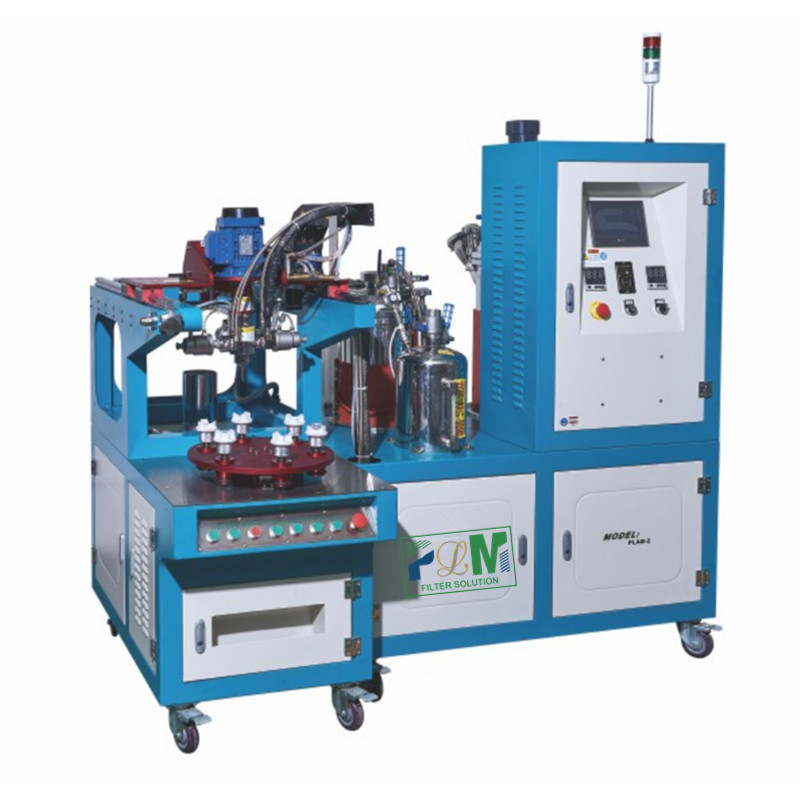
The global demand for efficient vehicle maintenance solutions drives significant interest in the spin-on oil filter production line. These lines are crucial for ensuring engine longevity and performance across a multitude of industries, from automotive to heavy machinery. Understanding the intricacies of these production processes is vital for manufacturers seeking to optimize output, reduce costs, and meet increasingly stringent quality standards.
The spin-on oil filter production line isn’t merely about assembling a product; it represents a complex interplay of material science, engineering precision, and automated manufacturing techniques. With the automotive industry’s continuous evolution—towards electric vehicles and advanced internal combustion engines—the demand for highly effective and specialized filtration systems remains strong, reinforcing the importance of robust and adaptable production lines.
Investing in knowledge about the spin-on oil filter production line allows businesses to navigate the challenges of a competitive market, anticipate future trends, and ultimately deliver superior products to end-users. This understanding extends beyond simple production; it encompasses supply chain management, quality control, and the integration of sustainable practices.
Introduction to Spin-on Oil Filter Production Lines
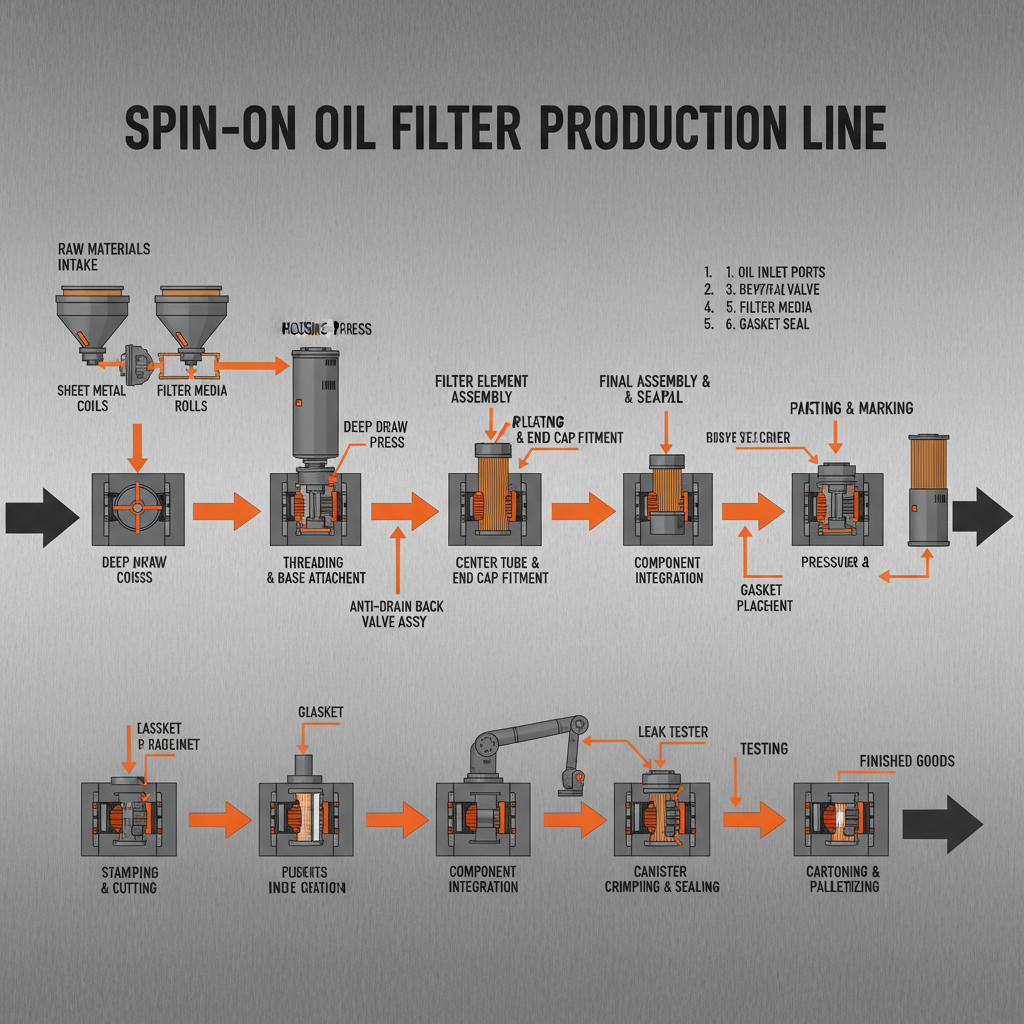
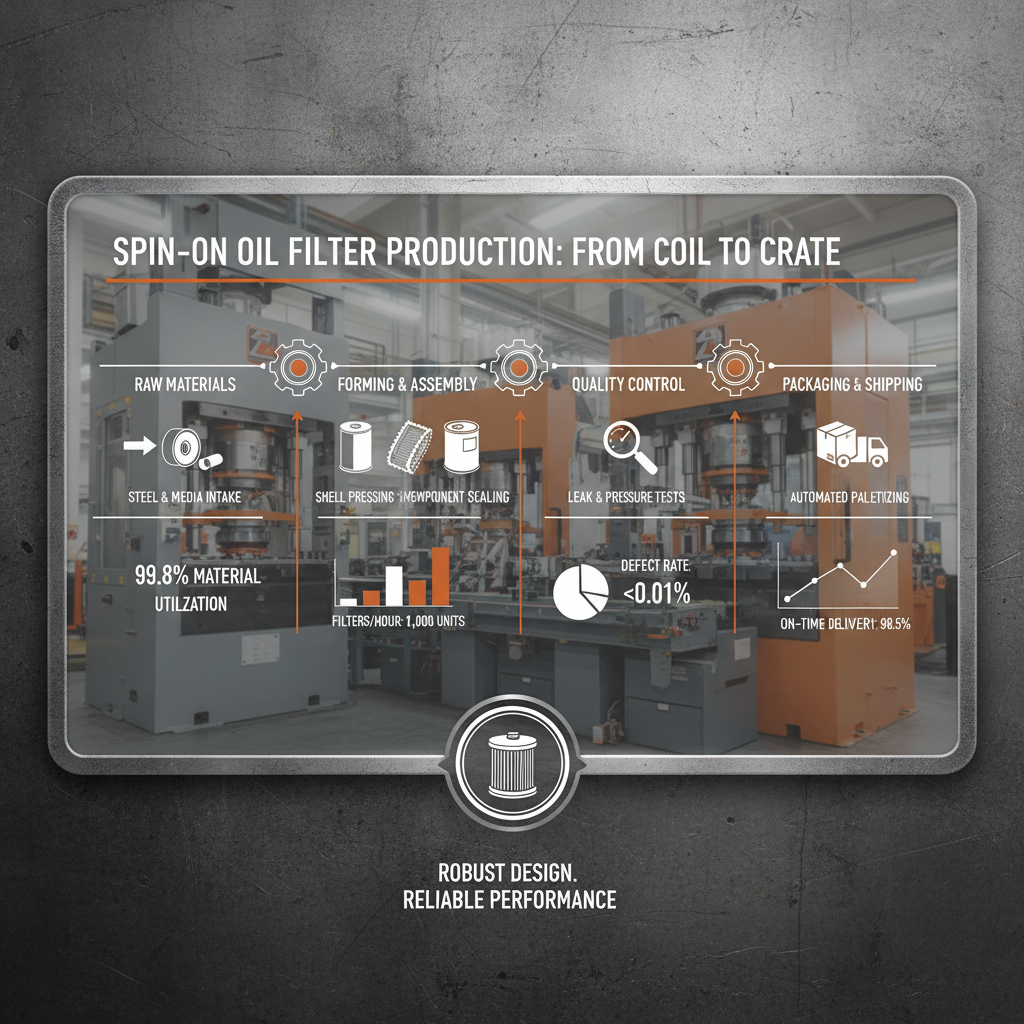
A modern spin-on oil filter production line is a sophisticated automated system designed for the high-volume manufacturing of these critical engine components. It integrates multiple stages, including sheet metal forming, filter media processing, assembly, welding, and rigorous quality control checks. The efficiency and reliability of this line directly impact the automotive and industrial sectors.
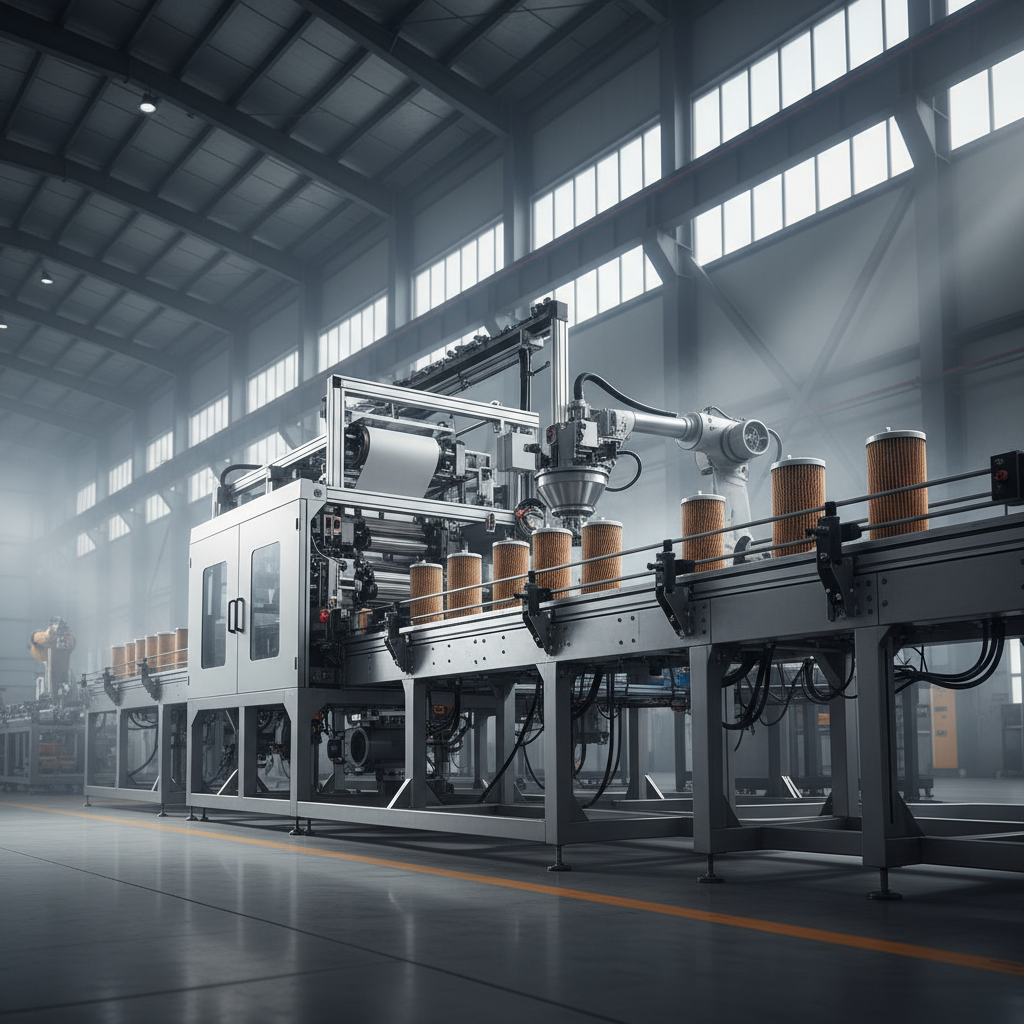
The implementation of advanced technologies within the spin-on oil filter production line, like robotic welding and automated inspection systems, is crucial for maintaining competitiveness. These innovations enhance production speed, minimize defects, and reduce labor costs, ultimately leading to higher profitability and improved product quality.
Global Relevance and Industry Context
The global automotive industry, projected to reach $10.21 trillion by 2030 (source: Statista), is a primary driver of demand for spin-on oil filters. Expanding vehicle ownership in emerging economies, coupled with increasingly strict emissions regulations, necessitates a consistent supply of high-quality filtration solutions. This translates to a constant need for efficient and scalable spin-on oil filter production lines worldwide.
Moreover, beyond the automotive sector, heavy machinery, marine engines, and power generation equipment also rely heavily on oil filtration. The growing demand for these sectors, particularly in infrastructure development and resource extraction, further amplifies the significance of the spin-on oil filter production line globally.
A critical challenge facing the industry is balancing increasing production volumes with sustainability concerns. Manufacturers are under pressure to reduce waste, minimize energy consumption, and utilize environmentally friendly materials throughout the spin-on oil filter production line process.
Defining a Spin-on Oil Filter Production Line
A spin-on oil filter production line is a comprehensive manufacturing process encompassing all stages involved in creating these essential engine components. It begins with raw material procurement – typically sheet metal for the housing and specialized filter media – and culminates in the packaging and distribution of finished filters. The process typically involves forming the filter housing, assembling the internal components (filter media, anti-drain back valve, relief valve), sealing, testing, and labeling.
The process is inextricably linked to the broader automotive and industrial manufacturing landscapes. Effective oil filtration is fundamental to engine performance, longevity, and emissions control. Consequently, the spin-on oil filter production line directly impacts the reliability and environmental footprint of countless vehicles and machines.
Modern spin-on oil filter production lines often incorporate lean manufacturing principles, focusing on waste reduction, continuous improvement, and optimized workflow. Integrating technologies like automated guided vehicles (AGVs) and real-time data monitoring can further enhance efficiency and reduce production costs.
Key Factors in Production Line Efficiency
Durability is paramount. The spin-on oil filter production line must consistently produce filters capable of withstanding high pressures, extreme temperatures, and prolonged use. Achieving this requires robust materials, precise manufacturing tolerances, and stringent quality control procedures.
Scalability is also crucial. The production line needs to be adaptable to fluctuating market demand. This means the ability to quickly increase or decrease production volumes without significant downtime or capital investment. Flexible automation and modular design are key to achieving scalability in a spin-on oil filter production line.
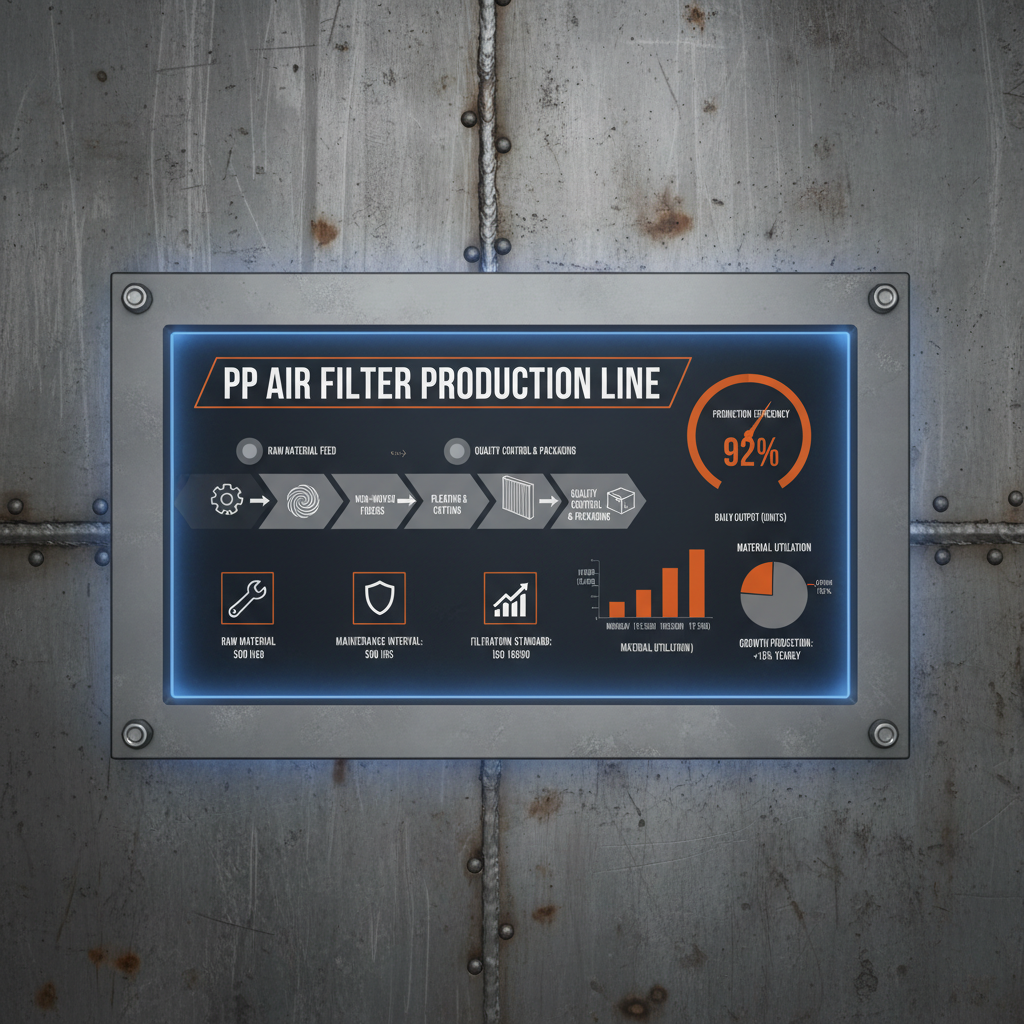
Production Line Efficiency Metrics
Global Applications and Industry Impact
Spin-on oil filters are ubiquitous across a vast array of industries. In the automotive sector, they are indispensable for maintaining engine health in passenger vehicles, trucks, and buses. Beyond automobiles, they are critical components in heavy construction equipment, agricultural machinery, and marine engines, ensuring operational reliability in demanding environments.
In remote industrial zones, where access to maintenance and replacement parts is limited, the reliability of spin-on oil filters is particularly important. The extended lifespan and consistent performance of high-quality filters minimize downtime and prevent costly repairs. Similarly, in post-disaster relief operations, maintaining functional vehicles and machinery relies on readily available and reliable filtration systems.
Advantages and Long-Term Value Proposition
Investing in a high-performance spin-on oil filter production line translates to significant cost savings through reduced downtime, lower maintenance expenses, and extended equipment lifespan. Beyond financial benefits, utilizing a reliable production line enhances brand reputation, builds customer trust, and fosters long-term loyalty.
The long-term value proposition also extends to sustainability. Efficient manufacturing processes minimize waste, reduce energy consumption, and promote the use of environmentally friendly materials. These factors contribute to a more responsible and ethical business model, aligning with growing consumer demand for sustainable products.
Future Trends and Innovation in Production
The future of the spin-on oil filter production line is heavily influenced by advancements in materials science, automation, and data analytics. We anticipate a shift towards lighter-weight, more durable filter media incorporating nanotechnology to enhance filtration efficiency. The integration of Industry 4.0 principles, such as predictive maintenance and real-time monitoring, will optimize production processes and minimize downtime.
Furthermore, the growing emphasis on sustainability will drive the development of biodegradable filter media and closed-loop manufacturing systems. The use of digital twins – virtual replicas of the production line – will enable manufacturers to simulate and optimize processes, leading to increased efficiency and reduced waste.
FAQS
The lifespan of equipment in a spin-on oil filter production line varies greatly. Generally, high-quality automated machinery – like robotic welders or stamping presses – can operate efficiently for 10-15 years with proper maintenance. However, components like conveyor belts or specialized tooling may require replacement every 3-5 years depending on usage intensity and operational conditions. Regular preventative maintenance schedules are critical to maximizing equipment longevity.
While the initial investment in automation can be substantial, it significantly reduces long-term production costs. Automation minimizes labor expenses, improves production speed, and reduces errors, leading to higher output and lower defect rates. Furthermore, automated systems often require less energy and generate less waste compared to manual processes, contributing to further cost savings.
Robust quality control is vital. This includes rigorous inspection of raw materials, in-process checks at each stage of production (housing integrity, media consistency, seal effectiveness), and final product testing (pressure drop, burst strength, flow rate). Statistical process control (SPC) techniques are often employed to monitor production parameters and identify potential issues before they lead to defects.
Filter media selection is critical. Considerations include filtration efficiency (particle size removal), flow rate, pressure drop, temperature resistance, and chemical compatibility. Synthetic media often offer superior performance compared to cellulose-based media, but are generally more expensive. The specific application and performance requirements dictate the optimal media choice.
Adaptability requires a modular production line design. This involves using interchangeable tooling, adjustable machinery settings, and flexible automation systems. Quick changeover capabilities are essential to minimize downtime when switching between different filter models. Software-controlled systems allow for rapid adjustments to production parameters, streamlining the changeover process.
Safety is paramount. This includes implementing machine guarding to protect operators from moving parts, providing appropriate personal protective equipment (PPE), and establishing clear lockout/tagout procedures for maintenance. Regular safety training, hazard assessments, and emergency response plans are essential to ensure a safe working environment.
Conclusion
In conclusion, the spin-on oil filter production line is a critical component of the global automotive and industrial ecosystems. Its efficiency, reliability, and adaptability are essential for meeting the ever-increasing demand for high-quality filtration solutions. By embracing innovation, focusing on sustainability, and prioritizing quality control, manufacturers can unlock significant benefits, including reduced costs, improved performance, and enhanced brand reputation.
Looking ahead, continued advancements in automation, materials science, and data analytics will further transform the spin-on oil filter production line. Manufacturers who proactively adopt these technologies will be well-positioned to thrive in a dynamic and competitive market. For more information about optimizing your production line, visit our website: www.mfiltersolution.com