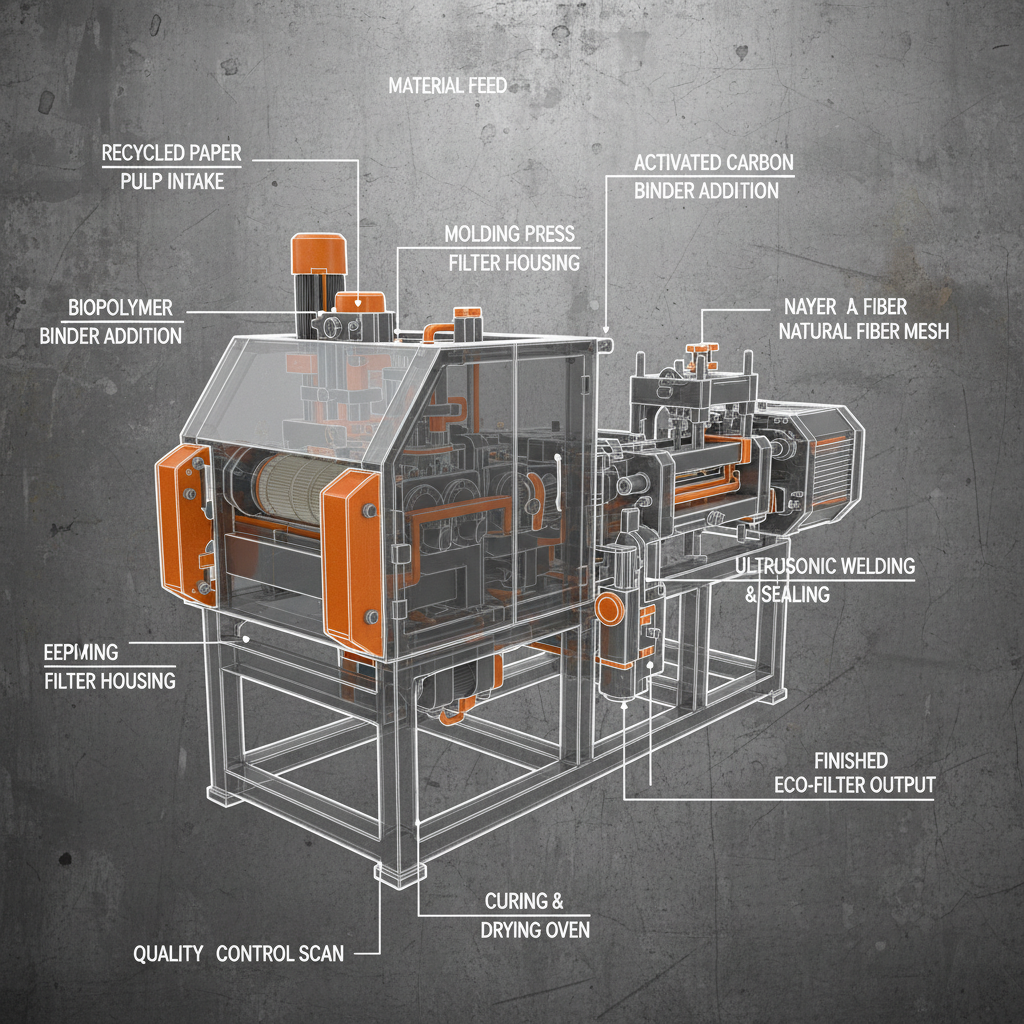
The demand for efficient and reliable heating solutions is globally pervasive, driven by diverse needs ranging from industrial processes to residential comfort. A heating machine plays a pivotal role in countless applications, ensuring optimal temperature control and contributing to productivity, safety, and overall quality of life. Understanding the intricacies of these machines – their functionality, maintenance, and emerging technologies – is becoming increasingly critical in a world grappling with energy efficiency and sustainability challenges.
The global market for heating machines is experiencing steady growth, fueled by factors like urbanization, industrial expansion, and stricter environmental regulations. According to a report by the World Bank, energy consumption for heating accounts for a significant portion of global energy demand. Investing in advanced heating machine technologies, therefore, isn't merely an operational improvement; it's a strategic move towards resource conservation and environmental stewardship.
However, challenges remain, including the need for reduced energy consumption, lower emissions, and improved operational efficiency. Innovation in heating machine design, coupled with smart controls and integration with renewable energy sources, is key to overcoming these hurdles and creating a more sustainable future.
The Importance of Heating Machine Technology
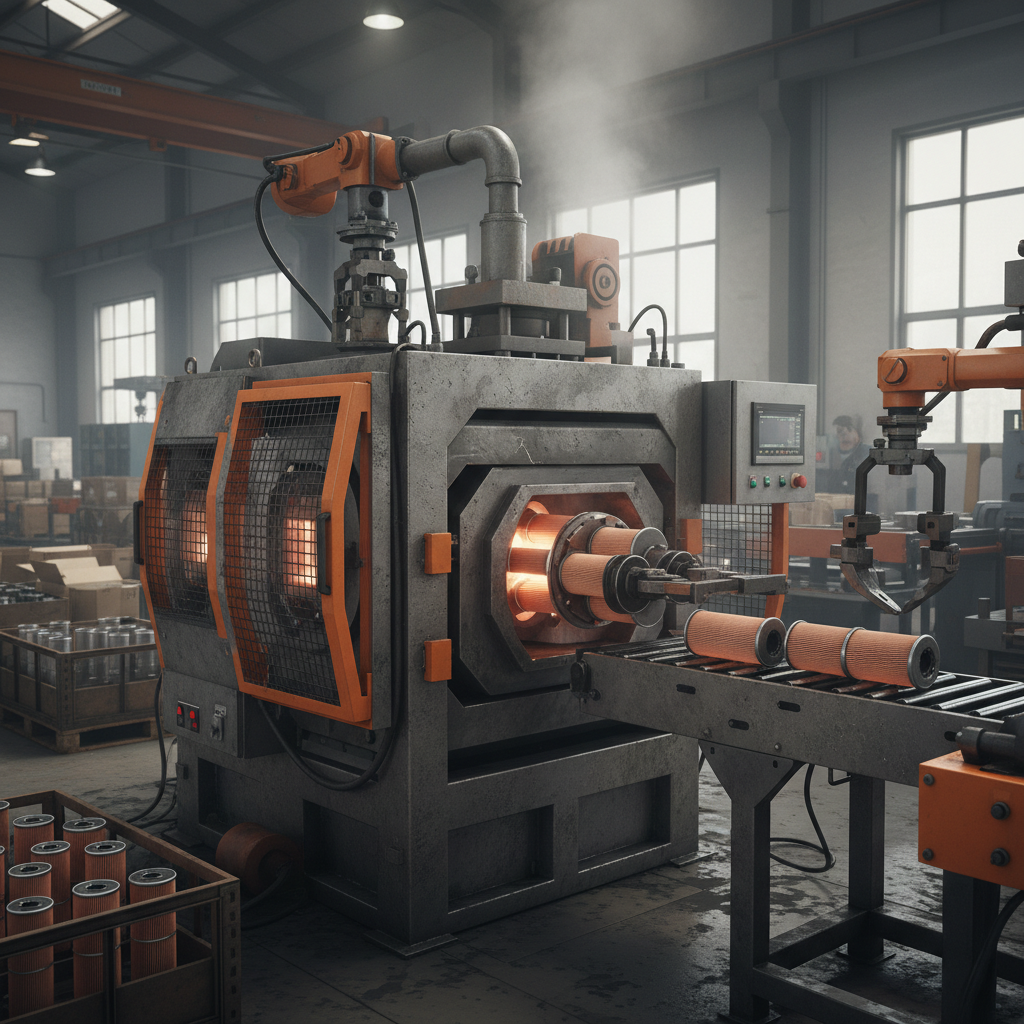
Heating machines are critical across a vast spectrum of industries, underpinning everything from manufacturing and chemical processing to food production and pharmaceuticals. These machines are not simply about raising temperatures; they're about precise control, consistent performance, and the ability to facilitate complex processes that are integral to modern economies. A robust heating machine ensures product quality, increases efficiency, and minimizes downtime.
Beyond industrial applications, heating machines contribute to essential services like district heating, power generation, and even waste management. The advancement of heating machine technology directly correlates with improvements in sustainability, energy conservation, and the overall well-being of communities globally.
Defining Heating Machine Functionality
A heating machine, at its core, is a system designed to transfer thermal energy to a substance or enclosed space. This transfer can occur through various methods including conduction, convection, radiation, or a combination thereof. Unlike simple heaters, a sophisticated heating machine often incorporates precise control systems, safety mechanisms, and monitoring capabilities to ensure consistent and reliable performance.
These machines are typically characterized by their ability to maintain specific temperature ranges, respond dynamically to changing process requirements, and operate efficiently over extended periods. Their functionality extends beyond simply providing heat – they are often integrated into larger automated systems, playing a vital role in complex manufacturing processes.
The concept is closely tied to modern industry and increasingly, humanitarian needs. In remote locations, heating machines can be used for sterilizing medical equipment, providing warmth in extreme climates, and powering desalination plants to provide clean water. Their versatility makes them invaluable tools in diverse settings.
Core Components of a Heating Machine
Understanding the core components of a heating machine is crucial for effective operation and maintenance. These typically include a heat source (electric resistance, gas burner, geothermal, etc.), a heat transfer medium (air, water, oil, etc.), a control system (thermostats, sensors, programmable logic controllers), and insulation materials to minimize heat loss. Each component plays a vital role in the overall efficiency and reliability of the system.
The heat exchanger is another critical element, responsible for transferring heat from the source to the target substance or space. Different types of heat exchangers exist, each optimized for specific applications and operating conditions. These include shell-and-tube, plate, and finned heat exchangers. Choosing the right heat exchanger is paramount to maximizing efficiency and preventing damage to the machine.
Finally, safety components like pressure relief valves, temperature sensors, and emergency shutdown systems are essential to protect against overpressure, overheating, and other potential hazards. Regular inspection and maintenance of these components are crucial for ensuring safe and reliable operation of the heating machine.
Key Performance Factors in Heating Machine Design
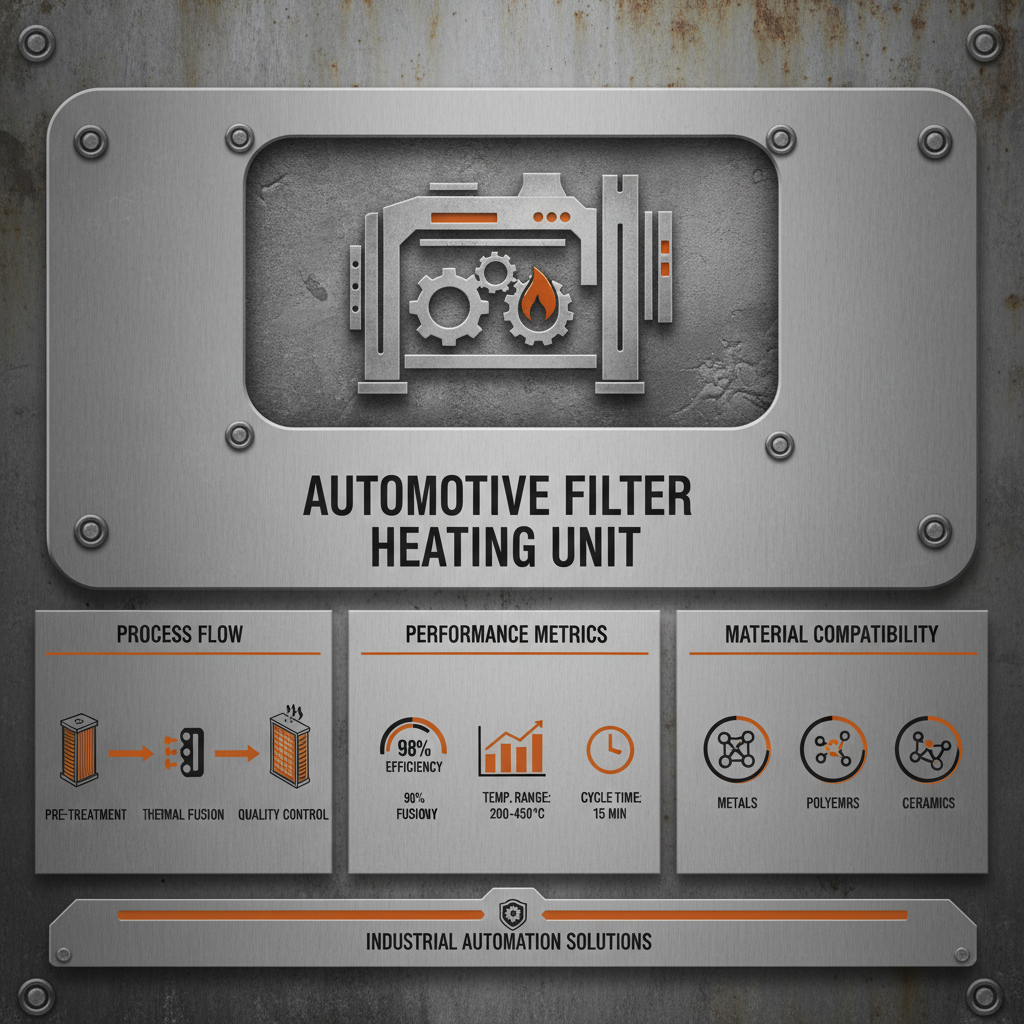
Several key factors govern the performance and efficiency of a heating machine. Thermal efficiency, or the ratio of useful heat output to energy input, is paramount. Materials selection plays a critical role, with high thermal conductivity materials maximizing heat transfer while minimizing energy loss. Heating machine designers carefully balance cost, performance, and durability when choosing materials.
Another critical factor is temperature uniformity, ensuring that the heat is distributed evenly throughout the target space or substance. This is especially important in applications like chemical processing and materials science. Control system responsiveness and accuracy also significantly impact performance, enabling precise temperature regulation and minimizing process variations.
Comparative Analysis of Heating Machine Methods
Global Applications of Heating Machines
Heating machines find widespread applications across diverse industries globally. In the chemical industry, they are essential for maintaining precise temperatures during reactions and separations. In the food and beverage sector, they are used for pasteurization, sterilization, and cooking processes. Power plants rely on heating machines for steam generation, crucial for driving turbines and producing electricity.
In post-disaster relief operations, portable heating machines provide warmth and facilitate the preparation of food and clean water. In remote industrial zones, they are vital for maintaining operational efficiency and ensuring product quality. Furthermore, the increasing adoption of district heating systems, particularly in colder climates, relies heavily on the efficient operation of large-scale heating machines.
Advantages and Long-Term Value of Heating Machine Investment
Investing in a high-quality heating machine yields numerous tangible benefits. Reduced energy consumption translates to lower operating costs and a smaller carbon footprint. Improved process control enhances product quality, reduces waste, and increases overall efficiency. The reliability and durability of modern heating machines minimize downtime and maintenance costs.
Beyond these economic advantages, a well-maintained heating machine contributes to a safer working environment and enhances employee morale. The peace of mind that comes with knowing you have a dependable and efficient heating system is invaluable. Furthermore, embracing innovative heating technologies demonstrates a commitment to sustainability and responsible environmental practices.
Future Trends and Technological Advancements in Heating Machine Technology
The future of heating machine technology is poised for significant advancements. Integration with renewable energy sources, such as solar and geothermal, is gaining traction, leading to more sustainable and cost-effective solutions. Digitalization and the Internet of Things (IoT) are enabling smart heating systems with remote monitoring, predictive maintenance, and optimized performance.
Advanced materials, such as ceramics and nanocomposites, are being explored to improve thermal efficiency and reduce energy loss. Automation and artificial intelligence (AI) are being used to optimize control systems and automate complex heating processes. These innovations promise to revolutionize the heating industry, making it more efficient, sustainable, and responsive to changing needs.
Furthermore, the development of heat pumps and waste heat recovery systems is gaining momentum, offering opportunities to reduce energy consumption and lower carbon emissions. The convergence of these technologies will drive the next generation of heating machine solutions.
Core Attributes for Evaluating Heating Machine Performance
| Machine Type |
Energy Efficiency Rating (1-10) |
Maintenance Complexity (1-10) |
Initial Investment Cost |
| Electric Resistance Heater |
6 |
2 |
$500 - $2,000 |
| Gas-Fired Boiler |
7 |
5 |
$2,000 - $8,000 |
| Heat Pump |
9 |
6 |
$4,000 - $12,000 |
| Infrared Heater |
5 |
1 |
$300 - $1,500 |
| Geothermal Heating System |
10 |
8 |
$10,000 - $30,000+ |
| Waste Heat Recovery Unit |
8 |
7 |
$5,000 - $15,000 |
FAQS
When choosing a heating machine for industrial applications, prioritize factors like thermal efficiency, temperature control precision, reliability, safety features, and maintenance requirements. Consider the specific process requirements, the type of substance being heated, and the operating environment. The long-term cost of ownership, including energy consumption and maintenance, should also be a key consideration. A properly selected heating machine will optimize production efficiency and minimize downtime.
Routine maintenance should be performed on a heating machine at least annually, and more frequently for machines operating under heavy loads or in harsh environments. This should include inspecting and cleaning heat exchangers, checking for leaks, calibrating sensors, and verifying the functionality of safety systems. Regular maintenance prevents unexpected breakdowns, extends the lifespan of the machine, and ensures optimal energy efficiency.
Integrating smart control systems into heating machine operations offers numerous benefits, including remote monitoring and control, predictive maintenance alerts, optimized energy consumption, and improved process control. Smart systems can automatically adjust heating parameters based on real-time data, minimizing waste and maximizing efficiency. This leads to lower operating costs and enhanced productivity.
Several steps can be taken to improve the energy efficiency of your heating machine system. This includes ensuring proper insulation to minimize heat loss, optimizing control settings to avoid overshooting temperature targets, regularly cleaning heat exchangers to maintain efficient heat transfer, and considering the implementation of waste heat recovery systems. Also evaluate if upgrading to a newer, more efficient model is cost-effective in the long run.
When operating and maintaining a heating machine, always follow the manufacturer’s safety guidelines. Wear appropriate personal protective equipment (PPE), such as gloves and safety glasses. Ensure adequate ventilation to prevent the buildup of hazardous fumes. Never attempt to repair or modify the machine without proper training and authorization. Regularly inspect safety features like pressure relief valves and emergency shutdown systems.
Waste heat recovery plays a critical role in enhancing the sustainability of heating machine systems by capturing and reusing heat that would otherwise be lost to the environment. This recovered heat can be used to preheat process streams, generate electricity, or provide space heating, significantly reducing energy consumption and carbon emissions. Implementing waste heat recovery systems is a key step towards achieving a more circular and sustainable industrial economy.
Conclusion
In conclusion, the heating machine is an indispensable component of modern industry and a critical enabler of countless processes that underpin our daily lives. Understanding its core principles, key components, and emerging technologies is crucial for optimizing efficiency, ensuring safety, and promoting sustainability. From industrial applications to humanitarian efforts, the versatility and importance of these machines cannot be overstated.
Looking ahead, continued innovation in materials, controls, and integration with renewable energy sources will drive the next generation of heating machine technology. Embracing these advancements is not simply a matter of technological progress; it's a strategic imperative for creating a more sustainable, efficient, and resilient future. Visit our website at www.mfiltersolution.com to explore our comprehensive range of heating solutions and learn how we can help you optimize your processes.