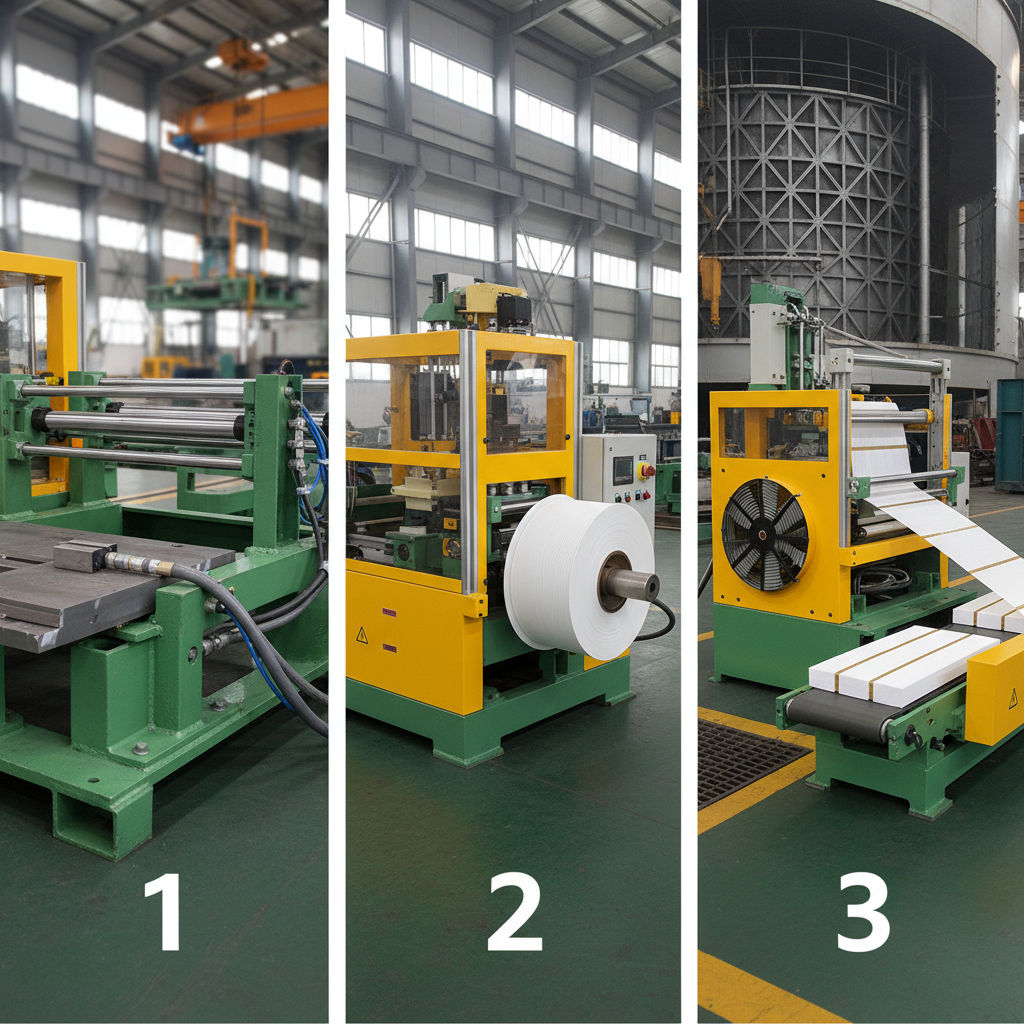
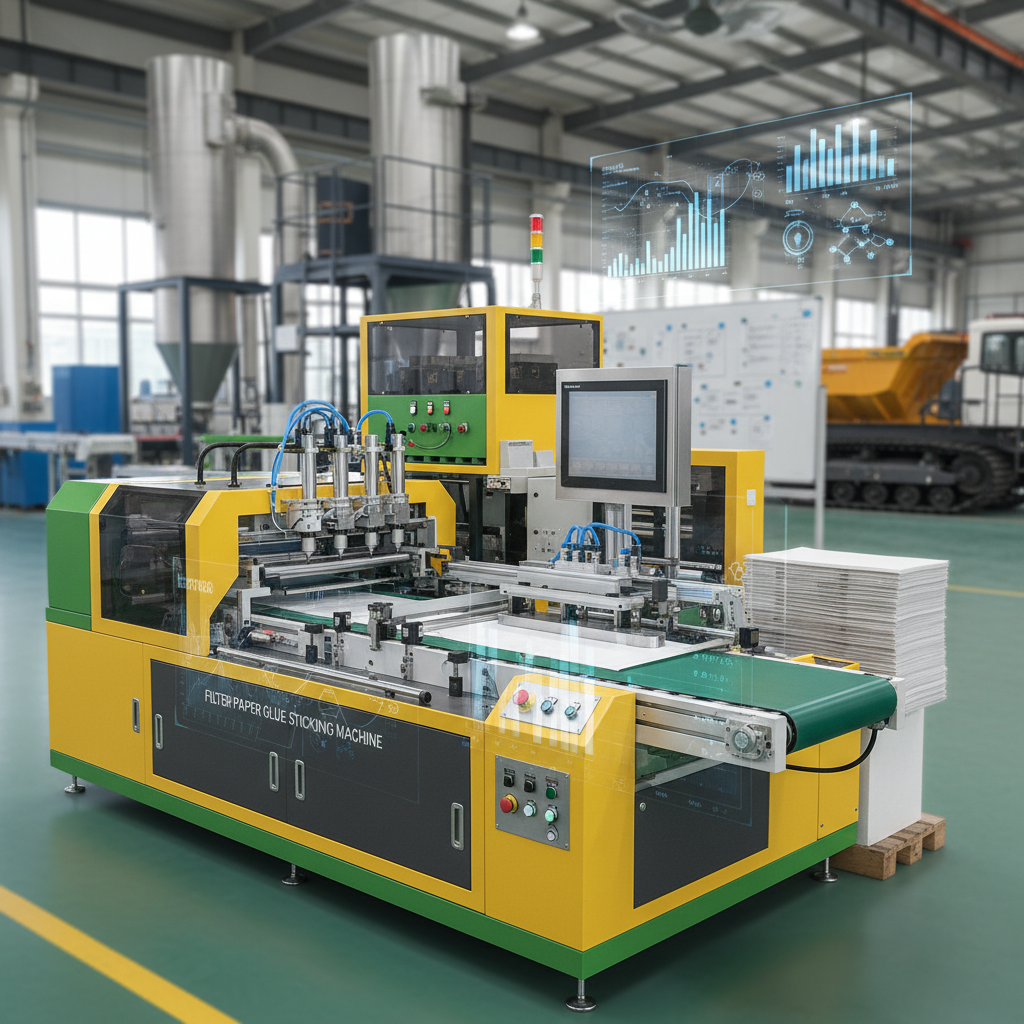
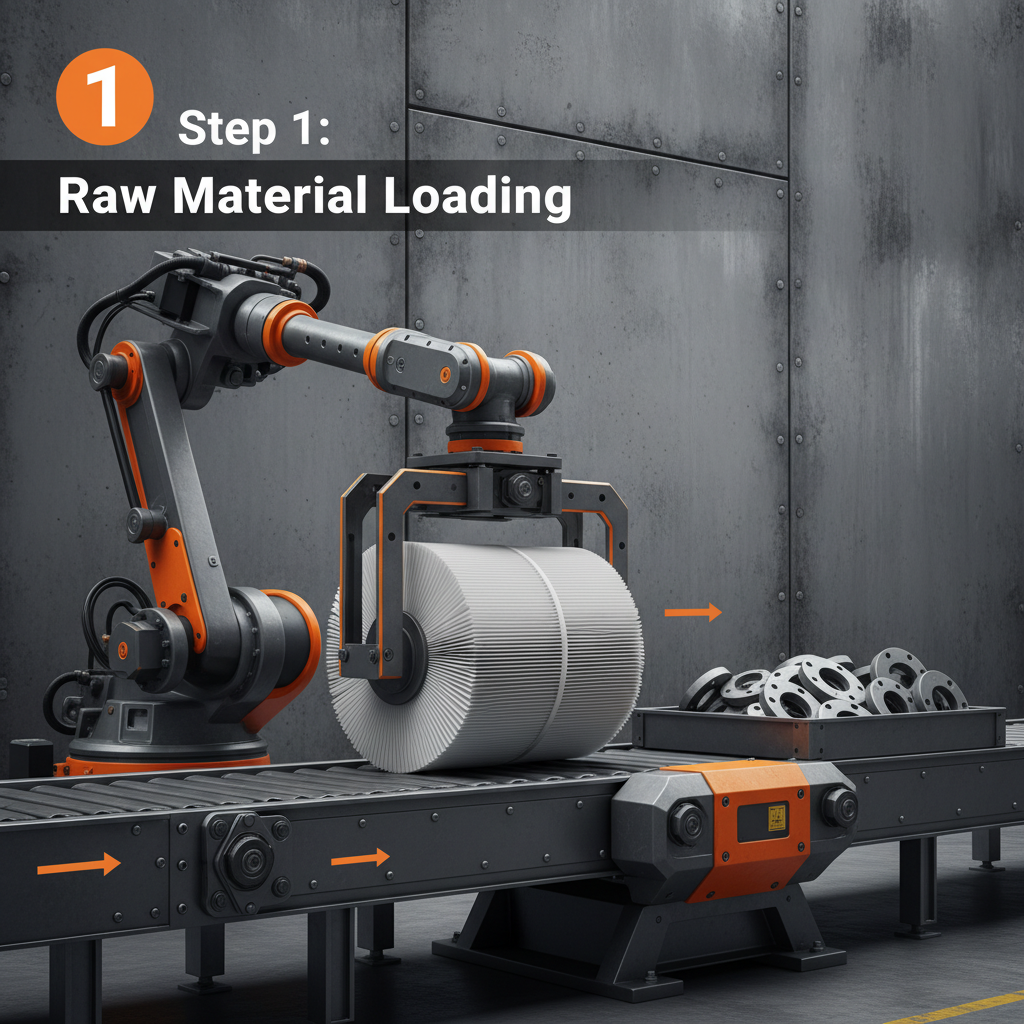
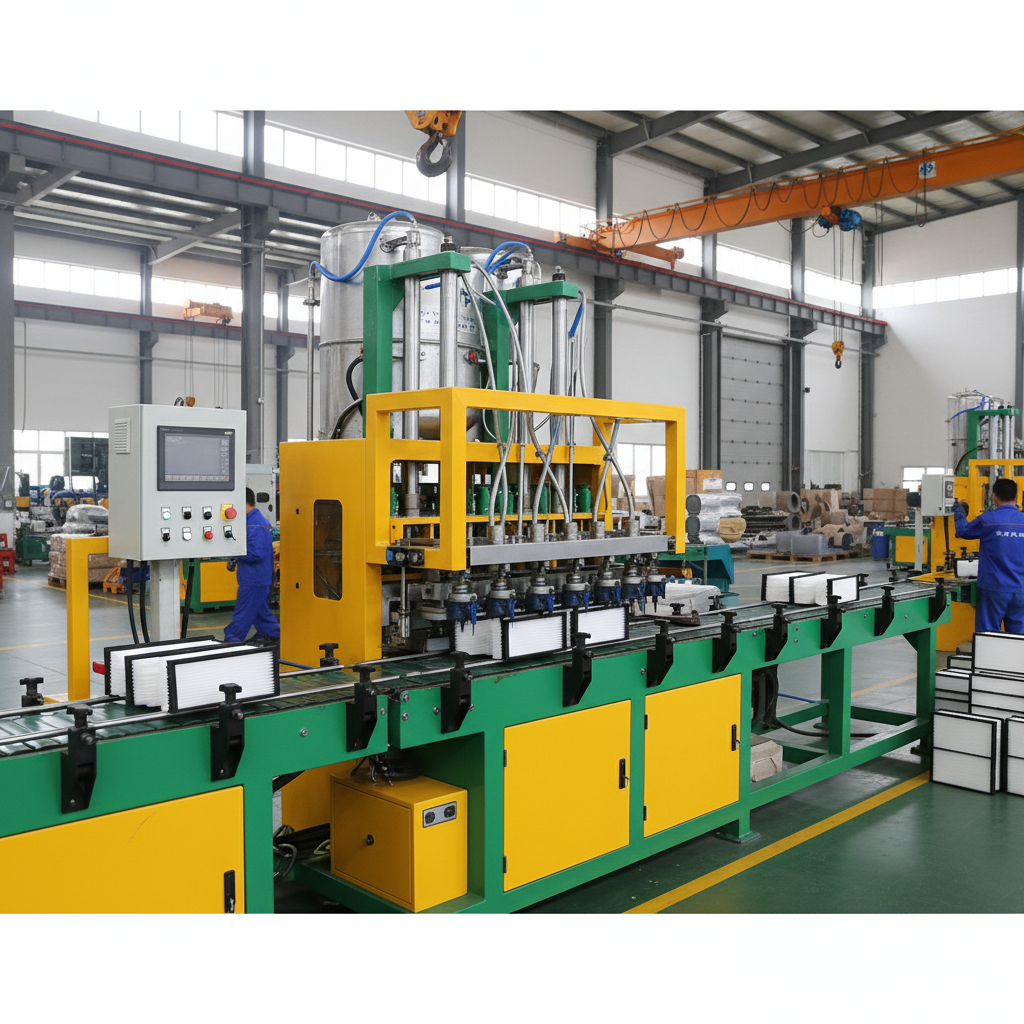
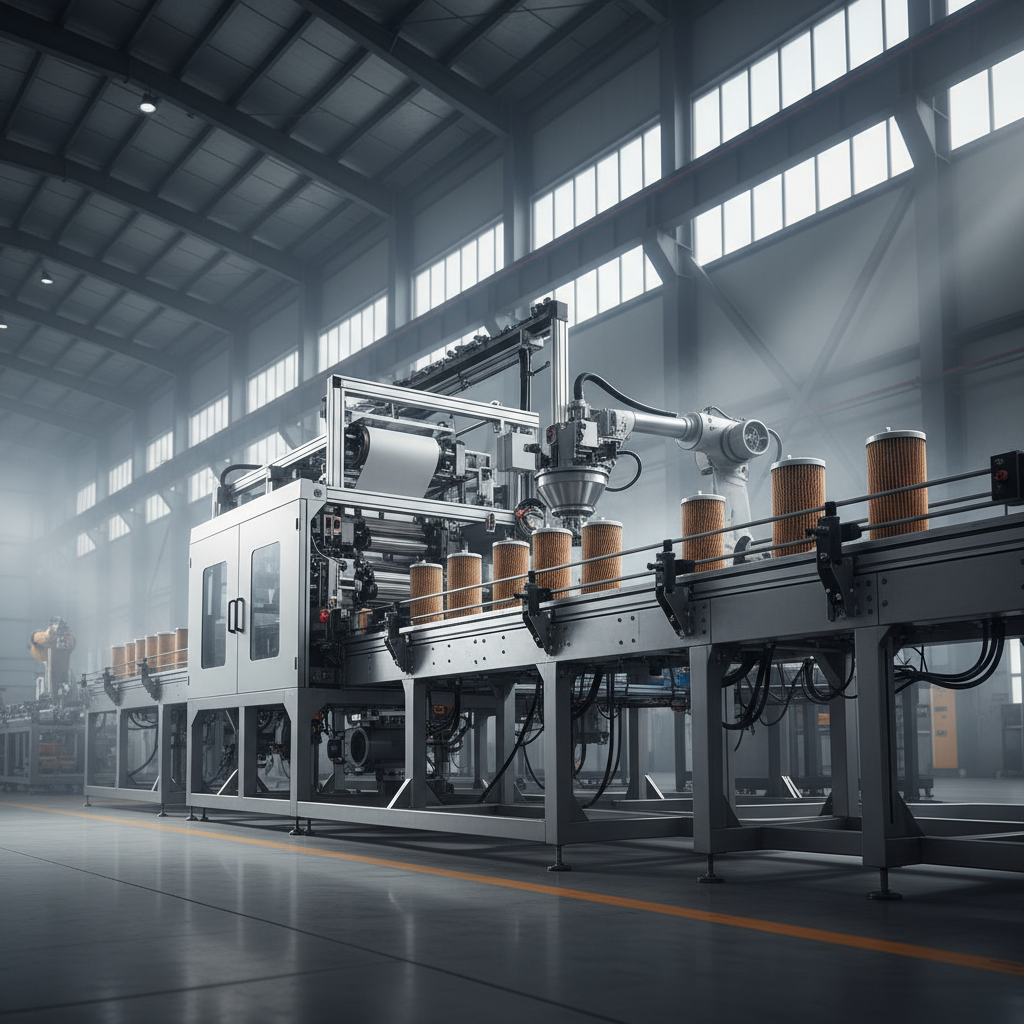
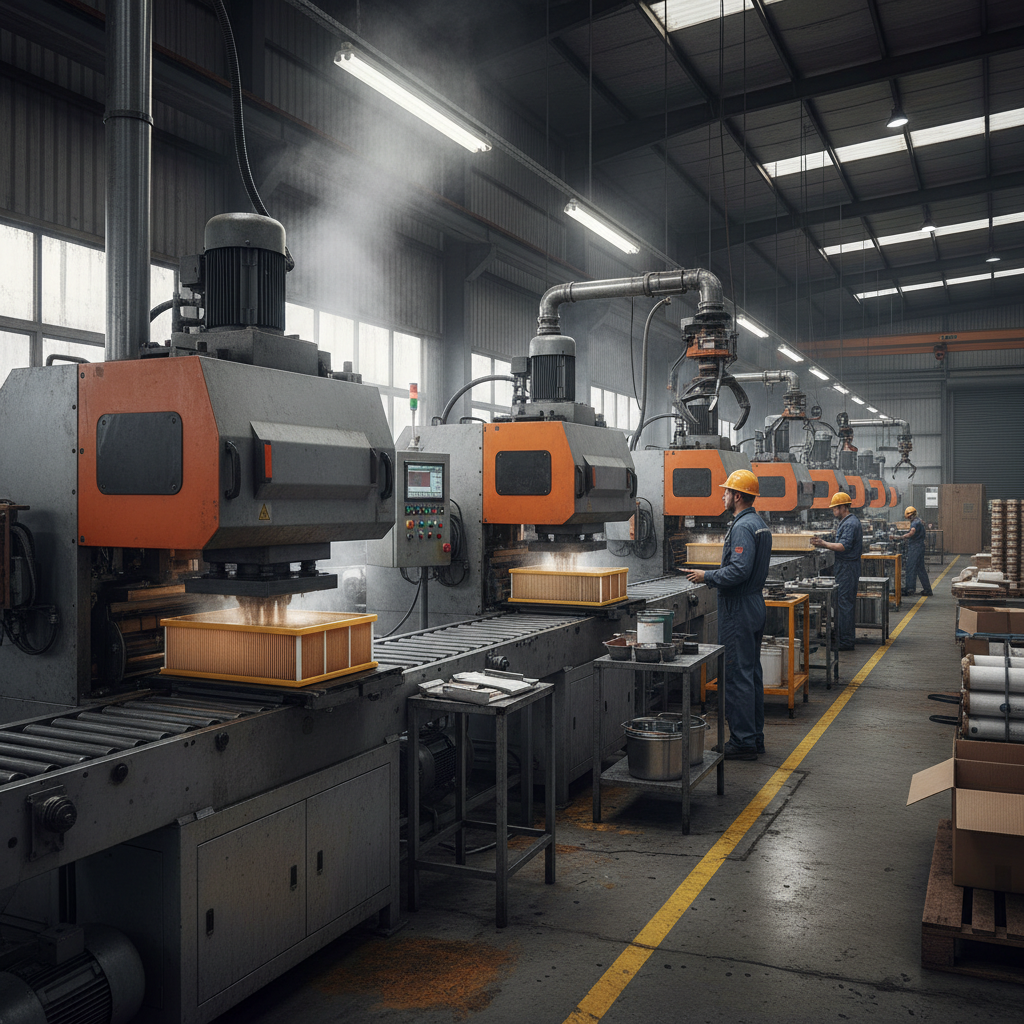
The efficiency of modern filtration systems relies heavily on the precision of the pleating and bonding process. A high-performance filter paper glue sticking machine is the cornerstone of this process, ensuring that the filter media is securely fastened to prevent leaks and maintain structural integrity under high-pressure environments. Without precise adhesive application, even the highest grade of filter paper fails to provide the necessary protection for automotive engines or industrial air systems.
Globally, the demand for specialized air and oil filtration has surged due to stricter emission standards and the increasing complexity of internal combustion and hybrid engines. The integration of an automated filter paper glue sticking machine allows manufacturers to scale production while reducing human error, which is critical when dealing with micron-level filtration requirements where a single gap in the glue line can lead to catastrophic engine failure.
Understanding the mechanics of these machines is not just about increasing output; it is about enhancing the longevity and reliability of the end product. By optimizing the bonding phase, companies can produce filters that offer superior dust-holding capacity and lower pressure drops, directly contributing to fuel efficiency and environmental sustainability across the automotive and industrial sectors.
Global Relevance of Filter Paper Glue Sticking Machine
In the current global industrial landscape, the precision of air and oil filtration is non-negotiable. ISO standards for filtration efficiency demand that there be zero bypass of unfiltered air or fluid, which places an immense burden on the bonding process. The filter paper glue sticking machine addresses this by providing a consistent, airtight seal between the pleats and the end caps, ensuring that the filter operates at its theoretical maximum efficiency.
As emerging markets in Asia and Latin America expand their automotive manufacturing hubs, the need for scalable production solutions has skyrocketed. The shift toward "Green Manufacturing" requires machines that not only produce high-quality filters but do so with minimal waste of adhesive materials. Modern glue sticking equipment now integrates smart sensors to monitor glue viscosity and application volume, reducing material waste by up to 15% while increasing throughput.
Defining the Mechanics of Glue Sticking Technology
At its core, a filter paper glue sticking machine is a specialized piece of industrial equipment designed to apply a precise amount of adhesive to the edges of pleated filter media. This process, often referred to as "end-plugging" or "edge-bonding," is what transforms a simple pleated sheet of paper into a functional filter element capable of withstanding the pressures of an engine's intake or a cabin's ventilation system.
The technology involves a sophisticated interplay between a dispensing system (which could be pneumatic, gear-driven, or volumetric) and a positioning system that ensures the glue is placed exactly where the filter paper meets the metal or plastic support structure. By automating this, manufacturers eliminate the "human variable," ensuring that every single filter produced meets the same rigorous quality specifications.
In the context of modern humanitarian and industrial needs, this technology is vital for producing high-efficiency particulate air (HEPA) filters and specialized medical filters. Whether it is for a car's cabin filter or an industrial fume extractor, the integrity of the glue bond determines whether the system protects the user or allows harmful pollutants to leak through the edges.
Core Components for Maximum Bonding Precision
The first critical factor is the Precision Dispensing Valve. This component controls the flow rate of the adhesive, ensuring that the filter paper glue sticking machine does not over-saturate the media—which would block airflow—nor under-apply, which would cause leaks.
Another essential element is the Automated Positioning System. Using servo motors and optical sensors, the machine aligns the filter pleats with microscopic accuracy. This ensures that the glue line is perfectly concentric, which is vital for maintaining a uniform pressure drop across the entire surface area of the filter.
Finally, Curing and Pressure Control mechanisms play a huge role. Once the glue is applied, the machine must often apply a specific amount of pressure to bond the materials without crushing the delicate filter paper fibers, preserving the porosity and filtration rating of the media.
Industrial Applications and Sectoral Use Cases
The versatility of the filter paper glue sticking machine makes it indispensable across multiple sectors. In the automotive industry, it is used for everything from oil filters and fuel filters to the complex cabin air filters that protect passengers from PM2.5 particles. The ability to switch between different glue types—such as polyurethane (PU) or epoxy—allows one machine to handle various product lines.
Beyond vehicles, these machines are utilized in the production of heavy-duty industrial air filters for mining and construction equipment in remote industrial zones. In these harsh environments, filters are subjected to extreme vibrations and temperature swings; therefore, the structural bond created by the glue sticking machine is the only thing preventing the filter media from collapsing.
Efficiency Comparison of Glue Application Methods
Tangible Advantages of Automated Bonding Solutions
The primary advantage of implementing a professional filter paper glue sticking machine is the drastic reduction in scrap rates. Manual glue application often results in "glue bleed," where excess adhesive seeps into the filter media, rendering the filter useless. Automation ensures a lean application, maximizing the active surface area of the filter and extending the product's service life.
From a business perspective, the long-term value lies in brand trust and reliability. A filter that fails due to a poor glue bond can lead to engine seizure or contamination of sensitive industrial equipment. By investing in high-precision bonding, manufacturers provide their customers with a guarantee of safety and performance, which is a powerful competitive advantage in the B2B automotive supply chain.
Future Trends in Filtration Bonding Automation
The future of the filter paper glue sticking machine is moving toward "Industry 4.0" integration. We are seeing the introduction of IoT-enabled sensors that can predict when a dispensing nozzle is about to clog, allowing for predictive maintenance that eliminates unplanned downtime. This digital transformation ensures that production lines can run 24/7 with minimal supervision.
Another significant trend is the move toward eco-friendly, bio-based adhesives. As global policies push for a reduction in VOCs (Volatile Organic Compounds), machines are being redesigned to handle different viscosities and curing speeds of green glues. This requires more sophisticated heating elements and UV-curing systems integrated directly into the sticking line.
Furthermore, the integration of AI-driven vision systems allows the machine to inspect the glue bead in real-time. If a gap is detected, the system can automatically flag the part for rejection or adjust the flow rate on the fly, ensuring 100% quality control without requiring a separate manual inspection station.
Overcoming Common Challenges in Glue Application
One of the most persistent challenges in the industry is the variation in filter paper porosity. Different grades of paper absorb glue at different rates, which can lead to inconsistent bond strengths. Expert solutions involve using "Adaptive Flow Control" in the filter paper glue sticking machine, which adjusts the volume of adhesive based on the specific media profile being processed.
Another common issue is the "air bubble" phenomenon within the glue line, which creates microscopic leak paths. To overcome this, advanced machines now utilize vacuum-degassing systems in the glue reservoir, ensuring that the adhesive is completely air-free before it ever touches the filter paper, thereby guaranteeing a hermetic seal.
Finally, managing the cleanup and maintenance of glue-sticking equipment can be labor-intensive. The latest innovation is the use of quick-change nozzles and automated flushing cycles, which allow operators to switch between different adhesive types in minutes rather than hours, significantly increasing the flexibility of the production facility.
Comparative Analysis of Bonding Parameters for Various Filter Types
| Filter Category |
Adhesive Type |
Precision Requirement |
Bond Strength Score |
| Cabin Air Filter |
Hot Melt / PU |
Medium |
7/10 |
| Engine Oil Filter |
Epoxy Resin |
Very High |
10/10 |
| Industrial HEPA |
Specialized Polymer |
Extreme |
9/10 |
| Truck Air Filter |
Polyurethane |
High |
8/10 |
| Eco Oil Filter |
Bio-Adhesive |
Medium |
6/10 |
| Fuel Filter |
Chemical Resistant Glue |
High |
9/10 |
FAQS
By ensuring a perfectly airtight seal and preventing "glue bleed" into the filter media, the machine maximizes the available filtration area. This reduces the pressure drop and prevents premature clogging or structural failure of the pleats, which directly extends the operational life of the filter.
Yes, most professional machines are designed with modular dispensing systems. By changing the nozzle and adjusting the temperature settings for hot-melts or the mixing ratio for two-part epoxies, a single machine can be adapted for various product lines, from cabin filters to high-pressure oil filters.
The most common causes are air bubbles in the adhesive and inconsistent application volume. A high-end filter paper glue sticking machine solves this through vacuum-degassing of the glue and the use of servo-controlled volumetric pumps to ensure a consistent bead of glue every time.
Absolutely. While the initial investment is higher than manual labor, the reduction in scrap rates (waste) and the increase in production speed usually lead to a return on investment (ROI) within 12-18 months. Moreover, the consistency in quality allows smaller shops to compete for higher-tier OEM contracts.
Maintenance typically involves scheduled solvent flushing and the use of temperature-controlled jackets to prevent glue from curing inside the nozzle. Modern machines often feature automated cleaning cycles that purge the system during downtime to ensure the first part of the next batch is perfect.
If done incorrectly, yes. Excessive glue can seep into the media, effectively blocking pores and altering the airflow. However, a precision filter paper glue sticking machine applies the adhesive only to the boundary, ensuring the media's original micron rating is preserved across the entire surface.
Conclusion
In summary, the filter paper glue sticking machine is far more than a simple applicator; it is a critical quality-assurance tool that defines the performance and safety of the final filter product. From the precision of the dispensing valves to the integration of AI-driven vision systems, the evolution of this technology has enabled the production of filters that meet the most stringent global environmental and industrial standards. By focusing on bond integrity and material efficiency, manufacturers can achieve a perfect balance between high throughput and uncompromising quality.
Looking forward, the shift toward sustainable adhesives and Industry 4.0 connectivity will further redefine the filtration landscape. Companies that embrace these automated bonding solutions will not only reduce their environmental footprint but also gain a significant edge in reliability and market trust. For those seeking to optimize their production lines and ensure the highest standards of filtration, upgrading to precision glue sticking technology is the most logical step toward future-proofing their operations. Visit our website for more professional solutions: www.mfiltersolution.com