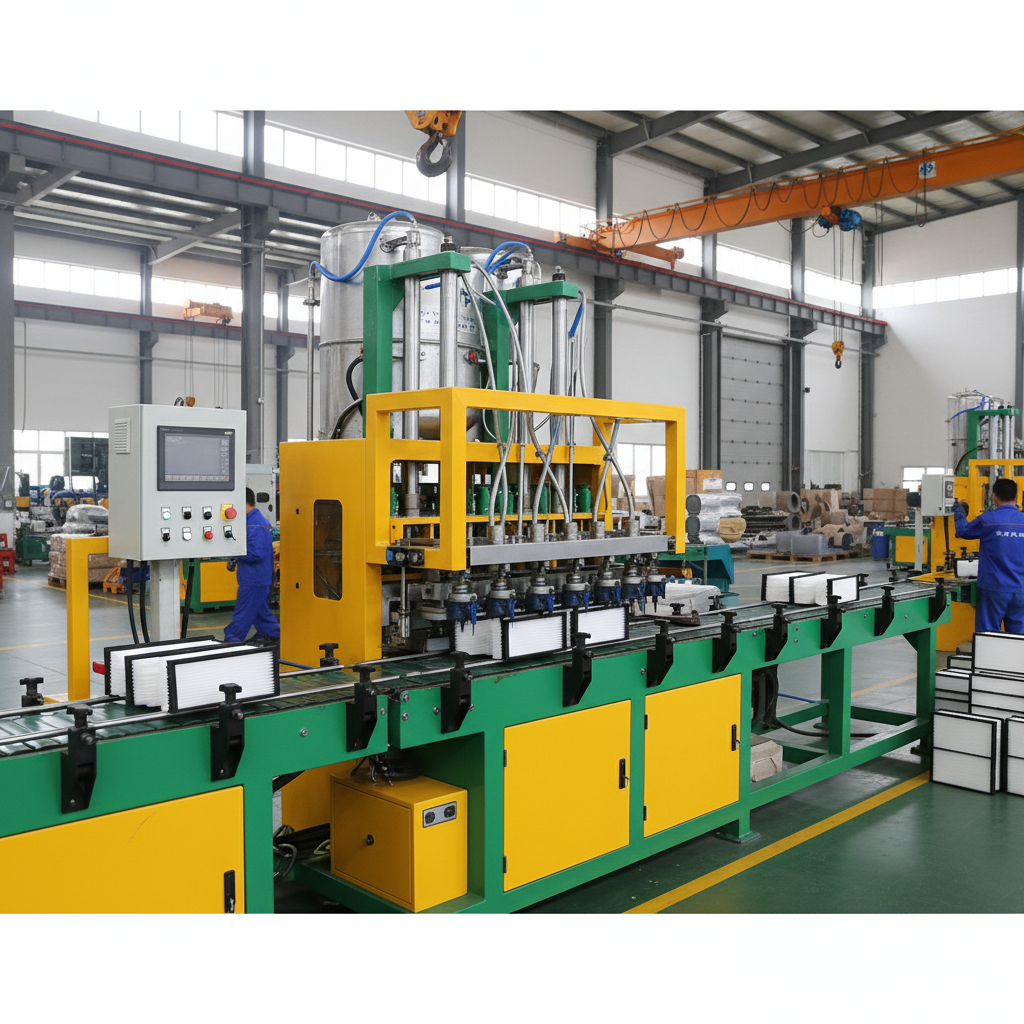
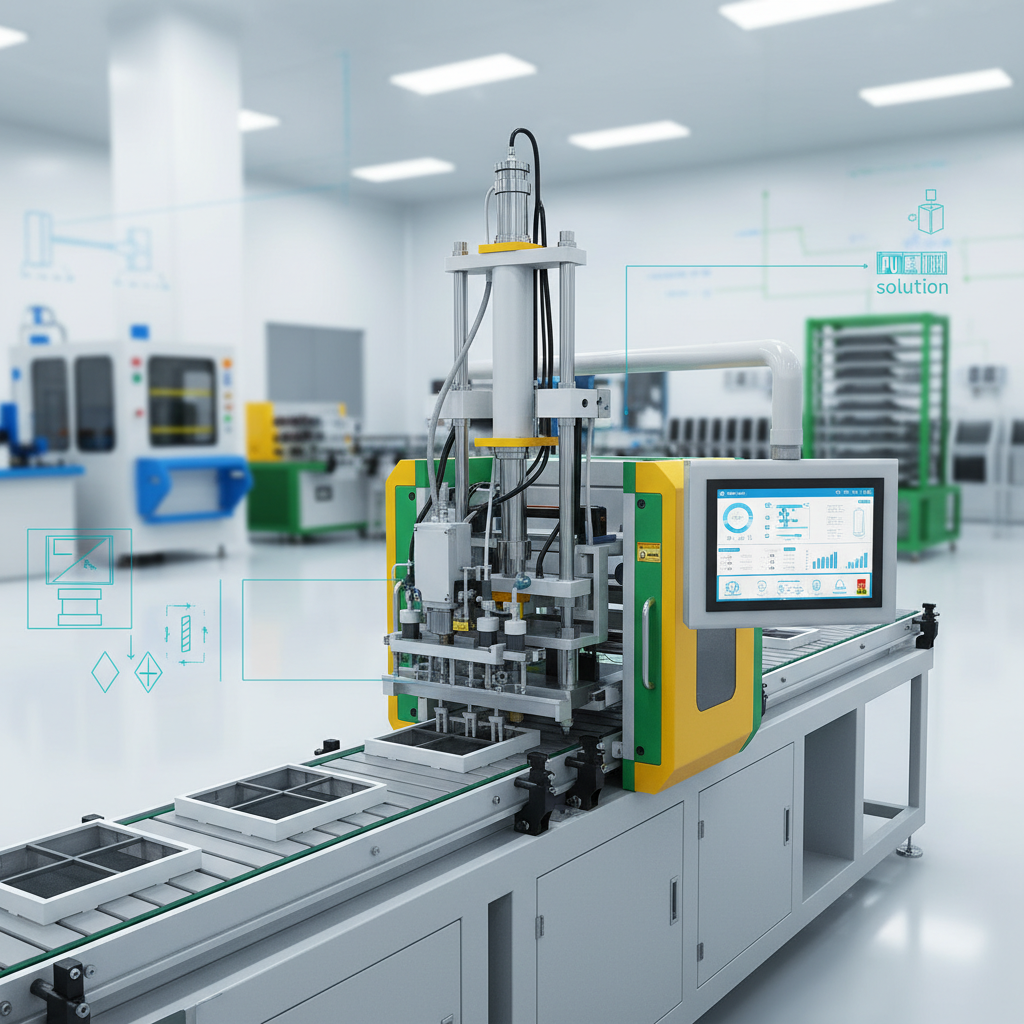
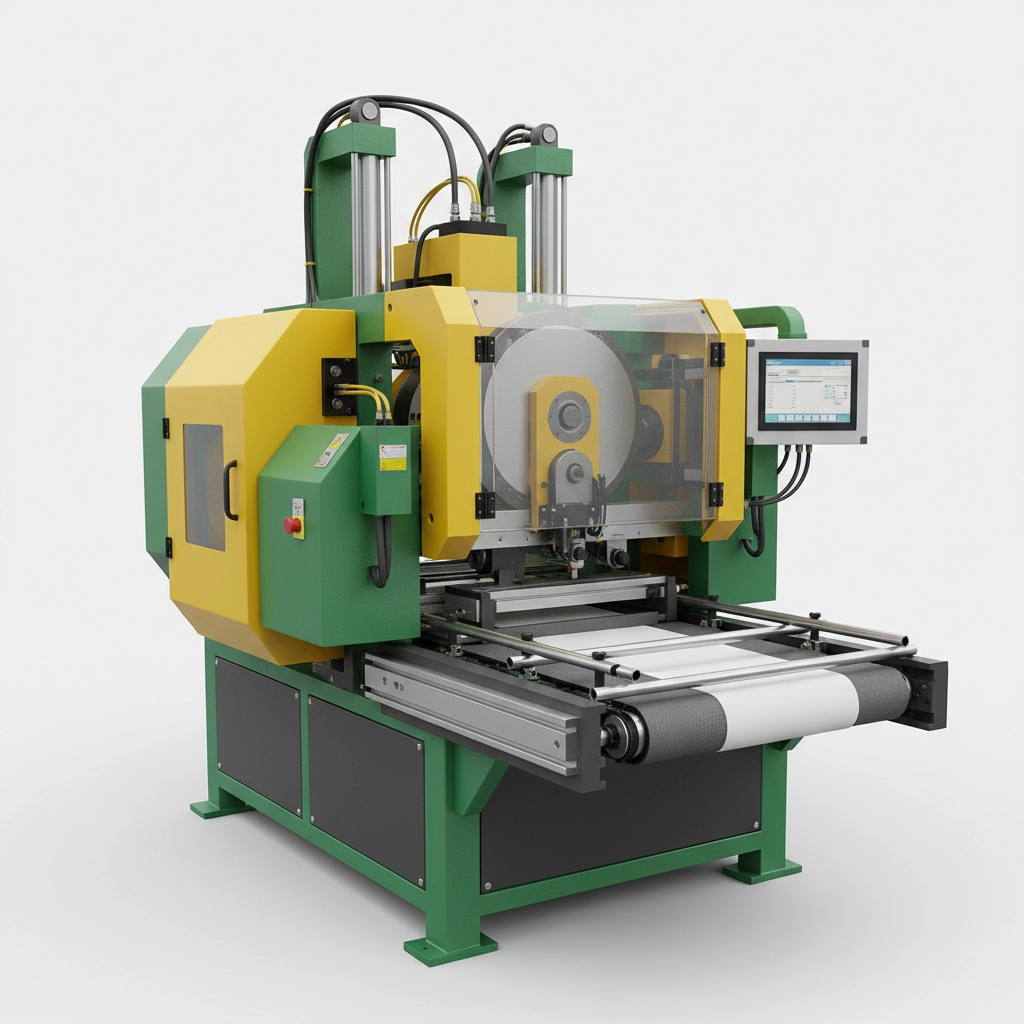
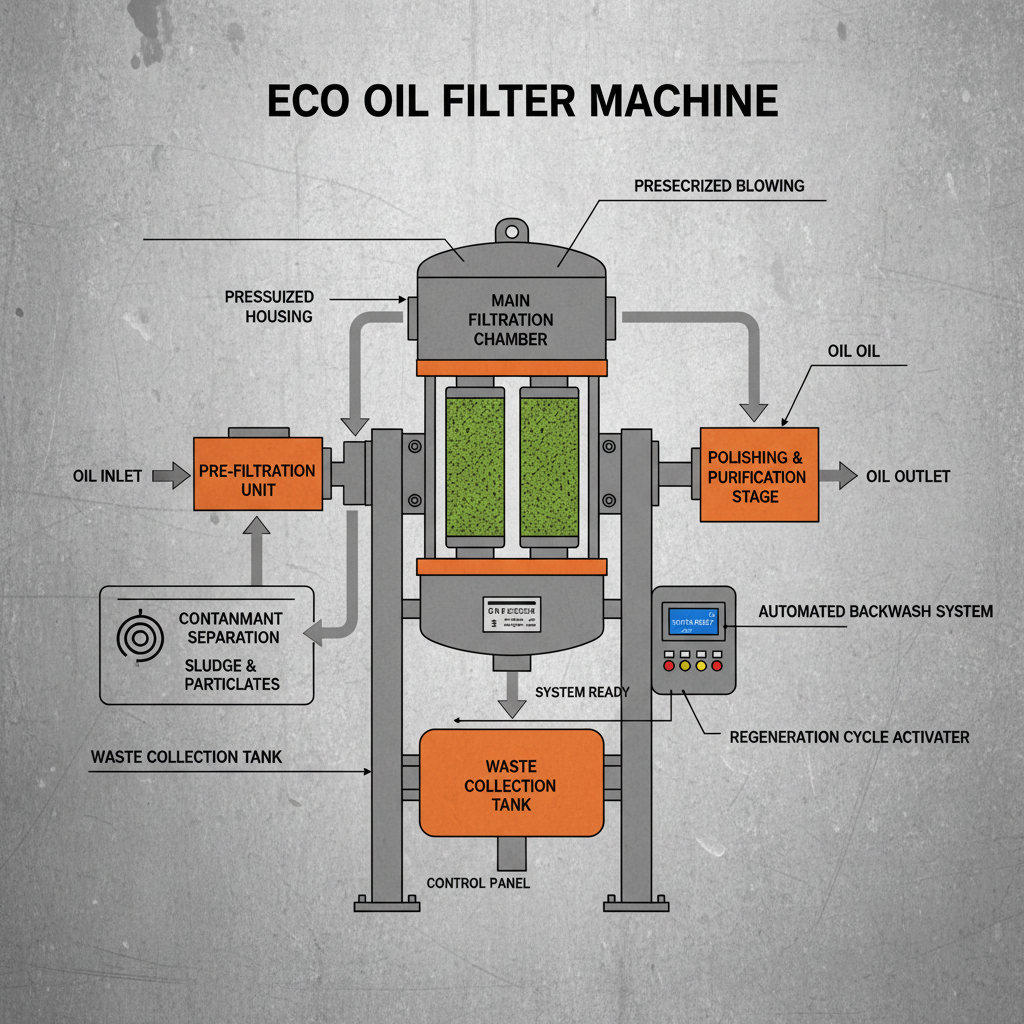
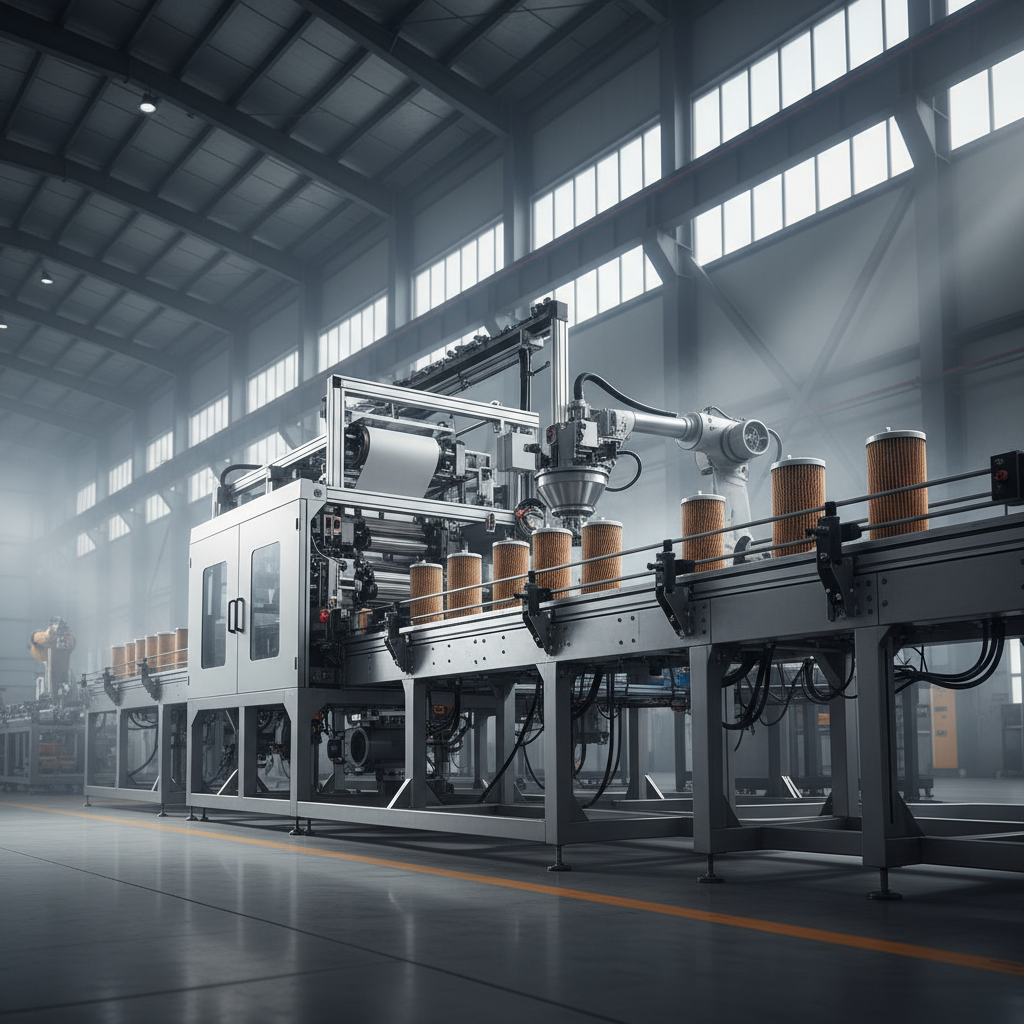
In the high-precision world of automotive filtration, the integrity of the seal is the primary determinant of a filter's effectiveness. The pu glue machine serves as the cornerstone of this process, ensuring that polyurethane adhesive is applied with surgical precision to prevent leakage and ensure a perfect fit. As environmental regulations tighten and engine efficiency becomes paramount, the role of automated adhesive application has transitioned from a luxury to an absolute necessity for manufacturers.
Across the global manufacturing landscape, the demand for high-quality air and oil filters is surging, driven by the expansion of the automotive sectors in Asia and the replacement markets in Europe and North America. A reliable pu glue machine doesn't just apply adhesive; it optimizes the bonding between the filter media and the end caps, reducing waste and increasing throughput. This precision is vital for maintaining ISO standards and ensuring that particulate matter is captured without bypassing the filtration medium.
Understanding the technical nuances of PU (Polyurethane) application allows production managers to scale their operations while maintaining rigorous quality control. By integrating an advanced pu glue machine into a production line, companies can achieve a level of consistency that manual application simply cannot match. This guide explores the technical depth, global applications, and future innovations of these essential machines in the context of modern filtration solutions.
The Fundamental Role of pu glue machine in Filtration
The primary function of a pu glue machine is to create an airtight and durable bond between the filter pleats and the support structure. In automotive air filters, any gap in the polyurethane seal allows unfiltered air to enter the engine, which can lead to premature wear of internal components. By utilizing a precise dosing system, these machines ensure that the polyurethane is distributed evenly, creating a flexible yet strong bead that withstands vibration and extreme temperature fluctuations.
Beyond simple adhesion, the modern pu glue machine is designed to handle various viscosities of PU glue, allowing manufacturers to switch between different product lines—such as cabin filters and heavy-duty truck filters—without extensive downtime. This versatility ensures that the structural integrity of the filter is maintained regardless of the specific application, providing long-term reliability for the end-user.
Technical Components and Precision Engineering
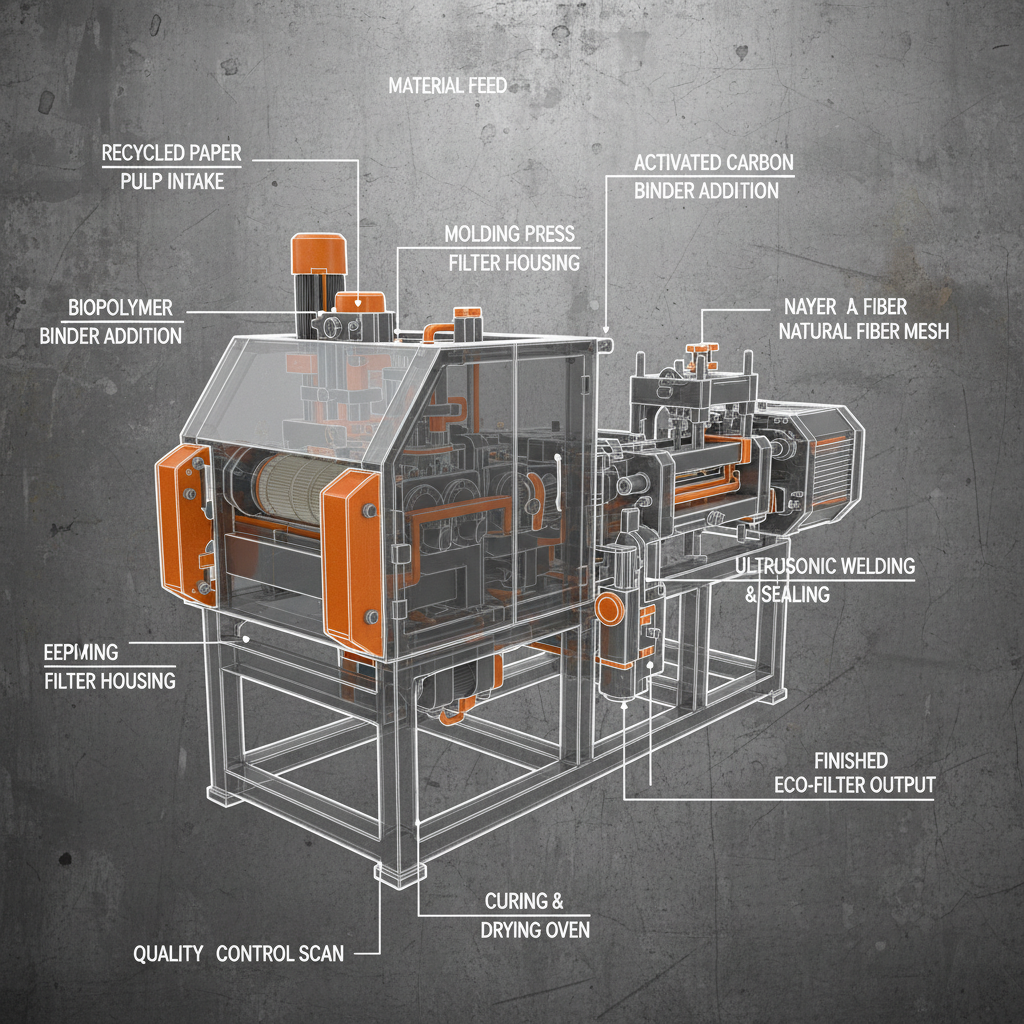
At the heart of a professional pu glue machine lies the precise metering system. This system typically consists of high-pressure pumps and mixing heads that blend the polyol and isocyanate components in a strict stoichiometric ratio. Even a minor deviation in this ratio can result in "soft spots" or incomplete curing, which compromises the filter's ability to seal against the housing.
The application head is another critical component, often utilizing CNC control to follow the exact contour of the filter. Whether it is a circular car air filter or a rectangular cabin filter, the pu glue machine adjusts its path in real-time to maintain a constant bead width and depth. This eliminates the human error associated with manual gluing and ensures that every unit coming off the line is identical.
Furthermore, temperature control systems are integrated into the glue tanks to maintain a consistent viscosity. Since PU glue is sensitive to ambient temperature, integrated heating elements prevent the adhesive from thickening, ensuring a smooth flow through the nozzles. This level of engineering allows the machine to operate at peak performance in various climatic conditions, from humid tropical factories to cold industrial zones.
Optimizing Production Efficiency with Automation
Transitioning from manual processes to a fully automated pu glue machine provides an immediate leap in production capacity. In traditional setups, the gluing phase is often the bottleneck; however, automation allows for a continuous flow where filters are indexed and glued in seconds.
The integration of a pu glue machine into a broader production solution—such as a Cabin Air Filter Production line—reduces labor costs by up to 60% while simultaneously decreasing material waste. By calculating the exact volume of glue required per unit, the machine prevents the over-application that often occurs with manual methods.
Moreover, digital interfaces now allow operators to store "recipes" for different filter models. With a single touch on the HMI (Human Machine Interface), the pu glue machine reconfigures its dispensing speed and volume, making it an indispensable tool for manufacturers who handle a wide variety of SKU sizes.
Performance Metrics and Comparative Analysis
When evaluating the efficacy of different adhesive application methods, the pu glue machine consistently outperforms manual and semi-automatic alternatives. The key metrics for evaluation include "Bead Consistency," "Cure Rate," and "Waste Percentage." Automated systems ensure that the adhesive volume remains constant within a ±1% margin, whereas manual application can vary by as much as 15%.
The following analysis compares various configurations of PU application technology to demonstrate how different levels of automation impact the overall quality and output of the filtration production line.
Comparative Efficiency of pu glue machine Configurations
Global Industrial Applications and Market Reach
The application of the pu glue machine extends far beyond standard automotive workshops. In heavy industrial zones across Southeast Asia and India, these machines are used to produce large-scale air filters for construction machinery and power generators, where the adhesive must withstand immense pressure and environmental pollutants.
In the European market, there is a strong emphasis on the "Eco-friendly" aspect of production. Here, the pu glue machine is often paired with low-VOC (Volatile Organic Compound) adhesives to meet strict EU environmental directives. This synergy between machinery and chemistry allows manufacturers to produce high-performance filters that are safe for both the technician and the environment.
Sustainability and Material Innovation
As the industry moves toward a circular economy, the pu glue machine is evolving to accommodate bio-based polyurethanes. These new materials reduce the carbon footprint of the filter production process without sacrificing the bonding strength required for automotive safety. Engineers are focusing on reducing the energy consumption of the heating elements within the machine to further lower the operational cost.
Digital transformation, or Industry 4.0, is also playing a massive role. Modern pu glue machine units now feature IoT connectivity, allowing plant managers to monitor glue consumption and machine health in real-time from a centralized dashboard. This predictive maintenance prevents unexpected breakdowns and ensures a steady supply chain.
The shift toward "smart" gluing also includes the development of UV-curable PU glues. When paired with a pu glue machine equipped with UV lamps, the curing time is reduced from hours to seconds. This drastically shortens the production cycle and allows for faster packaging and shipping of the finished filters.
Challenges in PU Application and Expert Solutions
One of the most common challenges in PU application is the formation of air bubbles within the glue bead, which can create leak paths. To solve this, advanced pu glue machine designs now include vacuum degassing systems that remove air from the adhesive before it reaches the nozzle. This ensures a dense, monolithic seal that is impervious to air leakage.
Another significant hurdle is nozzle clogging, especially when using high-viscosity glues. Expert solutions involve the implementation of automated cleaning cycles and the use of Teflon-coated nozzles that prevent the PU from adhering to the equipment. By scheduling these maintenance windows through the machine's software, manufacturers can eliminate unplanned downtime.
Finally, achieving a perfect bond on various filter media—from synthetic non-woven fabrics to traditional paper—requires precise adhesive adjustment. The solution lies in the modular design of the pu glue machine, which allows for the quick swapping of nozzles and pressure settings based on the specific porosity of the filter medium being processed.
Comparative Analysis of pu glue machine Operational Efficiency
| Machine Configuration |
Seal Reliability (1-10) |
Waste Reduction % |
Setup Time (Mins) |
| Manual Gluing |
4 |
5% |
2 |
| Basic Semi-Auto |
6 |
15% |
15 |
| CNC PU Machine |
9 |
30% |
10 |
| Smart Integrated |
10 |
45% |
5 |
| High-Speed Robotic |
9 |
40% |
8 |
| Vacuum-Degassed System |
10 |
35% |
12 |
FAQS
The primary advantage is consistency. A pu glue machine ensures that every filter receives the exact same volume of adhesive in a perfectly uniform bead. This eliminates human error, prevents leaks that could damage engines, and significantly reduces material waste, leading to a lower cost per unit and higher overall product quality.
Modern machines utilize CNC (Computer Numerical Control) and programmable logic controllers (PLCs). This allows operators to select a specific filter model from a pre-saved list, and the machine automatically adjusts the dispensing path, speed, and volume to match the dimensions of the filter, whether it is a small cabin filter or a large truck air filter.
Yes, most professional-grade machines are designed to be compatible with various PU viscosities. By adjusting the temperature of the heating tanks and the pressure of the delivery pumps, the machine can handle everything from thin, fast-curing glues to thicker, structural adhesives, making it versatile for different product lines.
Prevention involves three key steps: using high-quality, filtered adhesives; implementing automated cleaning cycles as programmed into the machine's software; and using specialized non-stick nozzle tips (such as Teflon coatings). Regular maintenance of the mixing head is also essential to ensure that no cured glue builds up inside the dispensing system.
Modern units are designed with energy-saving in mind, utilizing precision heating elements that only maintain the necessary temperature rather than heating the entire tank constantly. Additionally, the reduction in waste material and the decrease in labor hours contribute to a much lower overall energy and resource footprint per filter produced.
Curing time depends on the chemical composition of the glue and the ambient temperature. Standard PU glues typically set within minutes and fully cure within 24 hours. However, machines equipped with UV-curing or heat-tunnel integrations can reduce this time to just a few seconds, allowing for immediate packaging.
Conclusion
The pu glue machine is more than just a piece of equipment; it is the critical link that ensures the reliability and safety of automotive filtration systems. By combining precision engineering, automated dosing, and adaptable CNC controls, these machines allow manufacturers to produce filters that meet the most stringent global standards. From reducing material waste to eliminating leakages, the impact of automation in PU application is evident in every aspect of the production cycle, driving both quality and profitability.
Looking ahead, the integration of bio-based materials and IoT-driven predictive maintenance will further refine the efficiency of the pu glue machine. For manufacturers seeking to scale their operations while maintaining an edge in quality, investing in advanced adhesive technology is no longer optional—it is a strategic imperative. To explore the best production solutions for your filtration needs, visit our website: www.mfiltersolution.com.