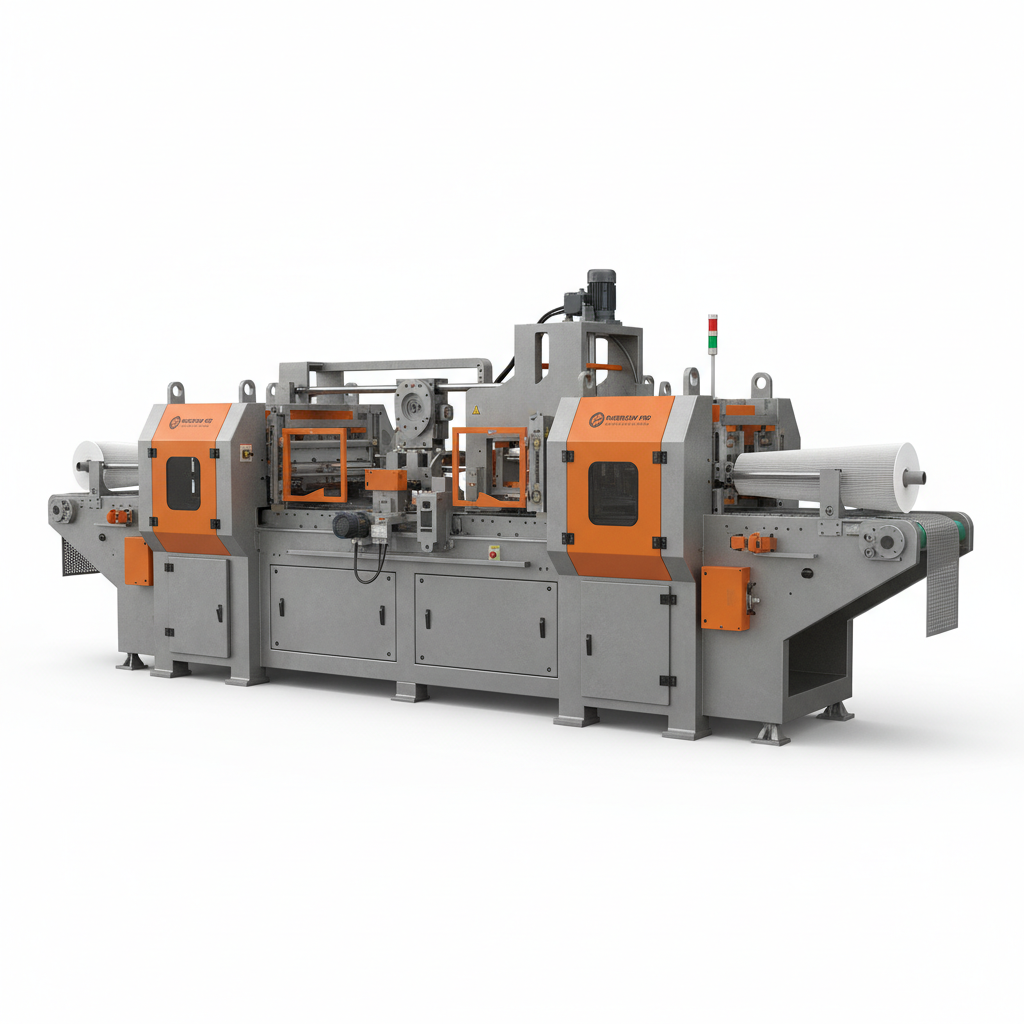
In the precision-driven world of automotive and industrial filtration, the integrity of a filter depends heavily on the bonding process. An adhesive gluing machine is not merely a piece of equipment but the heartbeat of the assembly line, ensuring that filter media are securely sealed to end caps and frames. Without a precise application of adhesive, the risk of leakages increases, which can lead to engine failure or compromised air quality in cabin environments.
Global demand for high-efficiency filtration systems has surged as emissions standards become more stringent and urban air pollution rises. This shift has pushed manufacturers to move away from manual gluing processes toward automated solutions. A modern adhesive gluing machine provides the repeatability and volumetric accuracy required to meet ISO standards, reducing waste and increasing the overall throughput of production facilities.
Understanding the nuances of gluing technology allows manufacturers to optimize their production lines for various product categories, from oil filters to high-efficiency air filters. By integrating advanced dispensing systems, companies can ensure a seamless bond that withstands extreme vibrations and temperature fluctuations. This comprehensive guide explores the critical role of the adhesive gluing machine in modern manufacturing and how it drives value in the filtration industry.
The Industrial Significance of Adhesive Gluing Machines
The implementation of an adhesive gluing machine represents a critical transition from artisanal assembly to industrial-scale precision. In the production of automotive air filters or oil filters, the bond between the potting compound and the filter element determines the product's lifespan. A failure in this area leads to "bypass," where unfiltered air or oil enters the system, potentially causing catastrophic engine wear.
Beyond simple adhesion, these machines ensure that the structural integrity of the filter remains intact under high-pressure environments. By utilizing programmable logic controllers (PLCs), manufacturers can adjust the bead width and volume to match specific product requirements, whether it's a heavy-duty truck filter or a compact cabin air filter, ensuring global compliance with safety and quality certifications.
Core Components of Precision Gluing Systems
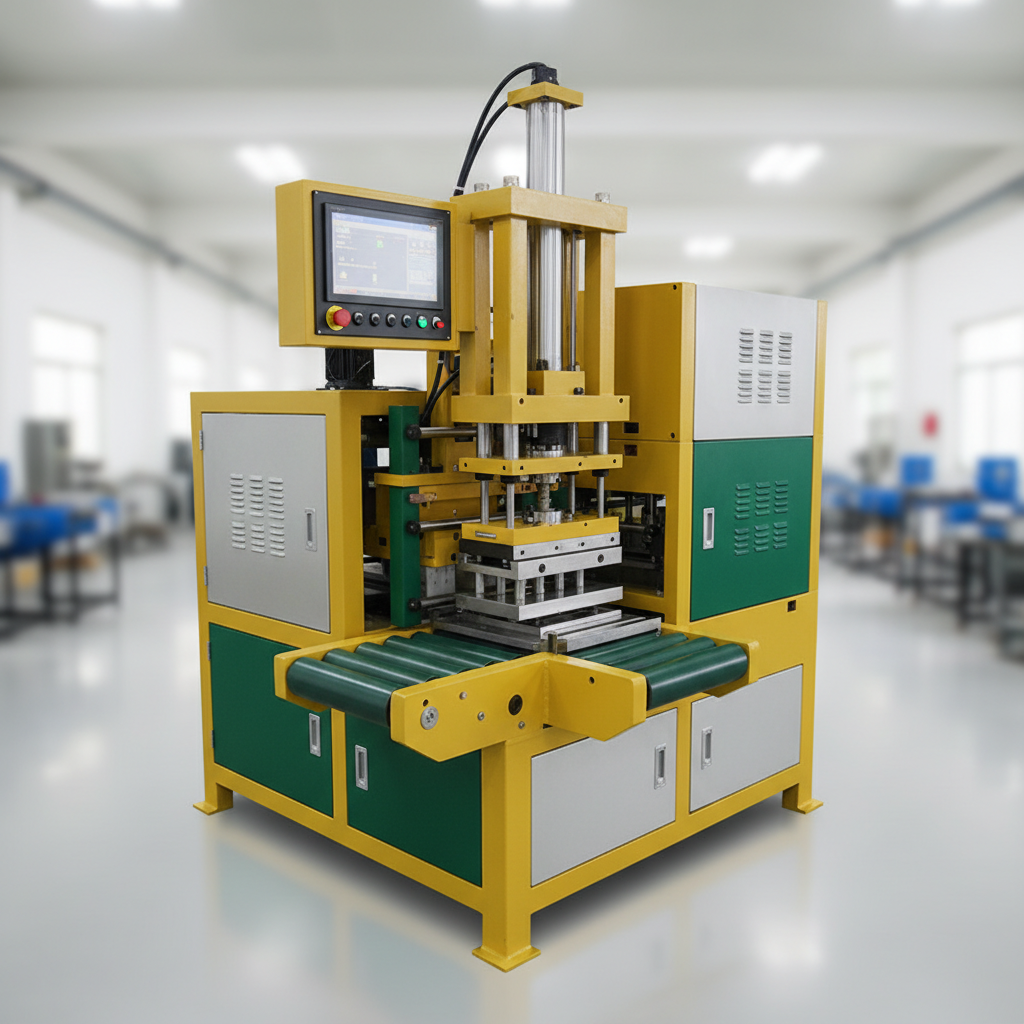
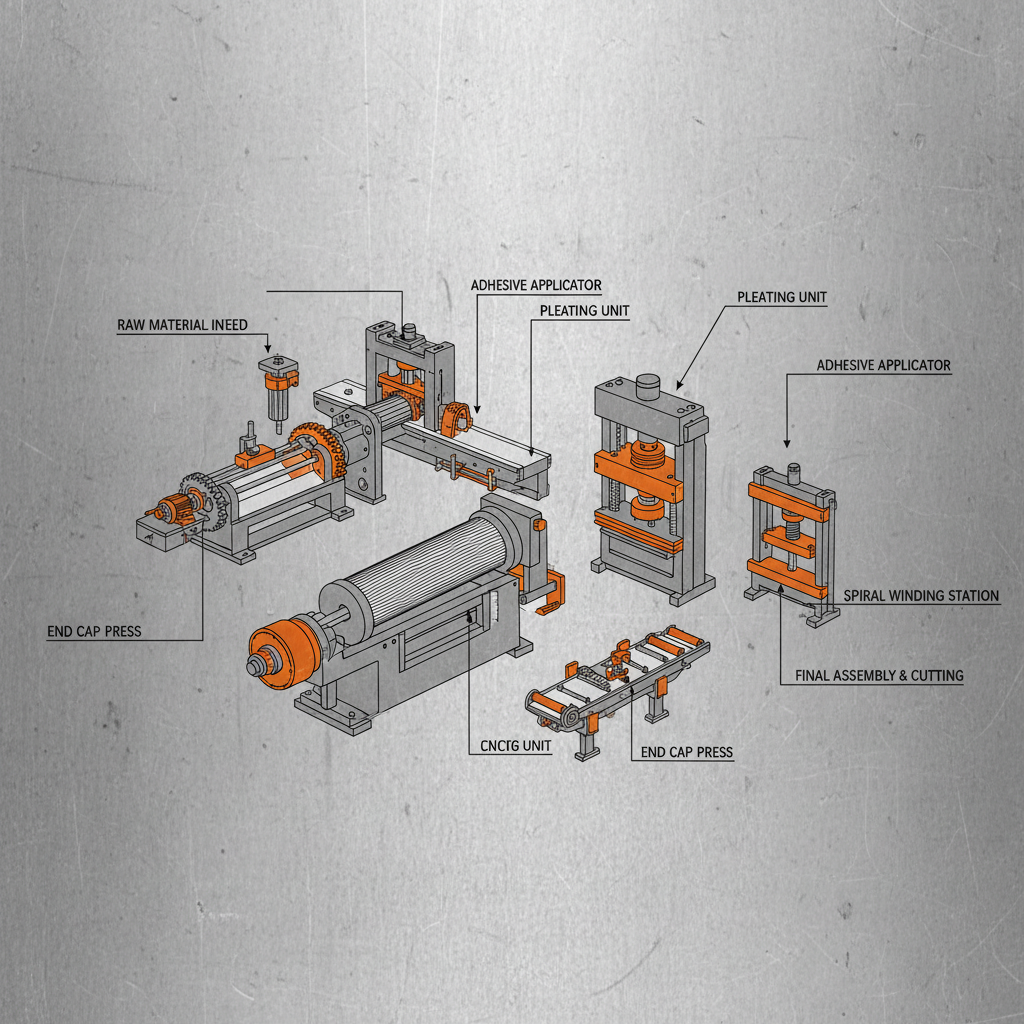
A high-performance adhesive gluing machine is comprised of several integrated modules that work in harmony. The dispensing head is the most critical part, often utilizing pneumatic or servo-driven actuators to ensure the adhesive is applied with micron-level accuracy. This prevents overflow, which could clog the filter media, or under-application, which would result in a leak.
The material feed system typically involves high-pressure tanks or precise metering pumps. Depending on the adhesive's viscosity—ranging from thin resins to thick polyurethanes—the system may include heating elements to maintain a consistent flow rate. This thermal stability is essential because temperature fluctuations can alter the adhesive's chemistry, leading to inconsistent curing times and bond strength.
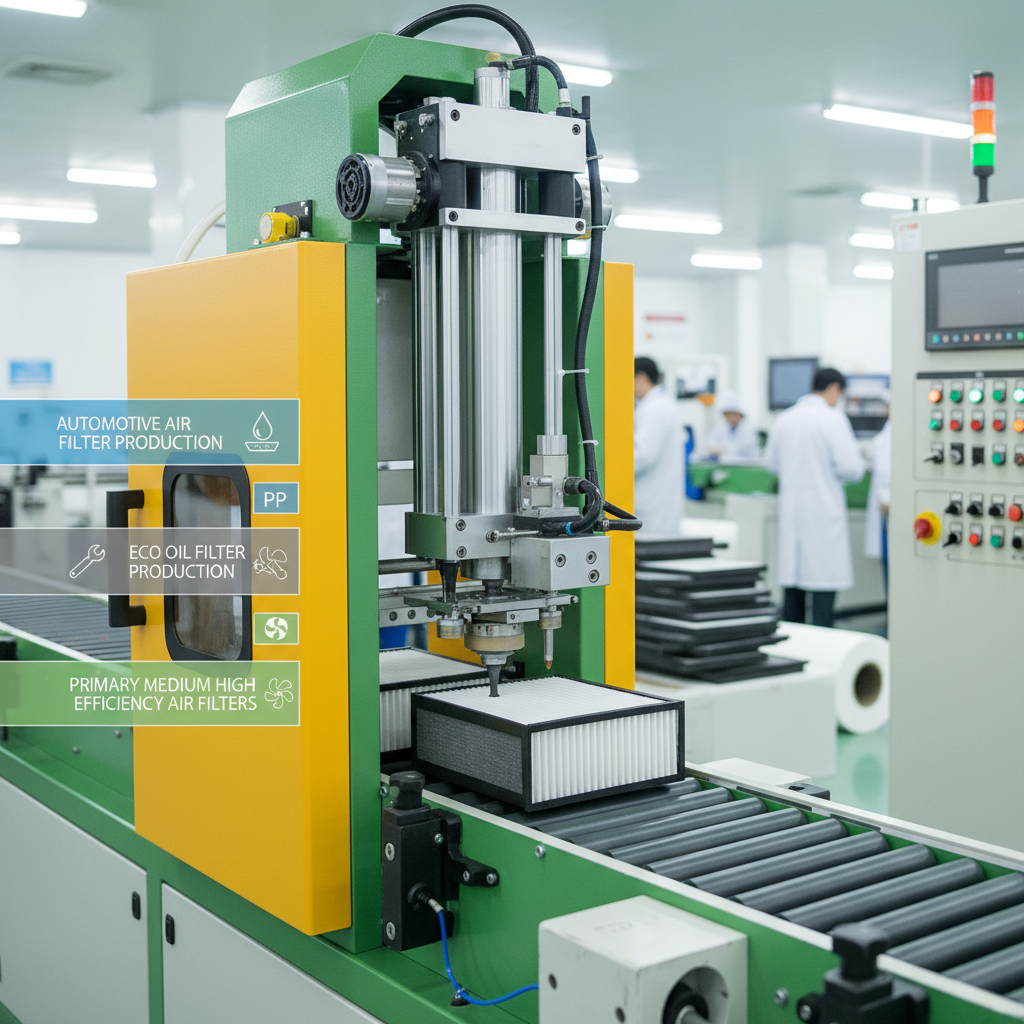
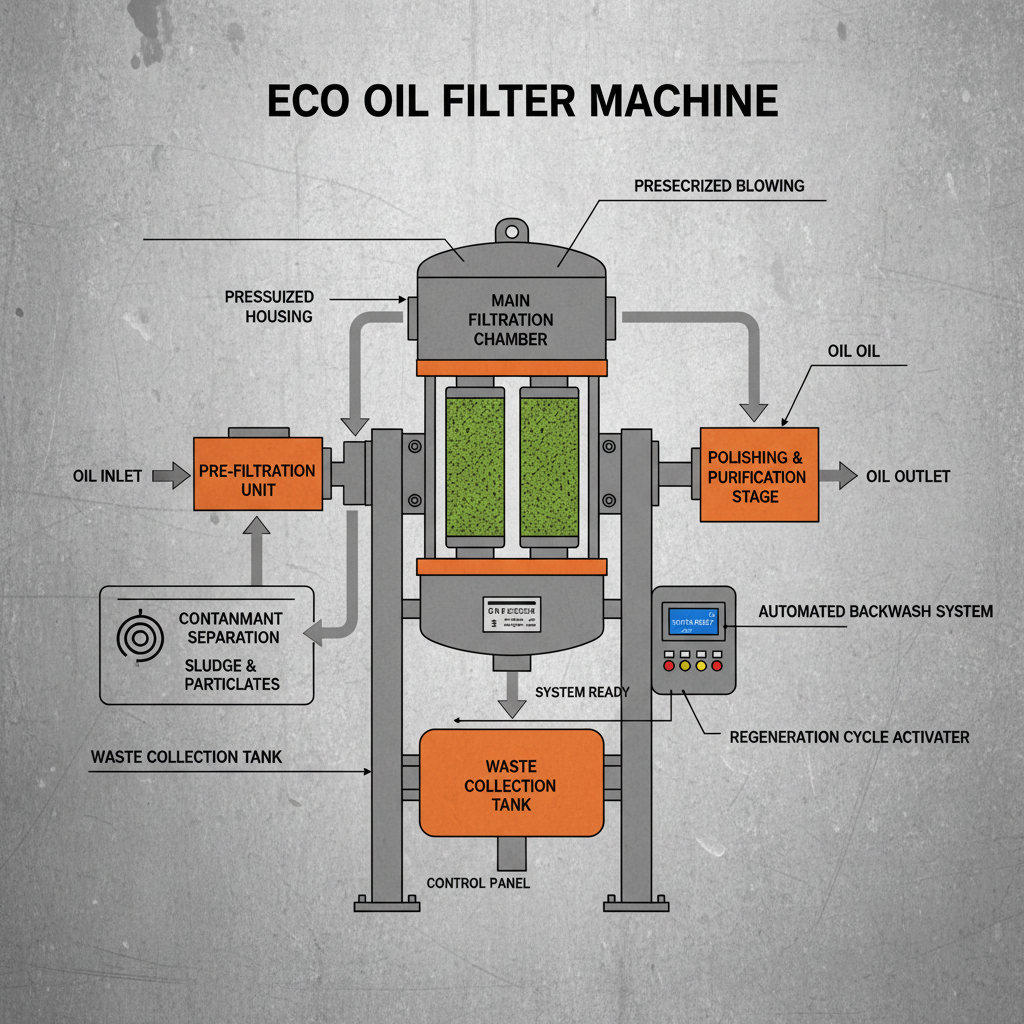
Finally, the control system acts as the brain of the operation. Modern interfaces allow operators to store recipes for different filter models, enabling rapid changeovers. This flexibility is vital for factories producing a wide range of products, from Eco Oil Filters to Primary Medium High Efficiency Air Filters, allowing them to maintain high OEE (Overall Equipment Effectiveness) scores.
Operational Mechanics and Bonding Science
The operational cycle of an adhesive gluing machine begins with the precise positioning of the filter component via an automated indexing system. Once the part is locked, the nozzle descends to a predetermined height, creating a controlled gap that determines the bead geometry. This geometric precision is what prevents air leaks in high-pressure automotive systems.
From a chemical perspective, the adhesive gluing machine must handle various bonding agents, such as epoxy resins or PU glues. The machine's ability to mix two-component adhesives in real-time—often through static mixers—ensures that the chemical reaction begins exactly at the point of application, maximizing the adhesive's "open time" and bonding potential.
Post-application, the machine often integrates with a curing station, whether it be UV-light based or thermal ovens. The synergy between the adhesive gluing machine and the curing process ensures that the bond is fully polymerized before the filter undergoes pressure testing, reducing the rate of rejects and increasing overall yield.
Performance Comparison of Gluing Methods
When evaluating the efficiency of an adhesive gluing machine, it is essential to compare different dispensing technologies. Manual application is prone to human error and inconsistent volumes, whereas semi-automated systems offer better control but lack the speed of fully robotic lines. Fully automated solutions provide the highest level of repeatability, which is non-negotiable for OEM automotive supplies.
The choice of technology directly impacts the cost per unit and the failure rate of the finished filter. By analyzing parameters such as cycle time, adhesive waste, and bond strength, manufacturers can determine the optimal investment path to scale their production.
Comparative Efficiency of Adhesive Gluing Machine Technologies
Global Applications across Filter Categories
The versatility of an adhesive gluing machine allows it to be deployed across diverse production lines. In the manufacture of Cabin Air Filters, the machine ensures a tight seal around the perimeter to prevent pollen and dust from bypassing the filter media. Similarly, for Spin-On Oil Filter production, the machine applies high-strength resins that can withstand the extreme thermal cycling of an internal combustion engine.
In industrial zones across Southeast Asia and Europe, these machines are integral to the production of Primary Medium High Efficiency Air Filters used in HVAC systems. The ability to handle large-diameter components while maintaining a consistent glue bead allows these regions to supply the global market with reliable air purification solutions that meet strict environmental and health standards.
Long-Term Economic and Quality Advantages
Investing in a professional adhesive gluing machine yields significant long-term savings. By reducing adhesive waste through volumetric control, companies can lower their raw material costs by 15-20%. More importantly, the reduction in scrap rates—products that fail pressure tests due to poor gluing—directly improves the bottom line and reduces the environmental impact of wasted materials.
From a brand perspective, the reliability provided by automated gluing builds trust with B2B clients and OEMs. When a filter is guaranteed to be leak-free, the manufacturer gains a competitive edge in the market. This reliability translates into lower warranty claims and a stronger reputation for quality and engineering excellence.
Furthermore, the transition to automated gluing improves worker safety. By removing employees from the immediate vicinity of volatile adhesive fumes and repetitive manual strain, companies foster a healthier workplace environment. This social impact, combined with economic efficiency, makes the automation of the gluing process a strategic necessity.
Future Trends in Automated Dispensing
The future of the adhesive gluing machine is leaning heavily toward "Industry 4.0" integration. We are seeing the rise of AI-driven vision systems that inspect the glue bead in real-time. If the system detects a gap or an irregularity, it can automatically adjust the flow rate or flag the part for inspection, creating a self-optimizing loop that ensures zero-defect manufacturing.
Sustainability is also driving innovation in adhesive materials. There is a growing shift toward bio-based, eco-friendly adhesives that offer the same strength as traditional chemicals but with a lower carbon footprint. Modern machines are being redesigned to handle these new materials, which often have different viscosity profiles and curing requirements.
Finally, the trend toward modularity allows manufacturers to scale their capabilities without replacing entire lines. New adhesive gluing machine modules can be snapped into existing production lines, enabling rapid adaptation to new filter designs, such as those required for electric vehicle (EV) battery cooling systems.
Strategic Analysis of Adhesive Gluing Machine Implementation
| Filter Category |
Required Bond Strength |
Gluing Precision Level |
Economic Impact |
| Cabin Air Filter |
Medium |
High (Air-tight) |
Low Waste / High Vol |
| Oil Filter (Spin-On) |
Very High |
Extreme (Pressure-rated) |
Critical Quality ROI |
| Truck Air Filter |
High |
Medium (Large Area) |
Labor Cost Reduction |
| Eco Oil Filter |
Medium-High |
High (Bio-material) |
Sustainability Gain |
| HEPA Filter |
Medium |
Extreme (Zero-leak) |
High Unit Value |
| Fuel Filter |
Very High |
Extreme (Chemical Res.) |
Risk Mitigation |
FAQS
An automated adhesive gluing machine eliminates the variability found in manual application. By using precise volumetric dosing and programmable bead paths, it ensures that there are no gaps in the sealant. This creates a continuous, airtight bond between the filter media and the housing, which is essential for maintaining high filtration efficiency and preventing unfiltered bypass.
Yes, most professional adhesive gluing machines are designed with modular dispensing heads and adjustable pressure settings. While the physical pump may vary slightly based on viscosity, many systems allow for quick-change nozzles and tanks. Advanced machines also feature heating jackets to maintain the optimal viscosity for various chemical compositions, ensuring versatility across product lines.
The most critical maintenance for an adhesive gluing machine is the cleaning of the dispensing nozzles to prevent curing and clogging. Regular calibration of the metering pumps is also necessary to ensure volume accuracy. Daily checks on pneumatic seals and weekly lubrication of moving servo-parts help maintain the machine's precision and extend its operational lifespan.
Absolutely. While the initial investment is higher than manual labor, the reduction in material waste and the decrease in product reject rates often lead to a return on investment (ROI) within 12-18 months. For smaller shops, a semi-automated adhesive gluing machine can provide a balanced entry point, offering high precision without the complexity of a fully robotic line.
Nozzle selection depends on the required bead width and the viscosity of the adhesive. A wider nozzle is used for potting large gaps, while a narrow, precise tip is used for perimeter sealing. It is recommended to conduct a trial with different diameters to find the balance between flow speed and bead stability, ensuring no sagging or overflowing occurs.
Modern high-end adhesive gluing machines come equipped with PLC interfaces that can connect to a factory's MES (Manufacturing Execution System). This allows for real-time tracking of adhesive consumption, cycle times, and error logs. This data is invaluable for quality audits and for implementing continuous improvement (Kaizen) strategies on the production floor.
Conclusion
In summary, the adhesive gluing machine is a cornerstone of modern filtration manufacturing, bridging the gap between raw materials and a high-performance finished product. By ensuring volumetric precision, chemical consistency, and structural integrity, these machines enable the production of filters that meet the rigorous demands of the automotive and industrial sectors. From reducing operational waste to enhancing product safety, the value of automated gluing is evident in every leak-proof seal.
Looking forward, the integration of AI and sustainable materials will further revolutionize the dispensing process, making production lines leaner and greener. For manufacturers aiming to scale their operations while maintaining uncompromising quality, investing in advanced gluing technology is no longer an option—it is a strategic imperative. To explore the best solutions for your production line, visit our website: www.mfiltersolution.com