Mar . 03, 2026
The demand for high-quality air filters is continually increasing across various industries, from automotive and HVAC to industrial manufacturing and environmental protection. Central to meeting this demand is efficient and reliable PU air filter producing machines. This article provides an in-depth look at these machines, their benefits, key features, applications, and factors to consider when choosing the right equipment for your business. Investing in the right machinery is crucial for producing consistent, high-performing air filters that meet stringent industry standards.
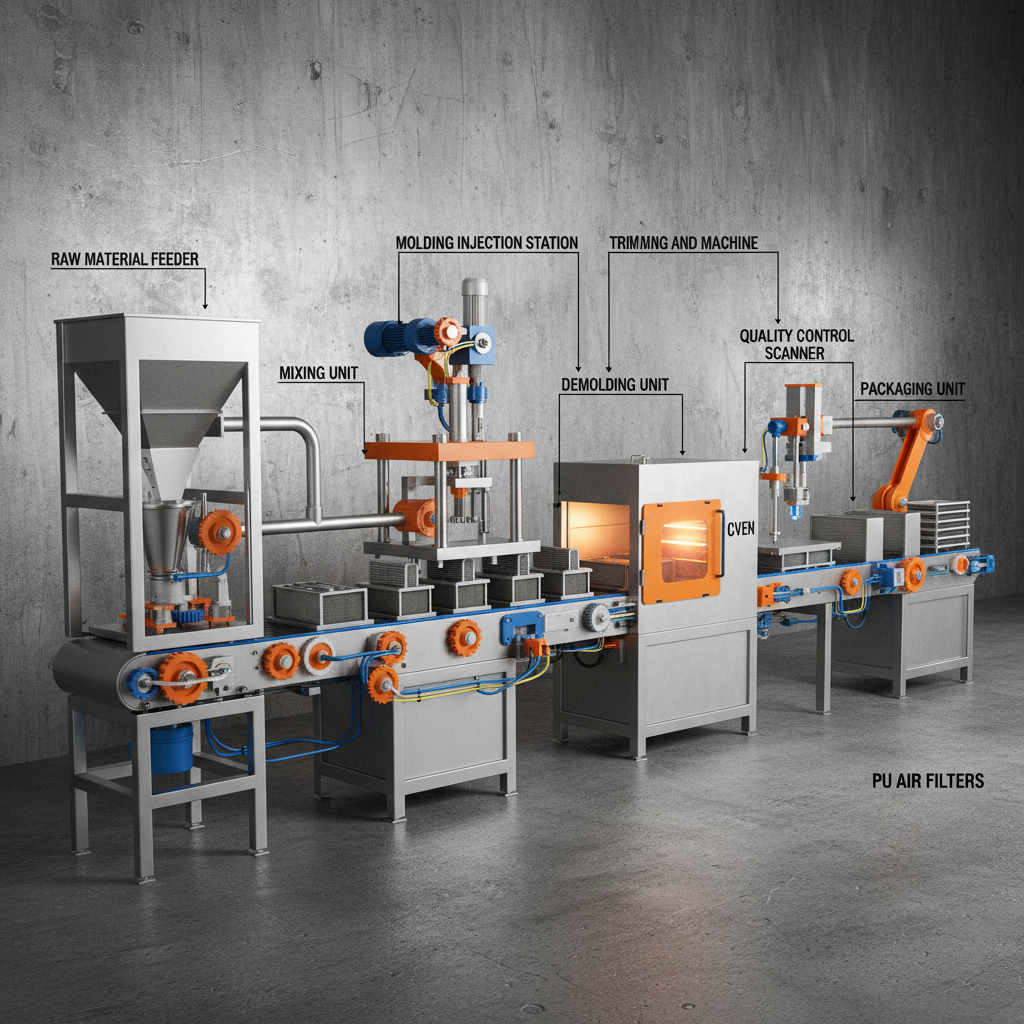
PU (Polyurethane) air filters are renowned for their excellent filtration efficiency, durability, and resistance to harsh environments. The machines responsible for their production integrate various processes, typically including foam forming, cutting, sealing, and sometimes, pleating. These machines are designed for both small-scale and large-scale production, catering to diverse business needs. Automation plays a significant role in modern PU air filter producing machines, enhancing efficiency, reducing labor costs, and ensuring consistent product quality. MFilter Solution offers a range of these machines designed for optimal performance and reliability.
Key Benefits: Increased production efficiency, reduced labor costs, consistent product quality, and the ability to meet growing market demand.
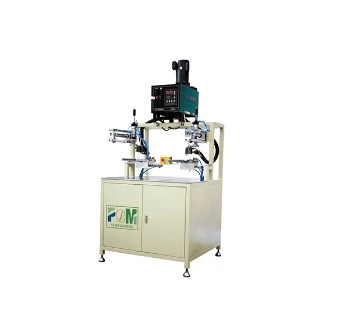
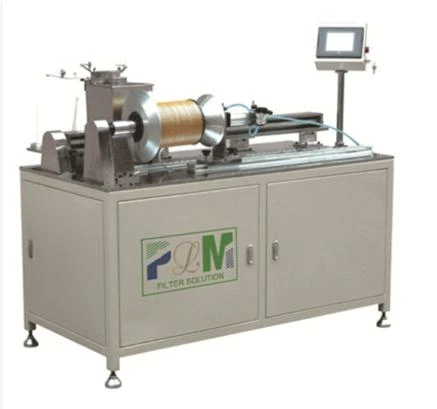
A typical PU air filter producing machine consists of several essential components working in harmony. These include a foam dispensing unit, a mold system to shape the foam, a cutting mechanism (often utilizing ultrasonic or hot wire technology), a sealing system to create a robust filter frame, and a control panel for managing the entire process. Advanced machines might also feature automated material handling systems and quality control sensors. Understanding the function of each component is critical for efficient operation and maintenance.
Essential Components:
• Foam Dispensing Unit
• Mold System
• Cutting Mechanism
• Sealing System
• Control Panel
Several types of PU air filter producing machines are available, each with its strengths and weaknesses. Fully automatic machines offer the highest throughput and minimal operator intervention, ideal for large-scale production. Semi-automatic machines require some manual operation, offering a balance between cost and efficiency. Manual machines are suitable for small-scale production or prototyping, but require significant labor input. The choice depends on your production volume, budget, and labor availability. MFilter Solution can help you determine the best machine type for your specific needs.
PU air filters produced by these machines find applications in a wide range of industries, including automotive (cabin air filters), HVAC systems (residential and commercial), industrial ventilation, air purification, and even medical devices. The ability to customize filter dimensions, density, and pore size makes PU filters incredibly versatile. Demand is particularly strong for filters that can effectively capture fine particulate matter and allergens, contributing to improved air quality.
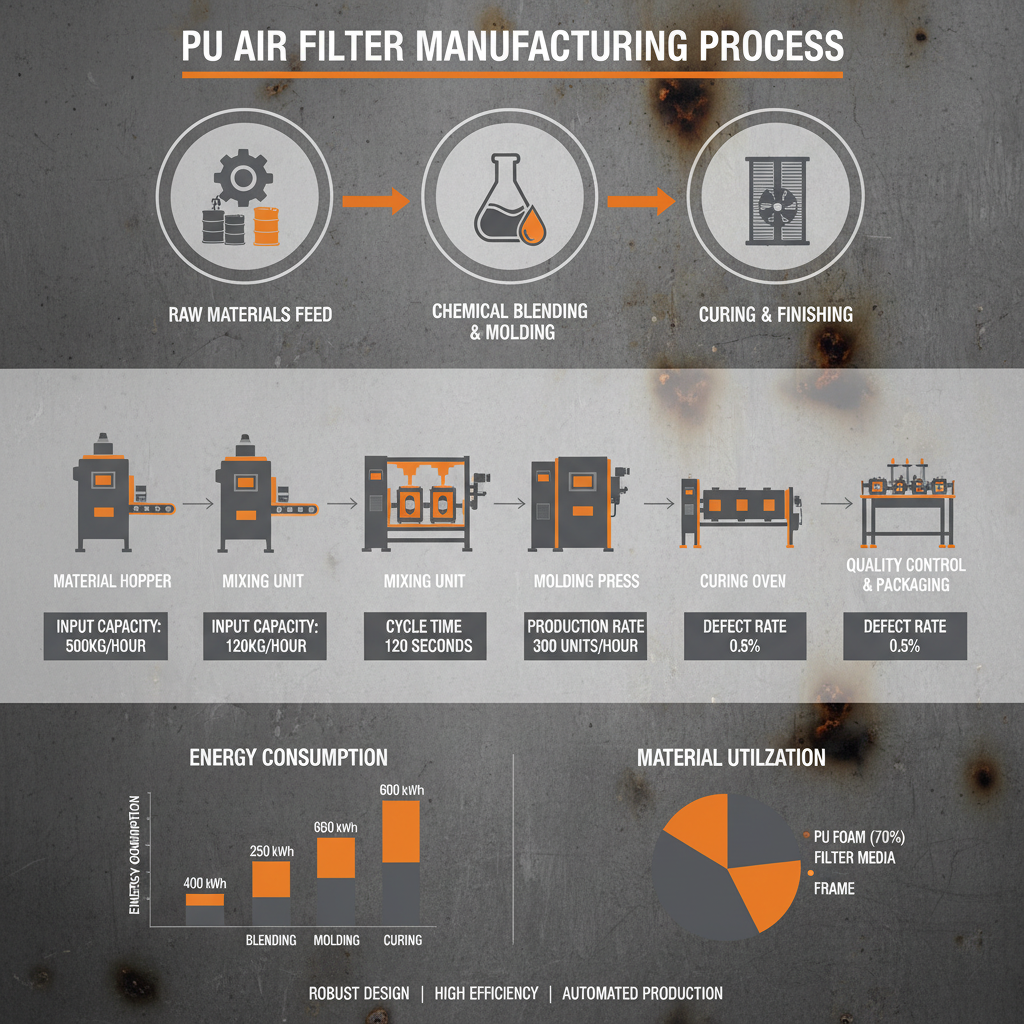
Choosing the right machine requires careful consideration of several factors. These include your production capacity, budget, available floor space, and the type of filters you intend to produce. Also, consider the level of automation, the machine's energy efficiency, and the availability of after-sales service and technical support. MFilter Solution provides detailed consultations to help you select the optimal machine for your specific application.
Investing in a high-quality PU air filter producing machine is a strategic move for businesses aiming to capitalize on the growing demand for air filtration solutions. By carefully evaluating your needs and choosing the right equipment, you can ensure efficient production, consistent quality, and a strong competitive advantage. Don't hesitate to explore the options available and partner with a reputable supplier like MFilter Solution.
Regular maintenance is crucial for ensuring optimal performance and longevity. This typically includes daily cleaning of the foam dispensing unit, periodic inspection and lubrication of moving parts, and occasional replacement of wear items such as cutting blades or sealing elements. Following the manufacturer’s recommended maintenance schedule is essential. Preventative maintenance can significantly reduce downtime and extend the machine's lifespan. MFilter Solution offers comprehensive maintenance packages and technical support to assist customers.
Most PU air filter producing machines are designed to accommodate a variety of PU foam densities and formulations. However, it's essential to ensure compatibility with the machine's dispensing system and cutting mechanism. Generally, open-cell PU foam is the most commonly used material for air filters, as it offers excellent airflow and filtration efficiency. It’s best to consult with MFilter Solution’s technical team to confirm the suitability of specific foam types for your machine.
Safety is paramount in the design of PU air filter producing machines. Common safety features include emergency stop buttons, safety guards around moving parts, and overload protection systems. Many machines also incorporate interlocks that prevent operation if safety guards are not in place. Proper training for operators is crucial to ensure they understand and adhere to all safety protocols.
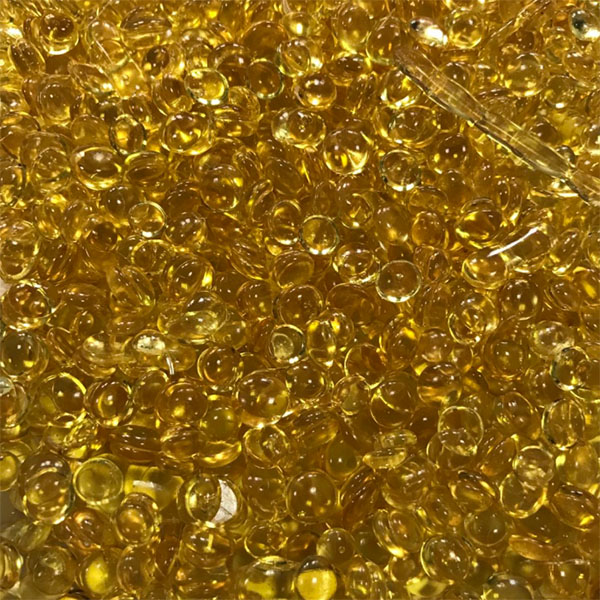
High-Performance Hot Melt Adhesive for Automated Production Lines
Choosing the Best Silk Screen Printing Machines