The Unsung Hero of Your Morning Brew: Coffee Filter Paper
Have you ever stopped to wonder what makes your morning coffee so smooth and clean? Aside from the beans and the barista’s skill, a simple yet vital element plays a crucial role: coffee filter paper. This unassuming product might not grab headlines, but globally it impacts everything from economic efficiency in coffee production to sustainable waste management. Understanding coffee filter paper is important not just for coffee enthusiasts but also for industries and communities relying on consistent, hygienic filtration solutions.
Honestly, one might say it's the silent MVP in the bustling coffee industry — something so ubiquitous yet so integral that ignoring it would be downright negligent.
Why Coffee Filter Paper Matters on a Global Scale
Coffee is among the world's most traded agricultural commodities, with over 170 million 60-kg bags produced yearly (International Coffee Organization, 2023). Behind this colossal figure lies the quiet but essential use of coffee filter paper that helps ensure quality and safety. From massive industrial roasters in Brazil to small cafes in Europe, this product bridges the gap between raw coffee grounds and that perfect cup.
Furthermore, as industries push for sustainability and waste reduction, coffee filter paper is evolving to meet global environmental standards. ISO has even standardized aspects concerning filter papers’ biodegradability and strength (ISO 4474:2019).
The problem, though? Not all coffee filters are created equal, and many cheaper options can compromise taste or harm the environment. This calls for an informed choice backed by science and industry know-how.
What Exactly Is Coffee Filter Paper?
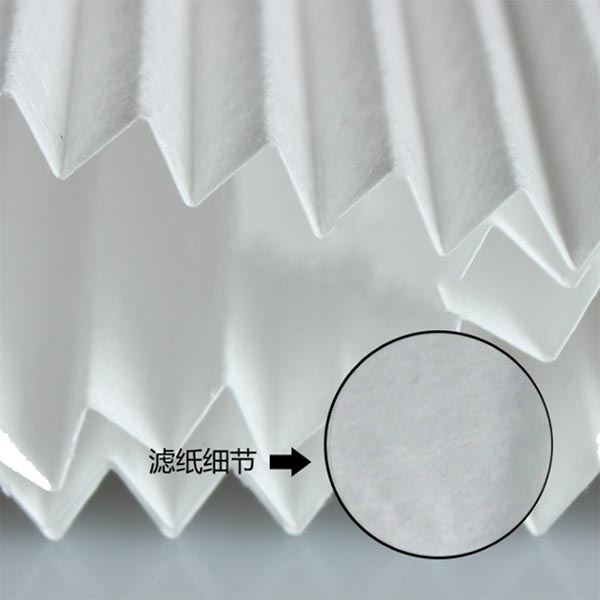
Simply put, coffee filter paper is a specially manufactured, porous paper designed to trap coffee grounds while letting water and essential oils pass through, crafting that perfect extraction. Made primarily from cellulose fibers, it’s generally bleached or unbleached, depending on requirements.
What’s fascinating is how this humble filter ties into broader issues — say, in humanitarian contexts where clean water filtration is necessary, or in industries using filtration for other liquids. So, coffee filter paper isn’t just a kitchen supply; it’s a technically nuanced product with applications ranging from sustainability to sanitation.
Key Factors That Define Great Coffee Filter Paper
Durability
Filter papers must withstand multiple brewing cycles without collapsing or tearing under pressure. Strength varies by fiber content and density.
Porosity & Filtration Precision
The pore size affects extraction time and clarity. A finer pore size filters out more sediment but can slow down brewing — something that coffee experts debate endlessly.
Material & Sustainability
Most filters today are biodegradable, but the sourcing of fibers and bleaching chemicals impact the environmental footprint. Organic and compostable options are increasingly popular.
Compatibility
Different coffee machines require various shapes and sizes, from flat-bottomed filters to cone-shaped ones. A mismatch affects brewing and flavor experience.
Cost Efficiency
Mass production reduces costs, but the hidden values lie in consistency and reducing waste — a better filter can cut grounds lost in cups, saving money long term.
Mini takeaway:
Choosing the right coffee filter paper depends on a balance of durability, filtration quality, sustainability, and machine compatibility — and yes, it influences your coffee’s taste!
Real-World Use Cases: Where Coffee Filter Paper Makes a Difference
Around the world, coffee filter paper finds surprising applications beyond your local café:
- In Ethiopia and Colombia: Coffee growers rely on specialized filter papers to test bean quality before shipment, ensuring only the best reaches export markets.
- Industrial Coffee Production: Large-scale producers utilize high-grade filter papers to maintain consistent flavor profiles across millions of cups supplied globally.
- Humanitarian Efforts: In regions where water filtration is scarce, adapted coffee filter paper sometimes doubles as a makeshift filter to improve water potability temporarily.
- Zero-Waste Cafes in Europe: Many cafés exclusively use biodegradable filters to align with sustainable branding and reduce landfill waste.
Oddly enough, these practical applications highlight how a simple product integrates with complex supply chains and cultural practices worldwide.
Advantages of High-Quality Coffee Filter Paper
Let’s get real: beyond clean coffee, what tangible benefits do these filters offer?
- Sustainability: Choosing compostable filters reduces environmental impact drastically. Paper filters typically break down within 4-6 weeks in composting conditions.
- Cost Efficiency: Consistent filtering means less coffee waste and cleaned equipment, translating to savings over time.
- Health & Safety: Filters prevent fine grounds and potential contaminants from reaching your cup, ensuring safer consumption.
- Emotional Impact: There’s something comforting about a fresh brew free of grit — it enhances the morning ritual, creates a moment of calm.
Product Specification Table
| Specification |
Details |
| Material |
100% Natural Cellulose Fibers (Unbleached/Bleached) |
| Dimensions |
102 mm diameter (pour-over), or flat rectangular sheets |
| Pore Size |
15-25 microns typical |
| Biodegradability |
Composts within 4-6 weeks under standard conditions |
| Compatibility |
Fits major drip coffee makers and manual pour-over cones |
Top Vendors Compared: Finding the Right Partner
| Vendor |
Material Source |
Sustainability Certifications |
Average Price (per 100 units) |
Global Shipping |
| FilterTech Co. |
Forest Stewardship Council (FSC) Certified Wood Pulp |
FSC, ISO 14001 |
$15.50 |
Yes |
| GreenBrew Filters |
Agricultural Waste Fiber |
Compostable Cert., OEKO-TEX |
$18.00 |
Limited |
| PurePaper Supplies |
Recycled Paper Blend |
None |
$12.75 |
Yes |
Looking Ahead: Innovations in Coffee Filter Paper
Technology and environmental concerns are nudging the coffee filter industry towards greener, smarter solutions. Innovations include:
- Nanofiber Filters: Ultra-thin filters allowing better extraction and lower waste.
- Reusable Filters Coated with Biopolymers: Merging eco-friendliness with durability.
- Digital Quality Control: Using image recognition and AI to detect defects in filters at scale.
- Supply Chain Transparency: Blockchain to authenticate sourcing and sustainability claims.
These advances promise a brighter, cleaner, and more efficient coffee experience for everyone involved — from farmer to cup.
Common Challenges and How Experts Solve Them
Any coffee aficionado knows that not all filters behave predictably. Issues include clogging, fiber shedding, and inconsistent size. Many manufacturers now employ:
- Strict Quality Testing: ISO-standardized strength and pore size verification.
- Eco-Friendly Bleaching: Avoiding chlorine-based chemicals.
- Custom Sizing: Tailoring filters for specialty machines.
Ultimately, expert hands and smart sourcing help overcome these limitations.
FAQ: What You Need to Know About Coffee Filter Paper
Q1: What material is best for coffee filter paper – bleached or unbleached?
Both have pros and cons. Bleached filters produce cleaner cups visually and typically have finer pores but can use chemicals in processing. Unbleached filters are more natural and eco-friendly but might slightly alter flavor or add color tint.
Q2: Can I reuse coffee filter papers?
Generally, no. Paper filters are designed for single-use to maintain filtration quality and prevent bacterial growth. For reusability, consider metal or cloth filters.
Q3: How do I know if my coffee filter paper is compostable?
Look for certifications like ASTM D6400 or EN 13432 on packaging. Also, avoid filters with plastic lining unless specified biodegradable.
Q4: What sizes are standard for coffee filter papers?
Common sizes range from small round filters (e.g., 102 mm diameter) for single-cup pour-over brewers to larger basket-style filters for drip machines. Matching filter size with your coffee maker is essential.
Q5: Can coffee filter paper affect taste?
Yes — poor-quality filter paper might impart papery or chemical flavors. Using high-quality, pure-fiber filters enhances coffee clarity and taste purity.
In Summary — Why Coffee Filter Paper Still Matters
It might seem odd to wax poetic about something as mundane as coffee filter paper, but its long-term contribution to coffee culture, environmental sustainability, and even social initiatives should not be underestimated. A carefully chosen, high-quality coffee filter paper improves taste, supports eco-friendly practices, and smooths the complex journey from bean to cup.
So, next time you’re brewing, spare a thought for that thin sheet doing the heavy lifting. Curious to learn more or find the best options? Visit our website: coffee filter paper and start your journey toward smarter brewing today.
References:
- International Coffee Organization Statistics
- ISO 4474:2019 - Paper and board — Test methods for biodegradability
- Wikipedia: Coffee