Mar . 07, 2026
The demand for clean air, especially within vehicle cabins, is continually rising. This has fueled the growth of the cabin air filter industry. Manufacturers are constantly seeking efficient and reliable solutions to meet this demand. A cabin air filter making machine is the cornerstone of modern production, allowing for high-volume, consistent quality, and cost-effective manufacturing. This article delves into the intricacies of these machines, exploring their features, benefits, types, and what to consider when investing in one. Understanding these machines is vital for anyone involved in the production of automotive filters and related air purification systems.
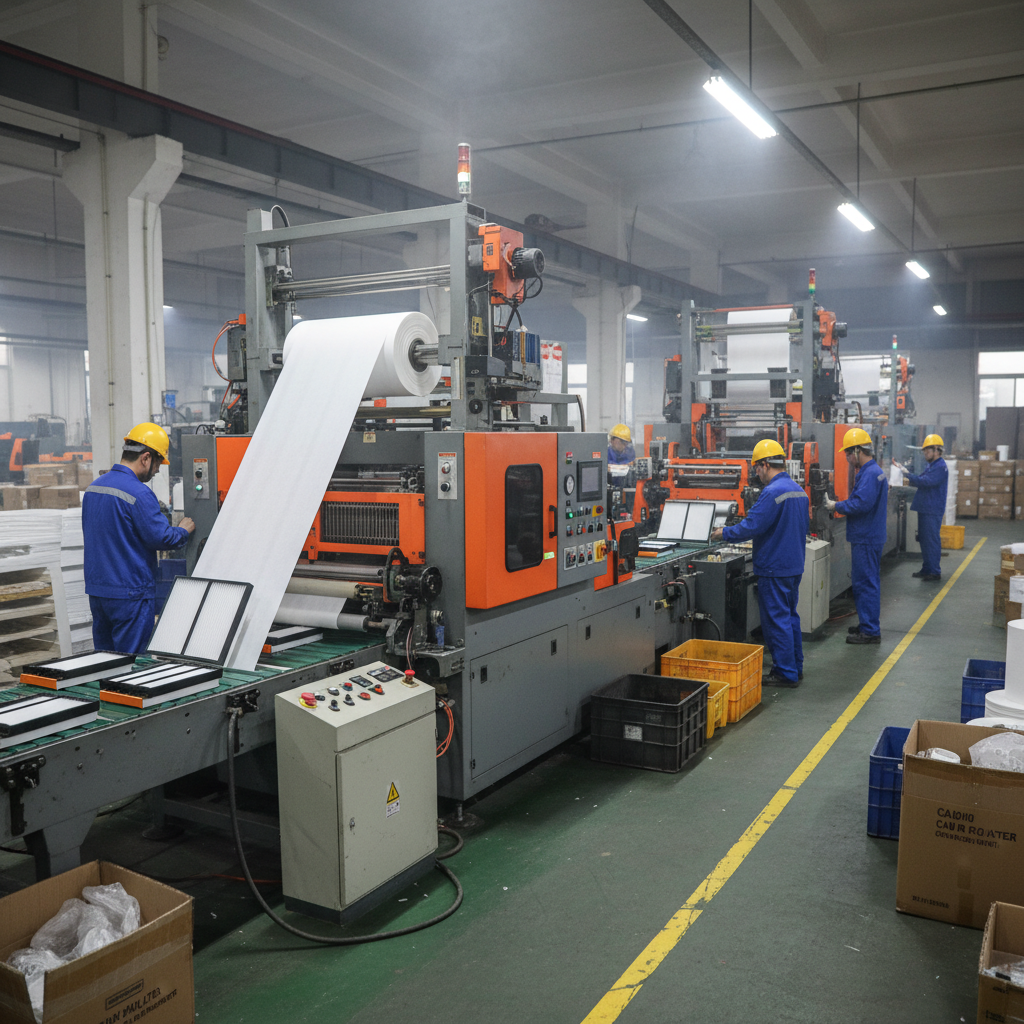
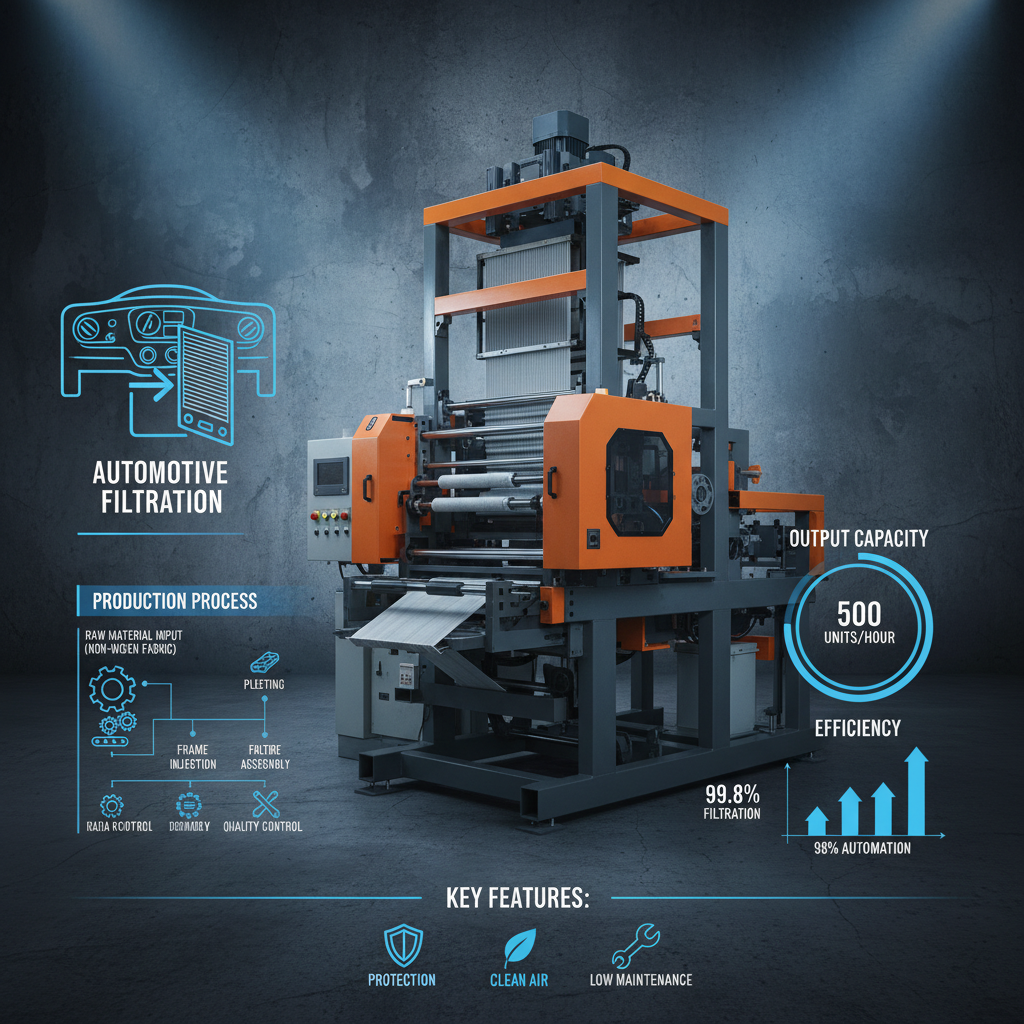
A typical cabin air filter making machine integrates several key components to achieve a fully automated production process. These include an unwinding unit for filter media, a pleating module to create the corrugated filter structure, a hot melt adhesive applicator for sealing, and a frame assembly system. Modern machines often incorporate automated quality control systems with sensors and cameras to identify defects. The control system, typically a PLC (Programmable Logic Controller), orchestrates all these processes, ensuring precision and repeatability. Investing in a machine with robust components and a reliable control system is essential for long-term operational efficiency. MFilter Solution provides comprehensive solutions, including customized machine designs to meet specific production needs.
Key Components: Unwinding Unit, Pleating Module, Adhesive Applicator, Frame Assembly, Quality Control System, PLC Control.
Cabin air filter machines come in varying degrees of automation and capacity. The most common types are: Fully Automatic Machines: These require minimal operator intervention, handling all aspects of the production process from media unwinding to finished product output. They are ideal for high-volume production. Semi-Automatic Machines: These require some manual input, such as loading filter media or assembling frames. They offer a balance between automation and cost-effectiveness. Manual Machines: These are typically used for small-scale production or prototyping. They rely heavily on operator skill and labor. The choice of machine depends on production volume, budget, and desired level of automation.
Machine Type Comparison:
• Fully Automatic: High Volume, Minimal Labor, High Initial Investment
• Semi-Automatic: Medium Volume, Some Labor, Moderate Investment
• Manual: Low Volume, High Labor, Low Investment
Selecting the right cabin air filter making machine requires careful consideration of several key features. Production Capacity: Match the machine's output to your anticipated demand. Filter Size Range: Ensure the machine can accommodate the dimensions of the filters you intend to produce. Media Compatibility: Verify the machine can handle the types of filter media you use (e.g., non-woven fabrics, activated carbon). Precision and Accuracy: Look for machines with precise pleating and adhesive application to ensure consistent filter quality. Automation Level: Choose a level of automation that aligns with your budget and labor availability. MFilter Solution's machines are designed for flexibility and precision.
Investing in a dedicated cabin air filter making machine offers numerous benefits. It significantly increases production capacity, reduces labor costs, and improves product consistency. Automation minimizes human error, leading to higher quality filters. The ability to quickly adapt to changing market demands and produce filters in various sizes and configurations provides a competitive advantage. Furthermore, by controlling the entire production process in-house, manufacturers can reduce reliance on external suppliers and improve supply chain resilience.
The cost of a cabin air filter making machine can vary significantly depending on several factors. These include the level of automation, production capacity, features, and the manufacturer. Fully automatic machines with high capacity will naturally be more expensive than semi-automatic or manual machines. Customization options and after-sales service also contribute to the overall cost. It’s crucial to carefully evaluate your needs and budget before making a decision. MFilter Solution offers competitive pricing and financing options to help you acquire the right machine for your business.
Investing in a cabin air filter making machine is a strategic move for businesses looking to enhance efficiency, reduce costs, and improve product quality. By carefully considering your production needs, budget, and the key features discussed in this article, you can select a machine that optimizes your operations and positions you for success in the growing cabin air filter market.
Most modern cabin air filter making machines are designed to handle a wide range of filter media, including non-woven fabrics, melt-blown fabrics, activated carbon paper, and composite materials. The machine's unwinding unit and pleating module are typically adjustable to accommodate different media thicknesses and widths. However, it's crucial to verify with the manufacturer that the machine is compatible with the specific media you intend to use, especially if you are working with specialized or unconventional materials.
The lead time for a custom-built cabin air filter making machine can vary depending on the complexity of the design, the availability of components, and the manufacturer's production schedule. Generally, you can expect a lead time of 8 to 16 weeks from the date of order confirmation. It's advisable to discuss your specific requirements and timeline with the manufacturer early in the process to ensure a smooth and timely delivery.
Reputable cabin air filter machine manufacturers typically offer comprehensive after-sales service and support, including installation assistance, operator training, preventative maintenance programs, and readily available spare parts. They should also provide technical support via phone, email, or on-site visits.
Modern cabin air filter making machines incorporate several safety features to protect operators. These include emergency stop buttons, safety guards on moving parts, interlocks that prevent operation when guards are removed, and overload protection for motors.
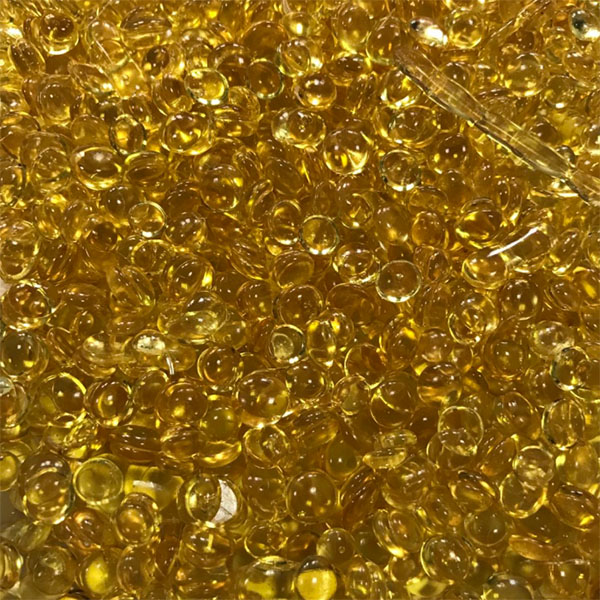
High-Performance Hot Melt Adhesive for Automated Production Lines

High Quality Honeycomb Carbon Air Filters – Efficient Industrial Air Purification Solutions