Apr . 09, 2026
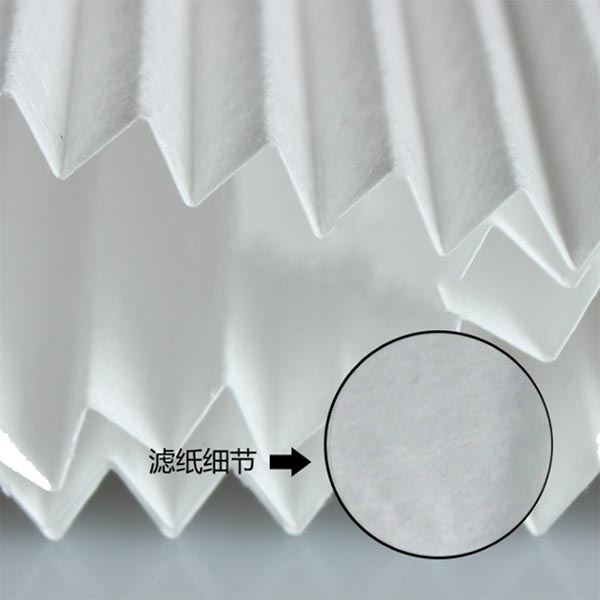
In the world of industrial filtration, the precision of pleating determines the overall performance and lifespan of a filter element. A professional knife pleating machine is essential for creating uniform, sharp folds that maximize the surface area of the filter media. Whether you are producing air filters, oil filters, or specialized industrial separators, the ability to maintain consistent pleat depth and spacing is critical. By utilizing advanced mechanical pleating technology, manufacturers can ensure high dust-holding capacity and lower pressure drops. In this guide, we will explore the technical advantages, operational efficiency, and selection criteria for these indispensable machines.
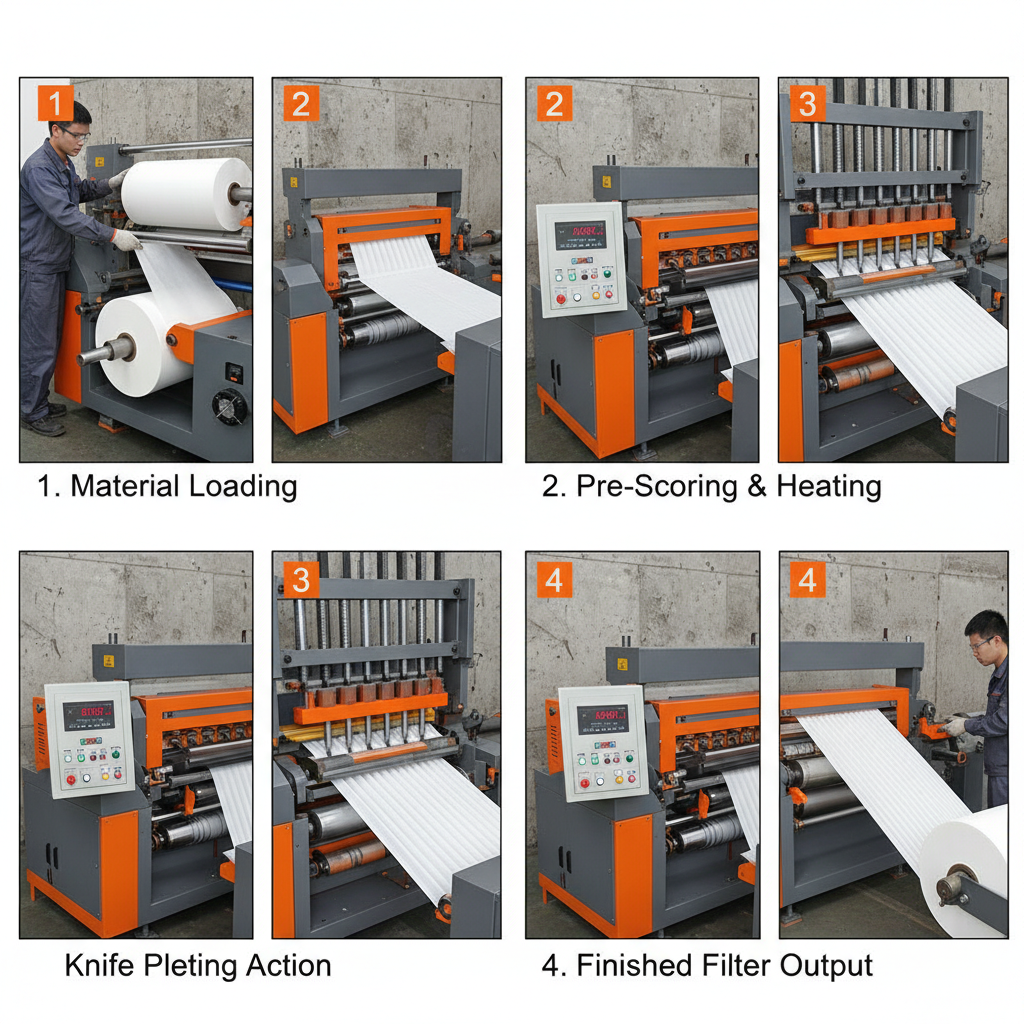
The core mechanism of a knife pleating machine involves a precision-engineered knife blade that moves in a synchronized motion with the feeding rollers. As the filter media is fed into the machine, the knife creates a fold at a precise angle, ensuring that every pleat is identical. This mechanical consistency prevents "pleat bunching," which can lead to uneven airflow and premature filter failure. Modern machines often incorporate servo-motor controls to allow operators to adjust pleat height and pitch digitally, providing unprecedented flexibility for different media types, from thin non-woven fabrics to heavy-duty synthetic papers.
Technical Insight: The precision of the knife edge and the synchronization of the drive system are the two most critical factors in determining the quality of the final filter pleats.
Transitioning from manual or basic folding methods to an automated knife pleating machine offers significant operational upgrades. Firstly, production speed is exponentially increased, allowing for high-volume manufacturing without sacrificing quality. Secondly, the uniformity of the pleats ensures that the effective filtration area is fully utilized, which directly improves the filter's efficiency rating. Furthermore, the reduction in manual labor minimizes human error and material waste, leading to a more sustainable and cost-effective production line.
Operational Benefits:
• Increased surface area for better filtration capacity
• Consistent pleat geometry reducing airflow resistance
• High-speed automation for industrial-scale output
• Compatibility with diverse filter media materials
When comparing a specialized knife pleating machine to conventional folding techniques, the difference in precision is stark. Conventional methods often suffer from inconsistent pleat widths, which creates "dead zones" in the filter where air does not pass efficiently. In contrast, knife pleating ensures a perfect mathematical distribution of the media. This is especially critical for high-pressure environments where any irregularity in the pleat can lead to structural collapse of the filter element.
The versatility of a knife pleating machine makes it a cornerstone in various manufacturing sectors. In the automotive industry, it is used to create high-efficiency air and oil filters that protect engines from contaminants. In the HVAC sector, it is used to produce large-scale pleated filters for commercial building ventilation. Furthermore, the medical industry relies on this technology for creating the precise folds found in high-grade HEPA filters used in cleanrooms. Regardless of the application, the goal remains the same: maximizing the contact area between the fluid (air or liquid) and the filter media.
When selecting a knife pleating machine, it is crucial to look beyond the price and analyze the technical specifications. The width of the pleating area determines the maximum size of the filter you can produce, while the adjustable pleat depth allows for different "densities" of filtration. High-end machines will feature PLC (Programmable Logic Controller) systems that allow for the storage of multiple recipes, enabling quick changeovers between different product models. Below is a typical specification table for an industrial-grade unit:
To ensure that your knife pleating machine continues to deliver high-precision results, a strict maintenance schedule is required. The most critical component—the knife blade—must be inspected regularly for wear and tear. A dull blade can cause "fraying" of the filter media, which creates leak paths and reduces the overall efficiency of the filter. Regular lubrication of the driving chains and calibration of the servo motors ensure that the timing remains perfect. Investing in a high-quality machine from a reputable supplier ensures that replacement parts are available, reducing downtime during peak production periods.
Integrating a high-performance knife pleating machine into your production line is a strategic move for any filtration manufacturer. By ensuring unmatched precision, increasing throughput, and minimizing material waste, these machines allow businesses to compete in a market where quality and efficiency are paramount. Whether you are upgrading an existing line or starting a new venture, prioritizing precision pleating is the key to delivering superior filtration solutions to your clients.
Yes, most industrial-grade knife pleating machines are designed with adjustable settings to accommodate various media thicknesses. By adjusting the gap between the knife and the support plate, as well as the tension of the feeding rollers, operators can switch from thin air-filter paper to thicker industrial non-woven materials. Advanced models with PLC controls allow these settings to be saved as presets, making the transition between different materials seamless and fast without requiring manual recalibration for every batch.
Pleat precision is directly linked to the lifespan of a filter. When pleats are perfectly uniform, the airflow is distributed evenly across the entire surface of the media. This prevents "hot spots" where a small area of the filter takes the brunt of the airflow and clogs prematurely. By utilizing a knife pleating machine, you ensure that the maximum possible surface area is exposed to the fluid, which lowers the pressure drop and extends the time before the filter needs to be replaced.
The most common and critical maintenance task is the inspection and sharpening of the knife blade. Because the blade is in constant contact with the filter media, it can wear down over time, especially when working with abrasive materials like glass fiber. A dull blade results in crushed pleats or torn edges. Regular cleaning of the feeding rollers to remove dust and adhesive residue is also essential to prevent the media from slipping, which would otherwise compromise the pleat pitch and consistency.
While the knife pleating machine handles the folding, it can be integrated into a larger automated production line. Many manufacturers link the pleating machine to an automated gluing system and a radial forming machine. This creates a continuous workflow where the media is pleated, glued to a center core, and trimmed—all without manual intervention. This level of integration is typical for high-volume automotive filter plants and significantly reduces the per-unit cost of production.
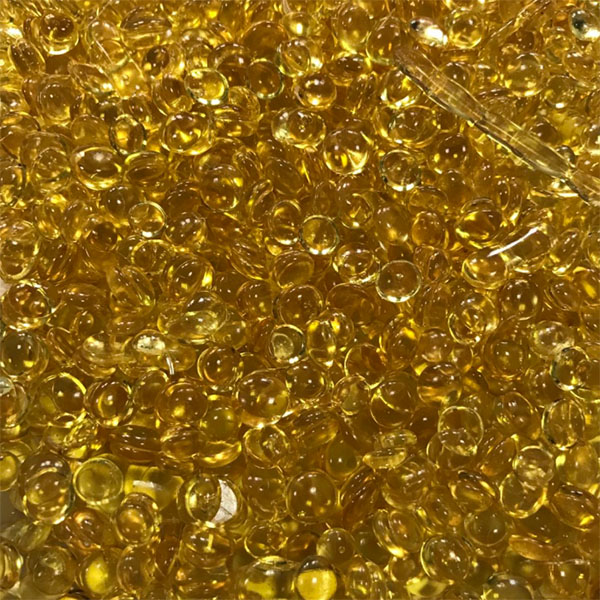
High-Performance Hot Melt Adhesive for Automated Production Lines

The Importance of High Quality Fuel Filters for Napa: Performance, Sustainability, and Reliability