Understanding “A Frame Plastic”: Why It Matters Globally
When you first hear the term a frame plastic, it might conjure an image of some oddly shaped element in manufacturing or packaging. But in real terms, it’s quite a fascinating concept that’s quietly reshaping how industries approach structural applications and even humanitarian relief. Around the globe, the material and design have implications that ripple well beyond the factory floor.
Why does it matter? Well, the world’s plastic production hit roughly 400 million tons in 2022, according to the United Nations Environment Program (UNEP), and the demand for versatile, durable, lightweight materials is only growing. An a frame plastic offers a practical solution for modular construction, lightweight framing in tech, and affordable shelter — sectors that are expanding amidst climate pressures and urban demands. In a nutshell, understanding these components is about embracing innovation that balances cost, durability, and sustainability.
Mini takeaway: Grasping what an a frame plastic is unlocks vital insights into how plastic innovations can power global resilience in infrastructure, shelter, and more.
The Global Context: Why Operators Need “A Frame Plastic”
Let’s unpack the big picture. The global plastic industry is a trillion-dollar beast, supporting everything from electronics to automotive and packaging. According to the International Standards Organization (ISO 11469), one growing challenge is creating plastics that are not just disposable, but engineered for longevity and repurposing — enter the realm of an a frame plastic, which emphasizes structural framing capabilities within plastic components.
Organizations like the World Bank highlight the urgent need for affordable, quick-to-assemble modular housing in regions prone to natural disasters. Here, materials must be both lightweight for rapid transport and durable enough to outlast conventional timber frames, which are often expensive or scarce.
In practical terms, this demand is driving manufacturers to rethink plastic not just as packaging or disposable ware but as a core construction frame — hence, the rise of a frame plastic in industrial design and emergency relief.
Defining "A Frame Plastic" Simply
So, what exactly is an a frame plastic? At its simplest, it’s a plastic component or assembly shaped like an “A” — think of the triangular frame of a pitched roof or a stable support structure — designed to bear weight and create rigid frameworks without the need for metals or wood.
This shape leverages one of engineering's oldest tricks: using geometry for strength. By shaping plastic into an A frame, manufacturers optimize the material’s tensile qualities and load distribution, creating lightweight yet powerful structural elements. In the industrial or humanitarian context, these plastic frames often serve as skeletons for shelters, signage, or temporary infrastructure.
It’s sort of like replacing the timber trusses with a molded, sometimes recyclable, plastic that is easier to produce en masse and ship to challenging environments.
Core Components of an “A Frame Plastic” That Make It Work
1. Durability and Load-Bearing Strength
Not all plastics are created equal, obviously. The trick lies in formulating materials like high-density polyethylene (HDPE), polypropylene (PP), or reinforced composites that can resist cracking, UV degradation, and mechanical stress.
2. Lightweight and Portability
In practical field use — whether it’s a remote construction site or emergency relief camp — the weight of materials can make or break a project. An a frame plastic reduces transport costs considerably while simplifying assembly.
3. Cost Efficiency in Production
Injection molding and thermoforming have matured to the point where mass-producing uniform frames is economical. Compared to metal or wood, plastic frames cut down on raw material and labor expenses.
4. Environmental Considerations
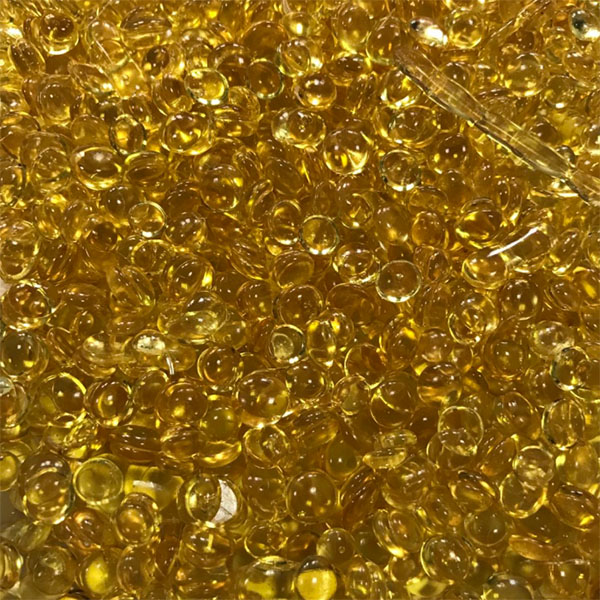
Though plastics have a dodgy reputation environmentally, some a frame plastics are now made with recycled pellets or are designed for recyclability themselves, addressing waste concerns.
5. Modular Scalability
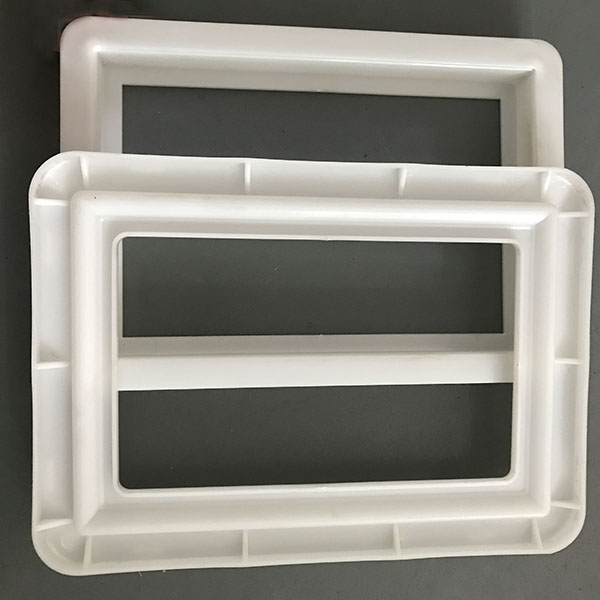
Manufacturers design these plastic frames to snap together or bolt easily, allowing scalability from small shelters to larger structures through modular combination.
Mini takeaway: The marriage of smart material choice and engineering geometry means a frame plastic hits the sweet spot of strength, lightness, and cost that many other materials struggle to balance.
Real-World Wins: Where “A Frame Plastic” Shows Up
Take post-disaster relief operations in Southeast Asia. Organizations like Médecins Sans Frontières have turned to shelters using these plastic frame designs for rapid deployment. They can be airlifted easily, resist moisture, and assemble with minimal tools.
In industrial zones across Northern Europe, manufacturers increasingly integrate plastic framing into rigid signage supports and temporary work platforms, appreciating how much easier cleaning and corrosion resistance makes maintenance.
Even in urban agricultural projects in Africa, these plastic frames become structural supports for hydroponic systems and lightweight greenhouses, offering affordability and durability simultaneously.
Product Specification Table: A Typical A Frame Plastic Product
| Specification |
Details |
| Material |
HDPE with UV Stabilizers |
| Dimensions |
1200mm x 800mm x 50mm (triangular frame) |
| Weight |
2.8kg |
| Load capacity |
Up to 1500 N (approx. 150 kg vertical load) |
| Assembly |
Snap-fit joints with optional bolt reinforcement |
| Recyclability |
100% recyclable secondary HDPE |
Advantages That Make This Plastic Frame a Winner
There’s a subtle yet potent emotional undercurrent to this technology. When used in shelters or public works, a frame plastics offer safety and dignity to people facing turbulent times — like disaster victims or communities rebuilding infrastructure.
Logically, the advantages range from reduced costs (compared to timber or metal), longer lifespan resisting moisture and rust, ease of transport, to even contributing toward sustainability goals when recycled. It feels like a tangible way that innovation can directly impact quality of life, even if it’s buried under the surface of supply chains.
Looking Ahead: Innovations in A Frame Plastic Technology
Recent research is pairing bioplastics — polymers derived from renewable sources like sugarcane or corn starch — with the structural “A frame” design, aiming to generate frames that decompose but last long enough for practical use. Meanwhile, automation in manufacturing now allows for ultra-precise molding, minimizing waste.
Digital integrations are also on the horizon: imagine embedment of IoT sensors within the plastic frames for structural health monitoring or integrating solar reflective coatings to reduce heat absorption on frames exposed to sun.
These trends align with global sustainability pledges — like the Circular Plastics Alliance, which strives to increase recycled plastics use by 2030.
Common Challenges and What Experts Suggest
Of course, there are hurdles. Some users worry about the long-term UV degradation affecting strength, or mechanical wear from repeated assembly/disassembly. Others are concerned about supply chain limitations in sourcing high-quality recyclable plastic pellets.
Industry experts recommend rigorous material testing and incorporating UV stabilizers during production. Also, modular design improvements, like reinforced joints, help extend lifecycle performance. On the supply side, investing in local recycling infrastructures reduces dependence on virgin plastic and lowers costs — which again loops back to sustainability.
FAQ: Frequently Asked Questions About an A Frame Plastic
Q: How does an a frame plastic compare to traditional wooden frames in construction?
A: Plastic frames are generally lighter, resistant to moisture and pests, and require less maintenance than wood. However, they might have lower load capacity in some cases unless reinforced. Their quick assembly and recyclability often outweigh these differences for many applications.
Q: Can a frame plastic be used in extreme weather conditions?
A: Yes, especially when designed with UV stabilizers and impact-resistant polymers. Many models perform well in rainy, humid, or sunny environments, but prolonged exposure requires regular inspections to catch early wear.
Q: Are these plastic frames environmentally friendly?
A: When made from recycled or biodegradable plastics and designed for reuse, yes. They help reduce deforestation from timber use and can be recycled multiple times—assuming effective end-of-life management.
Q: What industries benefit most from a frame plastic?
A: Emergency relief, modular construction, signage, light industrial supports, and even urban agriculture projects are common beneficiary sectors.
Q: How easily can these plastic frames be customized or scaled?
A: Quite easily, thanks to modular snap-fit designs and precise molding processes. Manufacturers often offer bespoke dimensions or added reinforcements per client need.
Comparing Leading Suppliers of A Frame Plastic Systems
| Vendor |
Material |
Customization |
Lead Time |
Price Range |
| PolyFrame Solutions |
HDPE with UV Stabilizers |
Full design service, bespoke sizes |
4–6 weeks |
$$$ |
| GreenFrame Industries |
Recycled PP composite |
Modular standard kits |
2–3 weeks |
$$ |
| EcoFrame Solutions |
Bio-based PLA blends |
Limited customization |
5–7 weeks |
$$$ |
Wrapping Up: The Last Word on A Frame Plastic
In real terms, the a frame plastic may not turn heads like cutting-edge electronics, but its quiet utility touches vital sectors from shelter to signage to industry. The blend of cost-effectiveness, durability, and adaptability paired with increasing sustainability goals suggests this is a trend well worth following — if not adopting.
If you’re curious to see how your operation might benefit from incorporating a frame plastic solutions, now’s a great time to reach out and explore the options. After all, great design isn’t just about innovation, it’s also about engagement with future-proof materials that can actually do the job — elegantly and reliably.
Mini takeaway: Investing in a frame plastic isn’t just a purchase; it’s a nod to durability, sustainability, and thoughtful engineering that adapts to global challenges.
References
- UNEP: Global Plastics Outlook
- ISO 11469: Plastics - Generic identification
- World Bank: Disaster Risk Management