Understanding the Role of Air Filter Plastic Frames in Modern Filtration Systems
At first glance, an air filter plastic frame might seem like a simple, even mundane component of complex air filtration systems. But globally, its importance is anything but trivial. In industries ranging from healthcare to manufacturing, and in environmental protection efforts, the humble plastic frame provides the crucial support and durability that enable air filters to perform effectively. Given rising concerns over air quality worldwide, understanding the benefits and characteristics of these frames can help engineers, procurement specialists, and environmental consultants make smarter, more sustainable choices.
Why the Air Filter Plastic Frame Matters Worldwide
Air pollution is a looming global threat, with the World Health Organization estimating that 7 million people die annually due to polluted air. This fact alone draws attention to effective filtration solutions. The plastic frame of an air filter plays an integral role in holding filtration media safely and securely while maintaining airflow efficiency. Without sturdy and well-designed frames, filters could collapse or leak unfiltered air, defeating their purpose.
Moreover, plastic frames bring benefits in terms of weight, corrosion resistance, and cost—advantages that make air filtration accessible and practical for communities worldwide. But more on that in a moment.
What Is an Air Filter Plastic Frame?
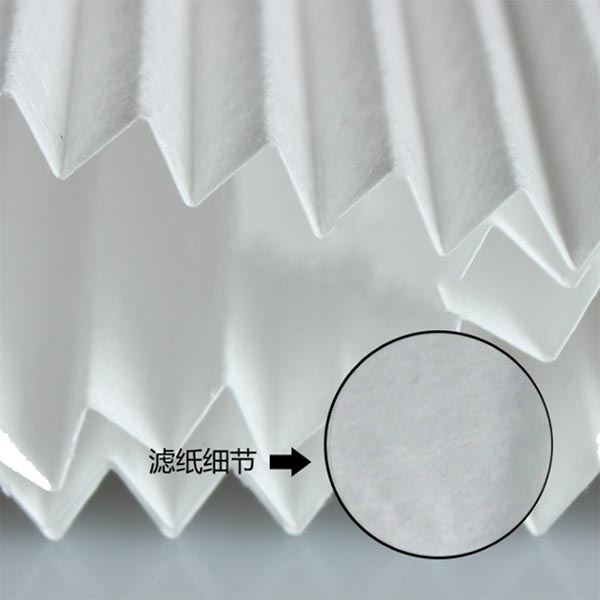
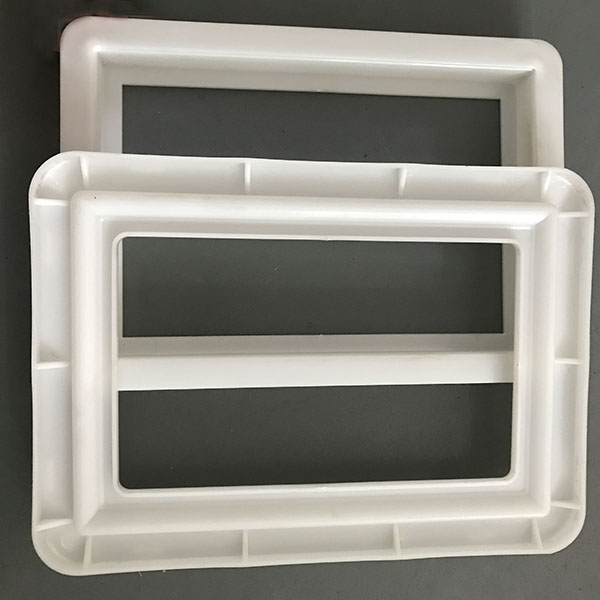
Simply put, an air filter plastic frame is the structural skeleton enclosing and supporting the filter media—materials like fiberglass, synthetic fibers, or woven fabrics that trap airborne particles. These frames ensure the filter maintains its shape under airflow pressures and can be easily installed, removed, or replaced. Plastic, as a material choice, offers excellent resistance to moisture, chemicals, and mechanical stresses, making it ideal in many environments.
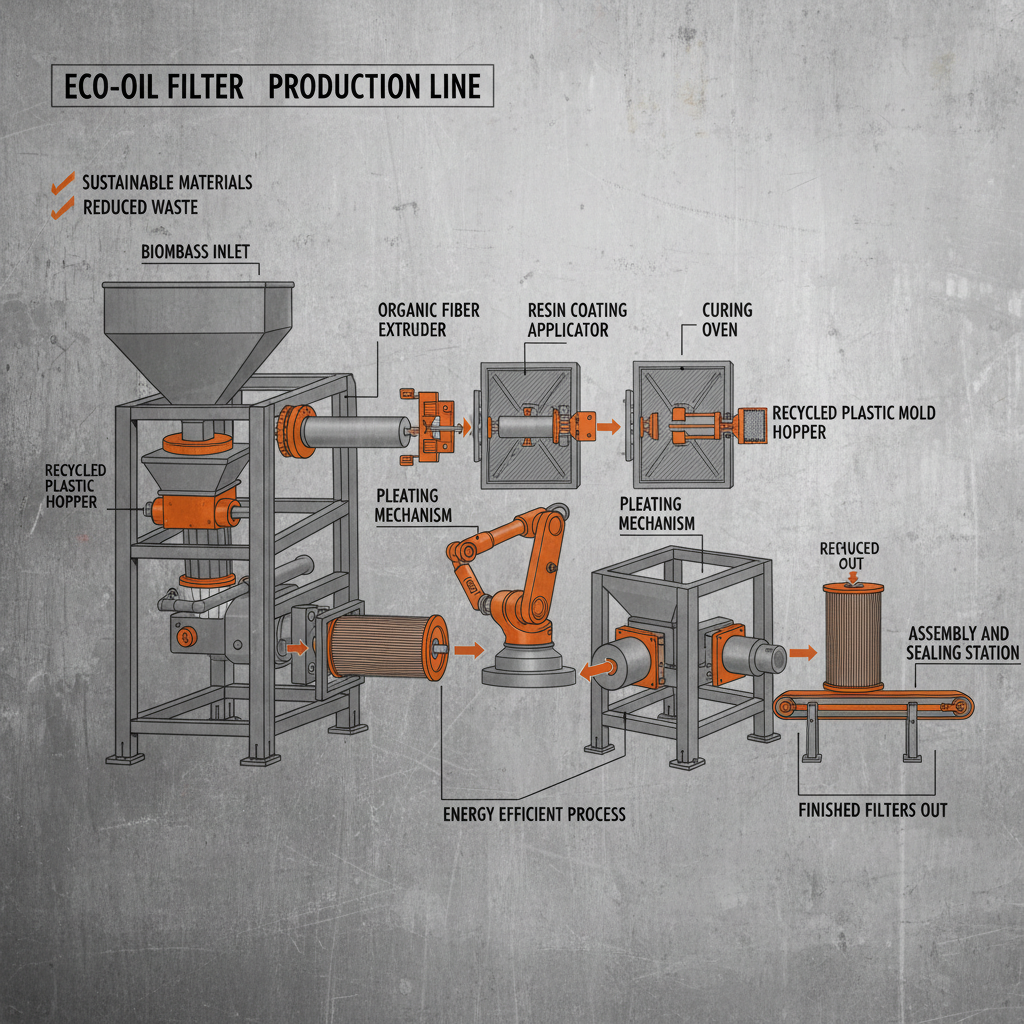
Today, they’re present in everything from HVAC systems in office buildings to protective gear used in healthcare and aerospace. They also respond well to mass manufacturing techniques like injection molding, allowing high-volume production with consistent quality.
Key Features of Air Filter Plastic Frames
1. Durability and Chemical Resistance
Plastic frames resist rust and corrosion, unlike metal counterparts, making them suitable for damp or chemically aggressive environments. This longevity reduces replacement frequency, which cuts maintenance costs and waste.
2. Lightweight and Ease of Handling
Given their plastic construction, these frames are lighter, easing installation and transportation, especially for large commercial applications. This also influences overall system energy efficiency.
3. Cost Efficiency
Plastic frames cost less to produce at scale, helping manufacturers keep filtration systems affordable. This factor also encourages broader deployment of filtration in developing regions.
4. Scalability and Customization
Manufacturers can mold frames in various shapes and sizes, integrate seals or gaskets, and accommodate different filter thicknesses. This flexibility suits diverse operational demands.
5. Environmental Considerations
Though plastic typically raises sustainability concerns, many frames now use recycled or bio-based materials, helping reduce environmental impact.
Mini takeaway:
- Plastic frames offer a balance of durability, cost-effectiveness, and adaptability.
- Their design intricacies matter enormously to performance and sustainability.
Global Applications and Use Cases
Air filter plastic frames find their way into numerous sectors and geographies. In hospitals across Europe and North America, they’re part of high-efficiency particulate air (HEPA) filters critical for infection control. In industrial zones in Asia, plastic-framed filters help reduce particulate emissions that threaten worker health and local ecology. Meanwhile, disaster relief efforts in remote regions depend on portable air filtration devices with robust plastic frames to ensure indoor air safety amid dust or wildfire smoke.
For example, after the wildfires in California, many relief organizations distributed air purifiers equipped with plastic-framed HEPA filters, ensuring rapid deployment and easy filter changes in challenging conditions.
Advantages and Long-Term Value
Beyond efficiency, plastic frames provide reliability that communities and operators trust. They contribute to lowering total cost of ownership by reducing maintenance needs and downtime. Plus, their compatibility with evolving filtration media means systems remain cutting-edge without complete redesigns.
On an emotional level, clean air carries safety and dignity to vulnerable populations. Knowing that an air purifier’s filter frame can withstand tough conditions without failing adds peace of mind. This sense of security, frankly, goes beyond just numbers.
Product Specification Table: Typical Air Filter Plastic Frame
| Specification |
Details |
| Material |
Polypropylene (PP) / ABS / recycled plastics |
| Dimensions |
Standard sizes (e.g. 24"x24", 16"x20") or custom |
| Temperature Resistance |
Up to 80°C (176°F) |
| Chemical Resistance |
Resistant to acids, alkalis, and moisture |
| Weight |
Approx. 300-500 grams depending on size |
| Recyclability |
Highly recyclable, some bio-based options |
Vendor Comparison: Leading Air Filter Plastic Frame Suppliers
| Vendor |
Materials Used |
Sustainability |
Customization Options |
Global Reach |
| FilterTech Inc. |
PP, Virgin ABS |
Moderate (some recycled content) |
Standard and custom sizes |
North America, Europe |
| EcoFrame Solutions |
Recycled PP, bio-based plastics |
High (commitment to zero waste) |
Fully customizable |
Asia, Europe, USA |
| Rapid Mold Corp. |
Virgin PP and ABS |
Low |
Mainly standard sizes |
Global |
Looking Ahead: Trends and Innovation
What’s next for the air filter plastic frame? Advances in polymer science promise even lighter, stronger, and greener frames. For instance, nanotechnology-enhanced plastics could improve structural strength while reducing material use. Also, circular economy principles push toward fully recyclable or biodegradable frames.
Digitally, smart filters with embedded sensors monitoring filter integrity are on the rise. Frames designed to accommodate electronics or enable easier maintenance represent an exciting frontier.
Challenges and Practical Solutions
Despite great advantages, plastic frames face hurdles like microplastic pollution worries and variable temperature limits. Some plastics degrade under prolonged UV exposure or extreme heat, limiting outdoor usage.
Industry experts recommend pairing plastic with protective coatings or hybrid frames combining plastics and metals to balance weight and strength. In addition, regulatory pressure encourages suppliers to increase transparency around materials and life cycle impacts.
FAQ: Air Filter Plastic Frame Essentials
- Q: What makes plastic frames better than metal for air filters?
A: Plastic frames weigh less, resist rust and corrosion, and typically cost less, which helps reduce maintenance and replacement expenses.
- Q: Can plastic frames handle high-temperature industrial environments?
A: Most are rated up to around 80°C; for extreme temperatures, specialized materials or metal frames might be necessary.
- Q: Are plastic filter frames recyclable?
A: Yes, many are recyclable depending on local facilities. Some manufacturers use recycled or bio-based plastics to improve sustainability.
- Q: How customizable are plastic air filter frames?
A: Highly customizable via injection molding; sizes, seal types, and design features can be tailored to specific applications.
- Q: Where can I find reliable suppliers of these frames?
A: Look for vendors with transparent sustainability policies and proven quality. Examples include FilterTech Inc., EcoFrame Solutions, and Rapid Mold Corp.
Conclusion: Why Air Filter Plastic Frames Deserve Your Attention
In the quest for cleaner air, small details count. The air filter plastic frame is a perfect example: easy to overlook but vital for system performance and longevity. Its balance of durability, lightness, and cost means better access to quality filtration worldwide. Whether in hospitals protecting patients or factories safeguarding workers, these frames quietly underpin health and well-being.
If you want to explore more about innovative filter solutions and robust plastic frames, do visit our website. It’s a small step towards cleaner, safer air for all.
Final Thought:
Oddly enough, the right frame can make all the difference — not just in function, but in the bigger picture of sustainable living and public health.
- World Health Organization: Air Quality Facts
- Wikipedia: Air Filter
- ISO Environmental Management Standards