Tel
Email
whatsapp
Top

Industrial Filtration Solutions for Libya: Advanced spin-on oil filter machine Systems

Empowering Libyan manufacturing with high-precision filter production technology designed for extreme desert environments and heavy industrial demands.

Industrial Filtration Solutions for Libya: Advanced spin-on oil filter machine Systems

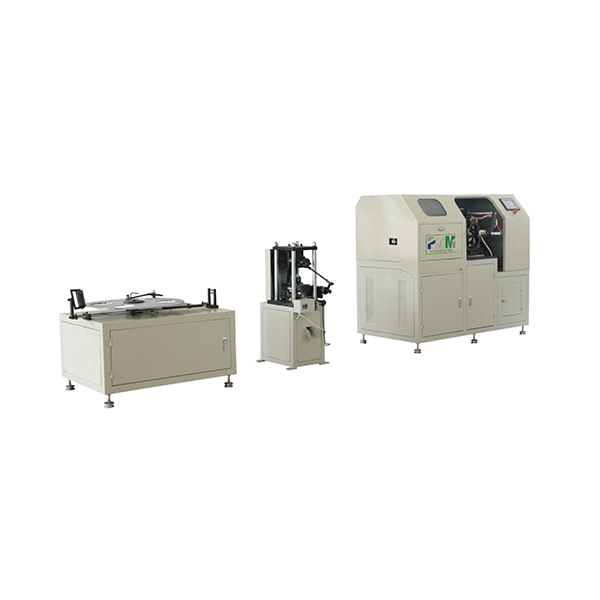
We provide a comprehensive suite of machinery to establish local filter production lines in Libya, focusing on durability, high output, and precision engineering to meet the needs of the automotive and oil sectors.

The Landscape of Specialized Equipment Manufacturing in Libya

Analyzing the challenges and opportunities for filtration machinery in the North African market.

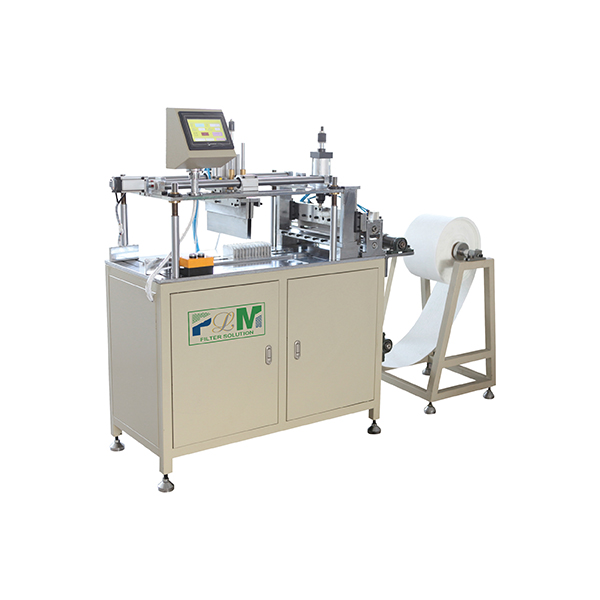
Libya's industrial environment is heavily influenced by its vast oil reserves and the challenging Saharan climate. The prevalence of airborne sand and dust creates an urgent demand for high-efficiency air filter producing machine technology to protect heavy machinery and automotive engines from premature wear.

Currently, the local market relies heavily on imported filtration products. However, there is a growing shift toward domestic production to reduce supply chain volatility. The integration of a professional filter machine allows local enterprises to rapidly respond to the specific requirements of the Libyan energy sector.

Furthermore, the extreme temperature fluctuations in Libya necessitate equipment that can operate reliably under thermal stress. This has led to an increased interest in specialized heating machine units that ensure consistent adhesive curing and structural integrity for industrial filters.
Evolution and Trajectory of Filter Manufacturing Technology

From manual assembly to fully automated precision production lines.

Market Development History

In the early 2000s, filter production in the region was primarily characterized by manual assembly and basic mechanical presses. The focus was on low-cost, generic filtration units with limited efficiency and high failure rates in sandy environments.

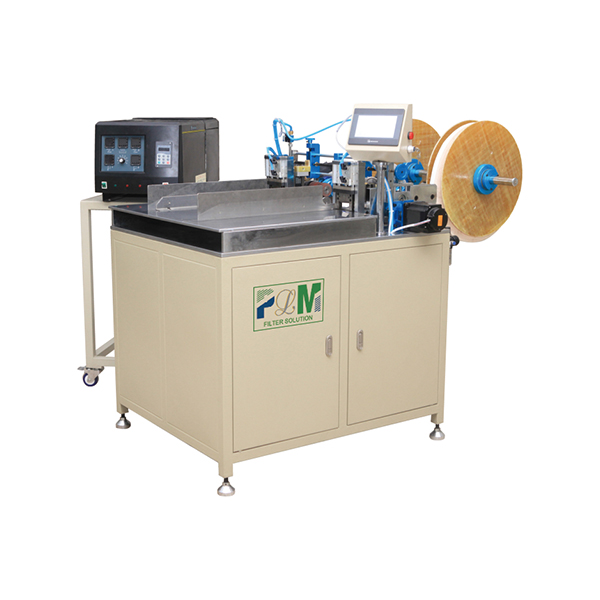
Between 2010 and 2020, the introduction of semi-automated bonding machine systems revolutionized the industry. This period saw a shift toward chemical bonding and thermal sealing, significantly improving the leak-proof performance of oil and fuel filters.

Since 2021, the trajectory has moved toward "Industry 4.0" integration. Modern plants now utilize PLC-controlled systems to ensure micron-level precision, enabling the local production of high-grade filters that meet international ISO standards.

Future Development Trends

Smart Automation Integration

The shift toward AI-driven quality control will reduce waste and optimize the material usage of filtration media.

Eco-Friendly Material Processing

Increased adoption of biodegradable and recyclable media in the production process to align with global environmental regulations.

High-Temperature Resistance Engineering

Development of specialized alloys and polymers to withstand the extreme Libyan summer heat during the manufacturing process.

Industry Trends and Future Outlook for Libyan Manufacturing

Predicting the technological shift in specialized equipment for the next 3-5 years.

Localization of Production
Reducing reliance on imports by establishing full-scale local production lines for automotive filters.
Energy Efficiency
Implementation of low-power consumption heating and molding systems to reduce operational costs.
Precision Engineering
Adopting CNC and precision bonding technologies to meet stringent oil industry specifications.
Diversified Product Lines
Expanding from automotive filters to heavy-duty industrial and agricultural filtration equipment.

Industry Outlook

Based on emerging search trends in North Africa, there is a significant increase in demand for "domestic manufacturing equipment" and "automated filtration lines." This indicates a strategic move by Libyan entrepreneurs to invest in capital goods rather than finished products.

Over the next five years, we anticipate a surge in the adoption of integrated systems that combine filtration, heating, and bonding into a single synchronized workflow, maximizing throughput and reducing human error in the production process.

Localized Application Scenarios in Libya

Real-world implementation of filtration machinery across various Libyan sectors.

01. Oil & Gas Infrastructure Maintenance

Utilizing spin-on oil filter machine lines to produce heavy-duty lubricant filters for oil field pumps and turbines, ensuring operational continuity in remote desert sites.

02. Automotive Aftermarket Manufacturing

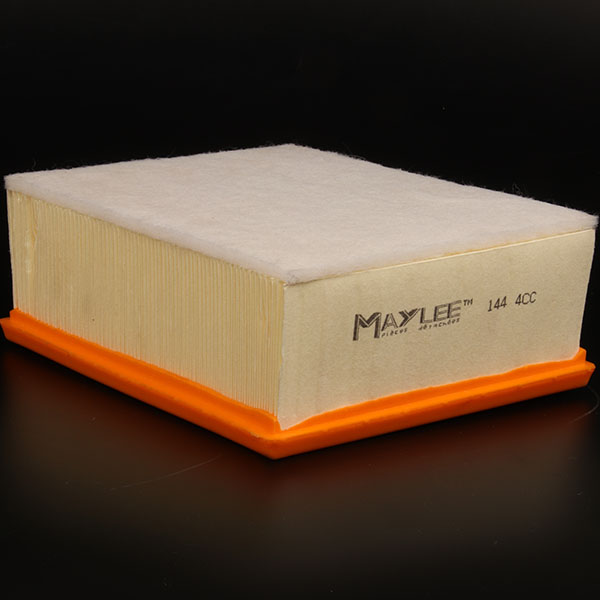
Establishing local factories with air filter producing machine setups to supply air filters specifically designed for the high-dust environment of Libyan roads.

03. Agricultural Machinery Support

Deploying versatile filter machine units to create specialized fuel filters for tractors and irrigation pumps used in the Green Mountain region.

04. Industrial HVAC Filtration

Implementing precision bonding machine technology to produce high-efficiency particulate air (HEPA) filters for urban commercial buildings in Tripoli and Benghazi.

05. Power Generation Plant Supplies

Using industrial heating machine equipment to manufacture heat-resistant filter elements for power plant generators and cooling systems.

Brand Story

Global Development History of Hebei Luman Automotive Parts Trade Co., Ltd.

Founding Vision

Started with a commitment to solving the gap between high-end filtration technology and emerging market accessibility.

Technological Breakthrough

Developed proprietary bonding and heating processes that increased filter lifespan by 30% in harsh climates.

Global Expansion

Expanded operations into Africa and the Middle East, tailoring machinery for desert-grade durability.

Quality Certification

Achieved international ISO certifications, ensuring every machine delivered meets global engineering standards.

Future Commitment

Dedicated to empowering local manufacturers in Libya with sustainable, automated, and efficient production tools.

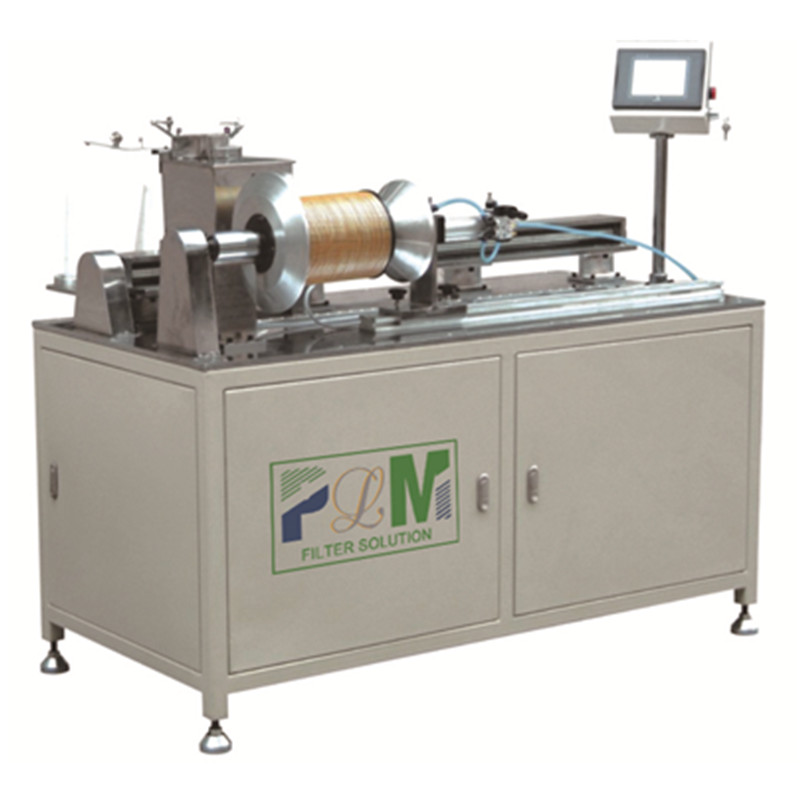
Complete Product Portfolio for the Libyan Market

Integrated machinery solutions from raw material processing to final assembly.

Common Questions Regarding Filter Machinery in Libya

Expert answers to the most frequent technical and logistical queries.

How do I choose the right air filter producing machine for sandy environments?

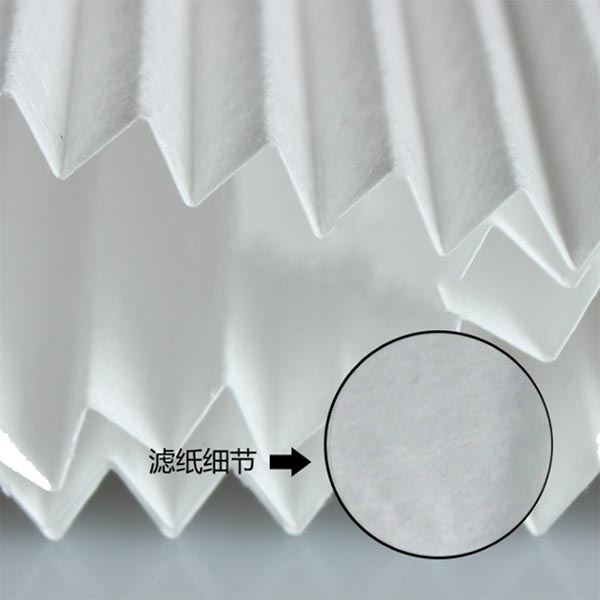
You should select machines that support high-density pleated media and offer precise bonding to prevent dust bypass, specifically designed for the Saharan climate.

What is the average capacity of a spin-on oil filter machine line?

Depending on the automation level, our lines can range from 500 to 5,000 units per day, suitable for both small workshops and large factories in Libya.

Does the bonding machine require specialized training for local operators?

Yes, we provide comprehensive technical training and intuitive PLC interfaces to ensure your team can operate the equipment efficiently with minimal error.

How does the heating machine ensure filter seal integrity?

Our heating systems use precise temperature controllers to ensure the polyurethane or rubber gaskets are perfectly fused without overheating the filter media.

Can a generic filter machine be customized for specific industrial oils?

Absolutely. We can customize the tooling and the filter media guides to produce filters compatible with a wide variety of hydraulic and industrial oils used in Libyan plants.

What are the maintenance requirements for machinery in Libya?

Due to dust, we recommend daily cleaning of sensors and monthly lubrication of moving parts, using the maintenance kits provided with the equipment.

Ready to Start Your Production Line?

Contact our engineering team today for a customized technical proposal and delivery schedule for your facility in Libya.

Contact Us Now
f_btn4

If you are interested in our products, you can choose to leave your information here, and we will be in touch with you shortly.


111If you are interested in our products, you can choose to leave your information here, and we will be in touch with you shortly.