Feb . 11, 2026
In today’s competitive landscape, efficient filtration is critical for numerous industries, from manufacturing and food processing to wastewater treatment and chemical production. A filter machine is a vital piece of equipment that ensures product quality, protects machinery, and complies with environmental regulations. Selecting the optimal filter machine requires careful consideration of your specific needs and operational requirements. This article provides a comprehensive guide to understanding different types of filter machines, their applications, and factors to consider when making a purchasing decision. Investing in the right filtration system can significantly enhance your operational efficiency and reduce long-term costs.
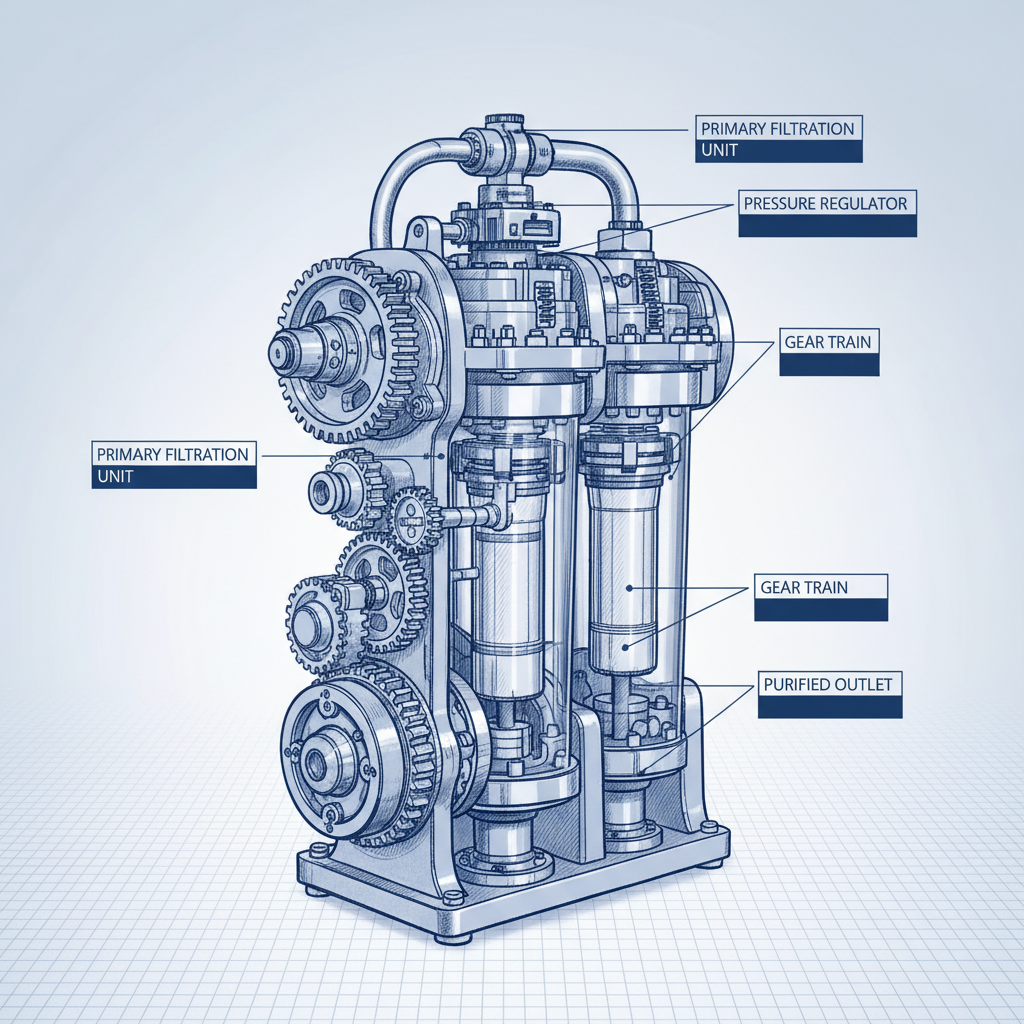
The world of filter machines is diverse, with each type designed for specific applications. Common types include bag filters, cartridge filters, automatic self-cleaning filters, and plate and frame filters. Bag filters are cost-effective for high-flow rate applications with relatively large particle sizes. Cartridge filters offer higher precision and are suitable for removing finer particles. Automatic self-cleaning filters minimize downtime and labor costs, making them ideal for continuous processes. Plate and frame filters provide high filtration efficiency and are commonly used in industries like beverage production. Choosing the right type depends on factors like the nature of the fluid, the size of particles to be removed, and the required flow rate. M Filter Solution offers a broad range of filter machines to meet diverse industrial requirements.
Key Considerations: Fluid type, particle size, flow rate, operational costs, and maintenance requirements.
Bag filters and cartridge filters are two of the most widely used filtration methods. Bag filters excel in handling high volumes of fluid and are relatively inexpensive. They use disposable filter bags to capture contaminants. Cartridge filters, on the other hand, offer greater precision and can remove smaller particles. They utilize pleated cartridges for increased surface area and filtration efficiency. The choice between these two depends largely on the specific application and the level of filtration required. For example, a pre-filtration step might utilize bag filters to remove larger debris, followed by cartridge filters for fine particle removal.
Comparing Bag & Cartridge Filters:
• Flow Rate: Bag filters – High, Cartridge Filters – Moderate
• Particle Size: Bag filters – Larger particles, Cartridge Filters – Finer particles
• Cost: Bag filters – Lower initial cost, Cartridge Filters – Higher initial cost
• Maintenance: Bag filters – Frequent bag changes, Cartridge Filters – Less frequent cartridge changes
Different industries have unique filtration requirements. The food and beverage industry relies on filter machines to ensure product purity and safety. Pharmaceutical companies demand high-precision filtration to remove contaminants from medications. Wastewater treatment facilities utilize filter machines to remove pollutants and protect the environment. The chemical industry requires robust filter machines that can withstand corrosive substances. Understanding the specific challenges of your industry is crucial for selecting the right filter machine. M Filter Solution provides customized filtration solutions tailored to a wide range of industries.
Beyond the type of filter machine, several factors influence your purchasing decision. Consider the flow rate requirements, the pressure drop limitations, and the material compatibility with the fluid being filtered. Evaluate the cost of ownership, including initial purchase price, maintenance costs, and energy consumption. Finally, assess the manufacturer's reputation and the availability of technical support. M Filter Solution offers comprehensive support and guidance throughout the selection process.
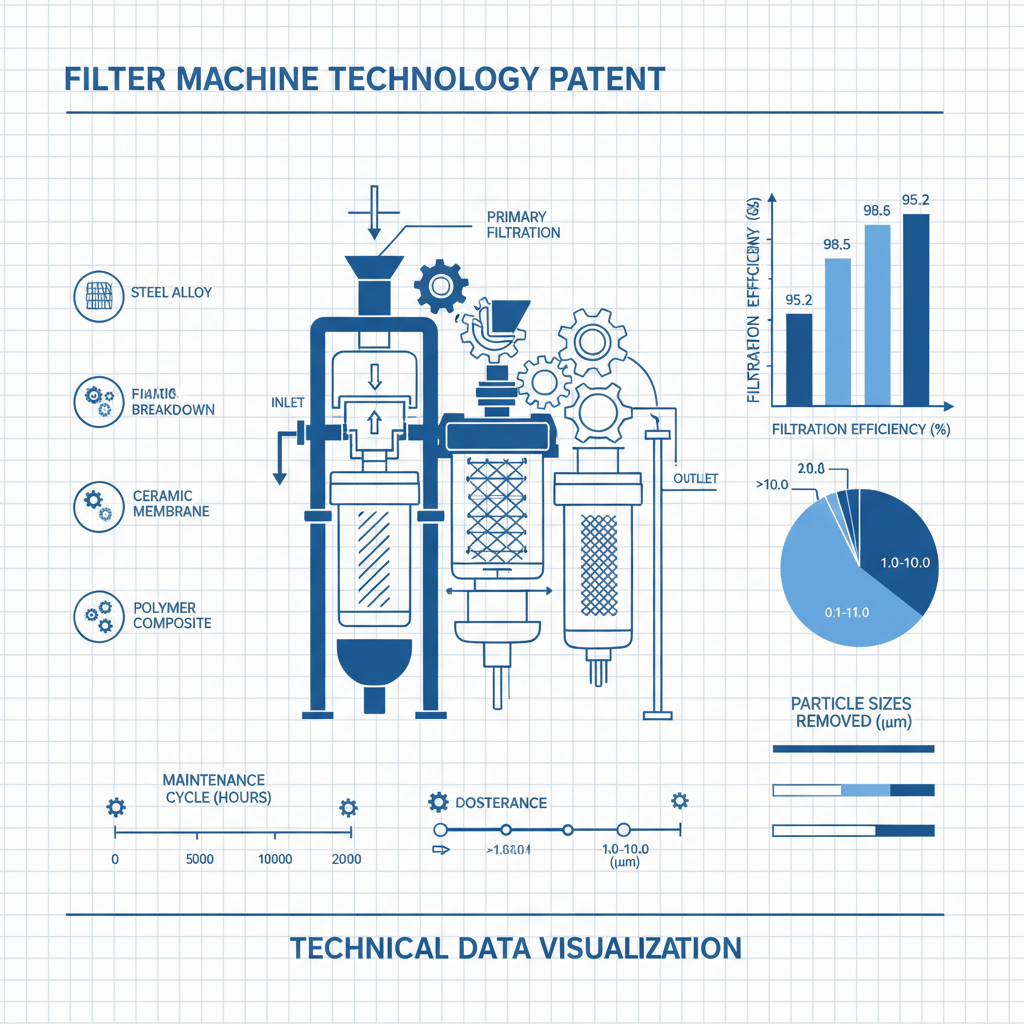
When evaluating a filter machine, it's crucial to understand its technical specifications. Key parameters include flow rate (measured in gallons per minute or liters per hour), particle retention size (measured in microns), operating pressure, and temperature range. Additionally, ensure the filter machine complies with relevant industry standards, such as those set by ISO or ASME. Adherence to these standards ensures the machine meets safety and performance requirements.
Selecting the right filter machine is a critical investment for any business. By carefully considering your specific needs, industry requirements, and technical specifications, you can ensure optimal filtration performance, reduce operational costs, and protect your valuable assets. M Filter Solution is your trusted partner in providing innovative and reliable filtration solutions.
The lifespan of a filter machine varies depending on the type of machine, the frequency of use, and the nature of the fluid being filtered. With proper maintenance, including regular cleaning and filter replacements, a well-built filter machine can last for 5-10 years or even longer. Factors like the corrosiveness of the fluid and the presence of abrasive particles can impact lifespan. Scheduled maintenance checks are crucial for identifying and addressing potential issues before they lead to major breakdowns.
The frequency of filter media replacement depends on several factors, including the fluid's contamination level, the filter's pore size, and the flow rate. Monitoring the pressure differential across the filter is a good indicator. A significant increase in pressure drop suggests that the filter is becoming clogged and needs replacement. Regular visual inspections can also help identify when the filter media is nearing its capacity. M Filter Solution can provide guidance on optimal filter replacement schedules for your specific application.
Regular maintenance is essential for ensuring optimal performance and longevity. Key maintenance tasks include cleaning the filter housing, inspecting and replacing filter media, checking for leaks, and lubricating moving parts. For automatic self-cleaning filters, ensure the cleaning mechanisms are functioning correctly. Following the manufacturer's recommended maintenance schedule is crucial. Preventive maintenance can significantly reduce downtime and prevent costly repairs.
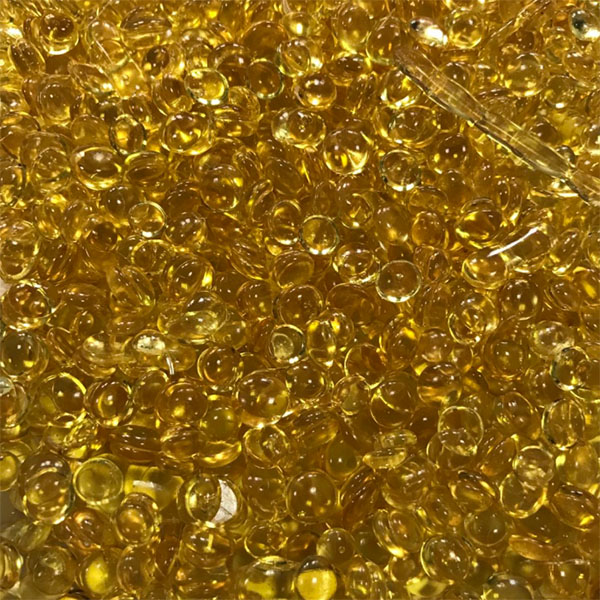
High-Performance Hot Melt Adhesive for Automated Production Lines
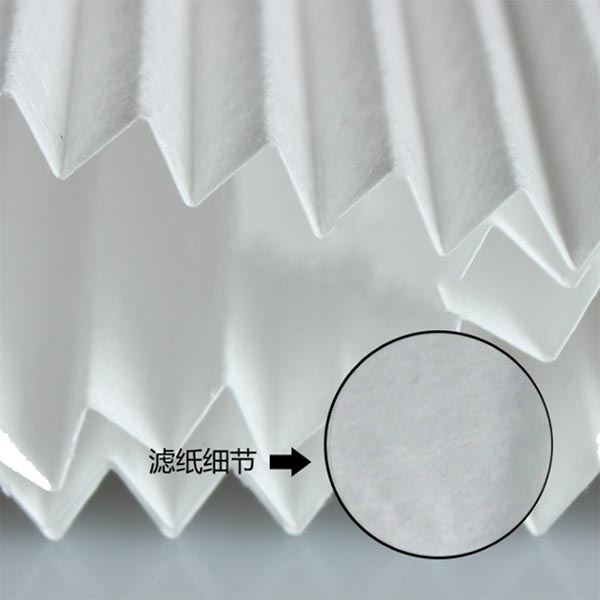
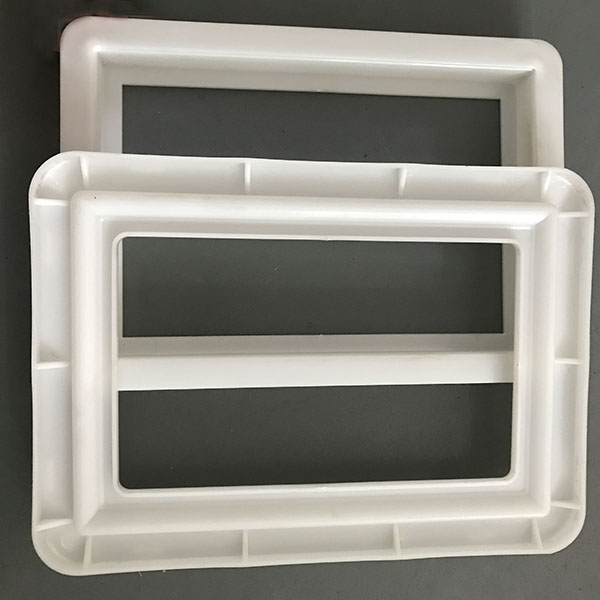
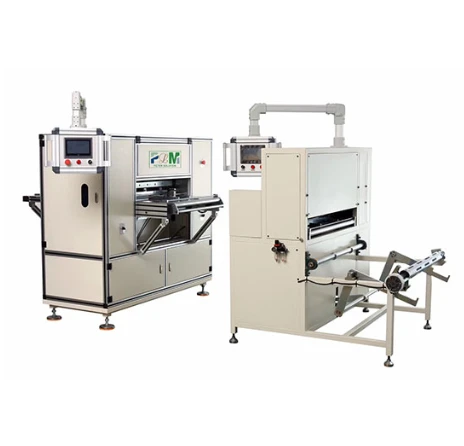
Paper Folding Machine for Air Filter Creates Uniform Pleat Patterns