Mar . 31, 2026
The demand for high-quality oil filters is consistently growing, driven by the automotive industry and various machinery sectors. A spin-on oil filter making machine is a crucial investment for businesses aiming to meet this demand efficiently and reliably. This article provides a detailed overview of these machines, covering their features, benefits, applications, and key considerations for choosing the right one. We will explore how these machines streamline production, reduce costs, and ensure consistent product quality.
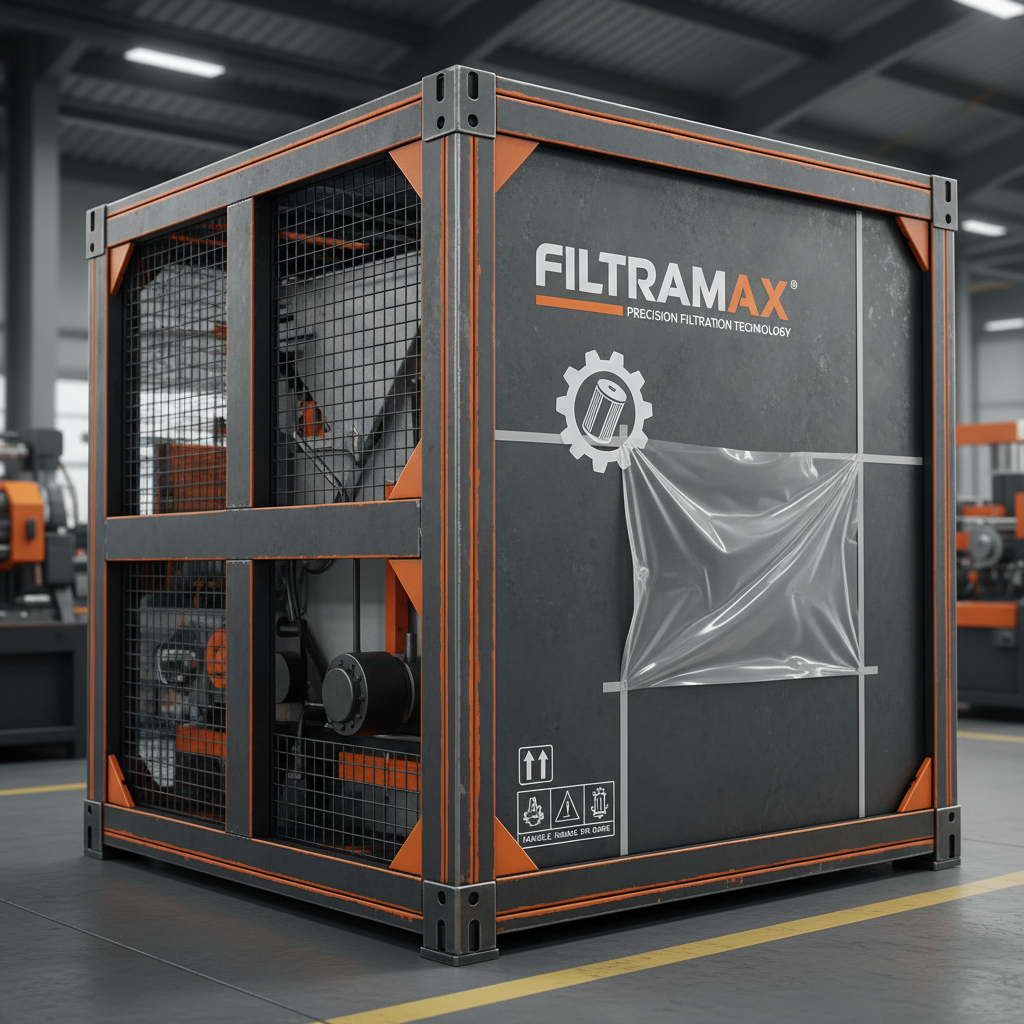
A spin-on oil filter making machine automates the process of manufacturing these essential components. Instead of relying on manual labor, these machines handle the various stages of production, including sheet metal blanking, deep drawing, flanging, welding (for multi-layer filters), and assembly. Modern machines incorporate advanced control systems, ensuring precision and minimizing waste. They are designed for continuous operation, significantly increasing production output and reducing labor costs. Investing in such a machine isn't just about increasing capacity; it's about improving the consistency and quality of your filters.
Key Benefits: Automated production, increased output, reduced labor costs, improved product consistency, and minimized material waste.
A typical spin-on oil filter making machine consists of several key components, each playing a vital role in the manufacturing process. These include a sheet metal feeder, a drawing press, a flanging machine, a welding machine (if applicable), an assembly station, and a quality control system. The sheet metal feeder ensures a consistent supply of material, while the drawing press shapes the metal into the filter body. The flanging machine creates the necessary edges for sealing, and the welding machine joins multiple layers for filters requiring increased filtration capacity. Finally, the assembly station integrates the filter element and other components, and the quality control system verifies the final product. Understanding these components is crucial for maintenance and troubleshooting.
There are several types of spin-on oil filter making machines available, categorized by their level of automation and production capacity. Fully automatic machines require minimal human intervention and can produce a large volume of filters continuously. Semi-automatic machines require some manual operation, offering a balance between automation and cost. Single-process machines focus on a specific stage of production (e.g., drawing or flanging), while multi-process machines combine multiple stages into a single unit. The choice of machine depends on your production needs, budget, and available space.
Choosing the right spin-on oil filter making machine requires careful consideration of several factors. Your production volume is paramount; a higher volume necessitates a fully automated machine. The types of filters you intend to produce (size, material, and complexity) will dictate the necessary machine capabilities. Budget constraints, available floor space, and the availability of skilled operators also play a critical role. Furthermore, consider the manufacturer's reputation for reliability, after-sales service, and parts availability. Partnering with a reputable supplier like MFilterSolution can ensure a smooth and successful implementation.
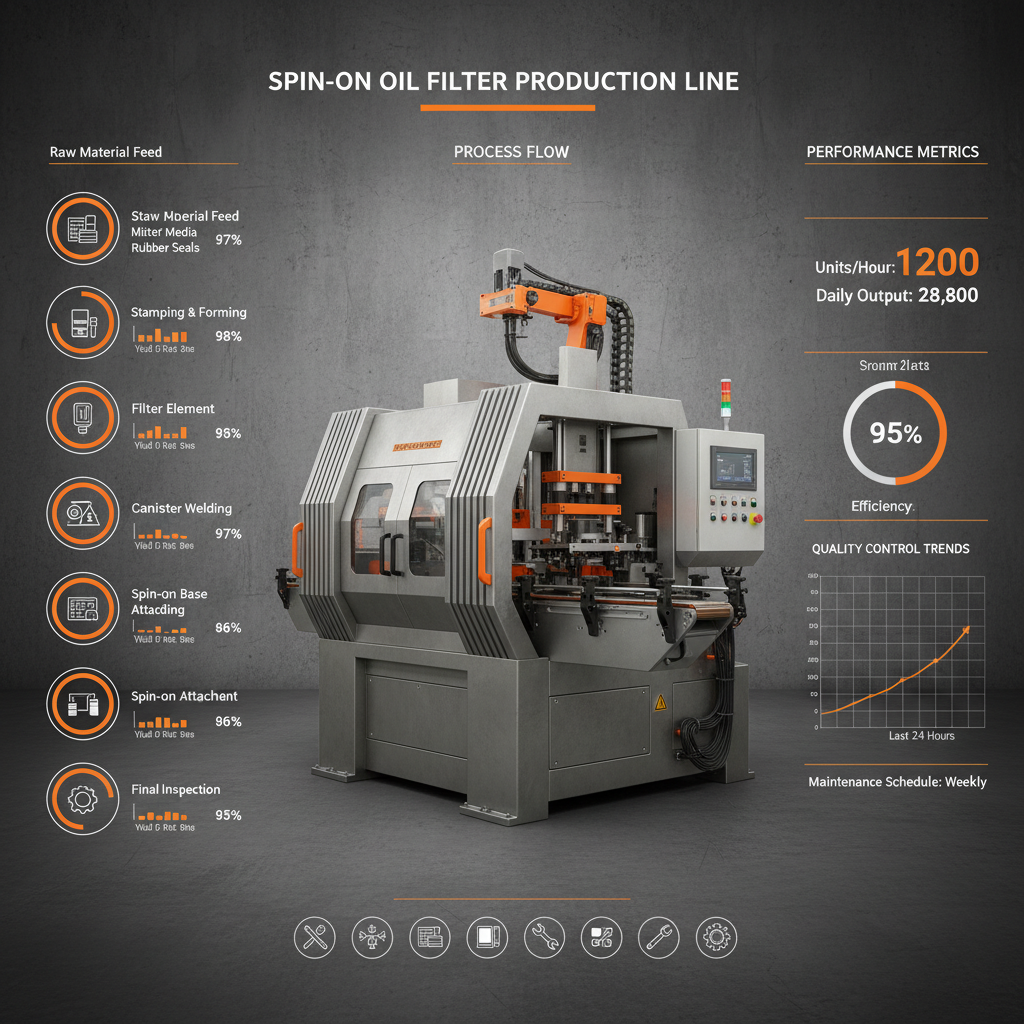
Regular maintenance is essential for ensuring the longevity and optimal performance of your spin-on oil filter making machine. This includes lubricating moving parts, inspecting for wear and tear, and replacing worn components promptly. Implementing a preventative maintenance schedule can minimize downtime and prevent costly repairs. Proper operator training is also crucial, empowering personnel to identify and address minor issues before they escalate. Familiarize yourself with the machine's manual and troubleshooting guide for common problems and solutions.
Investing in a spin-on oil filter making machine is a strategic move for businesses aiming to enhance their production capabilities, reduce costs, and improve product quality. By carefully considering your needs and choosing the right machine, you can unlock significant benefits and position yourself for long-term success in the competitive oil filter market.
Most machines are designed to handle various metals commonly used in filter production, including carbon steel, stainless steel, and aluminum. The specific gauge or thickness of the metal that the machine can process will depend on its capacity and the press's tonnage. Some machines can also handle composite materials, but this depends on the machine's configuration and tooling. It's crucial to verify the machine's compatibility with your intended materials before making a purchase.
Operating these machines requires a combination of mechanical knowledge, technical skills, and safety awareness. Training typically covers machine setup, operation, maintenance, troubleshooting, and safety procedures. Operators should be proficient in reading technical drawings, understanding machine controls, and performing basic maintenance tasks. Reputable machine suppliers often offer comprehensive training programs to ensure operators are fully equipped to handle the machine safely and efficiently.
The lead time can vary significantly depending on the machine's complexity, customization requirements, and the manufacturer's production schedule. Generally, lead times range from 3 to 12 months. Fully automated machines with custom tooling may require longer lead times. It's essential to plan ahead and communicate your requirements clearly to the supplier to ensure timely delivery.
Modern machines incorporate numerous safety features to protect operators and prevent accidents. These include emergency stop buttons, safety guards, light curtains, and interlocking systems. Machines are designed to comply with relevant safety standards, ensuring a safe working environment. Regular safety inspections and operator training are crucial for maintaining a safe operation.
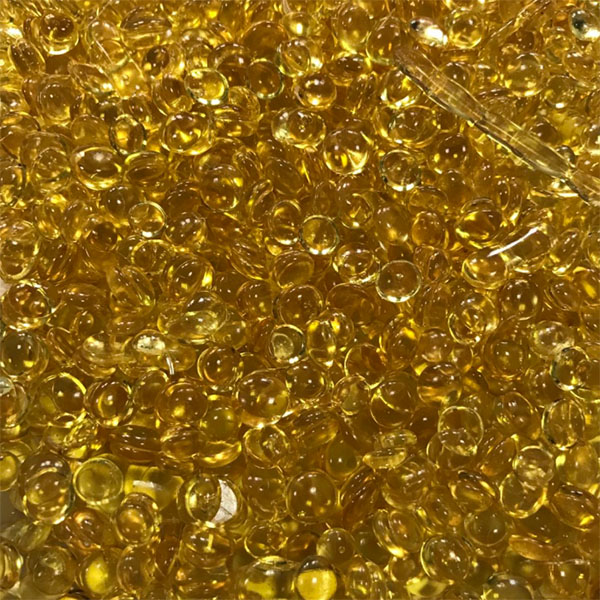
High-Performance Hot Melt Adhesive for Automated Production Lines
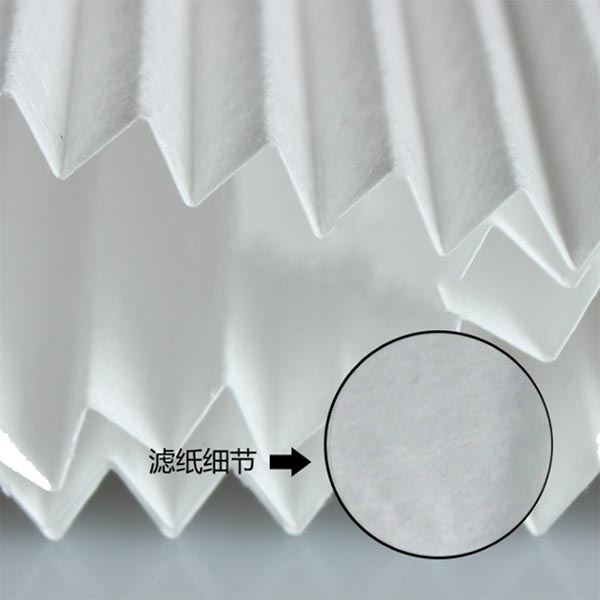
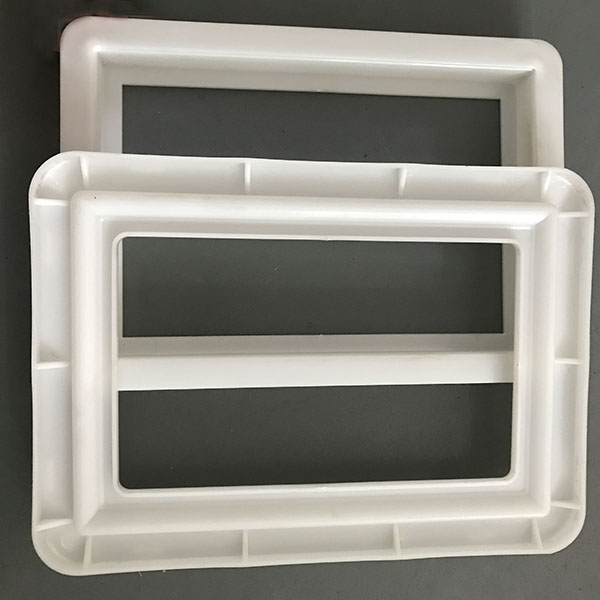
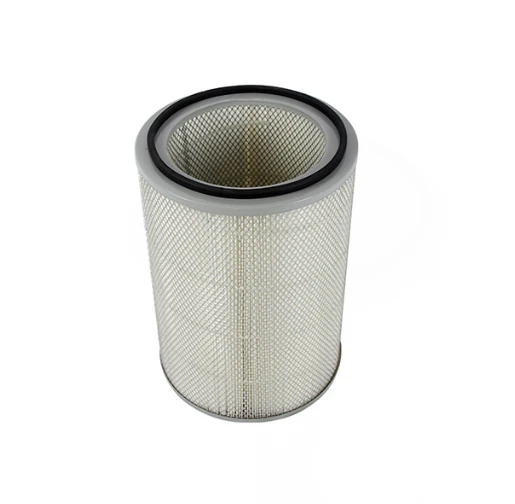
Efficient Dust Management with Air Purifiers