Apr . 04, 2026
The demand for intricately pleated paper products is rising across various industries, from filtration and medical applications to packaging and decorative elements. At the heart of this production lies the rotary paper pleating machine, a sophisticated piece of equipment enabling efficient and precise paper folding. This article provides an in-depth look at rotary paper pleating machines, their applications, key features, and the benefits they offer to businesses. We'll explore how these machines optimize production, enhance product quality, and drive cost savings.
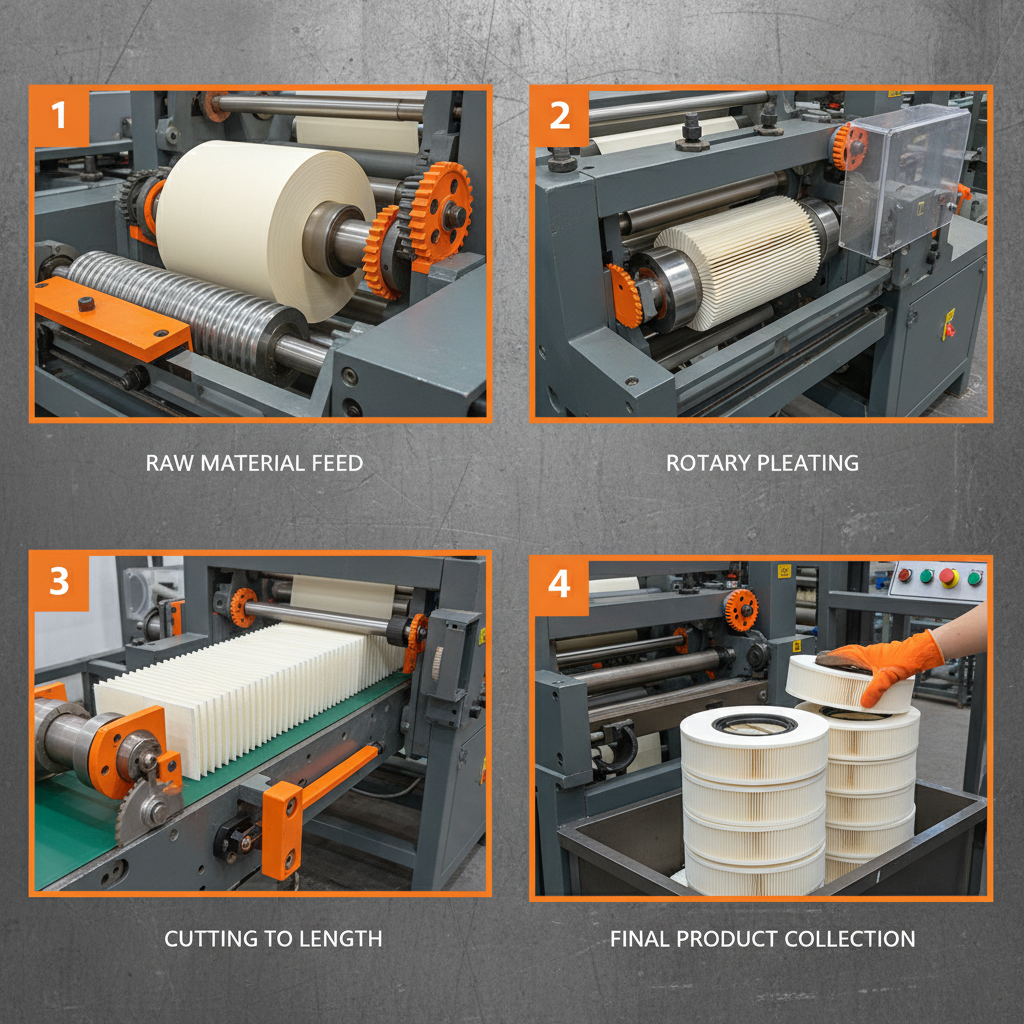
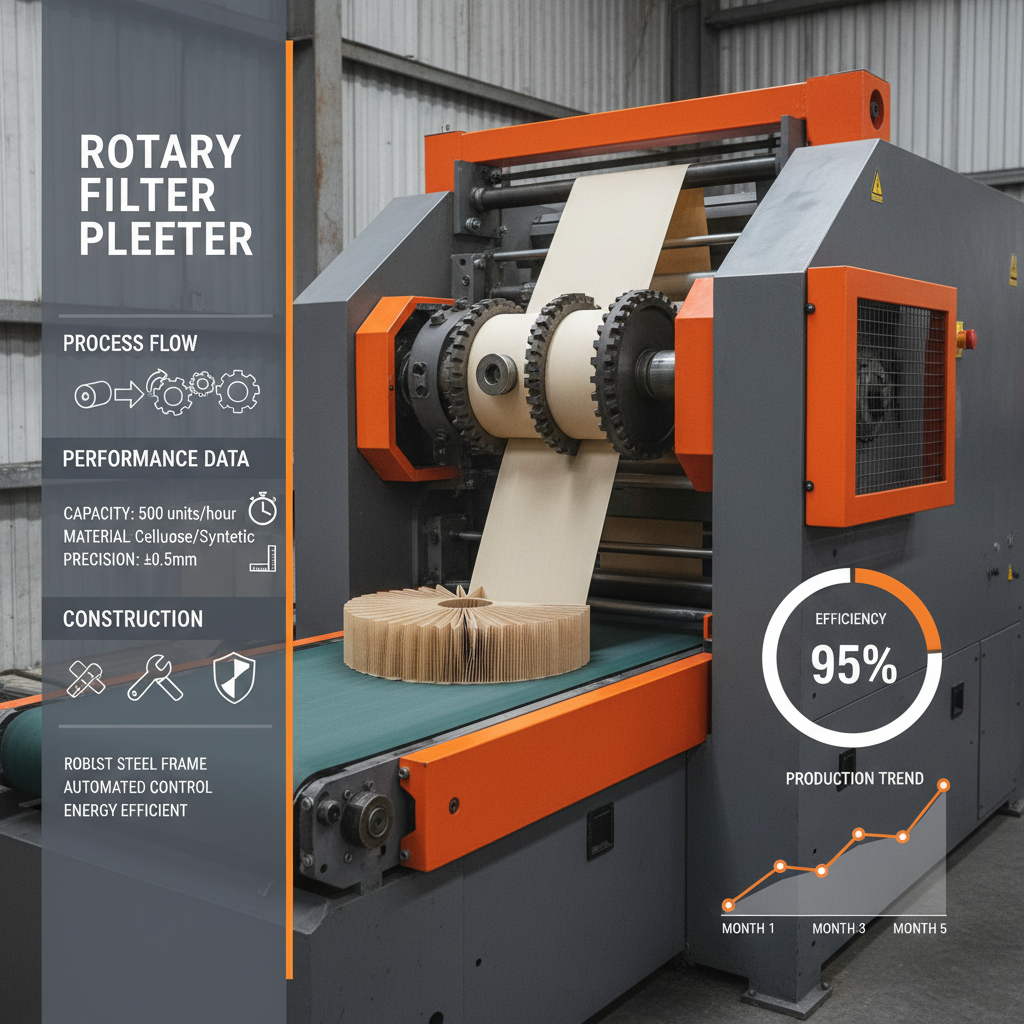
A rotary paper pleating machine utilizes a series of rotating rollers, often with precisely engineered grooves, to repeatedly fold paper into consistent pleats. Unlike older methods relying on manual folding or simpler machines, rotary pleaters offer high speed, accuracy, and adaptability to various paper types and pleat depths. The core components include feeding systems, rotary pleating heads, and collection/winding mechanisms. Different configurations cater to specific production needs, with variations in the number of pleating heads, speed capabilities, and automation levels. Investing in the right machine significantly improves production efficiency and product consistency.
Key Benefits: High-speed operation, consistent pleat quality, adaptability to various paper types, reduced labor costs, and increased production output.
The versatility of rotary paper pleating machines makes them essential in numerous industries. Air and liquid filters rely heavily on pleated media to maximize surface area and filtration efficiency. Medical applications, such as surgical masks and respirators, require precise pleating for effective particle capture. The packaging industry utilizes pleated paper for unique and protective inserts. Beyond these, decorative paper goods, lampshades, and architectural elements also benefit from the aesthetic and structural qualities imparted by precise pleating. The demand for these applications continues to drive innovation and refinement in pleating machine technology.
Common Application Sectors:
• Air and Liquid Filtration
• Medical Supplies (Masks, Respirators)
• Packaging and Inserts
• Decorative Paper Goods
Modern rotary paper pleating machines boast an array of features designed to optimize performance and versatility. Automatic tension control ensures consistent pleat formation regardless of paper weight or thickness. PLC (Programmable Logic Controller) systems enable precise control over speed, pleat depth, and other parameters. Many machines incorporate sensors for automatic paper break detection and shutdown, minimizing waste. Variable frequency drives (VFDs) allow for adjustable speed control, adapting to different production requirements. Furthermore, user-friendly interfaces with touch screen controls simplify operation and troubleshooting. Advanced models also feature automated winding systems for efficient material handling.
Selecting the appropriate rotary paper pleating machine involves careful consideration of several factors. Production volume is paramount – higher volumes necessitate machines with faster speeds and greater automation. The type of paper being pleated, its weight and thickness, will also influence the choice. Pleat depth requirements are crucial, as different applications demand varying pleat configurations. Furthermore, consider the level of operator skill available and the need for user-friendly controls. Finally, factor in the supplier’s reputation for reliability, technical support, and available spare parts. MFilter Solution offers a range of machines tailored to diverse needs.
A rotary paper pleating machine represents a significant investment in efficiency and product quality. By automating the pleating process, businesses can reduce labor costs, increase production output, and ensure consistent results. With a wide range of models available, selecting the right machine tailored to your specific needs is crucial for maximizing return on investment.
Most rotary pleating machines are designed to accommodate a broad range of paper types, including standard offset paper, cardstock, tissue paper, and even some non-woven materials. However, the specific capabilities depend on the machine's design and the adjustment options available. Paper weight and thickness are key considerations; heavier or thicker papers may require more powerful machines and adjustments to the tension control system. Always consult the machine's specifications to ensure compatibility with your intended paper types.
Production speed varies significantly depending on the machine’s model, paper type, pleat depth, and operator skill. However, modern rotary pleating machines can typically achieve speeds ranging from 50 to 300 meters per minute. Higher-end, fully automated machines with multiple pleating heads can achieve even faster speeds. Factors like paper quality and the complexity of the pleat pattern also influence the overall production rate.
Regular maintenance is essential for ensuring optimal performance and longevity. This includes daily cleaning of rollers and pleating heads to remove paper dust and debris. Periodic lubrication of moving parts is crucial to prevent wear and tear. Regular inspection of belts, bearings, and other components is recommended to identify and address potential issues before they lead to breakdowns. Following the manufacturer's maintenance schedule is highly advised.
Safety is paramount when operating any industrial machinery. Essential safety features include emergency stop buttons readily accessible to the operator, safety guards to prevent contact with moving parts, and paper break sensors that automatically shut down the machine. Proper training for operators on safe operating procedures is also vital. Look for machines that comply with relevant safety standards and certifications.

High-Performance Hot Melt Adhesive for Automated Production Lines

The Importance of High Quality Fuel Filters for Napa: Performance, Sustainability, and Reliability