Apr . 07, 2026
In today’s fast-paced world of print finishing and mailing, efficiency and precision are paramount. A paper folding machine is an essential piece of equipment for businesses handling significant volumes of documents. This article provides an in-depth look at these machines, their types, benefits, applications, and considerations when choosing the right one for your needs. Whether you’re looking to automate your office processes or streamline a high-volume production line, understanding the nuances of paper folding machines is crucial.
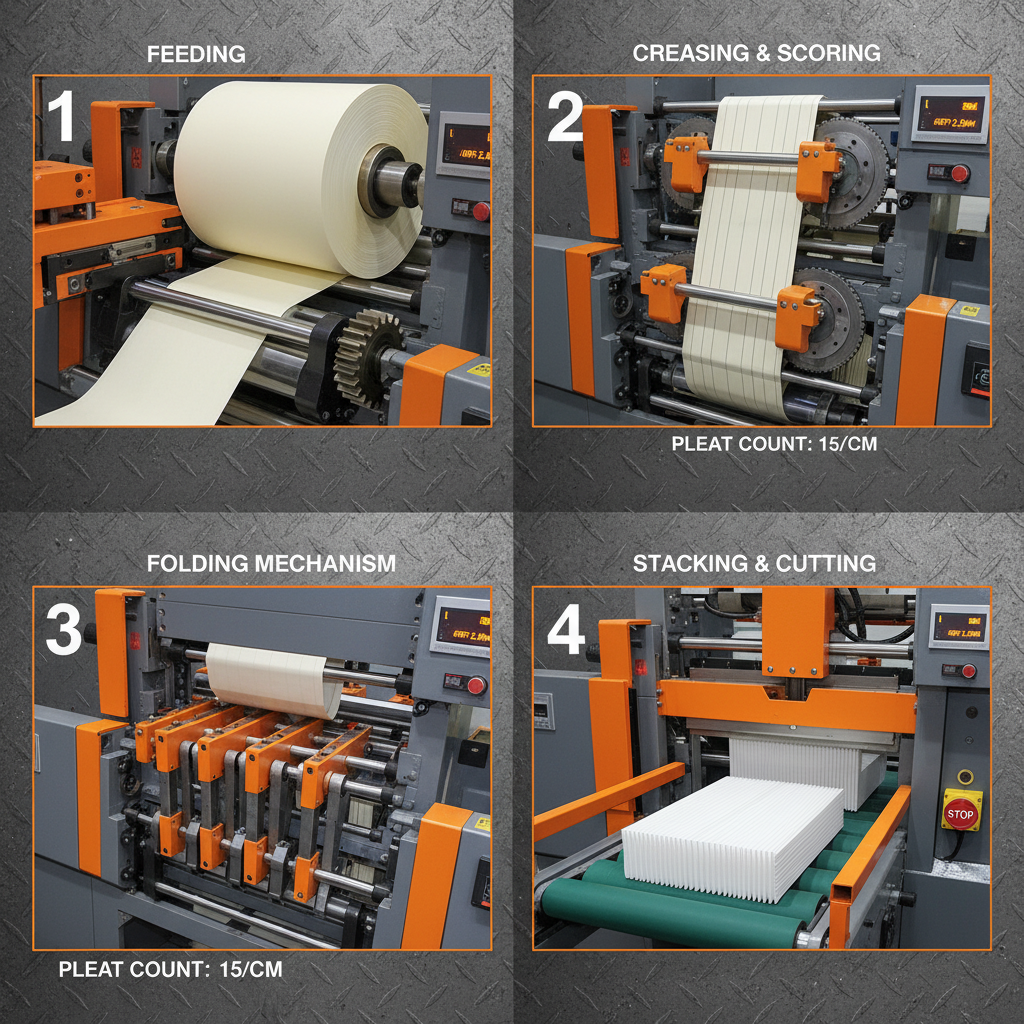
Paper folding machines come in various types, each designed to handle different volumes and folding styles. Understanding these differences is key to making the right investment. The most common types include:
Key Takeaway: Choosing the right type of paper folding machine depends on your production volume, budget, and the types of folds required.
Investing in a paper folding machine offers a multitude of benefits, including increased efficiency, reduced labor costs, and improved accuracy. Automation minimizes the need for manual folding, freeing up employees for other tasks. Consistent and precise folds enhance the professional appearance of your documents. Furthermore, these machines can handle a variety of folding styles, offering flexibility for different applications. A significant increase in productivity is also a key advantage, allowing businesses to handle larger volumes of mailings, brochures, and other printed materials.
Key Benefits:
• Increased Efficiency
• Reduced Labor Costs
• Improved Accuracy
• Enhanced Professionalism
Selecting the right machine requires careful consideration of features and associated costs. Here's a comparison of common types:
Paper folding machines are versatile tools used across a wide range of industries. Common applications include:
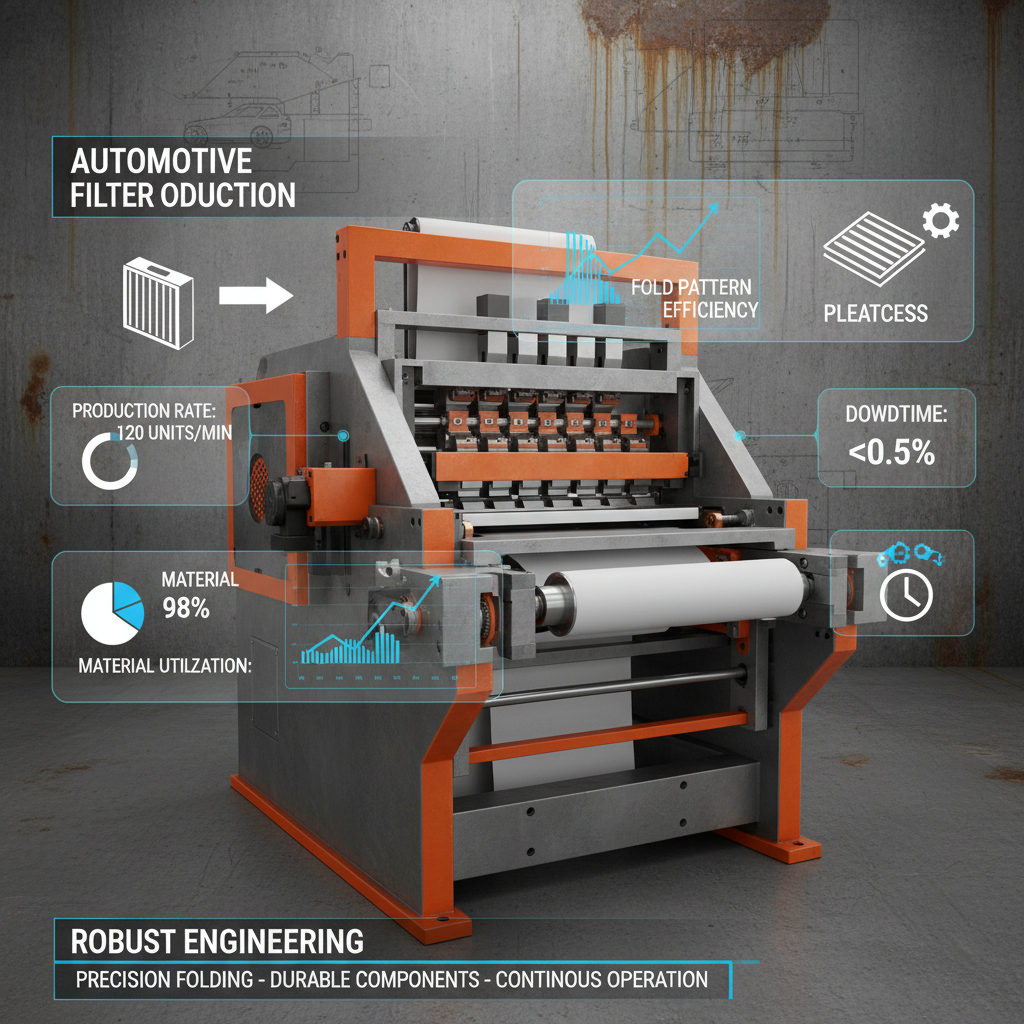
Before investing in a paper folding machine, consider these factors: Volume: How many documents do you need to fold per day/week? Folding Types: What types of folds (e.g., single, double, tri-fold) are required? Paper Stock: What weight and size of paper will you be folding? Budget: How much are you willing to spend? Space: Do you have enough space to accommodate the machine? Carefully evaluating your needs will help you select the best machine for your business.
Investing in a paper folding machine is a strategic move for any business looking to improve efficiency and reduce costs. By carefully considering your needs and selecting the right machine, you can streamline your workflow, enhance the professionalism of your documents, and free up valuable time and resources. Explore the options available at MFilterSolution to find the perfect solution for your business.
Most paper folding machines can perform a variety of folds, including single folds, double folds, z-folds (letter folds), gate folds, and roll folds. More advanced models may also offer specialized folds. The specific folding capabilities will depend on the machine's design and settings. It’s important to determine the types of folds you frequently use and choose a machine that supports them. A versatile machine provides greater flexibility for different projects and reduces the need for manual adjustments.
Paper folding machines require regular maintenance to ensure optimal performance and longevity. This includes cleaning rollers and plates to remove paper dust and debris, lubricating moving parts, and checking for wear and tear. The frequency of maintenance will depend on the machine's usage and the type of paper being folded. Refer to the manufacturer’s manual for specific maintenance instructions. Preventative maintenance can help prevent costly repairs and downtime.
Most paper folding machines can handle a wide range of paper weights, typically from 16 lb bond (standard copy paper) to 14 pt cardstock. However, it’s crucial to check the machine’s specifications to ensure it can accommodate the weights you plan to use. Using paper that is too thick or too thin can cause jams or damage the machine. Some machines are specifically designed to handle heavier stock for applications like brochures and invitations.

High-Performance Hot Melt Adhesive for Automated Production Lines
PLM SOLUTION COMPANY ORDER PROCEEDING