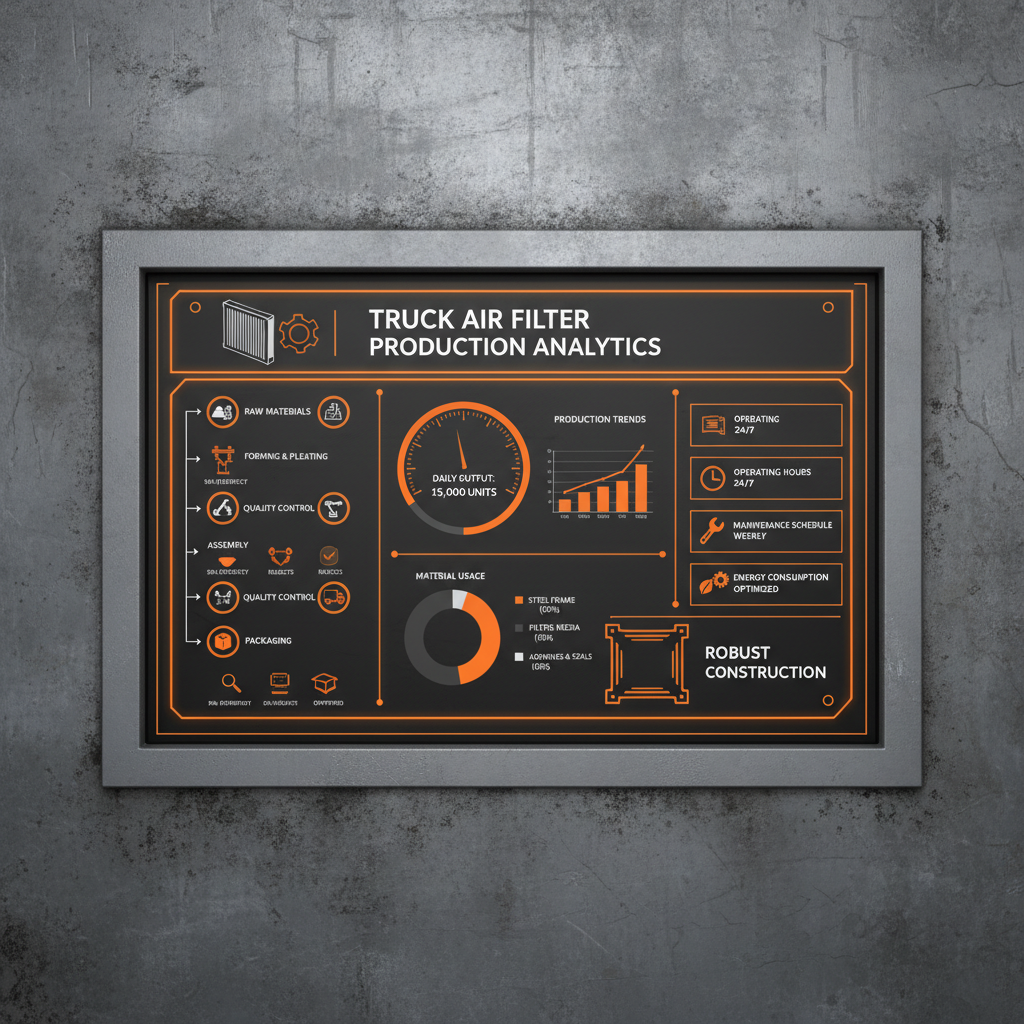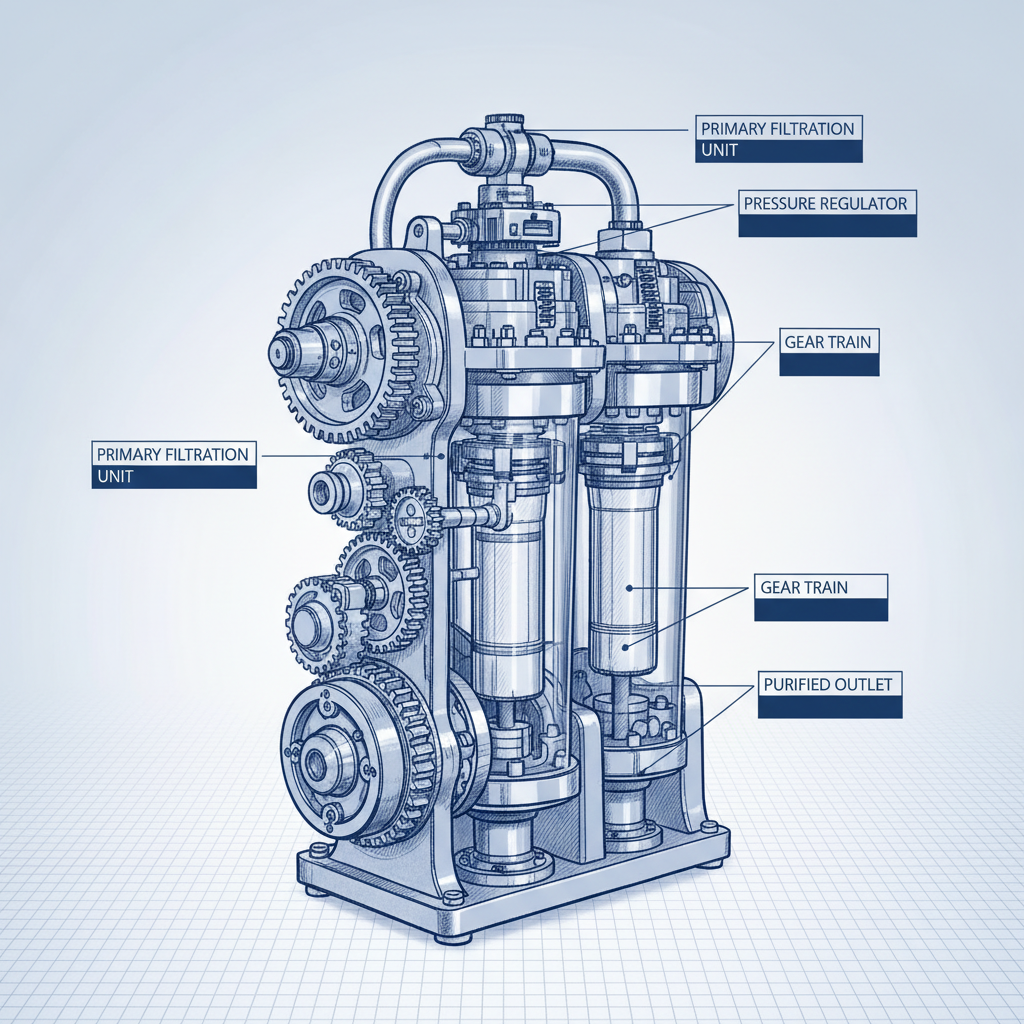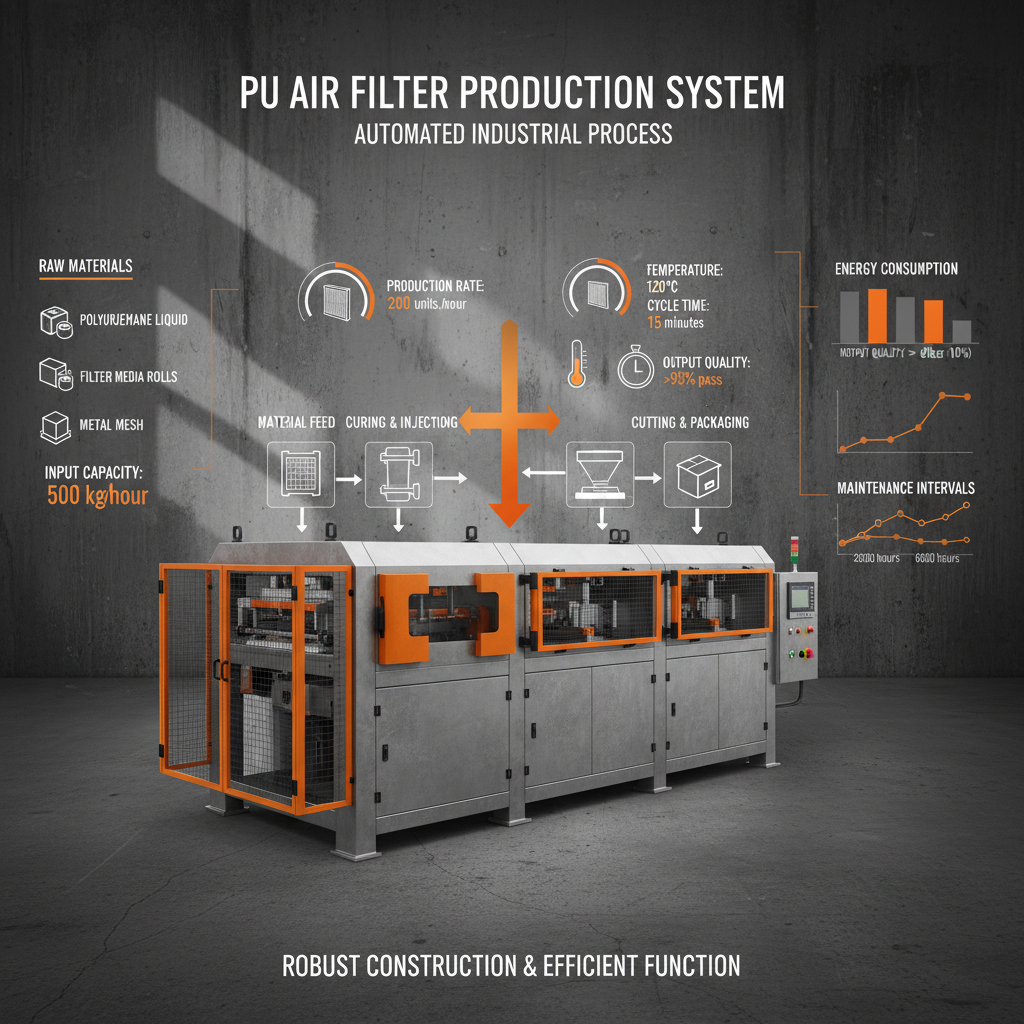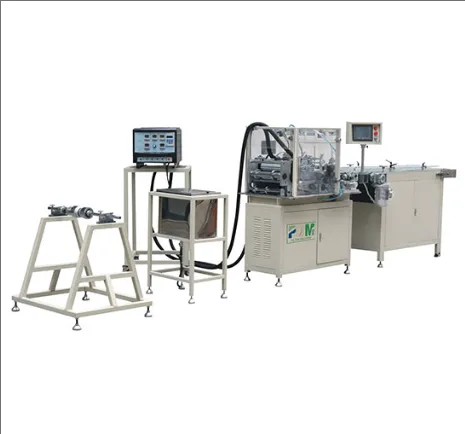
Precision pleating is the cornerstone of filtration efficiency, where the uniformity of the fold directly dictates the air-to-cloth ratio and the longevity of the filter element. For manufacturers scaling their operations, transitioning to a full-auto hdaf rotary paper pleating production line is no longer a luxury but a technical necessity to maintain strict quality tolerances.
The challenge in High-Efficiency Air Filter (HDAF) production lies in preventing material fatigue and tearing during high-speed folding. Traditional methods often struggle with consistency, leading to pleat collapse or uneven spacing, which compromises the filtration performance of the final automotive or industrial product.
By integrating automated synchronization and thermal conditioning, modern rotary systems eliminate human error and drastically increase throughput. This exploration examines how these production lines optimize the pleating process to meet the rigorous demands of global filtration standards.

Technical Architecture of HDAF Rotary Pleating Systems

A high-performance rotary pleating line is a complex assembly of synchronized modules designed to transform raw filter media into precise geometric folds. The process begins with an auto paper de-coiler, which ensures tension-free feeding, followed by a pneumatic pre-slitting machine that prepares the media width with high precision to prevent edge fraying.
One of the most critical components is the pre-heating and water steam device. By applying controlled thermal energy and moisture before the pleating stage, the machine prevents paper breakage during roller marking, which is a common failure point in cold-pleating processes. This thermal conditioning makes the fibers more pliable, allowing for sharper, more stable pleats.
The heart of the system is the rotary drum and gear collecting device. Unlike linear pleaters, the rotary mechanism allows for continuous movement, enabling the machine to reach speeds of up to 35m/min. With computer-controlled auto-counting and forming, the system ensures that every filter element produced is identical in pleat height and count.
Core Engineering Advantages of Full Automation
The shift toward full automation in HDAF production addresses the volatility of manual labor and the inefficiency of semi-automatic systems. The primary advantage is the implementation of servo-driven synchronization, which maintains a perfect ratio between the feeding speed and the rotation of the pleating drum.
Precision is further enhanced by the ability to arbitrarily change drum specifications, allowing manufacturers to adapt to different filter heights (from 10mm to 70mm) without extensive downtime. This flexibility is essential for companies producing a diverse range of Automotive Air and Cabin filters.
Furthermore, the integration of an auto counter and forming device reduces material waste. By marking and cutting the media exactly according to the programmed specifications, the system optimizes the utilization of expensive filter media, directly impacting the bottom line of the manufacturing operation.
Industrial Applications Across Filtration Sectors
The versatility of the rotary pleating line makes it indispensable for various high-demand filtration markets. In the automotive sector, it is primarily used for producing heavy-duty air filters and cabin air filters, where strict airflow and particle capture specifications are required for engine protection and passenger health.
Beyond automotive use, these machines are deployed in the production of industrial-grade primary and medium efficiency air filters. The ability to process various filter media types—from synthetic blends to high-density cellulose—allows the equipment to serve as the backbone for both oil filter and truck air filter production lines.
The scalability of the system also supports niche applications, such as specialized environmental protection equipment and social public service filtration systems, where custom pleat heights and widths are required to fit unique housing dimensions.
Analyzing Production Efficiency and Quality Metrics
When comparing rotary automation to traditional linear pleating, the most significant gains are observed in throughput and pleat consistency. Rotary systems maintain a continuous flow, eliminating the "stop-and-start" waste associated with manual feeding and indexing.
Key performance indicators (KPIs) typically include the rate of material waste, the variance in pleat height, and the total units produced per shift. In high-volume environments, the reduction in downtime for adjustments significantly boosts the overall equipment effectiveness (OEE).
full-auto hdaf rotary paper pleating production line Performance Metrics
As shown in the data, the automation of the pleating process not only accelerates speed but also elevates the quality benchmark. The synchronization of the gear collecting system ensures that the pleats are well-formed and stable, which is critical for filters that must withstand high pressure drops without collapsing.
Operational Best Practices for Maximum Equipment Life
To maintain the precision of a rotary pleating line, rigorous adherence to a maintenance schedule is paramount. The pneumatic cutting knives in the pre-slitter must be sharpened regularly to ensure clean cuts and avoid jagged edges that could trigger paper tears during the pleating process.
Temperature control for the pre-heating device should be monitored continuously. Operating between normal temperature and 300°C allows for the processing of different media weights; however, exceeding the optimal thermal window can degrade the filter paper's structural integrity.
Operators should also focus on the alignment of the gear collecting device. Even a slight misalignment can result in asymmetrical pleats, which reduces the effective filtration area and can cause the filter element to fail quality inspections during the final assembly stage.
Future Trends in Smart Filtration Manufacturing
The evolution of filter manufacturing is moving toward "Industry 4.0" integration, where pleating lines will likely incorporate real-time sensory feedback. Future systems may use optical sensors to detect pleat irregularities in real-time, automatically adjusting the servo-drive speed to correct deviations.
There is also a growing trend toward the use of sustainable, biodegradable filter media. This will require rotary pleaters to have more adaptive thermal and moisture control systems, as eco-friendly materials often exhibit different pliability and heat-sensitivity profiles than traditional cellulose.
We can also expect a deeper integration of modularity. The ability to quickly swap pleating drums for different specifications—reducing changeover time from hours to minutes—will become a primary competitive advantage for manufacturers serving multiple market segments.
Selection Criteria for High-Volume Pleating Solutions
Choosing the right production line requires a balance between output requirements and the specific characteristics of the filter media. A manufacturer focused on heavy-duty truck filters will prioritize pleat height and structural stability, while a cabin filter producer will focus on speed and precision.
The following table provides a framework for evaluating different technical approaches based on production goals and media requirements.
| Configuration Focus | Primary Application | Critical Technical Requirement | Operational Impact |
|---|---|---|---|
| High-Speed Rotary | Automotive Air Filters | Servo Synchronization | Maximized Throughput |
| Thermal-Enhanced | Heavy Duty HDAF | Pre-heating/Steam Control | Reduced Media Breakage |
| Precision-Adjustable | Cabin/Specialty Filters | Customizable Drum Size | High Product Versatility |
| High-Width Format | Industrial Air Panels | 600mm Max Width Capability | Larger Surface Area |
| Automated Counting | Mass Production Lines | Computerized Marking System | Zero Counting Errors |
| Heavy-Duty Frame | 24/7 Industrial Use | Robust Gear Collecting Device | Low Maintenance Downtime |
Ultimately, the decision should be based on the total cost of ownership, including the efficiency of the production process and the reliability of the after-sales support. For those seeking comprehensive systems, reviewing the solutions at www.mfiltersolution.com can provide insight into integrated production workflows.
Frequently Asked Questions
Conclusion
The implementation of a full-auto hdaf rotary paper pleating production line represents a strategic upgrade for any filtration manufacturer aiming for global competitiveness. By replacing manual variability with automated precision, companies can guarantee the structural integrity and performance of every filter element, regardless of the volume.
From the critical role of thermal conditioning to the efficiency of rotary synchronization, these systems provide the technical foundation necessary for producing high-performance automotive and industrial filters. Those evaluating the transition to automated pleating can explore specialized production solutions through www.mfiltersolution.com to optimize their manufacturing workflow.