The full-auto cnc knife paper pleating production line is a critical infrastructure for manufacturers specializing in high-efficiency filtration media. In the specialized equipment manufacturing sector, the ability to produce uniform, high-precision pleats determines the overall airflow balance and dust-holding capacity of air and oil filters, making automation an industrial necessity.
Many production facilities struggle with material waste and inconsistent pleat spacing when relying on semi-automatic or manual systems. These inconsistencies not only lower the quality of the final filter but also increase labor costs and operational downtime during material changeovers.
This technical analysis provides a detailed examination of the CNC-controlled pleating process, the integration of pre-slitting and marking systems, and the specific operational parameters required to optimize production for automotive and industrial filter media.

System Architecture and Core Components

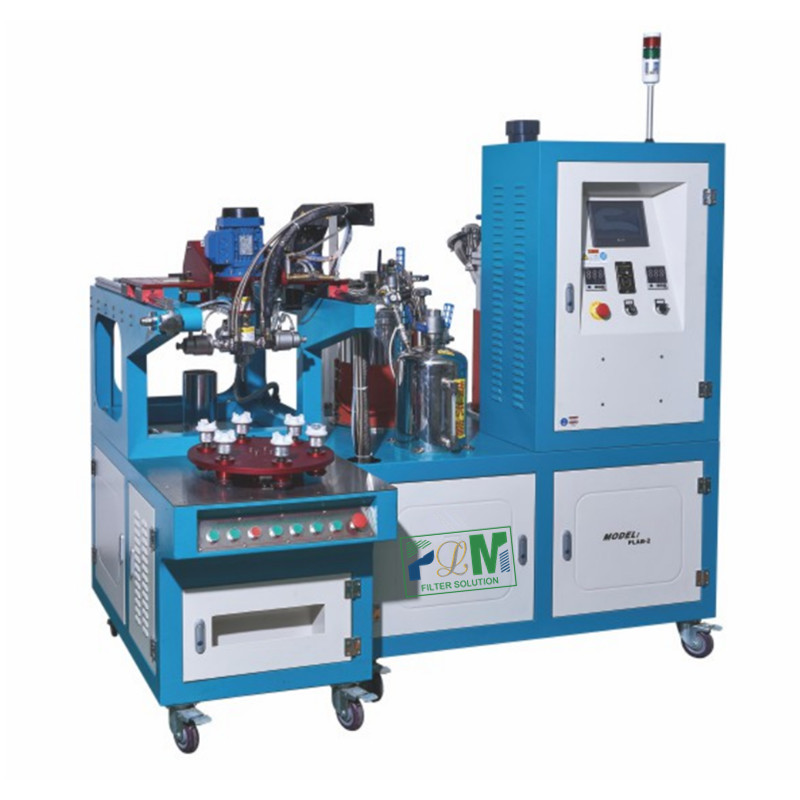
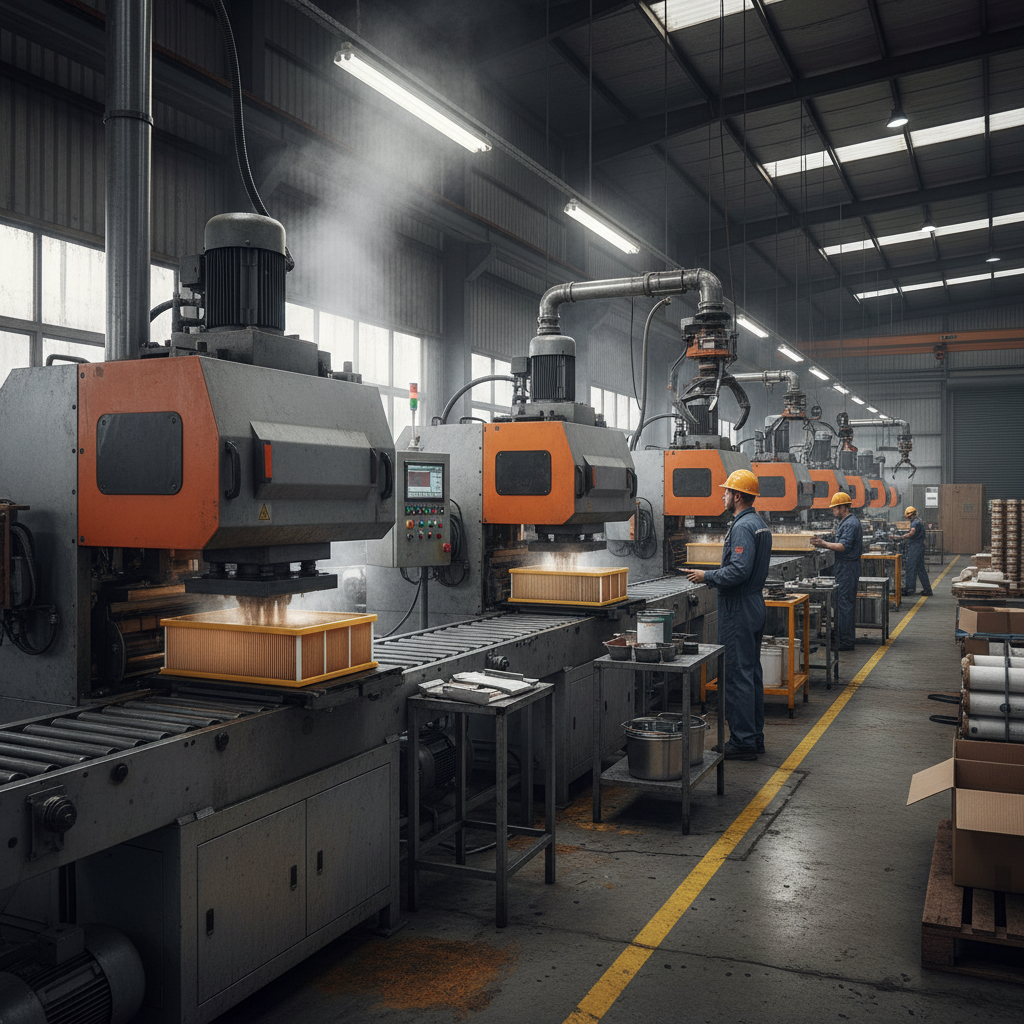
A professional full-auto cnc knife paper pleating production line is not a single machine but a synchronized sequence of specialized modules. The process begins with an auto paper de-coiler that ensures tension-free feeding, followed by a pre-slitting conveyor where cylinder blades adjust cutting dimensions via frequency converter speed regulation to match specific filter sizes.
Following the slitting process, the material passes through a computer-controlled marking machine. This module utilizes servo motor loads to set marking distances arbitrarily between 8-65mm, ensuring that every pleat is positioned with mathematical precision before reaching the final pleating and pre-heating stage.
CNC Precision and the Pleating Mechanism
The core of the PLCZ 55-1050-A system is the CNC-controlled knife pleating mechanism, which uses upper and lower blades to alternately fold the filter media. Unlike mechanical cams, the CNC system allows for automatic adjustment of blade distance, enabling manufacturers to achieve varying pleating heights without manual hardware reconfiguration.
This precision is vital for maintaining a uniform pleat pitch. When the spacing is perfectly consistent, the air pressure is distributed evenly across the entire surface area of the filter, preventing "blow-through" points and significantly extending the service life of the automotive or industrial air filter.
Material Adaptability and Process Flow
Modern filtration requirements demand the ability to process diverse media. This production line is engineered to handle cellulose paper, non-woven cloth, and complex composite filter media. The integration of a pre-heater (operating up to 250°C) is particularly important for thermoplastic fibers or composite materials that require heat-setting to maintain the pleat shape.
Beyond standard paper, the system is capable of folding iron wire fabric used in hydraulic filters and executing multilayer folding. This versatility allows a single production line to serve multiple product categories, from cabin air filters to heavy-duty truck air filter solutions, reducing the need for multiple specialized machines.
Operational Performance Metrics
To evaluate the efficiency of a CNC pleating line, manufacturers look at the relationship between pleating speed, material width, and power consumption. The PLCZ 55-1050-A supports a maximum width of 1050mm and a pleating speed of up to 140 pleats per minute, balancing throughput with structural integrity.
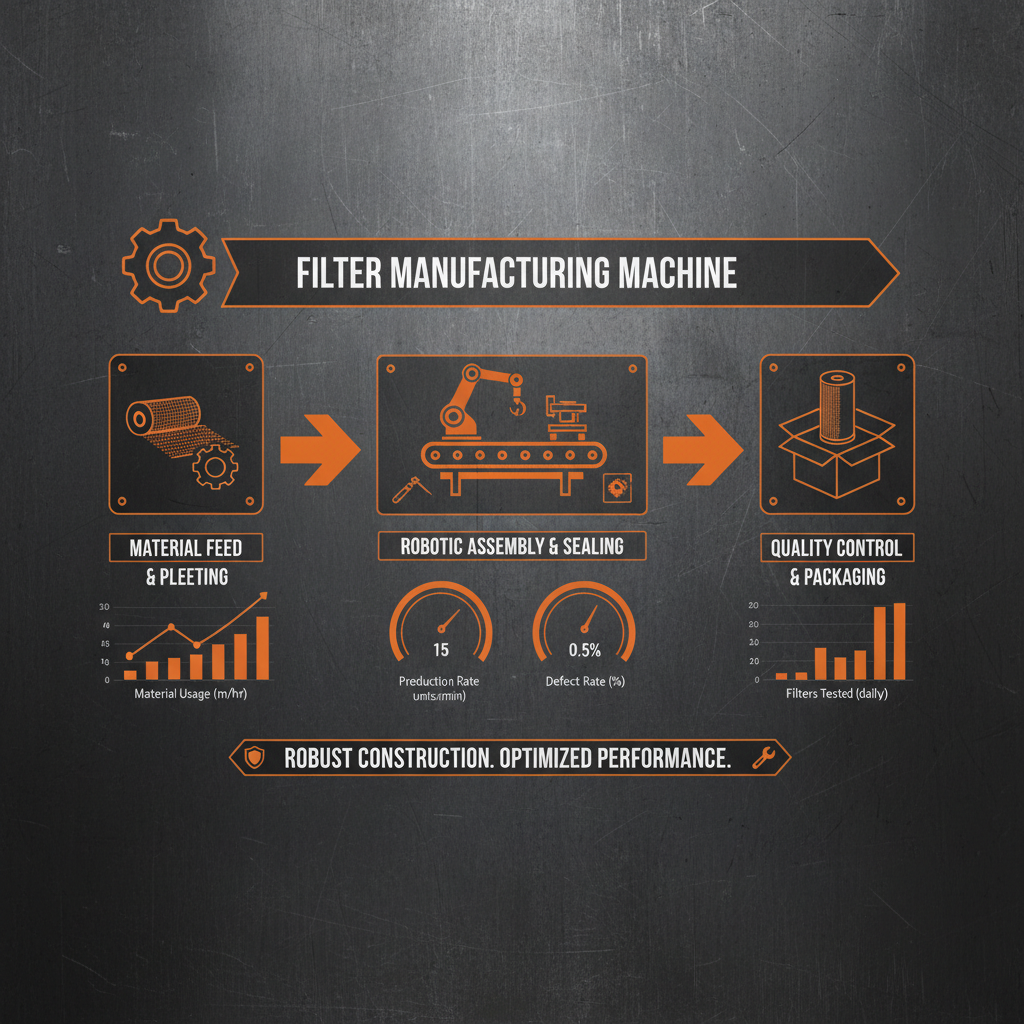
The following conceptual data represents the relative efficiency gains in different production stages when moving from semi-automatic to full-auto CNC systems. The metrics illustrate a normalized improvement in precision, speed, and material utilization across a typical industrial cycle.
Industrial Application Scenarios
The application of this technology spans several high-precision industries. In the automotive tri-filter industry, it is used to produce air, oil, and fuel filters where strict tolerances are mandatory. In water treatment and purification, the machine processes synthetic media used in high-pressure hydraulic filtration systems.
Furthermore, the system is essential for producing HVAC cabin air filters and primary-to-high efficiency air filters. Because the CNC system can be reprogrammed for different dimensions, manufacturers can quickly pivot from producing small-scale automotive components to large-scale industrial purification elements.
Implementation Challenges and Mitigations
Transitioning to a fully automated CNC line requires careful consideration of air pressure and power stability. The system requires a consistent working air pressure of 0.6Mpa to ensure the cylinder blades and pneumatic components operate without lag, which could otherwise cause pleat misalignment.
Another common challenge is material tension. If the auto paper de-coiler is not perfectly synchronized with the pre-slitting conveyor, the paper may stretch or tear. This is mitigated through the integrated monitoring system that runs the conveyor in synchronism with the marking machine, ensuring the media is fed at a constant, controlled rate.
Technology Comparison: CNC vs. Conventional
When deciding between a conventional mechanical pleater and a full-auto CNC knife production line, the decision usually centers on the required product variety and precision. Conventional machines are often faster for a single, unchanging product, but CNC systems provide vastly superior flexibility.
| Comparison Dimension | Conventional Mechanical | Full-Auto CNC System | Impact on Production |
|---|---|---|---|
| Adjustment Method | Manual Gear/Cam | Digital PLC Control | Reduced Changeover Time |
| Pleat Consistency | Moderate Variance | High Precision | Higher Filtration Quality |
| Material Range | Limited/Specific | Broad/Composite | Product Diversification |
| Labor Requirement | High Manual Input | Minimal Intervention | Lower Operating Costs |
| Waste Generation | Higher Setup Waste | Optimized Cutting | Lower Material Cost |
| Setup Complexity | Hardware Changes | Software Parameters | Faster Market Response |
For manufacturers who frequently switch between different filter sizes or use advanced composite materials, the investment in a CNC-based production line is justified by the reduction in scrap and the increase in product consistency.
Frequently Asked Questions
The system is designed to process non-woven cloth, cellulose paper, composite filter media, and even iron wire fabric for hydraulic filters.
CNC control allows for digital adjustment of pleat height, spacing, and angle, eliminating the human error associated with manual mechanical adjustments.
Yes, it supports continuous operation with speeds up to 140 pleats/min and automatic feeding, making it ideal for industrial-scale manufacturing.
The pre-heater (up to 250°C) helps set the pleats in thermoplastic or composite materials, ensuring the filter maintains its shape under operational pressure.
Yes, the marking distance can be arbitrarily set via the computer between 8-65mm, driven by high-precision servo motors.
The pre-slitter operates on 220V/50HZ, while the main paper folding machine requires 380V/50HZ with a motor power of 5kw and pre-heater power of 8kw.
Conclusion
The full-auto cnc knife paper pleating production line represents a shift toward digitalization in filter media manufacturing. By integrating automated slitting, precision marking, and CNC-controlled folding, manufacturers can achieve a level of consistency and material flexibility that is impossible with manual systems. This results in filters with better airflow distribution, higher durability, and lower production waste.
For enterprises looking to upgrade their filtration production capabilities, exploring integrated solutions is recommended. Detailed technical specifications and configuration options can be reviewed at www.mfiltersolution.com to ensure the equipment aligns with specific material and volume requirements.