Mar . 28, 2026
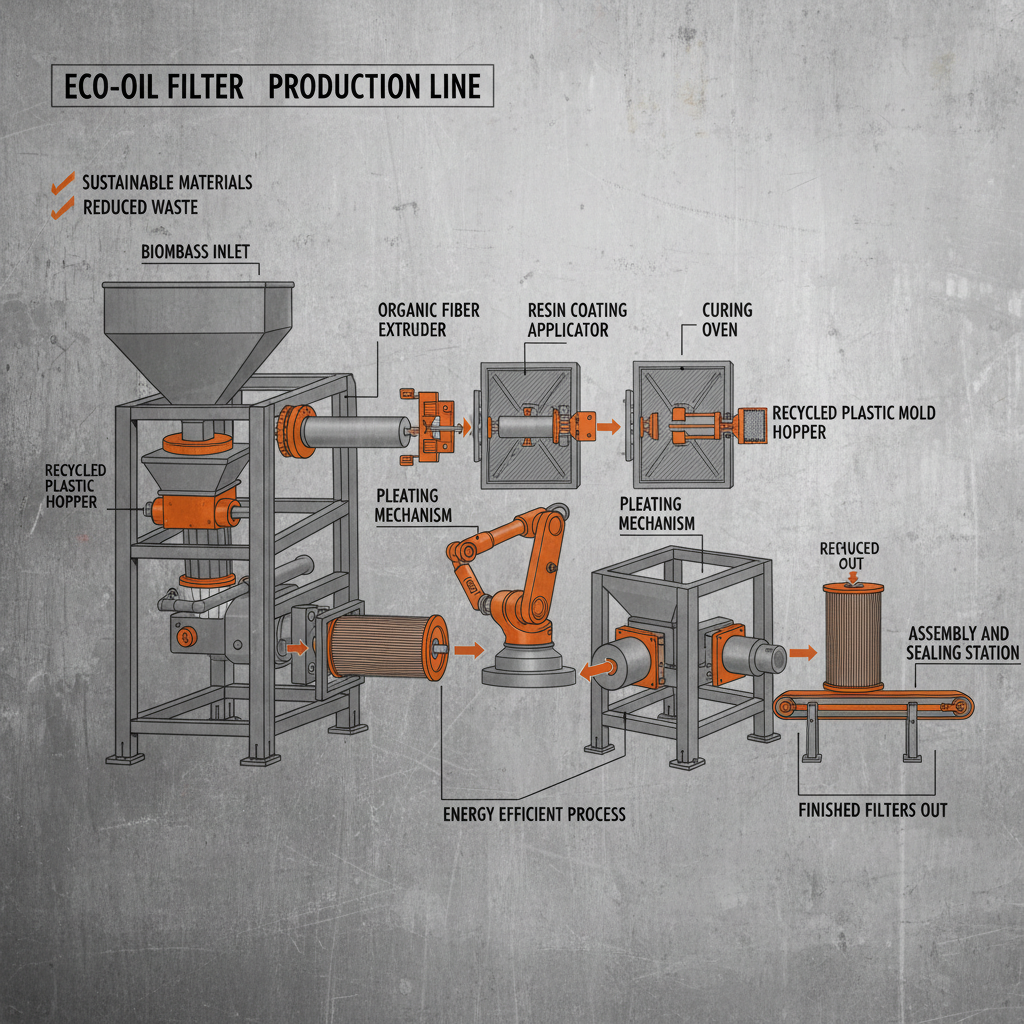
The demand for high-quality oil filters is consistently growing, driven by the expanding automotive and industrial sectors. A robust and efficient spin-on oil filter producing machine is crucial for manufacturers aiming to meet this demand while maintaining cost-effectiveness and product quality. This article provides an in-depth overview of these machines, their components, features, and considerations for selection. We’ll explore the key aspects that contribute to an optimal oil filter manufacturing process, helping you make informed decisions for your business.
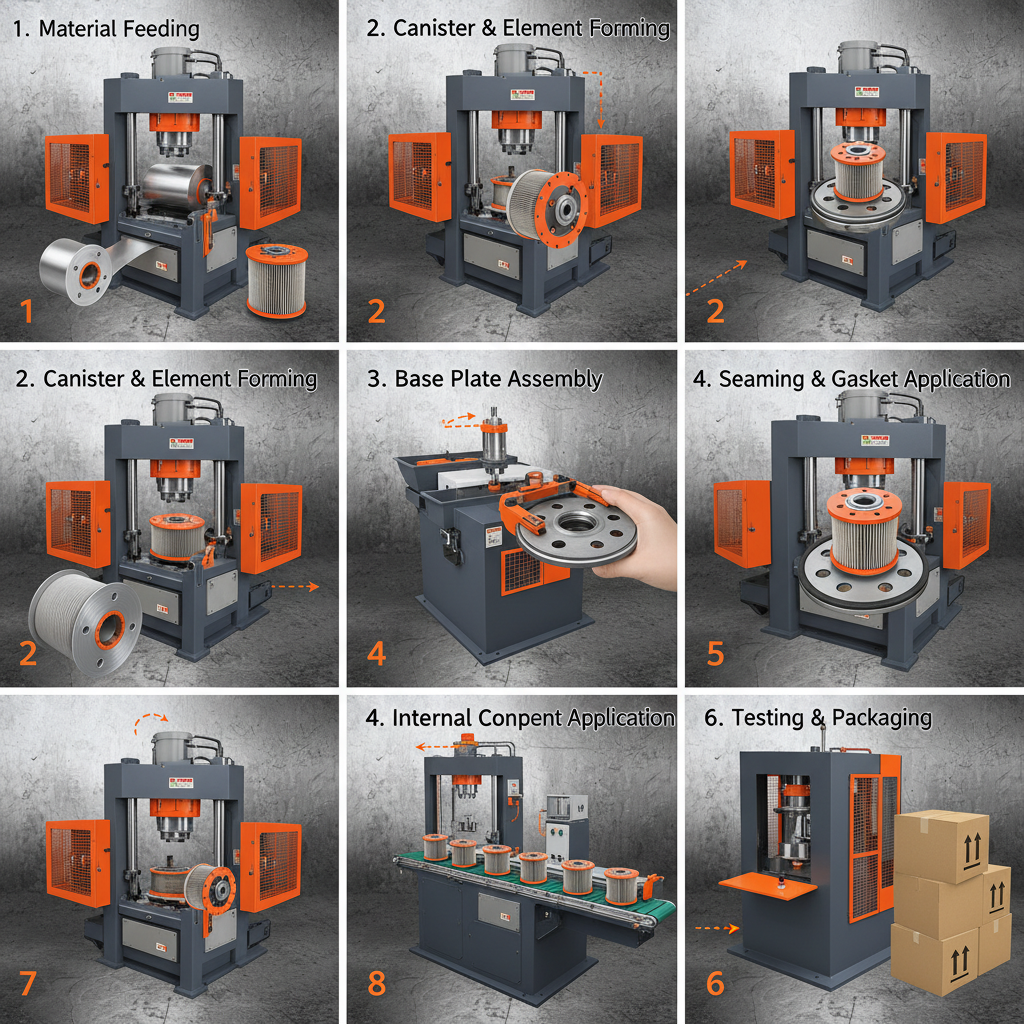
Spin-on oil filters are essential for maintaining the health of internal combustion engines. They remove contaminants from oil, preventing damage and extending engine life. Producing these filters efficiently requires a specialized machine capable of handling multiple stages, including sheet metal forming, filter element pleating, assembly, and quality control. A fully automated spin-on oil filter producing machine streamlines this process, minimizing labor costs and maximizing output. The core principles involve precise metalworking, reliable sealing, and consistent quality across a large production volume.
Key Benefits: Reduced labor costs, increased production efficiency, consistent product quality, and minimized material waste.
A modern spin-on oil filter producing machine consists of several key components working in harmony. These include: a sheet metal slitting and forming unit, a filter paper pleating machine, a core assembling station, a sealing and bonding system, a paint coating station, and a quality control system. The sheet metal unit cuts and shapes the filter housing, while the pleating machine forms the filter element. Assembly stations combine these components, and sealing ensures a leak-proof design. Finally, quality control checks verify the filter’s performance and structural integrity. Each component requires precision engineering and regular maintenance to ensure optimal performance.
Core Components Breakdown:
• Sheet Metal Forming Unit
• Filter Paper Pleating Machine
• Core Assembling Station
• Sealing and Bonding System
• Paint Coating Station
• Quality Control System
Spin-on oil filter producing machines are available with varying levels of automation. Manual machines require significant operator intervention, while fully automatic lines operate with minimal human input. Semi-automatic machines fall in between, combining automated stages with manual tasks. The choice depends on production volume, budget, and available skilled labor. Investing in higher automation levels typically results in lower long-term costs, despite the initial investment.
Selecting the right spin-on oil filter producing machine requires careful consideration of several factors. Production capacity, filter size range, budget constraints, and available floor space are all important. It's also essential to consider the machine’s maintenance requirements and the availability of spare parts. A reputable supplier like M Filter Solution can provide valuable guidance and support throughout the selection process.
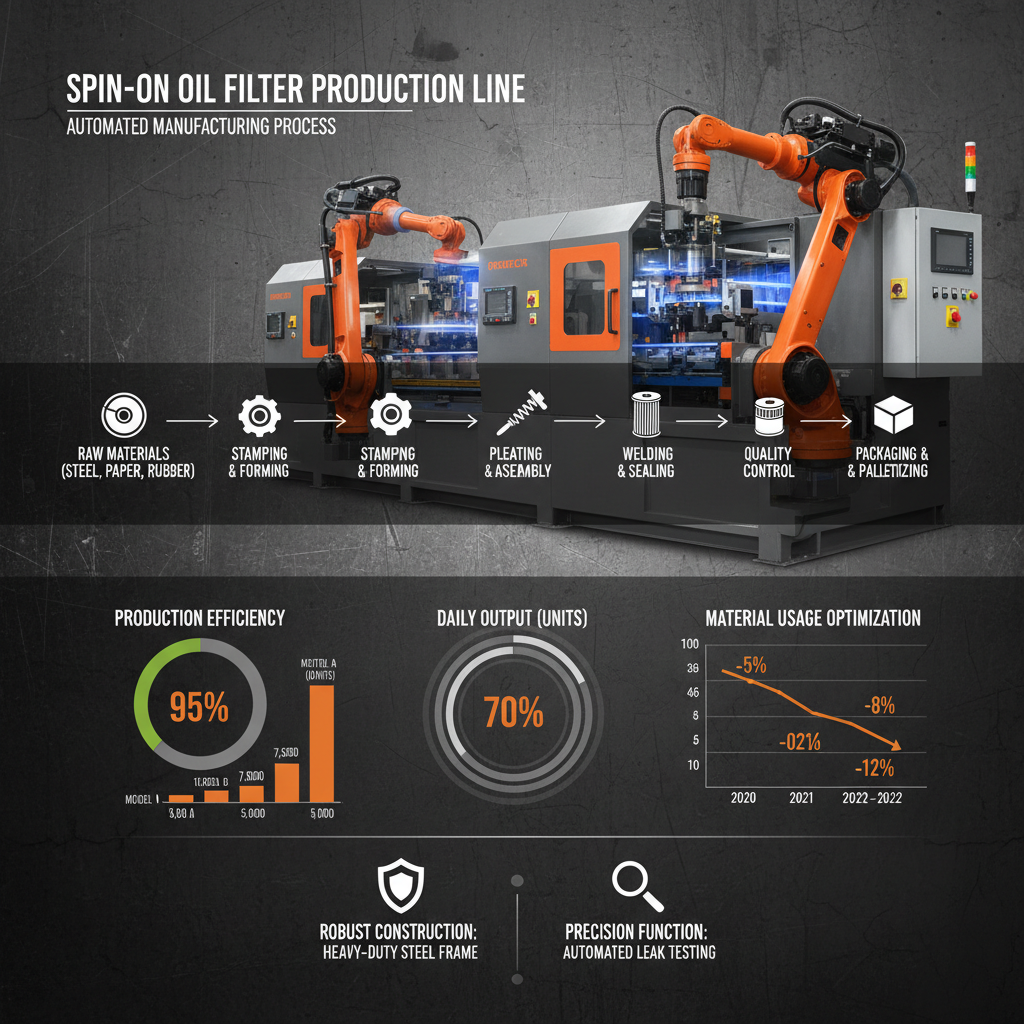
The technical specifications of a spin-on oil filter producing machine vary depending on the model and manufacturer. Typical specifications include a production capacity of 500-3000 filters per hour, accommodating filter diameters ranging from 70mm to 150mm, and requiring a power supply of 380V. It’s crucial to review the specifications carefully to ensure the machine meets your specific production needs.
Investing in a high-quality spin-on oil filter producing machine is a strategic move for any manufacturer seeking to optimize production, enhance product quality, and reduce costs. Choosing the right machine requires careful consideration of your specific needs and a partnership with a reliable supplier. M Filter Solution is dedicated to providing innovative and dependable solutions for the oil filter manufacturing industry.
Regular maintenance is crucial for ensuring the longevity and efficient operation of the machine. This includes daily lubrication of moving parts, weekly cleaning of filter elements and dust collectors, and periodic inspection of belts, chains, and electrical connections. Annual preventative maintenance, performed by a qualified technician, is also recommended to identify and address potential issues before they lead to downtime. Refer to the machine's manual for detailed maintenance instructions. Neglecting maintenance can lead to decreased production efficiency, reduced product quality, and costly repairs.
Modern spin-on oil filter producing machines incorporate several safety features to protect operators and prevent accidents. These commonly include emergency stop buttons, safety guards around moving parts, light curtains to detect intrusions, and overload protection systems. Proper training on machine operation and safety protocols is essential for all personnel. Regular safety inspections should be conducted to ensure all safety features are functioning correctly. Compliance with relevant safety standards is a critical aspect of machine design and operation.
Many spin-on oil filter producing machines are designed to accommodate a range of filter sizes and types. However, the specific capabilities vary depending on the machine's configuration and tooling. Some machines require tool changes to switch between different filter sizes, while others feature automatic adjustment systems. It’s important to clearly specify your production requirements to the machine supplier to ensure the selected machine can handle your desired range of filters.
The lead time for delivery of a new spin-on oil filter producing machine typically ranges from 6 to 12 weeks, depending on the machine's complexity, customization requirements, and the manufacturer's production schedule. It's advisable to confirm the lead time with the supplier before placing an order, especially if you have specific delivery deadlines. Factors such as shipping distance and customs clearance can also affect the overall delivery time.
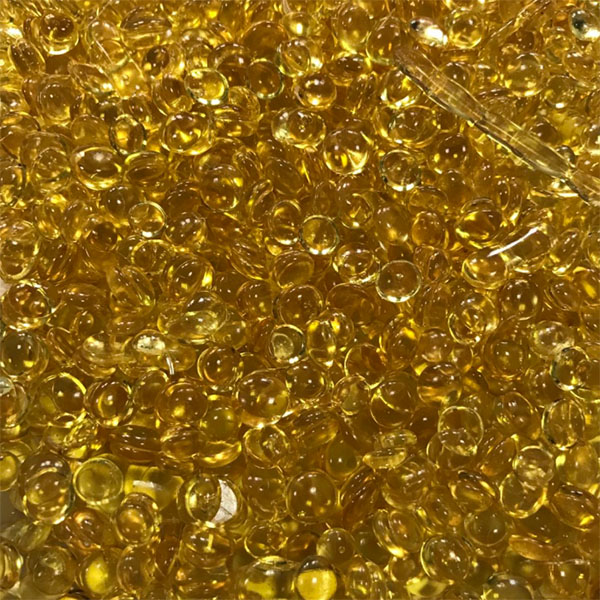
High-Performance Hot Melt Adhesive for Automated Production Lines
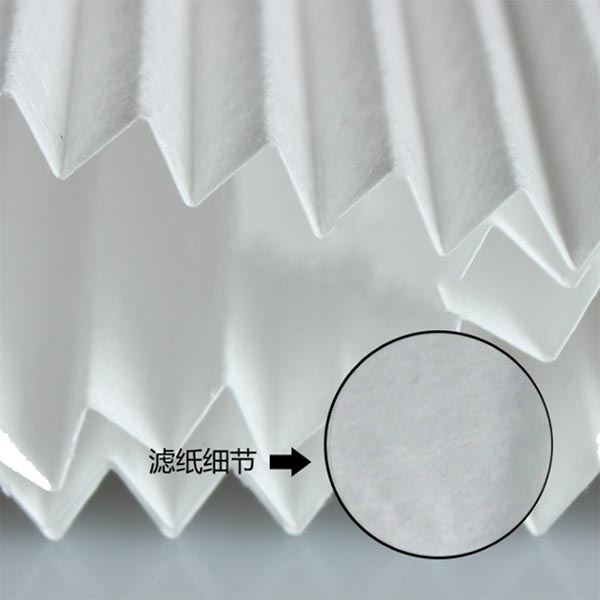
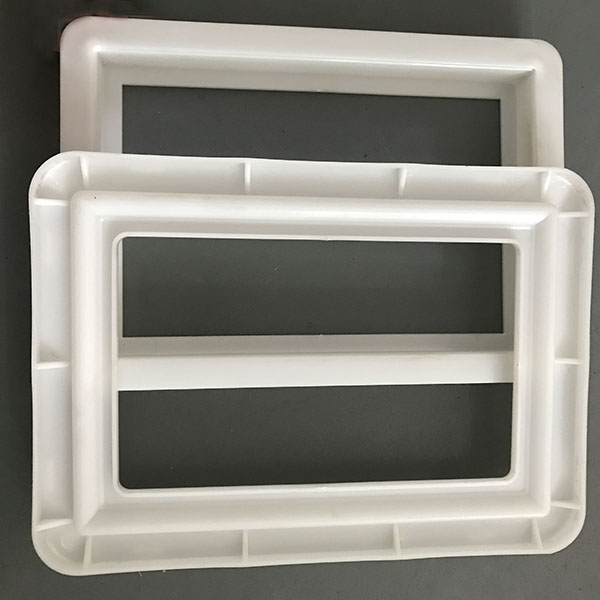
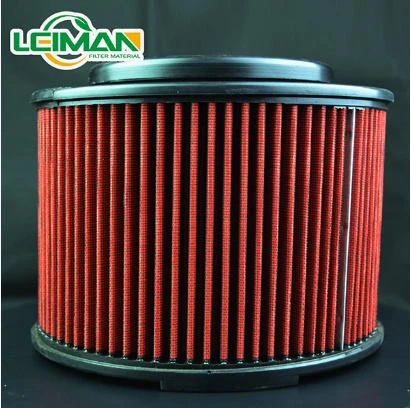
The Advancements of the Truck Air Filters Machine Production Line