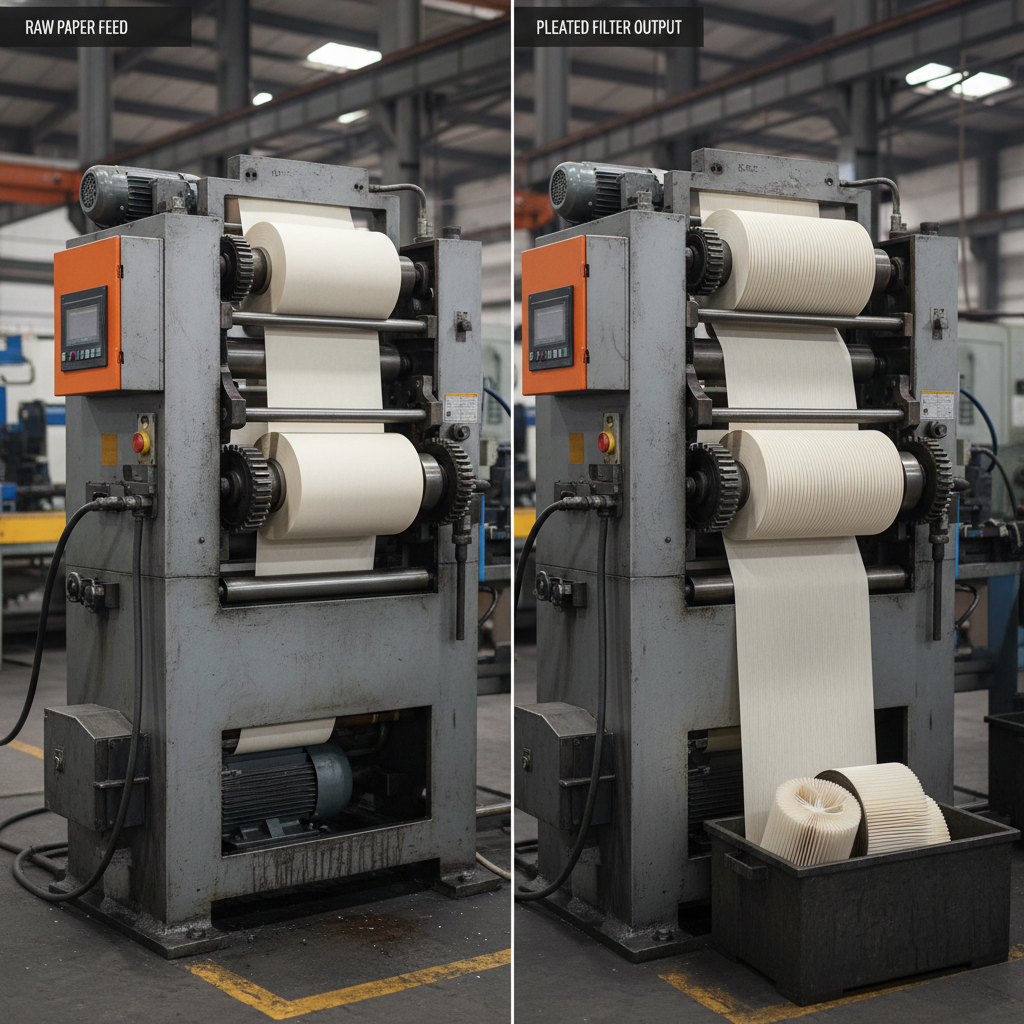
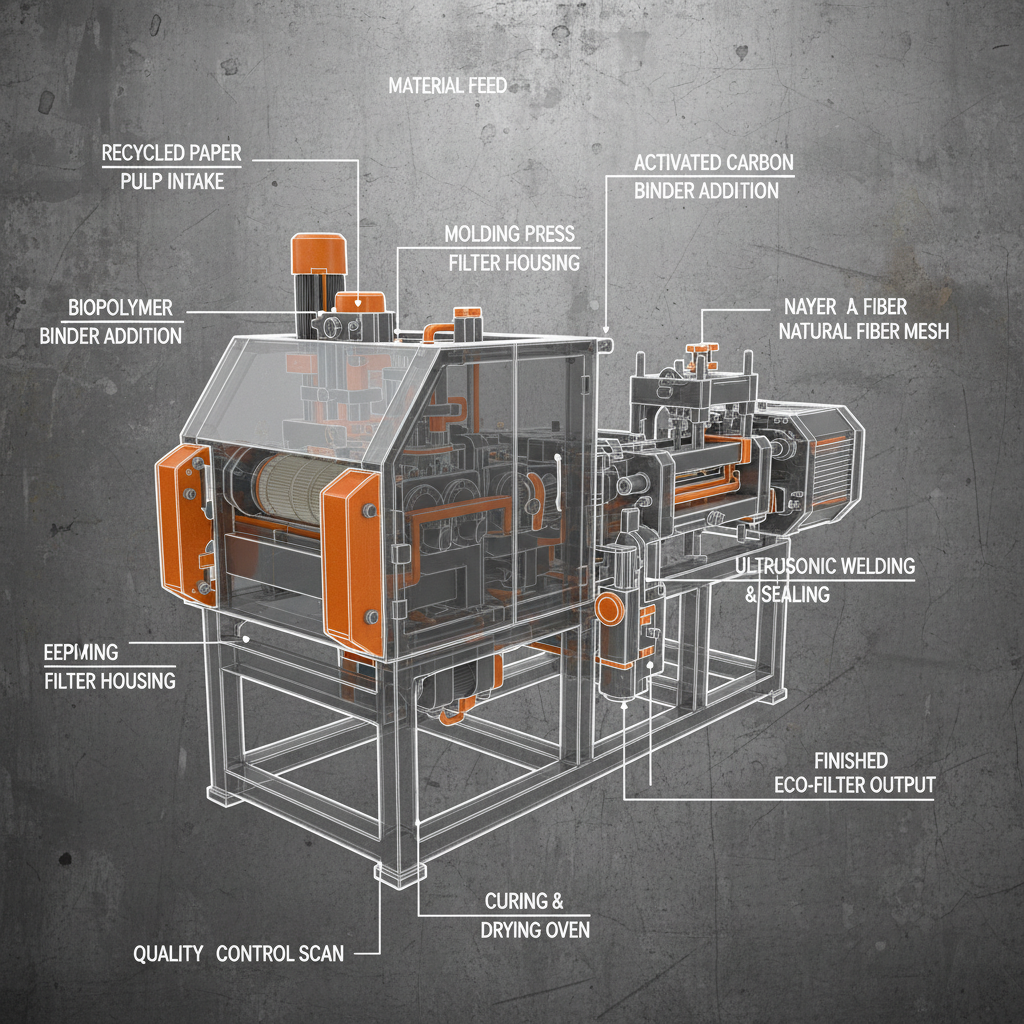
In the demanding world of industrial filtration, the precision of pleating is the heartbeat of filter efficiency. A high-performance paper folding machine is not merely a piece of equipment but a critical engineering tool that determines the surface area, air-to-cloth ratio, and ultimate durability of automotive and industrial air filters. By transforming flat filter media into intricate, pleated structures, these machines enable the capture of microscopic particulates while maintaining optimal airflow.
Globally, the shift toward stricter emission standards and higher engine efficiency has placed immense pressure on filter manufacturers to innovate. The ability to maintain consistent pleat depth and spacing is no longer a luxury—it is a requirement for ISO certification and OEM approval. Whether producing cabin air filters for luxury vehicles or heavy-duty oil filters for industrial machinery, the accuracy of the folding process directly impacts the longevity of the engine and the health of the end-user.
Understanding the nuances of the paper folding machine allows manufacturers to scale their production from boutique workshops to massive industrial plants. From reducing material waste to increasing throughput, the right folding solution optimizes the entire production chain. In this comprehensive guide, we explore how modern pleating technology is redefining the standards of the filtration industry and why investing in precision machinery is the key to long-term market competitiveness.
Global Industry Context of Paper Folding Machines
The global demand for air and oil filtration is surging, driven by the rapid expansion of the automotive sectors in Asia-Pacific and the strict environmental regulations imposed by the European Union. According to industry benchmarks, the precision of the paper folding machine is the primary variable in meeting ISO 5011 standards for air cleaner test methods. As vehicles move toward higher horsepower and smaller footprints, the need for high-density pleating becomes paramount to ensure enough filtration area fits within tight engine compartments.
Historically, manual or semi-automatic folding led to significant inconsistencies, causing "pleat bunching" or uneven air distribution, which shortened filter life. Today, the industry is transitioning toward fully synchronized servo-driven systems. This shift addresses the critical challenge of material waste—where a 1% reduction in scrap during the folding process can save large-scale manufacturers hundreds of thousands of dollars annually in raw filter media costs.
Defining the Modern Paper Folding Machine
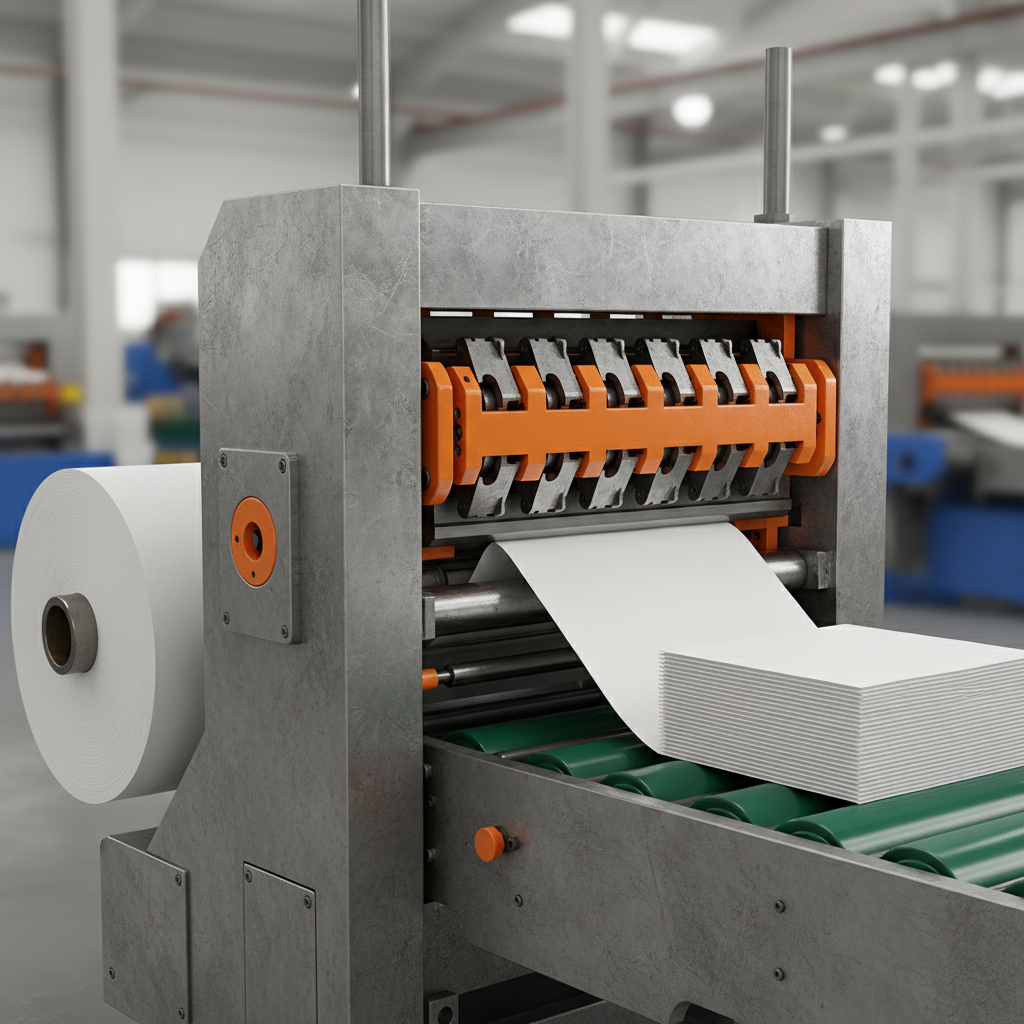
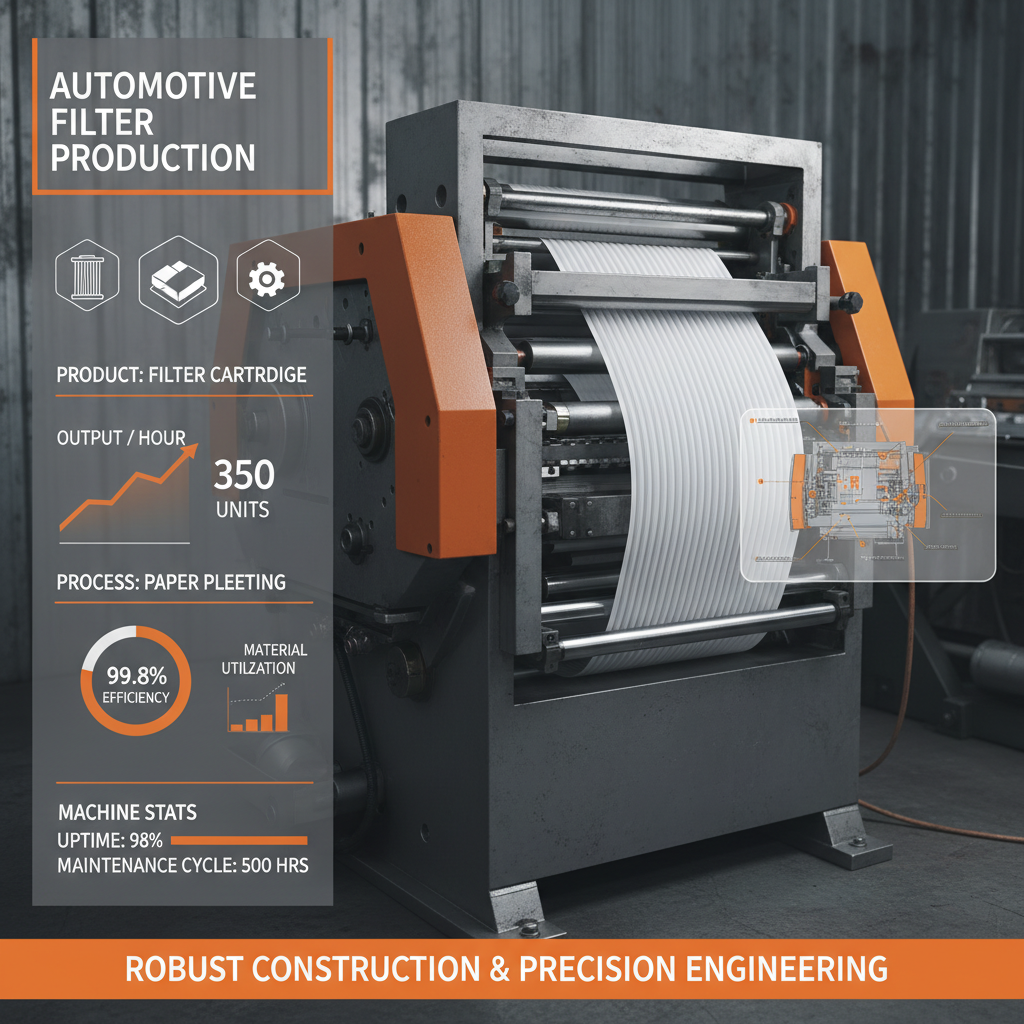
At its core, a paper folding machine is a specialized industrial apparatus designed to fold filter paper or synthetic non-woven fabrics into a precise "V" or "Z" shape. This process, known as pleating, maximizes the surface area of the filter media within a fixed cylindrical or rectangular volume, allowing for maximum dust-holding capacity without restricting the flow of air or oil.
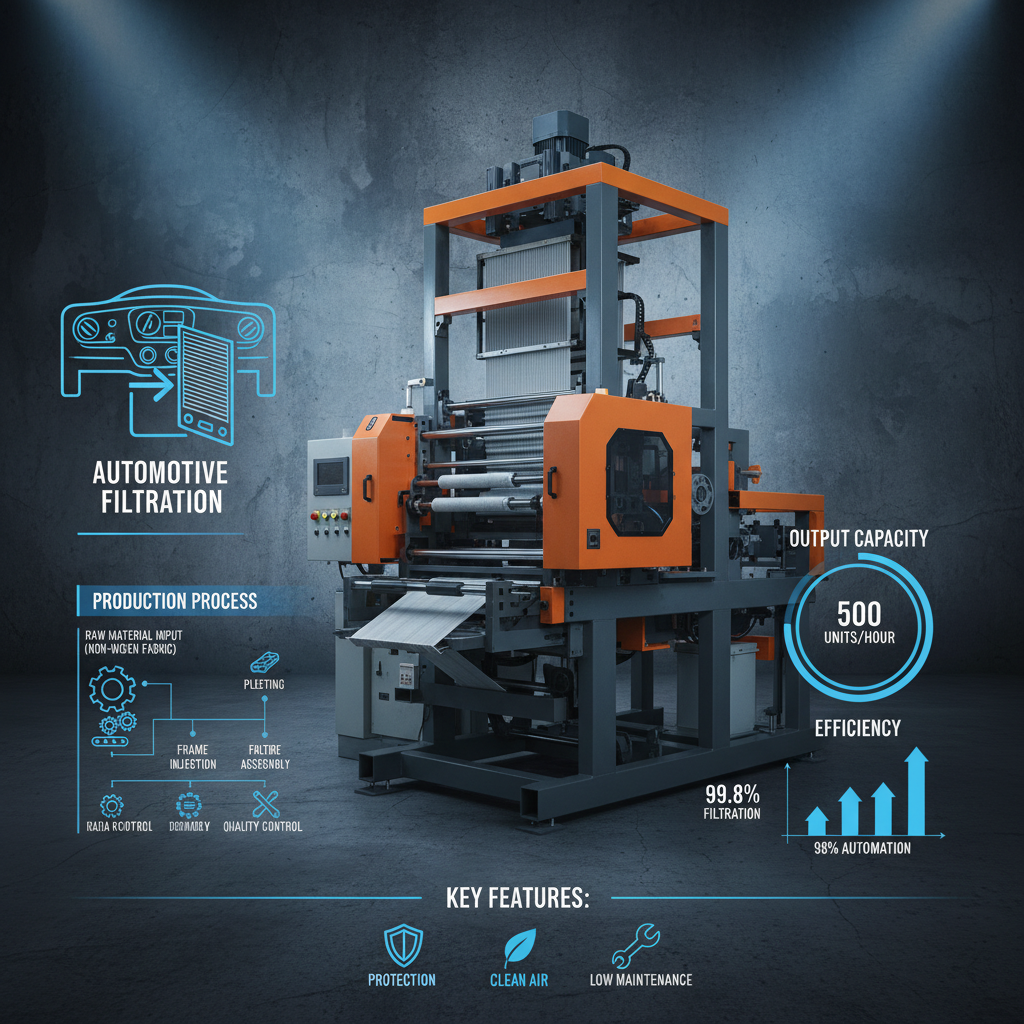
Beyond simple mechanics, these machines are integral to the broader production solutions for Automotive Air Filters, Cabin Air Filters, and Eco Oil Filters. They bridge the gap between raw material rolls and the final assembled product. By controlling the pleat pitch (the distance between folds) and the pleat height, the machine determines the filtration efficiency and the pressure drop across the filter element.
In a modern industrial context, the folding machine is no longer a standalone tool but a part of an integrated ecosystem. It often works in tandem with automatic gluing units and end-cap sealing machines. This connectivity ensures that the structural integrity of the pleats is maintained throughout the assembly process, preventing the media from collapsing under high-pressure operational environments.
Core Components for High-Precision Pleating
The heart of a professional paper folding machine lies in its drive system. High-end models employ servo motors and PLC (Programmable Logic Controller) systems to ensure that every fold is identical to the micron. This level of precision prevents the common issue of "pleat migration," where the folds shift during the assembly of the filter element.
Material tensioning is another critical factor. A specialized tension control unit ensures that the filter paper is neither too loose—which would cause uneven pleats—nor too tight—which could tear the delicate fibers of the media. This balance is essential when working with a variety of materials, from standard cellulose to high-efficiency synthetic composites.
Finally, the folding blade or forming plate must be crafted from wear-resistant materials. Because these components interact with abrasive filter media thousands of times per hour, the use of hardened steel or specialized coatings prevents deformation over time. This ensures that the paper folding machine maintains its accuracy over years of continuous 24/7 operation.
Practical Applications Across Filtration Sectors
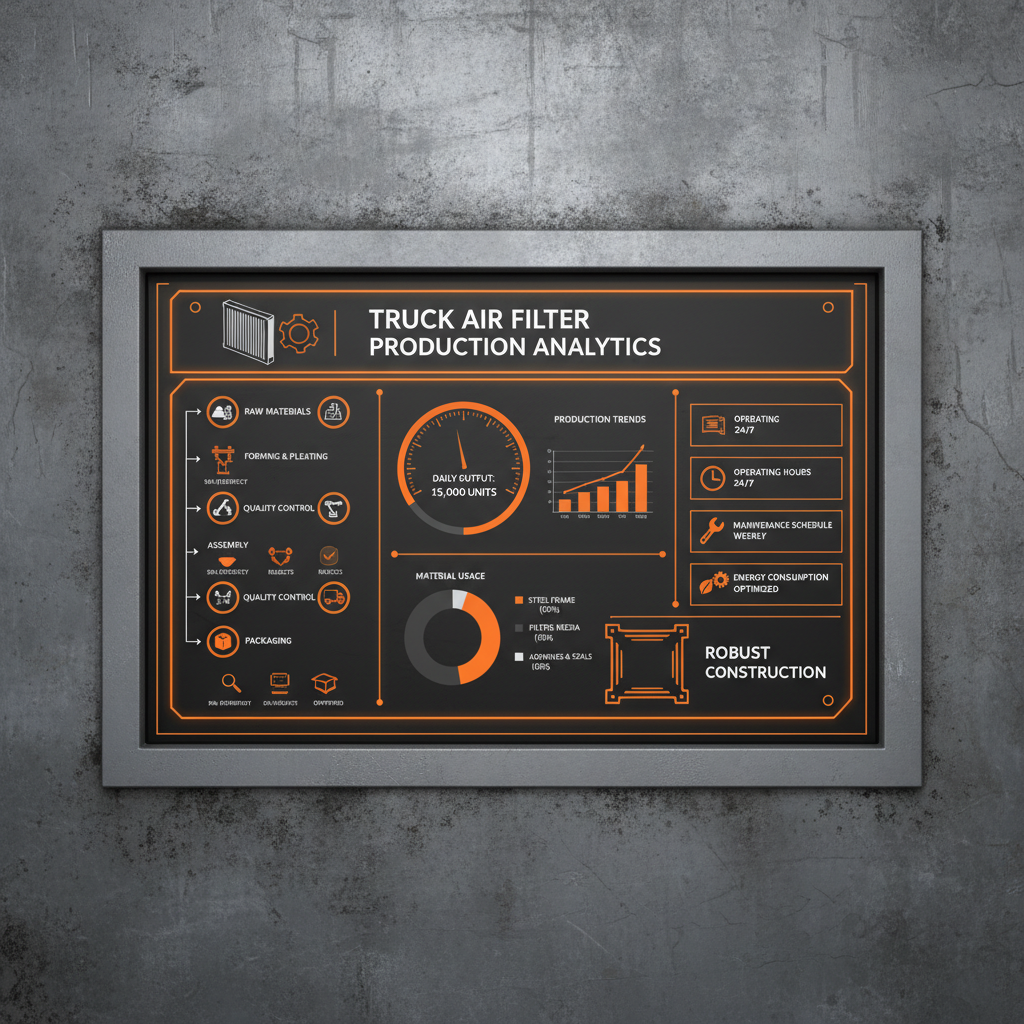
The versatility of the paper folding machine makes it indispensable across multiple niches. In the production of Cabin Air Filters, for instance, the machine must handle multi-layered media (including activated carbon layers) without causing delamination. In contrast, for Truck Air Filter production, the machine is configured for much larger pleat depths to handle the massive dust loads encountered in construction and mining environments.
Beyond automotive use, these machines are utilized in the creation of Primary Medium and High Efficiency Air Filters for HVAC systems in hospitals and cleanrooms. In these settings, the precision of the fold is a matter of safety, as any gap in the pleating could allow hazardous particles to bypass the filtration system entirely.
Performance Comparison of Paper Folding Machine Technologies
Long-Term Value and Operational Advantages
Investing in a premium paper folding machine yields tangible financial benefits through the reduction of "waste-per-filter." By optimizing the fold geometry, manufacturers can use slightly less media while achieving the same filtration area, which drastically reduces the Cost of Goods Sold (COGS) over a million-unit production run.
Moreover, the reliability of automated folding enhances brand trust. When an OEM partner receives a batch of filters where every single element is dimensionally identical, it eliminates the risk of leakage or fitting issues in the vehicle. This consistency builds a reputation for quality and safety, allowing manufacturers to command a premium price in the competitive global market.
Future Innovations in Automated Folding
The next frontier for the paper folding machine is the integration of AI-driven quality inspection. Real-time camera systems are being developed to scan every pleat as it is formed, automatically adjusting the servo parameters if a deviation of even 0.1mm is detected. This "closed-loop" system eliminates the need for manual sampling and ensures 100% quality assurance.
Sustainability is also driving innovation. New machines are being designed to handle biodegradable and recycled filter media, which often have different tensile strengths than traditional cellulose. Adaptive folding algorithms can now sense the "feel" of the material and adjust the pressure in real-time to prevent tearing of eco-friendly fabrics.
Finally, the move toward Industry 4.0 means these machines will soon be fully networked. Managers will be able to monitor the throughput and wear-and-tear of their paper folding machine from a smartphone, receiving predictive maintenance alerts before a component fails, thereby eliminating unplanned downtime.
Overcoming Common Pleating Challenges
One of the most frequent challenges in the industry is "media collapse," where the pleats flatten during the potting or gluing process. The solution lies in the paper folding machine's ability to create a "sharp" fold. By utilizing precision-ground forming edges, the machine creates a crease that provides structural rigidity to the pleat, making it more resistant to compression.
Another common issue is the handling of heavy-duty, thick media used in truck air filters. These materials often resist folding and can cause mechanical strain on the machine. High-torque drive systems and reinforced frames are the professional solution here, ensuring the machine doesn't "flex" under the load, which would otherwise lead to inconsistent pleat spacing.
Lastly, operators often struggle with the time-consuming process of changing pleat specifications for different product lines. Modern machines solve this with "quick-change" tooling and digital recipe storage. Instead of manual adjustments, the operator simply selects the product code on the touch screen, and the paper folding machine automatically resets its parameters for the new filter size.
Analysis of Paper Folding Machine Performance by Media Type
| Media Material |
Folding Precision |
Production Speed |
Wear Impact |
| Standard Cellulose |
High (9.5/10) |
Very Fast |
Low |
| Synthetic Non-Woven |
Medium (8.0/10) |
Fast |
Low |
| Activated Carbon Layer |
High (9.0/10) |
Moderate |
Medium |
| Heavy-Duty Industrial |
Medium (7.5/10) |
Slow |
High |
| Glass Fiber Composite |
High (8.5/10) |
Moderate |
Medium |
| Eco-Biodegradable |
Medium (7.0/10) |
Moderate |
Low |
FAQS
The machine determines the pleat density and depth. Correct pleating increases the total surface area of the media, which lowers the air resistance (pressure drop) and allows the filter to capture more dust before it becomes clogged. Inconsistent folding leads to "dead zones" where the media doesn't work, reducing the filter's overall lifespan and efficiency.
Yes, provided the machine has adjustable pleat settings and a robust drive system. Premium machines allow for the adjustment of pleat height and pitch via a PLC interface. However, for heavy-duty media, you will need a machine with higher torque and reinforced forming plates to ensure the thicker material is folded precisely without stressing the motor.
The most common causes are improper material tension and worn-out folding blades. If the tension is too loose, the pleats will shift; if the blades are dull, they won't create a sharp enough crease to hold the shape. Regular calibration of the tensioning unit and periodic replacement of the forming edges are essential for maintaining quality.
This depends on your production volume. Semi-automatic machines are cost-effective for small batches and prototype development. However, if you are producing thousands of units daily for the automotive market, a fully automatic paper folding machine is necessary to ensure consistency, reduce labor costs, and eliminate human error.
Absolutely. Modern folding machines are designed with conveyor interfaces that allow them to feed directly into automatic gluing machines and end-cap press units. This integration reduces the risk of pleat collapse during manual handling and significantly increases the total output of the production facility.
Key maintenance includes lubricating the drive chains and gears, cleaning the forming plates to remove paper dust and adhesive residue, and checking the servo motor alignment. We recommend a weekly inspection of the tensioning rollers and a monthly calibration of the PLC settings to ensure the pleat pitch remains within tolerance.
Conclusion
The paper folding machine is the cornerstone of modern filtration manufacturing, directly influencing the balance between airflow and particulate capture. By integrating precision servo-controls, robust material handling, and adaptive tooling, manufacturers can transition from erratic production to a streamlined, ISO-compliant operation. The journey from a simple roll of paper to a high-efficiency automotive filter is paved by the accuracy of the pleat, ensuring that every vehicle and industrial machine operates at peak performance while protecting the environment.
Looking ahead, the integration of AI and sustainable materials will further evolve the pleating process, making it leaner and greener. For companies aiming to lead the market in automotive and industrial air filtration, investing in high-precision folding technology is not just an operational upgrade—it is a strategic necessity. We invite you to explore our professional solutions to elevate your production standards. Visit our website: www.mfiltersolution.com